
How ‘Study With Me’ Livestreams Turn Focus Into a Social, Always-On Experience
Executive Summary
Short-form “study with me” clips, long-running productivity livestreams, and curated focus playlists have evolved into a full ecosystem across TikTok, YouTube, and Spotify. These formats turn solitary work into a lightly social, visually curated experience that provides ambient accountability and structure for students and remote workers.
This article breaks down how the trend works, why it is growing, how platforms and creators are monetizing it, and what opportunities and risks exist for users and brands engaging with this attention-and-focus economy.
The New Landscape of Study and Productivity Content
Focus and productivity media has shifted from niche, hours-long YouTube videos to a diversified ecosystem of short-form clips, livestreams, and audio-only experiences. Instead of passively consuming content, audiences now use it as a behavioral trigger—a psychological anchor to initiate and sustain work sessions.
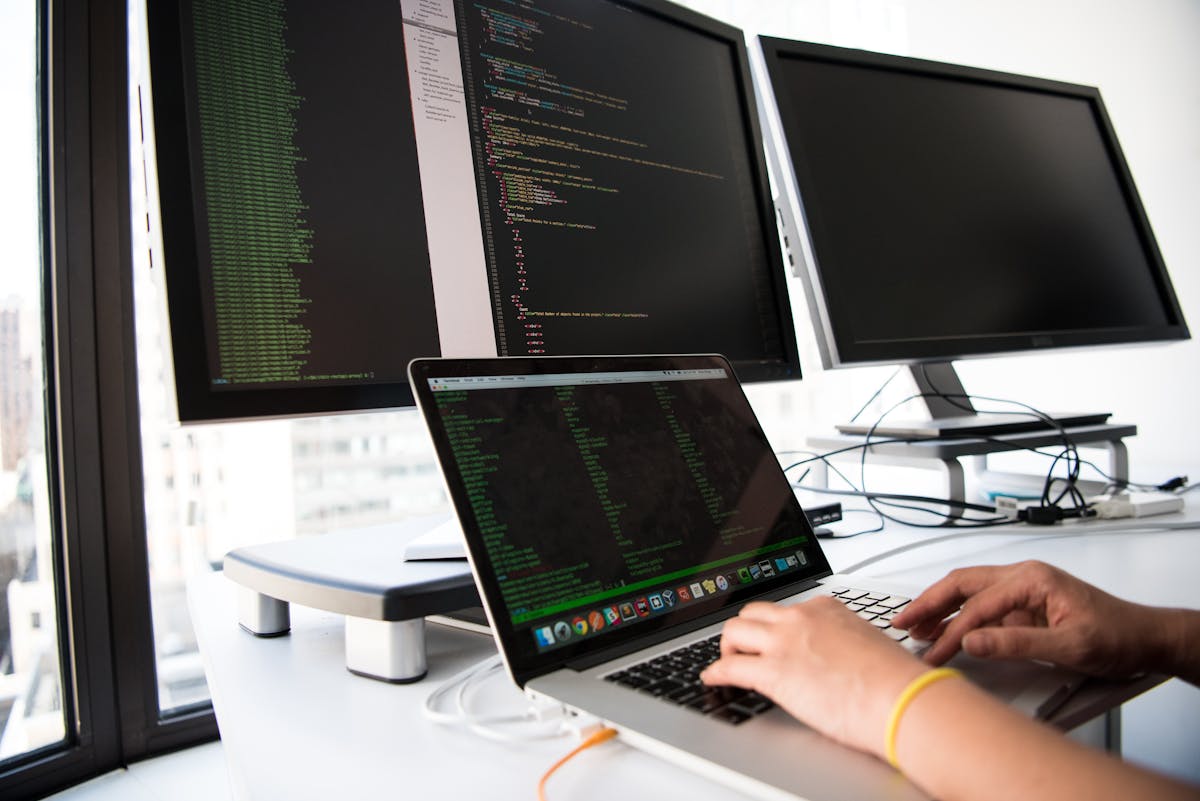
On short-form platforms like TikTok and YouTube Shorts, highly condensed visuals—desk setups, note-taking closeups, and Pomodoro countdowns—are optimized for quick viewing but designed to inspire longer work sessions off-screen. Simultaneously, multi-hour livestreams and 24/7 “focus rooms” cater to those who want continuous companionship and structure.
Core Formats: From Short Clips to 24/7 Study Livestreams
1. Short-Form “Study With Me” Clips
Short-form videos serve as quick motivational nudges rather than full study sessions. They typically feature:
- Time-lapse shots of neat, aesthetic desks and workspaces.
- Pomodoro timers (often 25-minute focus / 5-minute break) in vertical format.
- Fast-cut montages of note-taking, highlighting, and digital planning.
- Overlays like “Let’s focus for 25 minutes” or “First study sprint of the day.”
These are designed to be watched in seconds but remembered for hours, functioning as mental cues to switch from scrolling to focusing.
2. Long-Form Livestreams and Silent Coworking Rooms
Multi-hour livestreams labelled “Study with me,” “Cowork with me,” or “Silent Zoom room” emulate a quiet library or coworking space. Viewers typically join and leave freely but feel as though they are surrounded by others who are also working.
Common elements include:
- On-screen timers following popular focus methods (e.g., Pomodoro, 52/17 rule).
- Live chat where participants declare their goals, check in after intervals, and encourage others.
- Minimal talking, with the host often only appearing between sessions or during breaks.

3. Audio-Only Focus Playlists and Soundscapes
On Spotify and similar platforms, longstanding “lofi beats to study/relax to” playlists have been joined by more targeted focus libraries tagged with terms like “deep work,” “exam prep,” “ADHD focus,” or “coding session.” Many video creators cross-promote these playlists in their bios and descriptions, turning YouTube and TikTok audiences into recurring audio listeners.
Audio environments range from instrumental hip-hop and classical to rain sounds, café noise, and binaural-style ambient tracks, each marketed as suitable for particular concentration styles.
Why Focus Content Is Surging Now
Several structural and cultural trends are driving adoption of “study with me” and productivity livestreams.
Remote and Hybrid Work as the Default
Remote and hybrid work patterns, which expanded significantly after 2020, have left many people working alone at home. Without the natural structure of offices, classrooms, or libraries, they seek virtual environments that recreate some of the same social cues and accountability.
Rising Academic Pressure and Exam Competition
Students preparing for standardized exams and competitive academic environments are drawn to any tool that can provide momentum and discipline. Focus livestreams lower the activation energy needed to begin a study session: joining a stream, typing a goal into chat, and silently working can feel less intimidating than confronting an empty desk alone.
Growing Awareness of Attention and Digital Distraction
Books, podcasts, and articles on dopamine, distraction, and habit-building have made attention a mainstream topic. Many people now recognize that their environment—including the content in their feeds—shapes how easily they can focus.
There is a growing shift from entertainment-driven feeds to intention-driven feeds—users increasingly curate their timelines around what they want to do, not just how they want to feel.
The Aesthetic of Productivity: Motivation and Pressure
“Study with me” content has a distinct visual language: clean desks, warm lighting, mechanical keyboards, tablets with annotated PDFs, and color-coded planners. This aesthetic makes productivity feel aspirational and shareable, and it clearly resonates—hashtags related to studying and productivity collectively attract billions of views across platforms.
For some viewers, this is motivating: it frames studying or deep work as a lifestyle worth investing in. For others, it can feel intimidating or performative, creating pressure to match an idealized standard of productivity. This dual effect is important for creators and brands to recognize: aesthetics can inspire, but they can also quietly discourage people who feel they cannot live up to the image.
How Platforms and Creators Benefit
Study and productivity content aligns strongly with platform incentives, particularly around watch time and repeat visits.
1. Engagement and Retention
Long-running study livestreams keep viewers on a platform for much longer than average entertainment clips. Even if viewers are only glancing at the screen occasionally, the tab often remains open for hours. Short-form clips, by contrast, drive frequent return visits and algorithmic discovery, feeding the top of the funnel.
2. Monetization and Sponsorship
Brands selling stationery, productivity apps, exam prep courses, or digital planners increasingly partner with these creators. Common brand integrations include:
- Featured desk tools (notebooks, pens, stands, keyboards) within the frame.
- Links to apps for task management, note-taking, or time tracking in descriptions.
- Discount codes mentioned during breaks between focus intervals.
| Channel | Primary Revenue | Typical Integration Style |
|---|---|---|
| TikTok / Shorts | Brand deals, affiliate links | Product placements in clips, bio links |
| YouTube Livestreams | Ads, memberships, sponsorships | On-screen banners, shout-outs during breaks |
| Spotify / Audio Platforms | Streaming royalties, brand playlists | Curated sponsored playlists, cross-promotion with creators |
How to Use Study and Productivity Streams Effectively
Viewers can transform these formats from passive background noise into practical tools for better focus and time management.
A. Turn Streams into Structured Sessions
- Pick a stream or playlist that matches the length of your intended work block (e.g., a 2-hour livestream or a 90-minute playlist).
- Set a clear goal in writing before you press play.
- Use on-screen or external timers (like Pomodoro) to define sprints and breaks.
- During breaks, avoid scrolling—stand up, stretch, or review progress instead.
B. Use Social Accountability Without Overexposing Yourself
If the livestream has an active chat, consider:
- Posting a simple goal, such as “Review 3 chapters” or “Write 500 words.”
- Checking back after each focus interval to confirm what you completed.
- Encouraging others briefly, while avoiding long side conversations that break your own focus.
This type of low-friction social accountability provides a sense of being “in it together” without the fatigue of continuous video calls.
Risks and Limitations to Consider
While “study with me” and productivity streams can be powerful tools, they also come with trade-offs that users and brands should keep in mind.
Distraction Risk
The same platforms hosting focus content also host endless entertainment. Without clear boundaries, users may start a session intending to study but drift back into ordinary scrolling.
Comparison and Productivity Anxiety
Watching highly aesthetic, seemingly hyper-disciplined creators can trigger feelings of inadequacy. If viewers begin measuring their self-worth by how closely they match what they see on screen, focus media can become counterproductive.
Privacy and Over-Sharing
Some participants reveal sensitive details about exams, workloads, or mental health in public chats. Users should be cautious and avoid sharing personally identifiable information or details that could be misused.
Opportunities for Brands and Product Builders
For companies offering productivity tools, education services, or workspace products, this ecosystem is a natural fit—but long-term success depends on alignment with genuine user needs rather than just visibility.
Align With Real Use Cases
Brands should focus on integrations that demonstrably improve a viewer’s experience—ergonomic chairs that reduce strain during long sessions, software that simplifies note-taking, or planners that clarify daily goals.
Support Healthy Focus Habits
Sponsorships and campaigns that emphasize breaks, realistic workloads, and mental health can differentiate brands from those that appear to glorify nonstop hustle. For example, a campaign could highlight “smart breaks” or sustainable study plans rather than continuous sessions.
The Future of Ambient Accountability
“Study with me” and productivity livestreams demonstrate that many people no longer want productivity tools to feel like software—they want them to feel like company. Background media that blends companionship, structure, and gentle accountability is well-positioned to grow alongside remote work and competitive educational environments.
As this space matures, we can expect more personalized formats, better integrations between video and task management tools, and more deliberate conversations about balancing aspirational productivity with realistic expectations. For now, the core insight remains clear: when focus feels social, structured, and a little bit beautiful, more people are willing to sit down and do the work.
