
How ‘Study With Me’ Livestreams Are Rewiring Productivity in the Remote Work Era
Short-form “study with me” and digital co-working videos have evolved from a niche YouTube curiosity into a mainstream productivity ritual for students, exam candidates, and remote workers. These ambient focus sessions—ranging from 30‑second clips to multi‑hour livestreams—blend body doubling, light social presence, and aesthetic ambience to reduce procrastination and loneliness while adding structure to otherwise isolated workdays.
Executive Summary
Live and recorded “study with me” sessions are surging across YouTube, TikTok, and streaming platforms as remote and hybrid work patterns solidify. Viewers watch someone quietly working on camera with timers, soft background music, and minimal talking, using the stream as a virtual study buddy or digital co-working space.
The appeal centers on three pillars: built‑in accountability via timers and visible focus, a low‑pressure sense of social connection through chat and shared routines, and a carefully crafted ambience that doubles as background noise for deep work. Subgenres now range from silent, no‑talking sessions to ASMR‑style keyboard soundscapes and themed cram streams for coding, bar exams, or novel writing.
While some critics warn that consuming productivity content can itself become a form of procrastination or create unrealistic standards, for many users these sessions function as a simple behavioral nudge: open a stream, sync your timer, and start. As platforms increasingly recommend this content to users searching for productivity or ADHD support, digital co-working is moving from an experimental genre to a normalized part of how people structure focus time.
From Niche Genre to Mainstream Digital Co-Working
“Study with me” content originally emerged from student vlog culture, where creators casually filmed themselves revising for exams in real time. As remote learning and work accelerated, this format matured into structured digital co-working: quiet, long‑form sessions where the creator’s main “content” is sustained concentration.
On YouTube, multi‑hour study streams often feature:
- On‑screen Pomodoro timers (e.g., 25/5, 50/10, or 60/15 minute intervals).
- Subtle lo‑fi, classical, or ambient music at low volume.
- Minimal talking, with brief check‑ins during breaks.
- Persistent live chat where participants share goals and progress.
On TikTok and other short‑form platforms, the equivalent takes the shape of:
- 30–90 second clips stitched from longer sessions, often with captions like “let’s study for 50 minutes together.”
- Quick visual cues—timers, progress bars, and overlay text—to prompt viewers to start their own session off‑platform.
This dual ecosystem—long‑form streams for active co‑working, short‑form for motivational nudges—has made the format discoverable and habit‑forming across age groups and professions.
Why People Watch: Accountability, Connection, and Ambience
The rise of these sessions is not just an aesthetic trend; it aligns closely with findings from behavioral science and attention research.
1. Accountability and Structure
Viewers treat the creator as a virtual accountability partner. The on‑screen timer provides an external structure that many people struggle to generate alone.
- Visual commitment: Seeing someone else stay on task reduces the temptation to context‑switch or open new apps.
- Temporal scaffolding: Fixed work/break cycles (like Pomodoro) lower the activation energy to start and keep going.
- Social proof: Knowing that hundreds or thousands of others are also working during the same timer interval increases follow‑through.
2. Social Connection Without Social Demands
Remote workers and online students often report feeling isolated. Live chat and recurring streams create a sense of routine community without the pressure of active socializing.
For people with social anxiety or introversion, this “low‑bandwidth” connection is appealing: you can say nothing, keep your camera off, and still feel part of something.
3. Aesthetic and Ambient Focus
Many creators invest in visual and audio aesthetics—warm lighting, plants, tidy desks, and curated soundtracks. This ambience serves as:
- Environmental priming: A workspace that “looks” like a place for focus nudges the brain into work mode.
- Background noise: Gentle soundscapes can mask disruptive household noise and support concentration.
“Consistent environmental cues can help shift the brain into task mode more quickly, especially when paired with time‑based routines.”
— Summarizing findings from attention and habit formation research referenced by the American Psychological Association
The Expanding Subgenres of ‘Study With Me’ Culture
As the audience has grown, the format has diversified into focused niches tailored to different work styles and goals.
Key Subgenres
- Silent, no‑talking sessions: These streams minimize verbal interaction, ideal for deep focus or language‑heavy tasks.
- ASMR‑style sessions: Emphasize soft keyboard typing, page‑turning, and pen sounds, appealing to fans of sensory relaxation and subtle stimulation.
- Themed marathons: Dedicated to specific goals like bar exam prep, coding bootcamps, thesis writing, or NaNoWriMo sprints.
- Multi‑camera co‑working rooms: Some channels show several people working together on split screens, mimicking a bustling library or office.
Typical Session Formats
| Format | Duration | Typical Elements |
|---|---|---|
| Short motivational clip | 30 sec – 3 min | Quick timer, caption prompts, aesthetic shots of desk and notes |
| Standard Pomodoro session | 1 – 2 hours | 25/5 or 50/10 cycles, lo‑fi music, brief check‑ins at breaks |
| Deep focus marathon | 3 – 8+ hours | Minimal talking, subtle ambient sound, long uninterrupted work blocks |
| Themed co-working stream | 2 – 4 hours | Goal‑based themes (coding, exam prep), community goal‑sharing in chat |
How Platforms and Creators Are Scaling Digital Co-Working
Recommendation algorithms on major platforms now actively surface this content to users searching for productivity, ADHD support, or exam prep. As the category matures, creators are professionalizing their offerings and building full ecosystems around their streams.
Platform Dynamics
- YouTube: Favors longer livestreams and VODs; channels often schedule recurring “office hours” blocks several times per week.
- TikTok & Reels: Focused on discoverability through short clips that funnel viewers to longer sessions or external communities.
- Twitch & similar platforms: Treat co-working like any other livestream category, with chat‑driven community and subscription models.
Monetization and Community Layers
Many top creators have moved beyond ad revenue, offering:
- Memberships or Patreon tiers with scheduled private sessions.
- Discord or Slack communities for daily check‑ins.
- Shared Notion or Google Docs templates for planning and tracking.
- Seasonal accountability cohorts (e.g., exam seasons, project sprints).
This layered approach turns what was once passive viewing into a participatory routine: viewers set goals, join recurring sessions, and share progress in community spaces outside the stream itself.
The Psychology Behind Digital Co-Working: Body Doubling and Beyond
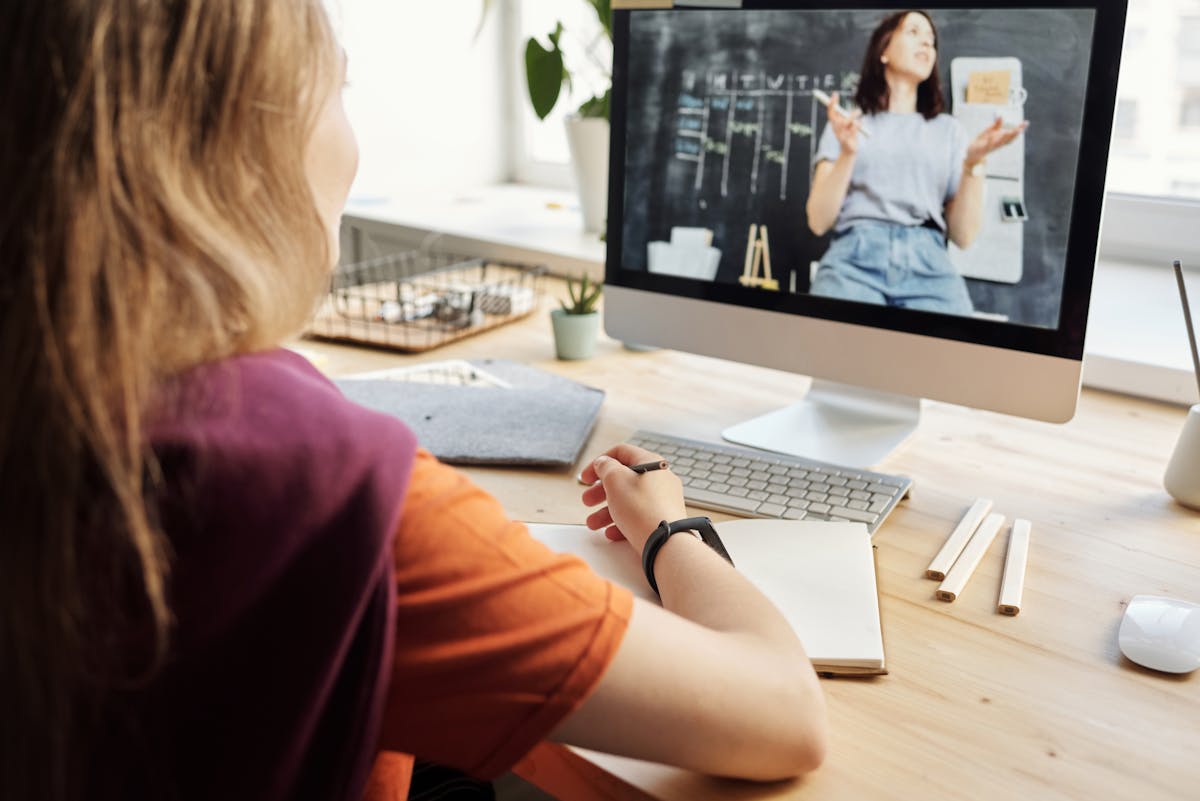
One of the most cited concepts in discussions of “study with me” culture is body doubling—the idea that many people, including those with ADHD or other executive function challenges, focus better when someone else is physically or virtually present.
Body Doubling in a Virtual Context
In traditional settings, body doubling might mean working quietly in a library or having a friend sit nearby while you complete tasks. Digital co-working adapts this to the online world:
- The creator functions as the “double,” maintaining visible focus.
- Live chat and viewer counts signal that others are also engaged in similar tasks.
- Regularly scheduled sessions create an external time anchor for getting started.
Regulating Attention and Emotion
These streams can also help regulate the emotional side of productivity—especially anxiety and overwhelm. By outsourcing decisions about when to start, stop, or take breaks to the host’s timer and routine, viewers reduce decision fatigue.
“Structured co-working—even when virtual—can provide the scaffolding needed to initiate and sustain effort on tasks that might otherwise feel unmanageable.”
— Paraphrasing expert guidance from ADHD advocacy and education organizations
Benefits, Limitations, and Potential Risks
While many users report tangible benefits from adopting “study with me” routines, the format is not without trade‑offs. Understanding both sides can help viewers use these tools more intentionally.
Potential Benefits
- Lower barrier to starting: Joining a stream can feel easier than initiating work in silence.
- Reduced loneliness: Especially important for remote workers or students studying long hours for high‑stakes exams.
- Consistent routine: Regularly scheduled sessions can anchor daily planning.
- Accessible support: Free streams offer a low‑cost alternative to paid co-working spaces.
Common Risks and Criticisms
- Procrastination by proxy: Spending time browsing or perfecting the “right” stream can delay actual work.
- Aesthetic pressure: Immaculate desk setups and flawless routines can create unrealistic standards or comparison stress.
- Over‑reliance: Some users may struggle to focus without a stream, which can be limiting in environments where watching video isn’t practical.
| Aspect | Upside | Downside |
|---|---|---|
| Motivation | External cues make it easier to start and maintain focus. | Can become dependent on external triggers instead of internal habits. |
| Community | Light social connection reduces isolation. | Chat engagement or comparison may become distracting. |
| Aesthetics | Pleasant ambience can make work more enjoyable. | Curated perfection can fuel unrealistic expectations. |
How to Use ‘Study With Me’ Sessions Effectively
To maximize the benefits while minimizing downsides, treat “study with me” videos as a tool—not entertainment. A few simple strategies can make a noticeable difference.
1. Define Your Session Before You Press Play
- Write down 1–3 concrete tasks you want to complete.
- Choose a stream length that matches your available time.
- Set your own timer in parallel, in case the stream ends early or lags.
2. Use A/B Testing for Formats
Different people respond better to different formats. Over a week, try:
- Silent streams vs. talking/interactive ones.
- Short, intense focus sprints vs. longer, calmer marathons.
- Streams with music vs. only ambient room sound.
Track how many focused minutes you achieve and how you feel afterward to identify your best personal fit.
3. Set Clear Boundaries With Platforms
- Use browser extensions or system settings to hide unrelated recommendations during work time.
- Commit to opening only your chosen stream—not the home feed—before each session.
- Disable notifications from unrelated apps while the stream is running.
4. Pair Streams With Offline Rituals
Strengthen your own autonomy by combining digital co-working with offline cues:
- Use the same mug, notebook, or seat for focused sessions.
- Start with a brief written plan or checklist every time.
- End each session by logging what you accomplished and planning the next block.
The Future of Digital Co-Working
As remote and hybrid work arrangements remain common, “study with me” and co-working content is likely to keep evolving toward more interactive, personalized formats. Emerging directions include:
- Smarter scheduling tools: Integration between calendars, task managers, and live session schedules.
- Adaptive focus environments: Streams that adjust music and lighting based on viewer feedback or time of day.
- Smaller, niche communities: Focus rooms organized by profession, exam type, or project category.
For individuals, the key will be to blend these tools with sound self‑management: using digital co-working as scaffolding rather than a crutch. When approached intentionally, “study with me” culture can transform ambient video consumption into a quiet but powerful ally against procrastination and isolation.
The underlying principle is simple but potent: you do not have to focus alone. With a screen, a timer, and a minimal‑pressure sense of shared effort, many people can unlock more consistent, humane productivity—one silent session at a time.
