
How Self-Collected HPV Tests Are Transforming Cervical Cancer Screening Access
For many people, the idea of a pelvic exam brings up more than just mild discomfort. If you live with vaginismus, chronic pain, or past trauma, the thought of a speculum exam can be enough to keep you from scheduling cervical cancer screening at all. You’re not alone—and you’re not “non‑compliant” or difficult. Your body is trying to protect you.
In recent years, self-collected HPV tests have emerged as a powerful alternative. Inspired in part by stories like a recent Washington Post guest column—where the writer described finally completing cervical cancer screening thanks to a self-collection option—many people are asking: Could this be an option for me too?
This guide walks through what self-collected cervical cancer screening is, how it works, what the research says, and how to talk with your clinician if a traditional exam feels out of reach.
Why Traditional Cervical Cancer Screening Can Be So Hard
Cervical cancer screening has traditionally relied on a pelvic exam with a speculum, followed by a Pap test, HPV test, or both. For many, this is uncomfortable but tolerable. For others, it can be nearly impossible.
- Vaginismus and pelvic floor pain: Involuntary tightening of the pelvic floor muscles can make any penetration intensely painful or impossible.
- Past trauma: Survivors of sexual or medical trauma may find pelvic exams triggering or overwhelming.
- Physical disabilities: Limited mobility, chronic pain, or positioning needs can make standard exam tables and speculums impractical.
- Cultural and gender-related barriers: Trans and nonbinary people with a cervix may face misgendering, stigma, or lack of affirming care; others may feel shame or embarrassment that keeps them away.
“I wasn’t avoiding screening because I didn’t care about my health. I was avoiding it because my body simply would not cooperate with the exam. Self-collection turned an impossible task into something I could finally do.”
When we frame missed screening as a personal failure, we miss the real issue: the traditional method doesn’t work for everyone. Self-collected HPV testing aims to close that gap.
What Is a Self-Collected HPV Test?
A self-collected HPV test is a way to screen for high-risk types of human papillomavirus (HPV)—the virus responsible for most cervical cancers—without a clinician inserting a speculum. Instead, you use a swab or brush yourself, typically in a private space at a clinic or sometimes at home, depending on local regulations.
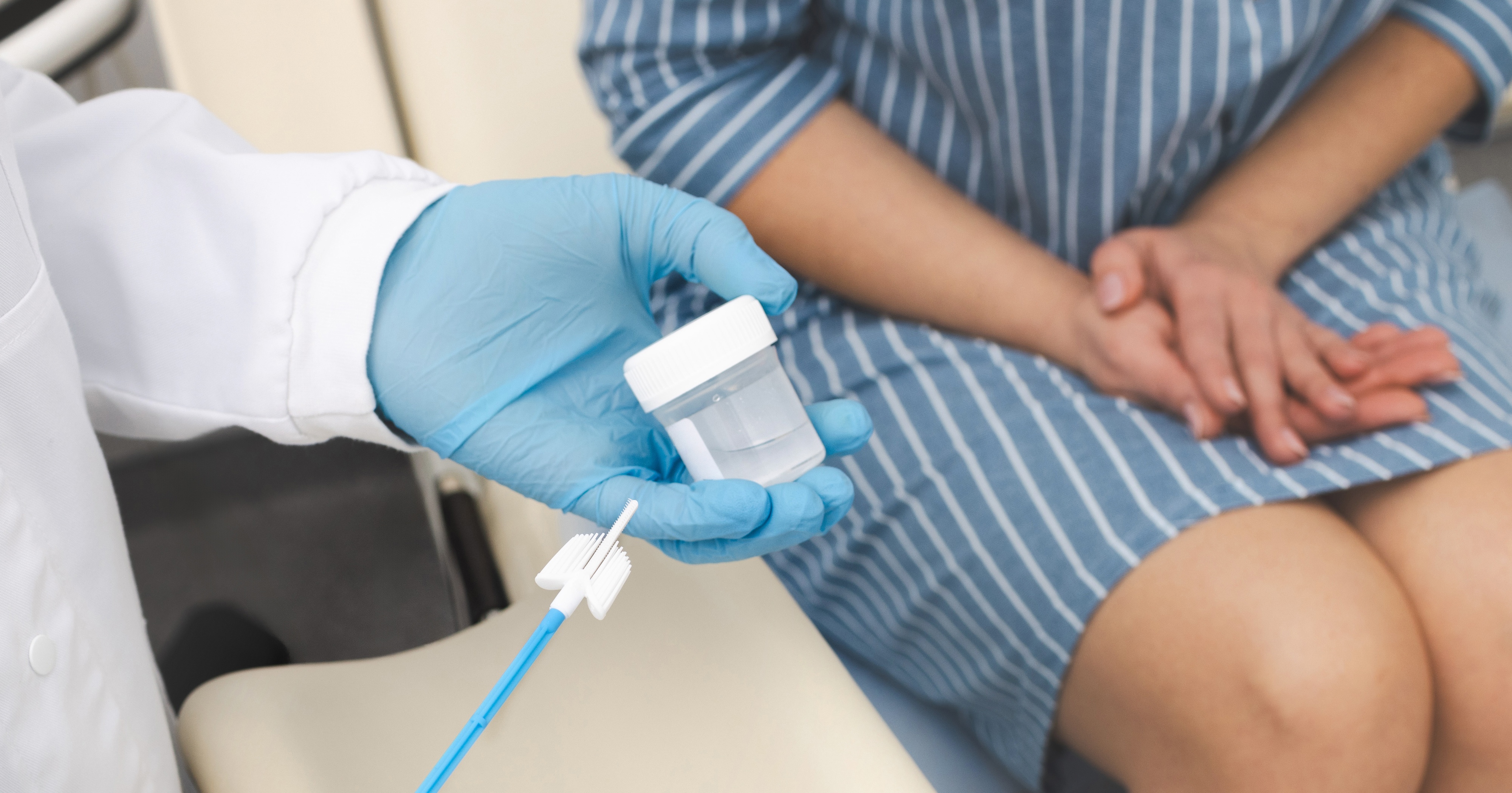
While the Washington Post column described one individual’s experience, self-collection is not just anecdotal. Over the last decade, multiple large studies and international programs have evaluated and implemented self-collected HPV testing as part of routine screening.
How Do Current Cervical Cancer Screening Guidelines View Self-Collection?
Screening recommendations vary by country and evolve as new evidence emerges. In the United States, organizations like the American Cancer Society (ACS) and the U.S. Preventive Services Task Force (USPSTF) base guidelines on large clinical trials and quality of testing methods.
- Primary HPV testing: ACS now recommends primary HPV testing every 5 years as the preferred method for many adults with a cervix aged 25–65, when available. This typically uses a clinician-collected sample, but the science behind HPV testing also underpins self-collection.
- Self-collection status: As of early 2026, the FDA and major U.S. guidelines are in various stages of evaluating specific self-collection devices and protocols. Some health systems and research programs offer supervised self-collection, especially for people who are under-screened.
- Global perspective: Countries like Australia, the Netherlands, and certain regions in Europe have integrated or piloted self-collected HPV testing in their national screening programs, particularly for people who are overdue for screening.
“High-quality evidence shows that self-collected vaginal samples for HPV testing can be as sensitive as clinician-collected samples when validated assays are used.”
— Summary of findings from meta-analyses reported in journals such as The Lancet and BMJ
How a Self-Collected Cervical Cancer Screening Test Typically Works
The exact steps vary by program and device, but most self-collected HPV tests follow a similar pattern. Here’s what you can generally expect:
- Order or referral: A clinician or clinic enrolls you in a self-collection program or orders a kit, which may be provided in the office or mailed to your home.
- Clear instructions: Written, visual, or video instructions explain how far to insert the swab, how to rotate it, and how long to collect the sample.
- Private collection: You go to a private restroom or room, wash your hands, and follow the instructions. Many people find squatting or putting one foot on a stool helpful.
- Packaging the sample: You place the swab or brush into a labeled tube or container, seal it, and return it as instructed (to a nurse, a collection box, or via mail).
- Laboratory testing: The lab analyzes the sample for high-risk HPV types using validated assays, similar to clinician-collected samples.
- Results and next steps: Your clinician or program contacts you with results and recommendations—for example, routine follow-up, earlier repeat testing, or a follow-up exam if HPV is detected.

What Does the Science Say About Self-Collected HPV Tests?
Research over the last decade has compared self-collected and clinician-collected samples for HPV testing. Overall, the evidence is reassuring—especially when high-quality tests are used.
- Sensitivity: Meta-analyses published in journals like The Lancet Oncology have found that self-collected vaginal samples, when tested with validated PCR-based assays, have similar sensitivity for detecting high-risk HPV as clinician-collected cervical samples.
- Specificity: Specificity (the ability to correctly identify those without disease) may be slightly lower for some self-collected methods, but generally remains within acceptable ranges for screening.
- Increased participation: Programs that mail self-collection kits to people who are overdue for screening often see higher participation compared with standard reminders for in-clinic Pap tests.
- Equity impact: Self-collection has been especially helpful for reaching people in rural areas, those with limited access to gynecologic care, and communities facing stigma or distrust of medical institutions.
It’s important to note that self-collection is not a perfect one-to-one replacement in every context. Some guidelines still recommend a clinician visit for follow-up if HPV is detected, and quality control systems must be in place to ensure accurate results.
Self-Collection for People With Vaginismus or Pelvic Pain
For people with vaginismus, even inserting a small tampon can feel impossible. The idea of inserting a swab yourself may sound just as daunting as a speculum exam—but many find that being in control of the process makes a crucial difference.
In the Washington Post column, the writer described years of failed attempts at standard screening due to vaginismus. With self-collection, they could:
- Choose their own pace, without pressure from the clock or a clinician.
- Use positioning that felt safest, such as lying on their side or partially squatting.
- Stop at any moment if their body started to tense up.

Some people combine self-collection with ongoing pelvic floor therapy. Over time, as symptoms improve, they may choose to attempt a clinician exam—or they may continue with self-collection if it remains an appropriate option.
Self-Collected vs. Clinician-Collected Screening: A Practical Comparison
Both methods aim to protect you from cervical cancer by catching HPV infections and cell changes early. Each has strengths and limitations.
- Requires in-person visit and exam table.
- Can be painful or triggering for people with vaginismus, trauma, or pelvic pain.
- Allows clinician to visually inspect the cervix and vagina during the exam.
- Offers a path to screening for those who would otherwise avoid it entirely.
- Provides more control, privacy, and flexibility.
- Still may require follow-up in-clinic if the result is positive.
For some, the ideal is a choice: traditional screening when it feels manageable, and self-collection when it doesn’t. The most effective screening program is the one that people can actually use.
How to Talk With Your Clinician About Self-Collected Screening
Starting this conversation can feel intimidating, especially if you’ve felt dismissed before. Preparing a few key points can help you advocate for yourself more confidently.
- Describe your barrier clearly.
For example: “I have vaginismus, and speculum exams have been extremely painful and traumatic for me.” - Express your commitment to screening.
“I want to stay up to date with cervical cancer screening and I’m looking for options that my body can tolerate.” - Ask specifically about self-collection.
“Do you offer, or could you help me access, a self-collected HPV test or supervised self-collection program?” - Explore accommodations if self-collection isn’t available.
Options can include smaller speculums, topical anesthetics, trauma-informed approaches, or collaborating with a pelvic floor physical therapist. - Set boundaries.
It’s okay to say: “If I start to feel overwhelmed or in pain, I need us to pause or stop.”

Common Concerns and Obstacles: What If…
Even with a promising option like self-collection, it’s normal to have worries. Here are some common concerns and ways to navigate them.
- “What if I do the test wrong?”
Most programs provide clear instructions and design swabs to be forgiving. Studies show high rates of adequate samples from self-collection. If a sample is inadequate, the lab usually requests a repeat rather than giving a false reassurance. - “I’m scared of a positive result.”
HPV is extremely common, and a positive test does not mean you have cancer. It means your provider will follow up more closely to prevent cancer from developing. - “I can’t afford extra tests.”
Coverage varies by insurance and health system. Ask about costs upfront, and look for community clinics, public health programs, or patient-assistance options if finances are a barrier. - “I feel ashamed that I haven’t been screened.”
Shame is a heavy burden to carry—and it’s undeserved. Many people fall behind on screening for reasons outside their control. The important thing is the step you’re considering now, not what happened before.
“You are not failing screening. Screening has been failing to adapt to your needs.”
Practical Next Steps if You’re Considering Self-Collected Cervical Screening
If self-collected HPV testing resonates with you, here’s a simple roadmap you can start using this week.
- Check your current screening status.
Look up your last Pap or HPV test date in your patient portal or ask your clinic. Note your age and any past abnormal results. - Research local options.
Search your health system’s website or call clinics to ask specifically about “self-collected HPV testing” or “self-sampling cervical screening.” - Prepare your questions.
Write down what you want to ask: eligibility, cost, where the sample is collected, and what happens if the test is positive. - Schedule a focused appointment.
Book a visit (in-person or telehealth) with the explicit goal of discussing cervical cancer screening options with your history in mind. - Plan emotional support.
Whether it’s a friend, partner, therapist, or support group, let someone know what you’re doing so you don’t have to carry the anxiety alone.

Moving From “I Can’t” to “Maybe I Can”: A Compassionate Closing
If you’ve spent years feeling like cervical cancer screening just isn’t possible for you, self-collected HPV testing can be a quiet but profound shift. It doesn’t erase the reality of vaginismus, trauma, or past invalidation—but it offers a new path forward that respects your body’s limits.
You deserve cancer prevention tools that meet you where you are, not where a guideline assumes you should be. Whether you choose self-collection, a modified clinician exam, or a combination over time, your choice is valid—and it’s yours to make.
Your next step:
- Take five minutes today to check when your last cervical screening was.
- Write down one question you want to ask your clinician about self-collected HPV testing.
- Commit to making one phone call or sending one portal message this week.
Small, compassionate actions add up. You’re not behind—you’re starting from exactly where you are, and that’s enough.
