
How Nostalgia Turns Old Tracks Into New Hits: Inside the Streaming & Social Media Feedback Loop
Nostalgia‑driven music revivals have become one of the most powerful dynamics in the streaming era. Older tracks from the 1980s to early 2010s are exploding on platforms like Spotify, Apple Music, and YouTube whenever they intersect with viral TikTok sounds, memes, or high‑impact film and TV scenes. This article breaks down the mechanics behind these revivals, the data patterns that signal them, and how artists, labels, and platforms are strategically responding to this shift.
Instead of a one‑way pipeline where new releases dominate attention, streaming plus social media has created a feedback loop in which any song from the back catalog can resurface and behave like a new release. For rights‑holders, that means catalog is now a living, compounding asset; for listeners, it’s a continuous cycle of discovery and rediscovery.
The New Reality: Old Songs Compete Like New Releases
In the pre‑streaming era, catalog performance was relatively predictable: holiday bumps, compilation releases, or the occasional sync in a blockbuster movie. Today, a song from 1992 can jump from obscurity to global charts in a week purely through a TikTok meme or a Netflix sync.
This creates both a challenge and an opportunity:
- Challenge: Attention is more chaotic and less release‑schedule driven. Traditional radio campaigns and press cycles don’t fully explain what breaks through.
- Opportunity: The long tail of music suddenly matters. Back catalogs—decades of recordings—can become high‑growth assets when matched with the right moment, meme, or sync.
“In the streaming age, catalog is not just a historical record—it’s a dynamic portfolio of assets that can re‑monetize at scale when culture calls it back.”
How the Nostalgia Feedback Loop Works: From Meme to Millions of Streams
The mechanics behind nostalgia‑driven revivals are straightforward but extremely potent. A creator pairs an older or lesser‑known track with a replicable content format, the platform’s audio tools make reuse frictionless, and streaming services reinforce the trend via playlists and recommendations.
Step‑by‑Step Viral Pathway
- Seed moment: A creator uses an older song in a TikTok, meme, or YouTube Short—often for a transformation, comedic skit, or cinematic montage.
- Format replication: Other users copy the format, reusing the same audio clip. The track’s sound is attached to a trend rather than a specific artist.
- Discovery spillover: Viewers tap the audio or search lyrics, then stream the full song on Spotify, Apple Music, or YouTube Music.
- Algorithmic reaction: Platforms detect the surge and push the track into “Viral” and “Trending” playlists, plus personalized mixes.
- Editorial and press amplification: Playlists and media cover the “comeback story,” framing the track as the song of the moment.
- Monetization and setlist impact: Streams, sync demand, and ticket interest rise, prompting artists to re‑feature the track live or release remixes.

Why Nostalgia Works: Emotion, Identity, and Cross‑Generational Appeal
Nostalgia is more than a vibe; it is a high‑conversion emotional trigger. Users don’t just like familiar songs—they use them to narrate memory, identity, and shared history.
Core Nostalgia Formats on Social Platforms
- “Songs that raised me” lists: Users compile tracks from their childhood or teenage years, resurfacing hits and deep cuts.
- Parent‑child crossovers: “Songs my parents played in the car,” surfacing 80s, 90s, and 2000s classics to Gen Z.
- Era‑themed edits: “POV: it’s 2012 and you’re on the school bus,” pairing early 2010s hits with stylized visuals.
- Fandom nostalgia: Revival of OSTs (original soundtracks) from anime, TV series, and games tied to childhood or formative years.
These formats invite cross‑generational participation. Older listeners revisit formative tracks; younger audiences encounter them contextualized as culturally important and emotionally relevant now. The result is a shared listening surface where decades of music compete simultaneously.
Film, TV, and Gaming Syncs: Catalysts for Viral Revivals
Sync placements in streaming series, films, and games are often the ignition points for major catalog comebacks. A well‑placed needle‑drop can reframe an old track for an entirely new audience.
When a song underscores a pivotal on‑screen moment, fans clip and circulate the scene with the track intact. Those clips then become raw material for:
- Fan edits and “fan cams” on TikTok and Instagram Reels
- AMVs (anime music videos) and mood edits on YouTube
- Gaming highlight reels and cinematic compilations
That second‑order content significantly outlives the show’s release window, keeping the track in circulation long after the original episode or movie is no longer trending.
Data Signals: How Catalog Revivals Look in the Numbers
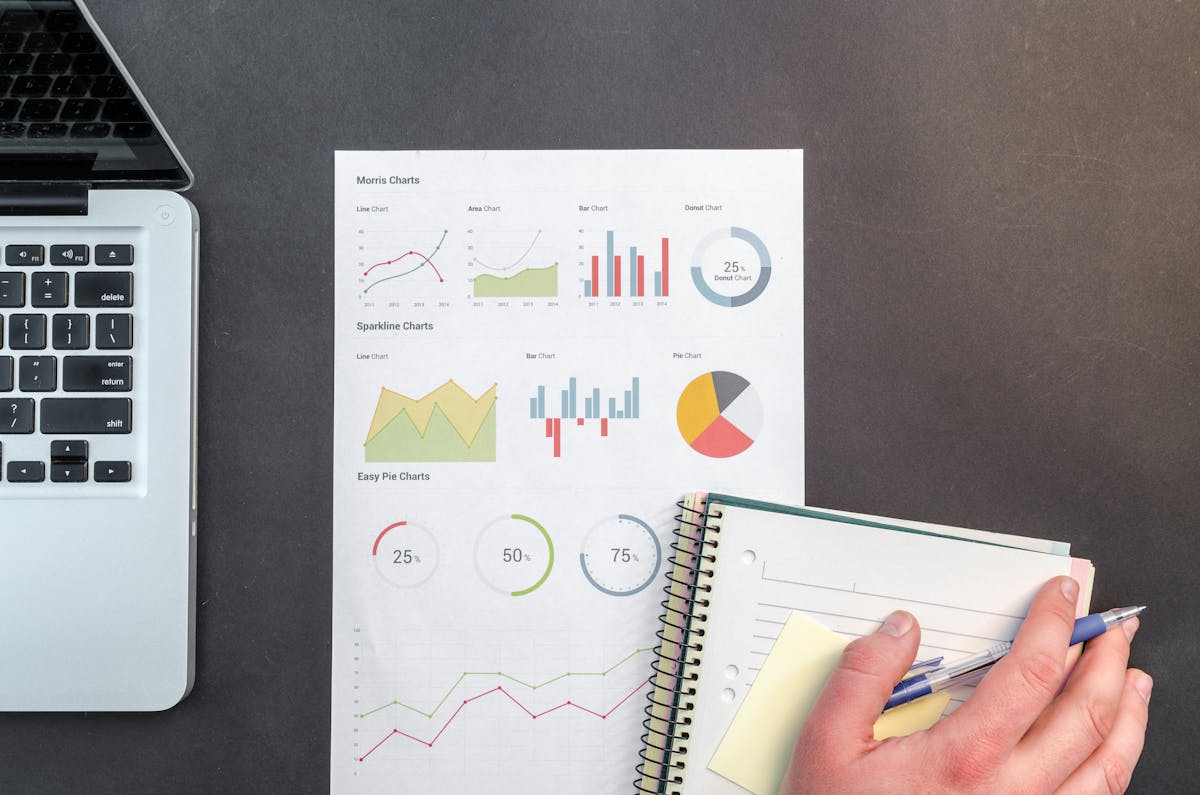
Streaming and social analytics make nostalgia waves visible in near real time. While exact figures vary, the patterns are remarkably consistent across platforms.
Common Quantitative Indicators
- Explosive daily stream growth for tracks released years ago (often 10x–100x vs. prior baseline).
- Shazam spikes in regions where a song is used in a major sync or meme.
- Social mention surges around a track title, lyric, or distinctive audio hook.
- Playlist velocity: rapid addition to user playlists and algorithmic “Viral” or “Rewind” lists.
| Metric | Pre‑Viral Baseline | Viral Phase (7–21 days) | Post‑Peak Plateau |
|---|---|---|---|
| Daily streams | 10k–50k | 500k–5M | 100k–500k |
| Shazam lookups | Low / steady | Up to 50x increase | Elevated vs. baseline |
| Social video uses (TikTok/Shorts) | Under 1k total | 100k–5M uses | Gradual tapering |
| Playlist adds | Primarily catalog / era playlists | Viral, “Today’s Top”, mood & workout lists | Stabilizes in mood & era playlists |
Data providers such as Chartmetric, Luminate, and platform dashboards (Spotify for Artists, Apple Music for Artists, YouTube Analytics) regularly highlight these catalog anomalies, helping teams respond quickly.
How Streaming Platforms Amplify Nostalgia Waves
Once an older song starts trending off‑platform, streaming services act as amplifiers, not just passive endpoints. Their algorithms and editorial teams convert social buzz into sustained listening behavior.
Key Streaming Surfaces That Boost Revivals
- Viral and “TikTok Songs” playlists: Capture tracks gaining external momentum and feed them to mainstream listeners.
- Automatic “song radios” and mixes: Recommend newly resurging catalog titles alongside contemporary hits.
- Era and mood playlists: “Throwback,” “2000s Hits,” “Teen Memories” lists where revived tracks can stick after the initial spike.
- Editorial storytelling: Playlist blurbs and articles that spotlight the backstory behind a track’s resurgence.
This integration effectively transforms a short‑form video meme into a multi‑week or even multi‑month revenue event for rights‑holders.
How Artists and Labels Are Engineering Nostalgia Revivals
Nostalgia waves are no longer purely organic accidents. Catalog and marketing teams increasingly try to engineer or at least steer these revivals.
Common Strategic Levers
- Targeted sync pitches: Actively pitching catalog for key scenes in streaming series, prestige films, and high‑profile games.
- Meme‑friendly remixes: Releasing sped‑up, slowed‑down, or hook‑extended versions optimized for short‑form video.
- Influencer campaigns: Partnering with creators to seed trends around existing catalog tracks.
- Artist‑led storytelling: Musicians reacting to TikToks, unpacking the history of their older songs, or performing live throwback versions.
- Tour setlist adjustments: Adding newly viral catalog tracks back into shows based on real‑time streaming and social data.
“Catalog is now seeing front‑line style marketing. The distinction between ‘old’ and ‘new’ music is collapsing in the age of social video and algorithmic listening.”

Actionable Frameworks for Artists, Managers, and Rights‑Holders
Nostalgia‑driven revivals are not fully predictable, but they are manageable. Below are structured approaches to increase your odds of catching and sustaining a wave.
1. Catalog Readiness Checklist
- Ensure clean, high‑quality masters and metadata for key catalog tracks.
- Upload short‑form friendly edits (clean intros, loopable hooks) where platforms allow multiple versions.
- Confirm lyrics are properly synced on major platforms to support lyric search and meme formats.
- Register tracks with Shazam and ensure accurate fingerprinting.
2. Always‑On Trend Monitoring
- Use tools like Chartmetric, Soundcharts, or internal dashboards to track anomalies in:
- Daily streams for catalog titles
- TikTok audio uses and saves
- Shazam and regional breakdowns
- Set alerts when:
- A catalog track crosses a threshold of new TikTok videos or Shorts per day.
- Week‑over‑week streams jump by more than a defined percentage (e.g., 200%+).
3. Rapid‑Response Playbook for Sudden Spikes
- Diagnose the source: Identify which meme, creator, or sync is driving the spike.
- Engage the origin community: Comment, duet, stitch, or share the original content from official accounts.
- Coordinate playlist outreach: Inform DSP reps and editorial teams about the trend’s context.
- Drop supporting content: Lyric videos, behind‑the‑scenes stories, stripped or live versions.
- Capture emails and follows: Use the attention window to build lasting fan relationships, not just passive streams.
Risks, Limitations, and Ethical Considerations
The nostalgia‑viral dynamic is powerful, but it comes with non‑trivial risks and constraints that serious professionals need to factor in.
- Volatility and short half‑life: Many trends peak in weeks. Building long‑term strategy on unpredictable virality is fragile.
- Attribution and rights complexity: Remixes, unofficial edits, and sped‑up versions can complicate revenue attribution and rights enforcement.
- Brand and context risks: Songs can be attached to memes that conflict with an artist’s desired image or values.
- Fan fatigue: Over‑exploiting a revived track with too many derivative versions can erode goodwill.
- Platform dependency: Heavy reliance on a single platform’s algorithm or trend cycles increases operational risk if the platform changes policies or decreases music emphasis.
Strategically, nostalgia waves should be treated as optionality—high‑upside, low‑predictability events that complement, but do not replace, disciplined release planning and tour‑driven growth.
The Future of Nostalgia Revivals in a Streaming‑First World
As streaming ecosystems mature and social platforms evolve, nostalgia‑driven revivals are likely to become even more systematized. Expect tighter integrations between short‑form video platforms and DSPs, better cross‑platform trend dashboards, and more deliberate catalog A&R focused on re‑activating dormant songs.
For artists, managers, and rights‑holders, the key is to:
- Treat catalog as an active portfolio, not a static archive.
- Invest in metadata, audio versions, and visual assets that are “meme‑ready.”
- Build cross‑functional workflows connecting sync, digital marketing, and data teams.
- Balance short‑term viral opportunities with durable fan and brand building.
In a landscape where time is fluid and every era coexists in one feed, any song can become “new” again if it intersects the right emotion, story, or trend. The players who win this era won’t just chase nostalgia; they’ll design systems that let them recognize and responsibly amplify it the moment it appears.
