
How Much Coffee Could Help Slow Aging? New Science Reveals a Surprising Twist
Can Your Daily Coffee Really Slow Aging? What the New Study Actually Says
If you lean on your morning coffee to get going—and maybe another cup (or two) to stay focused—you’re not alone. Now, a new study suggests that in a specific group of people, drinking up to four cups of coffee a day is linked to a younger biological age. That sounds exciting, but as always with health news, the details matter.
In this article, we’ll walk through what scientists actually found, why this research focused on people with severe mental health conditions, what “biological age” really means, and how you can use this information to make realistic, healthy choices about your own coffee habit—without expecting it to be a magic anti-aging cure.

“Coffee can be part of a healthy lifestyle for many people, but it’s not a stand‑alone anti‑aging treatment,” notes a preventive medicine specialist not involved in the study.
The Big Question: Can Coffee Really Slow Down Aging?
Headlines about “anti-aging coffee” can be confusing. Many people are already worried about aging faster than they’d like—especially if they live with chronic stress, mental health challenges, or sleep problems. When a study comes out linking coffee to “younger biological age,” it’s easy to hope that your latte is silently turning back the clock.
The study behind these headlines looked specifically at people living with severe mental health conditions, such as schizophrenia, bipolar disorder, or major depression. Researchers found that, in this group, those who drank up to four cups of coffee per day tended to have a lower biological age compared to those who drank less or no coffee.
That’s an important and encouraging finding for a population that is often at higher risk for physical health problems. But it does not mean:
- That coffee reverses aging
- That more coffee is always better
- That everyone should start drinking coffee for longevity
What Is Biological Age—and How Is It Different from the Age on Your ID?
Your chronological age is how many years you’ve been alive. Your biological age describes how “old” your cells and tissues appear based on measurable signs in your body, such as:
- Certain blood markers
- Patterns of DNA methylation (often called “epigenetic clocks”)
- Levels of inflammation and oxidative stress
- Function of organs like the heart, liver, and kidneys
In simple terms, someone who is 50 years old chronologically might have a biological age closer to 40—or 60—depending on their genetics, lifestyle, environment, and medical history.
The coffee study used accepted measures of biological age to estimate how quickly participants’ bodies were aging. Those who drank coffee within a certain range tended to look “biologically younger” than their non-coffee-drinking peers, even when they were the same chronological age.

Inside the Study: Coffee, Mental Health, and Aging
According to reporting from Prevention and related scientific sources, researchers examined people living with serious mental health conditions, a group that often faces higher rates of metabolic disease, cardiovascular problems, and premature mortality.
Within this population, they looked at:
- How much coffee people reported drinking per day
- Their biological age, calculated using laboratory and clinical markers
- Other lifestyle and health factors that could influence aging
The standout finding: Participants with mental health issues who drank up to four cups of coffee daily showed a lower biological age than those who drank less or none. The association appeared most pronounced in those who stayed within that moderate range.
An independent psychiatrist noted, “People with severe mental illness often have fewer protective lifestyle factors. If coffee offers even a small benefit for biological aging in this group, that’s worth paying attention to—alongside medication, therapy, and broader health support.”
Importantly, this was an observational study. That means it can spot relationships but cannot prove that coffee itself caused the difference in biological age.
Who Might Benefit Most from Coffee’s Anti-Aging Effects?
The study focused on individuals with conditions like schizophrenia, bipolar disorder, and major depressive disorder—groups that often face:
- Higher baseline inflammation
- Metabolic side effects from some psychiatric medications
- Greater barriers to regular exercise and healthy eating
- Chronic stress and disrupted sleep
In that context, coffee may offer several potential advantages:
- Antioxidant compounds in coffee may help counter oxidative stress.
- Mild stimulation and alertness could support daily functioning.
- Having a regular coffee routine can be a social and behavioral anchor—a small, predictable ritual in a life that may otherwise feel chaotic.
That said, coffee isn’t ideal for everyone with mental health concerns. In some people, caffeine can:
- Worsen anxiety or panic symptoms
- Disrupt sleep, which can destabilize mood
- Increase heart rate or blood pressure
How Much Coffee Are We Talking About? Understanding the “Up to 4 Cups” Guideline
In the study, the greatest benefit seemed to appear in people drinking up to four cups of coffee per day. That lines up with broader research in the general population, where 3–4 cups daily is often associated with lower risks of certain conditions like type 2 diabetes, liver disease, and some neurodegenerative disorders.
For context, major health organizations such as the U.S. Food and Drug Administration and the European Food Safety Authority generally consider up to 400 mg of caffeine per day safe for most healthy adults. That’s roughly:
- 4 small (8 oz / ~240 ml) cups of brewed coffee, or
- About 2 larger “coffee shop” size cups, depending on strength
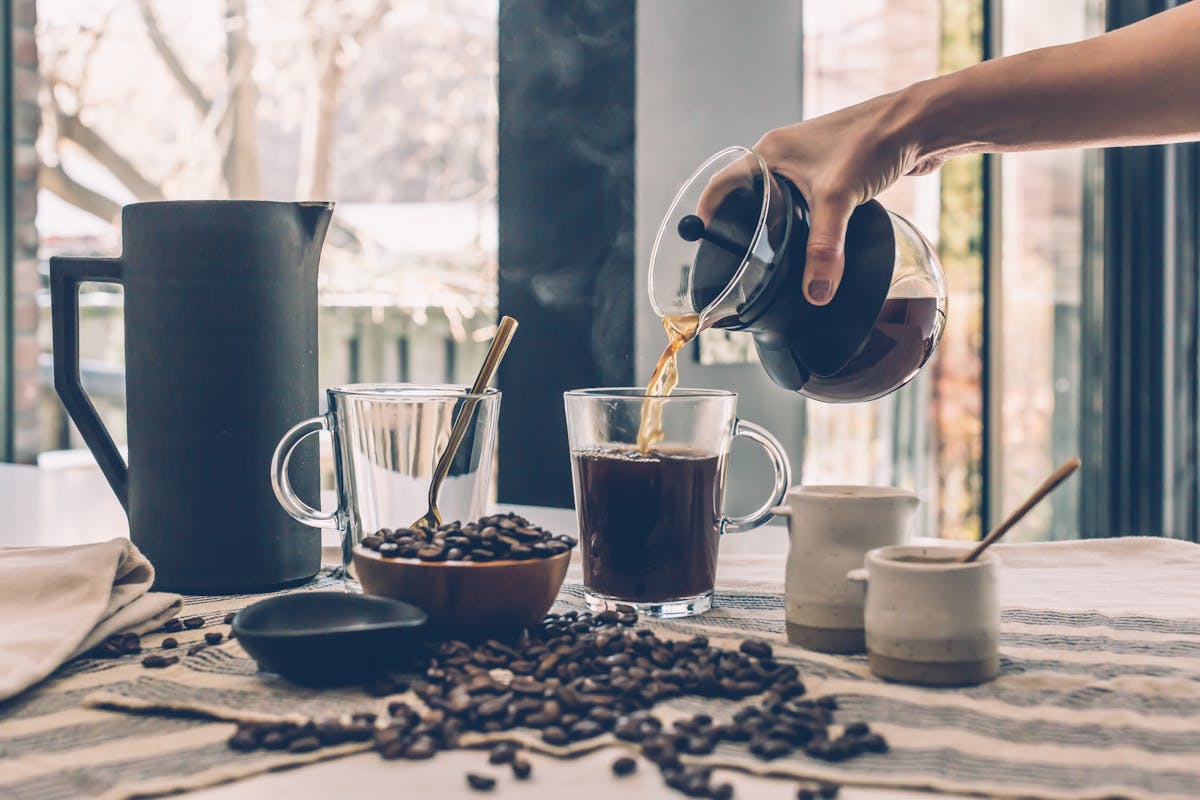
However, “up to four cups” is not a personal prescription. Your ideal amount may be lower based on:
- Sensitivity to caffeine (including anxiety or palpitations)
- Pregnancy or breastfeeding status
- Existing heart conditions or arrhythmias
- Medications that interact with caffeine
Why Might Coffee Be Linked to a Younger Biological Age?
Scientists are still unraveling exactly why coffee often shows up as “protective” in studies, but several mechanisms are likely at play:
- Rich in antioxidants: Coffee contains chlorogenic acids and other polyphenols that may help neutralize free radicals and reduce oxidative stress, a driver of accelerated aging.
- Anti-inflammatory effects: Moderate coffee intake has been associated with lower levels of certain inflammatory markers in large population studies.
- Metabolic benefits: Regular coffee drinking has been linked to improved insulin sensitivity and lower risk of type 2 diabetes in the general population—conditions closely tied to biological aging.
- Brain and mood effects: Caffeine blocks adenosine receptors in the brain, increasing alertness and sometimes improving perceived energy and motivation, which might indirectly support healthier habits.
In people with severe mental illness, where metabolic and inflammatory burdens tend to be higher, these effects could be especially meaningful—even if they are modest on their own.
How to Use This Research in Your Real Life (Without Overdoing It)
If you enjoy coffee and wonder what this means for your own health and aging, here’s a practical, science-aware approach.
1. Start with how coffee makes you feel
- Notice whether coffee leaves you calm and focused—or jittery, anxious, or wired.
- Track your sleep when you drink coffee later in the day; poor sleep can accelerate aging over time.
- If you have panic disorder, bipolar disorder, or PTSD, ask your clinician whether caffeine tends to interact with your symptoms.
2. Aim for a moderate, consistent routine
- Start with 1–2 cups in the morning and observe your response for at least a week.
- If tolerated, you could gradually increase to a maximum of 3–4 small cups spread out through the day, avoiding late‑evening intake.
- Match each cup of coffee with some water to support hydration.
3. Watch what you add to your cup
- Keep added sugar modest; high sugar intake can counteract many metabolic benefits.
- Use creamers and flavored syrups sparingly—they can quickly turn coffee into dessert.
- Try cinnamon, unsweetened cocoa, or a plant-based milk for flavor without a big sugar load.

Common Obstacles—and How to Handle Them Safely
Coffee is not risk‑free, especially if you already live with health challenges. Here are some common issues and practical workarounds.
1. Anxiety or racing thoughts
If coffee makes your mind race or triggers panic:
- Limit to 1 small cup in the early morning.
- Try half‑caf (mixing regular and decaf) or switch some cups to full decaf.
- Avoid combining caffeine with energy drinks or other stimulants.
2. Insomnia and disturbed sleep
Poor sleep can undo any tiny aging benefits coffee might offer. Consider:
- Cutting off caffeine at least 6 hours before bedtime (earlier if you’re sensitive).
- Switching to herbal tea or decaf coffee in the afternoon and evening.
- Creating a calming pre‑sleep routine that doesn’t rely on screens or stimulants.
3. Stomach or heartburn issues
Coffee can irritate the digestive system in some people:
- Try a low‑acid coffee or cold brew, which is often gentler.
- Avoid drinking coffee on an empty stomach.
- Talk to your clinician if you have reflux, ulcers, or inflammatory bowel disease.
Coffee Helps—but It’s Not Stronger Than the Basics
Even in a promising study like this, coffee is likely a supporting actor, not the star. When it comes to slowing biological aging—especially if you live with mental health conditions—the most powerful, evidence‑backed factors are still:
- Taking prescribed psychiatric and medical medications as directed
- Getting consistent, restorative sleep most nights
- Moving your body regularly, even in small, realistic ways
- Eating a varied diet rich in plants, lean proteins, and healthy fats
- Building supportive relationships and routines
- Managing alcohol, nicotine, and recreational drug use
Coffee may gently nudge some of these systems in a favorable direction, but it cannot override chronic sleep deprivation, heavy smoking, or uncontrolled disease. Think of it as one tool in a much larger self‑care toolkit.

The Bottom Line: Enjoy Your Coffee—Wisely and Without the Hype
The new study adds to a growing body of evidence suggesting that, for many adults—and particularly for some people living with serious mental health conditions—moderate coffee intake is not only safe but may be linked to a younger biological age.
At the same time, coffee is not a miracle anti‑aging drug. It’s a complex beverage with both benefits and downsides, and its impact will always depend on:
- How much you drink
- How your body and mind respond
- What else is happening in your health and your life
If you already enjoy coffee and tolerate it well, you likely don’t need to give it up—and you may even gain some subtle long‑term benefits. If you live with mental health conditions, consider talking with your care team about how coffee fits into your treatment plan rather than making big changes on your own.
Most of all, remember: your worth and your future health aren’t defined by a single habit or study. Aging well is about small, sustainable choices—including, if you like, the choice to sit down, take a breath, and savor a cup of coffee that supports both your body and your mind.
