
How K‑Pop Engineered a Global Virality Machine: Fandom Loops, Algorithm Mastery, and the Future of Digital Music
Executive Summary: How K‑Pop Became a Global Virality Engine
K‑Pop’s global expansion is not an accident; it is the result of a finely tuned content, fandom, and distribution machine optimized for social algorithms and participatory culture. Through high-frequency comebacks, teaser-driven storytelling, coordinated fandom campaigns, and platform-native content for YouTube, TikTok, and Spotify, K‑Pop has turned music releases into ongoing digital events that sustain long-tail engagement worldwide.
This article breaks down the mechanics behind K‑Pop’s global virality—from release strategy and fandom organization to reaction content, touring economics, and language accessibility—and outlines an actionable framework creators, labels, and entertainment brands can adapt for their own digital growth playbooks.
- Release cycles are engineered as multi-phase digital campaigns rather than single-drop events.
- Highly organized fandoms act as distributed marketing teams across platforms and languages.
- Reaction videos, dance challenges, and fancams create user-generated amplification loops.
- World tours and live stages fuel search spikes, ticket demand, and long-tail streaming.
- Subtitles, multilingual lyrics, and collabs reduce language friction and deepen global reach.
K‑Pop’s Global Momentum: Beyond Individual Hits
While specific groups and tracks rotate in and out of the charts, K‑Pop as a category maintains persistently high visibility across global platforms. On YouTube, for example, K‑Pop acts frequently occupy top positions in weekly music video rankings, and TikTok’s music-related trends regularly feature K‑Pop dance challenges and sound snippets. On Spotify, K‑Pop playlists and editorial hubs keep discovery pipelines active even between major releases.
The key insight: K‑Pop has evolved from a “genre” into a content ecosystem with its own norms, expectations, and engagement rituals. Comebacks, teasers, world tours, and fandom campaigns are all designed to maximize scroll-stopping moments and algorithmic favor.
| Dimension | K‑Pop Ecosystem Characteristic | Impact on Virality |
|---|---|---|
| Release Cadence | Frequent comebacks, mini-albums, and digital singles | Sustains constant visibility in feeds and charts |
| Pre‑Release Content | Teasers, concept films, highlight medleys | Builds anticipation and drives theory, reaction, and edit content |
| Fandom Coordination | Streaming parties, hashtag drives, vote campaigns | Creates synchronized traffic spikes that trigger recommendation systems |
| Format Strategy | Vertical shorts, dance challenges, variety cuts | Optimizes content for TikTok, YouTube Shorts, and Instagram Reels |
The K‑Pop Release Strategy: Turning Every Comeback into a Campaign
K‑Pop labels treat each comeback as a serialized campaign, not merely a release date. The lifecycle spans weeks of structured content drops engineered for maximum shareability and fan speculation.
1. Teasers, Concept Photos, and Highlight Medleys
Labels roll out concept photos, mood samplers, and snippet medleys in a staggered schedule. Each asset is visually distinct, instantly recognizable in feeds, and often optimized for vertical or square formats, allowing quick reposts and edits.
- Teaser images: Character- and narrative-driven visuals fuel theory threads and fan art.
- Concept films: Short videos hint at themes, generating reaction videos and breakdowns.
- Highlight medleys: Snippets of B‑sides encourage early bias toward specific tracks.
2. Multiple Music Video Versions and Edits
Often, the title track receives multiple visual treatments—standard MV, performance version, choreography-focused edits, and sometimes narrative alternates. Each version effectively resets the attention clock and gives fans new angles for edits and reactions.
3. Platform-Native Formatting
Content is specifically tailored to the logic of each platform:
- YouTube: Longer MVs, dance practices, and behind-the-scenes for watch-time and recommendations.
- TikTok & Reels: 10–30 second choreography hooks, facial close-ups, and meme-ready moments.
- Twitter/X & Weverse: High-res concept images and schedule posters for easy sharing.

“K‑Pop doesn’t drop a single; it launches a serialized content arc where every teaser and stage is a data point feeding fan engagement back into the algorithm.”
Fandom as a Distributed Marketing Engine
K‑Pop fandoms behave like globally coordinated marketing teams. They plan, execute, and iterate on campaigns with a level of sophistication that rivals professional digital agencies, turning passion into measurable impact on charts and trending lists.
Coordinated Streaming and Hashtag Campaigns
Fanbases organize streaming parties on YouTube and Spotify, often with detailed guides explaining how to avoid artificial streaming penalties (e.g., avoiding loops, clearing cache, watching full ads). Simultaneously, they run hashtag drives to push group and song names into real-time trending lists, especially on comeback day or tour announcements.
Voting Drives and Fan-Led Education
For music shows and award ceremonies, fandoms distribute tutorial graphics and multilingual instructions explaining how to vote on various platforms. New fans are onboarded into these routines via community-run accounts, Discord servers, and translation teams.
| Fandom Activity | Primary Goal | Virality Effect |
|---|---|---|
| Streaming Parties | Boost chart positions and first‑week numbers | Algorithmic boost from synchronized traffic spikes |
| Hashtag Campaigns | Trend group and song names | Increased discovery among casual scrollers |
| Fan Translation Teams | Lower language and context barriers | Broader international reach, longer content life |
| Guide & Tutorial Threads | Onboard new fans into streaming and voting rituals | Sustained engagement across eras and comebacks |
This highly systematized fandom behavior ensures that when a major group announces a comeback or world tour, related keywords rapidly climb trending dashboards, creating a feedback loop where curiosity from non-fans drives further reach and coverage.
Reaction Content, Dance Challenges, and the Participation Loop
K‑Pop thrives in an environment where audiences aren’t just viewers but active participants. Reaction channels, dance covers, and choreography challenges function as decentralized promotion, often reaching audiences far outside the Korean-language fan base.
Reaction and Commentary Channels
Non‑Korean creators recording first-time reactions to music videos, live stages, or variety content have become a distinct content vertical. These creators bridge cultural gaps by contextualizing visuals, performance styles, and narrative motifs for their local audience.
Dance Challenges and Choreography Breakdowns
Choreography is designed with signature moves that can be easily extracted into short-form content. Dance practice videos are released in clean, studio environments, making them ideal reference material for learners and challenge participants.
- Short, loopable hooks that fit within 10–20 seconds.
- Visually distinctive gestures or formations.
- Camera framing that easily translates to phone screens.

The result is a participation loop: official performance → dance practice → fan covers → challenge trends → renewed interest in the original track, which sustains streaming and social metrics long after the initial release window.
Tours, Live Performance, and Search Spikes
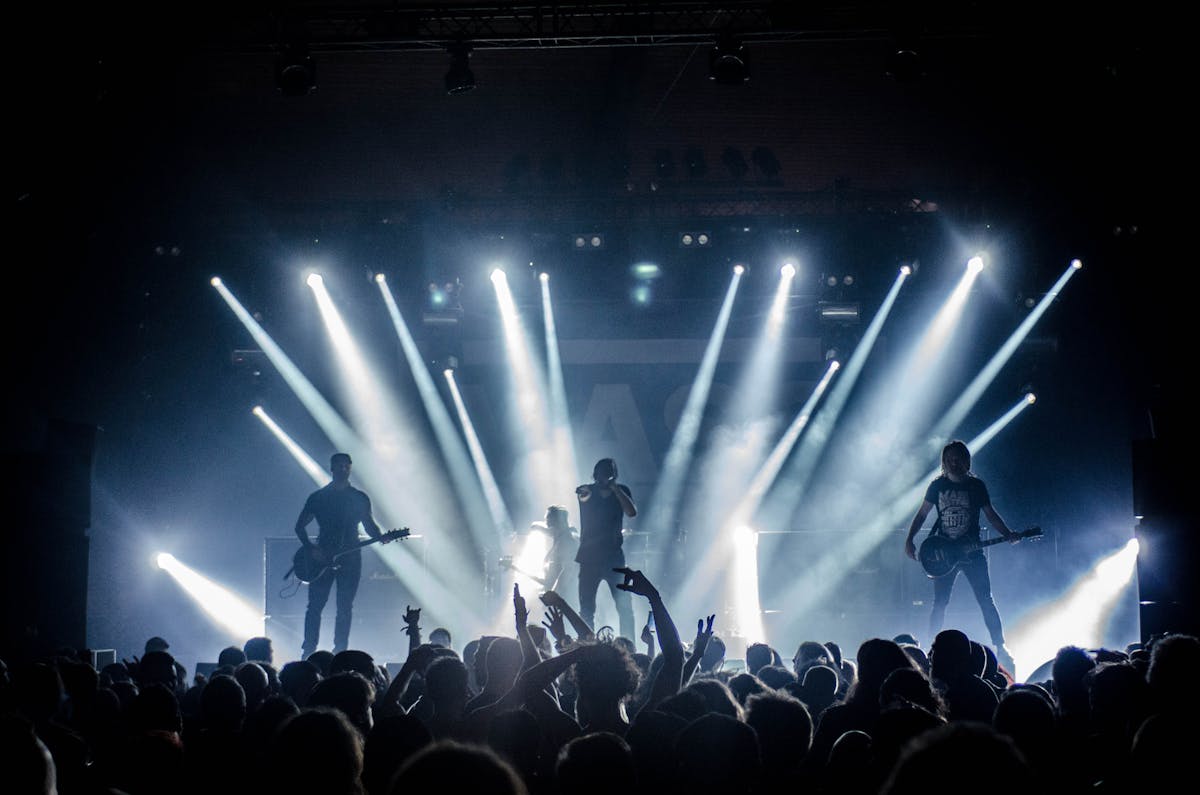
Live touring adds a powerful offline-on–online feedback loop. Announcements of world tours, festival spots, and arena shows trigger immediate spikes in search queries, ticket platform traffic, and local news coverage. Fans then generate on-site content—fancams, lightstick oceans, fan chants, and live vocal highlights—which circulate globally as free promotion.
The Fancam Effect
Individual member-focused fancams or specific moment clips often go viral independently of the official broadcast. This micro-focus allows different audience segments to latch onto a performance through a particular perspective, whether it’s choreography precision, facial expressions, or crowd interaction.
Tour Announcements as Content Arcs
Each leg of a world tour becomes a localized hype cycle: ticket drops, seat maps, VIP packages, and fan-organized events (cupsleeve events, fan projects, banner slogans) all generate additional content. Even after the tour concludes, “best moments” compilations and emotional retrospectives continue to surface in recommendation feeds.
Overcoming Language Barriers: Subtitles, Translations, and Multilingual Releases
One of K‑Pop’s most strategic moves has been to systematically reduce language friction. Where language could have been a limiting factor, it has instead become an aesthetic asset, layered with accessibility tools.
Subtitled Content and Fan Translators
Official subtitles, coupled with fan-led translation teams, ensure that music videos, variety content, and live streams are understandable to viewers worldwide. Many fans discover groups via auto-generated subtitles but stay because community translators add nuance, cultural notes, and contextual explanations.
English Versions and Multilingual Lyrics
Strategically released English versions—or songs that weave multiple languages into the lyrics—expand radio and playlist potential in Western markets. High-profile collaborations with Western artists and appearances on major TV programs introduce K‑Pop acts to casual listeners, who then explore deeper discographies.
As a result, language becomes less a barrier and more a distinctive brand element, with catchy Korean phrases themselves turning into memetic hooks across social platforms.
A Strategic Framework: Applying K‑Pop’s Virality Mechanics to Other Domains
Although K‑Pop’s ecosystem is unique, its underlying mechanics can inform strategies for creators, labels, and entertainment brands across genres and industries. The core playbook is about structured anticipation, participatory content, and community-led amplification.
Virality Framework Inspired by K‑Pop
- Design Serialized Release Arcs
Plan weeks of teasers, previews, and variations rather than a single launch. Each asset should be standalone and shareable. - Engineer Participation Moments
Create challenges, prompts, or templates that invite user-generated content—dance, covers, remixes, duets, or commentaries. - Activate and Educate the Community
Provide fans with clear, visual guides explaining how to support: where to stream, when to post, which hashtags to use. - Localize and Translate Strategically
Add subtitles, localized captions, and context explanations to reduce friction for global audiences. - Bridge Offline and Online
Treat events—tours, meetups, premieres—as content farms. Encourage attendees to capture and share specific moments.
Risks, Limitations, and Sustainability Concerns
The same intensity that powers K‑Pop’s growth also introduces structural challenges. For industry professionals and observers, it is important to consider sustainability and ethical dimensions.
- Content Overload: Rapid-fire comebacks and constant posting risk audience fatigue and may strain creators and production teams.
- Fandom Pressure: Highly competitive streaming and voting cultures can lead to burnout and financial stress among fans who feel obligated to continually “prove” support.
- Chart Manipulation Concerns: Some external observers debate where organized streaming crosses into artificial inflation, raising questions about metrics and fairness.
- Mental Health of Idols and Fans: Persistent public scrutiny, touring demands, and social media intensity can impact psychological well-being on both sides of the fandom relationship.
Any attempt to replicate K‑Pop’s model should therefore prioritize sustainable workloads, transparent communication with fans, and responsible expectations around engagement.
Conclusion: K‑Pop as a Blueprint for the Algorithmic Entertainment Era
K‑Pop’s global expansion is a case study in how to build an ecosystem tuned to the realities of algorithmic distribution and participatory fandoms. Through serialized release strategies, meticulously crafted visual content, and highly organized fan communities, K‑Pop maintains constant relevance in global search trends, social feeds, and streaming charts.
For creators, labels, and entertainment strategists, the lesson isn’t to copy K‑Pop’s aesthetics but to understand the underlying structure: anticipation, participation, localization, and community empowerment. Applied thoughtfully, these principles can support more resilient, engaged, and globally scalable audiences in any creative domain.
As platforms continue to evolve and short-form video becomes even more dominant, K‑Pop’s playbook will likely remain a reference point for how to design content ecosystems that are as much about fandom behavior as they are about the art itself.
