
How GLP‑1 Drugs Like Ozempic Are Changing Diet Culture (and What to Eat Instead of Just Eating Less)
Ozempic, GLP‑1 Drugs, and the New ‘Ozempic Diet’ Culture
GLP‑1 weight‑loss medications like Ozempic, Wegovy, Mounjaro, and Zepbound have leapt from endocrinology clinics into everyday conversation, reshaping how people think about hunger, dieting, and long‑term health. Alongside dramatic before‑and‑after photos, a quieter but crucial story is unfolding: how to nourish a body whose appetite signals have been radically turned down—without sacrificing muscle, energy, or joy in eating.
Instead of another “what I eat in a day” fad, this new GLP‑1 era is nudging diet culture toward more nuanced questions: How do these drugs work? Why is protein suddenly everywhere? What happens when you stop? And how can you build a way of eating that feels good, supports your health, and is actually sustainable—whether you’re on a GLP‑1 now, considering one, or transitioning off?
Why Ozempic and GLP‑1 Drugs Are Reshaping Diet Culture
GLP‑1 agonists were originally developed to help manage blood sugar in type 2 diabetes. Their powerful effect on appetite—and on weight—has turned them into headline news and fueled a new kind of “Ozempic diet” conversation online.
1. Celebrity and Influencer Use
Red carpets and social media feeds are now dotted with speculation about the “Ozempic body.” When recognizable figures casually reference injections, it normalizes GLP‑1 use and makes many people wonder: Is this just the new way to lose weight?
That curiosity spills into search bars with phrases like “Ozempic diet plan” and “what to eat on Ozempic.”
2. Rapid, Visible Weight Loss
Before‑and‑after photos on TikTok, Instagram, and YouTube travel fast. For some, GLP‑1s feel like a dramatic shortcut after years of frustrating diets. But the camera doesn’t show what’s happening beneath the surface: shifts in lean muscle, metabolism, gut health, and sometimes a complicated emotional relationship with food.
3. Side Effects and Nutrient Concerns
These medications slow gastric emptying and blunt appetite. Many users can only handle a few bites at a time, especially in the early months. That small shift changes everything:
- Meals shrink dramatically.
- Protein intake often drops without planning.
- Constipation and nausea can make vegetables and heavier foods unappealing.
This is why so many registered dietitians and obesity specialists are jumping into the conversation: to help people eat less volume without eating less nutrition.
How GLP‑1 Medications Change Hunger, Digestion, and Eating Patterns
GLP‑1 (glucagon‑like peptide‑1) is a hormone your body naturally makes. Medications like Ozempic and Wegovy mimic or enhance its action. In simple terms, they:
- Slow stomach emptying – food lingers longer, so you feel fuller with less.
- Calm appetite centers in the brain – cravings and “food noise” often quiet down.
- Help stabilize blood sugar – less of the roller coaster that drives overeating for some people.
Many users describe it as suddenly being able to stop when they’re satisfied instead of battling to stay “on plan.” But there’s a catch: when hunger cues fade, it becomes much easier to under‑eat important nutrients—especially protein, fiber, and certain vitamins and minerals.
The New GLP‑1 Nutrition Priorities: Protein, Fiber, and Gentle Fuel
Scroll through “Ozempic diet” content and you’ll see the same words over and over: protein, fiber, gut health, and small, nutrient‑dense meals. This isn’t just a fad vocabulary—it reflects real physiological needs when your appetite shrinks.
Protein Prioritization to Protect Muscle
Rapid weight loss can mean losing muscle as well as fat. That matters for:
- Keeping your metabolism higher
- Supporting strength, mobility, and bone health
- Improving long‑term weight maintenance after stopping the medication
Many dietitians now suggest most adults on GLP‑1s consider around 1.6–2.2 g of protein per kilogram of body weight per day, depending on health status and medical advice. In everyday food terms, that might look like:
- Greek yogurt or skyr with berries and seeds
- Cottage cheese with fruit or whole‑grain crackers
- Eggs or tofu scrambles with vegetables
- Grilled chicken, fish, tempeh, or lentils in salads or grain bowls
- Protein shakes or smoothies on days when solid food feels difficult
Small, Nutrient‑Dense Meals
When just a few bites fill you up, every bite matters. Many GLP‑1 eaters shift from three large meals to:
- 4–6 small meals or snacks per day
- Each with a balance of protein, fiber, and healthy fats
- Soft or blended textures when nausea or early fullness hits
Think creamy blended soups, smoothie bowls, egg bites, and small bowls of beans and grains more than giant salads or heavy restaurant portions.
Fiber, Gut Health, and Constipation
Slower digestion plus lower food volume can mean constipation. To support your gut:
- Include fiber‑rich foods like berries, oats, chia and flax seeds, beans, lentils, and vegetables.
- Drink enough water—many people feel less thirsty and unintentionally under‑hydrate.
- Some find benefit from fermented foods or a probiotic, in consultation with a healthcare provider.
Alcohol, Blood Sugar, and Stable Energy on GLP‑1s
Another big theme in the GLP‑1 conversation is how these drugs interact with alcohol and blood sugar. Because these medications can reduce appetite and alter how quickly food leaves the stomach, drinking on an almost‑empty system can feel very different.
- Alcohol may hit harder when you’re eating less overall.
- Going long stretches without food then drinking can destabilize blood sugar for some people.
- Sugary drinks and desserts might feel especially unpleasant if nausea is already an issue.
More nutrition professionals online are encouraging:
- Moderation or avoidance of alcohol, especially early in treatment.
- Balanced “anchor” meals with protein, fiber, and healthy fats before social events.
- Fewer ultra‑processed, high‑sugar snacks that can worsen energy crashes.
Eating for stable energy on GLP‑1s is less about perfection and more about rhythm: regular, nourishing bites that keep your blood sugar and your mood on an even keel.
Life After Ozempic: Off‑Ramp Diets, Muscle, and Maintenance
A growing sub‑trend is all about what happens after stopping GLP‑1 drugs. Many people worry: Will the weight just come back?
Research and real‑world experience suggest that without behavior and lifestyle support, some weight regain is common. But that’s not the end of the story.
Why Maintenance Is So Tricky
When you’ve lost weight—especially quickly—your body often burns fewer calories than before at the same weight. If you also lost muscle, that effect is stronger. Once GLP‑1s are removed and hunger signals return, it may feel like your appetite is “too big” for your new body, even if it’s actually your physiology trying to find a new balance.
The New Focus: Muscle and Sustainable Patterns
Many clinicians, trainers, and dietitians now talk about an “off‑ramp” plan that includes:
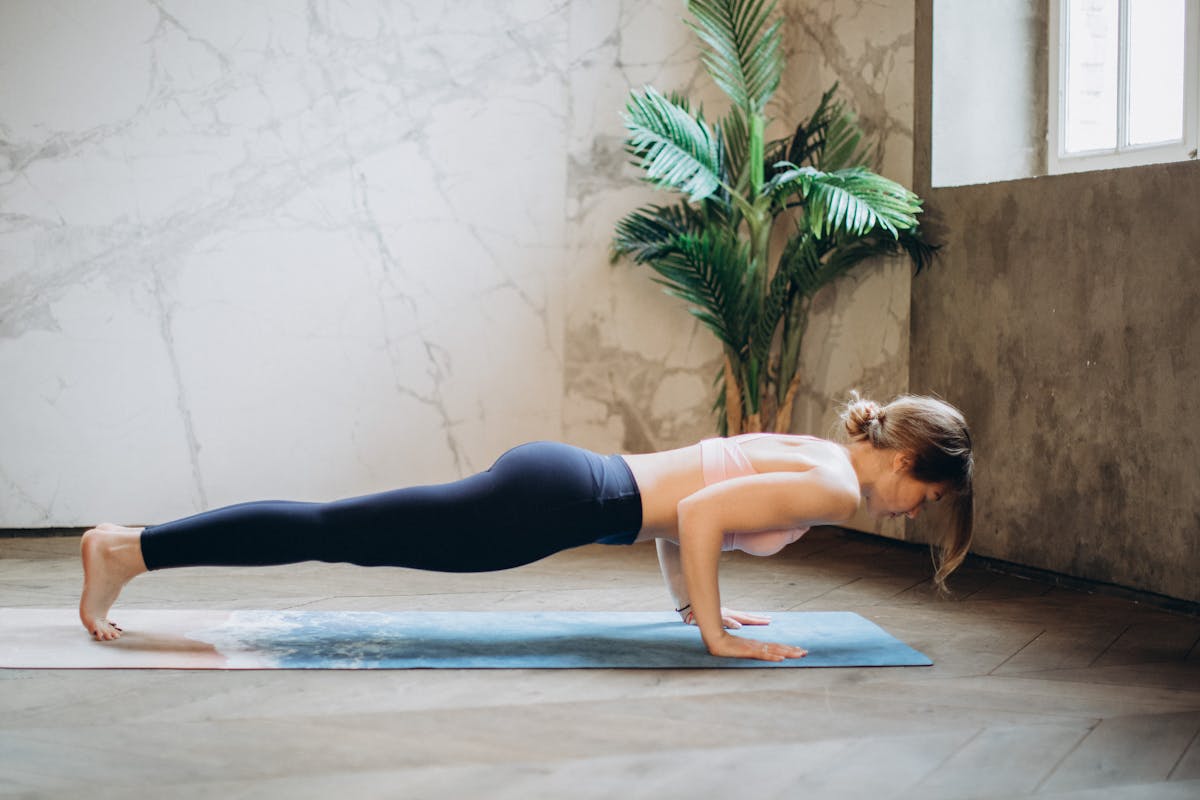
- Resistance training 2–4 times per week to rebuild or protect muscle.
- High‑protein, Mediterranean‑leaning meals with plenty of plants and healthy fats.
- Realistic calorie levels rather than chronic, extreme restriction.
- Ongoing mental health support for body image and emotional eating patterns.
A GLP‑1 Friendly High‑Protein Power Bowl (Recipe)
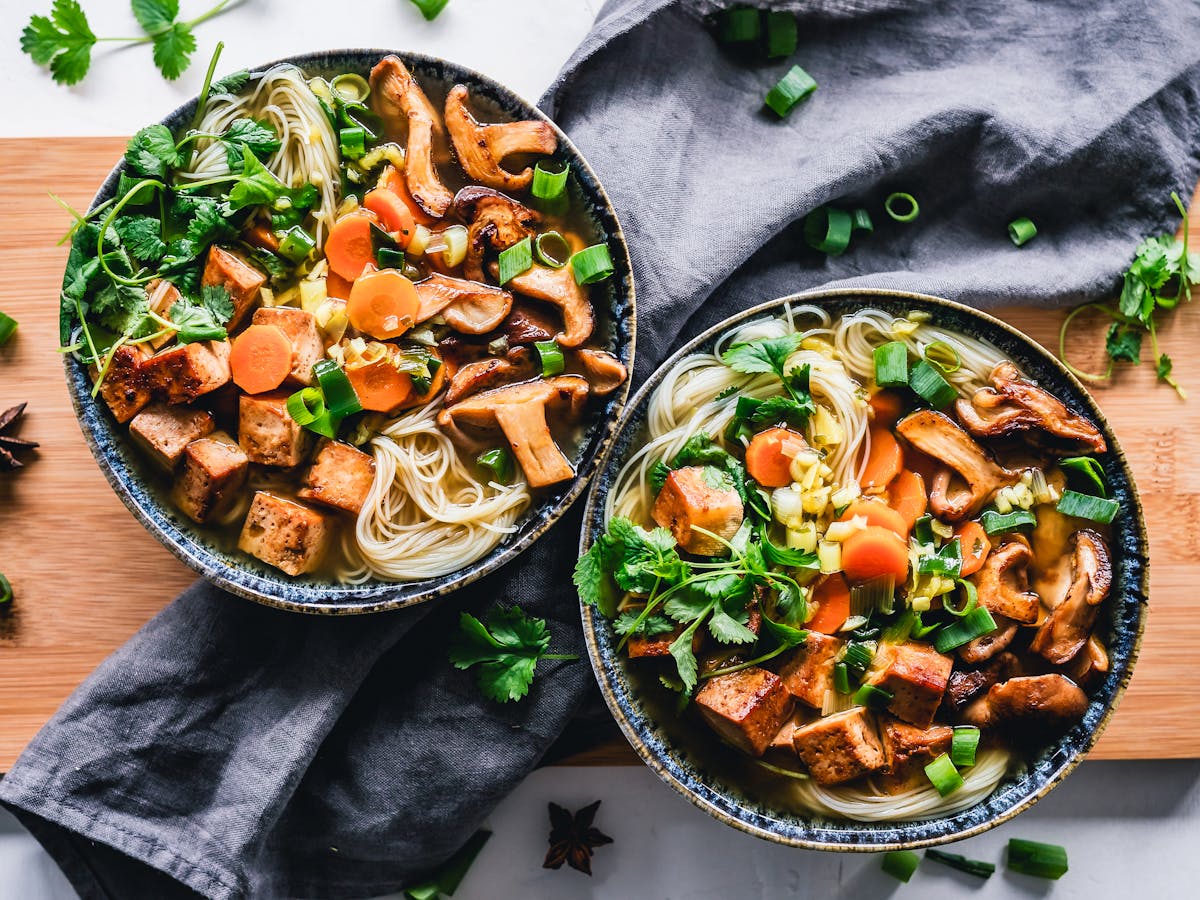
To bring all these ideas together, let’s build a simple, flexible, and delicious meal: a High‑Protein Mediterranean Power Bowl. It’s designed for GLP‑1 users but works beautifully for anyone who wants a satisfying, nutrient‑dense bowl that’s gentle on digestion and easy to portion.
Recipe Quick Facts
Prep time: 15 minutes
Cook time: 20 minutes
Total time: ~35 minutes
Servings: 4 bowls (or 6 smaller GLP‑1‑sized portions)
Difficulty: Easy
Dietary: High‑protein, high‑fiber, gluten‑free option
Ingredients for the High‑Protein Mediterranean Power Bowl
These amounts make four full bowls. If you’re on a GLP‑1 and eat smaller portions, think of it as meal‑prep for 5–6 mini bowls instead.
Base (Grains or Grain‑Free)
- 1 cup dry quinoa or brown rice, rinsed (about 3 cups cooked)
- Gluten‑free option: Choose certified gluten‑free grains or use 3 cups riced cauliflower instead.
Protein Choices
- 500 g (about 1.1 lb) boneless, skinless chicken breast or firm tofu, cut into bite‑sized pieces
- 1 can (400 g / 14 oz) chickpeas, drained and rinsed
- 2 tbsp olive oil (for cooking)
- 1 tsp smoked or sweet paprika
- 1 tsp dried oregano
- 1/2 tsp ground cumin
- 1/2 tsp garlic powder
- 1/2 tsp salt (adjust to taste)
- Freshly ground black pepper, to taste
Vegetables and Add‑Ins
- 1 cup cherry tomatoes, halved
- 1 medium cucumber, diced
- 1 small red bell pepper, diced
- 1 small red onion, finely chopped (or use spring onions for a milder flavor)
- 1 cup baby spinach or mixed salad greens, roughly chopped
- 2 tbsp chopped fresh parsley or cilantro
Creamy Yogurt‑Lemon Dressing
- 3/4 cup plain Greek yogurt (2% or 5% for extra creaminess)
- 2 tbsp extra‑virgin olive oil
- Juice of 1 lemon (about 3 tbsp)
- 1 small garlic clove, finely grated or minced
- 1 tsp Dijon mustard (optional, for tang)
- 1/4–1/2 tsp salt, to taste
- 2–3 tbsp water, to thin to drizzle consistency
Optional Toppings (Extra Flavor & Healthy Fats)
- 1/4 cup crumbled feta (or dairy‑free feta‑style cheese)
- 2 tbsp toasted pumpkin seeds, sunflower seeds, or chopped nuts
- 1 tbsp chia or ground flax seeds (for fiber and omega‑3s)
Equipment and Tools
- Medium saucepan (for grains)
- Large nonstick skillet or sauté pan
- Mixing bowl (for dressing)
- Cutting board and sharp knife
- Measuring cups and spoons
- Fork or whisk (for dressing)
- 4 medium bowls (or several small containers if meal‑prepping mini portions)
Step‑by‑Step Instructions (With GLP‑1 Adjustments)
Cook the grains.
Rinse 1 cup quinoa or brown rice. Add to a saucepan with 2 cups water and a pinch of salt. Bring to a boil, then reduce heat, cover, and simmer until tender (about 15 minutes for quinoa, 30–35 for brown rice). Fluff with a fork and let it sit, covered, for 5 minutes.Season the protein and chickpeas.
In a bowl, toss chicken or tofu pieces and chickpeas with 2 tbsp olive oil, paprika, oregano, cumin, garlic powder, salt, and pepper until evenly coated.Cook the protein.
Heat a large nonstick skillet over medium heat. Add the seasoned chicken/tofu and chickpeas. Cook, stirring occasionally, until the protein is cooked through and lightly browned (8–10 minutes for chicken, slightly less for tofu). If needed, add a splash of water to prevent sticking.Prepare the vegetables.
While the protein cooks, chop tomatoes, cucumber, bell pepper, onion, and greens. If raw onion is too intense for you, rinse the chopped onion under cold water and pat dry—it softens the bite.Make the yogurt‑lemon dressing.
In a small bowl, whisk together Greek yogurt, olive oil, lemon juice, garlic, Dijon (if using), salt, and 2 tbsp water. Add more water a spoonful at a time until it drizzles easily. Taste and adjust seasoning.Assemble the bowls.
Divide the cooked grains among 4 bowls (or smaller portions if needed). Top with the warm protein and chickpeas, then arrange the chopped vegetables and greens around the bowl. Sprinkle with herbs.Add toppings and serve.
Finish each bowl with a drizzle of the yogurt‑lemon dressing, then add feta, seeds, or nuts if you’d like. For GLP‑1‑sized portions, start with a small bowl or ramekin and just a few spoonfuls of each component.

Ingredient Substitutions and Dietary Adaptations
For Vegetarian or Vegan Bowls
- Use tofu or tempeh instead of chicken.
- Double the chickpeas or add lentils for extra plant protein.
- Swap Greek yogurt for a thick, unsweetened plant yogurt (soy or pea‑protein yogurts are usually higher in protein).
- Skip feta or use a dairy‑free alternative.
For Gluten‑Free Eating
- Use quinoa, brown rice, or certified gluten‑free grains.
- Check labels on mustard and any seasonings if you’re highly sensitive.
For Lower‑FODMAP Needs
- Limit or omit onion and garlic; use garlic‑infused oil instead of fresh garlic.
- Test tolerance with small portions of chickpeas or swap for firm tofu.
- Use cucumber, bell peppers, and greens as your primary vegetables.
Storage, Meal Prep, and Reheating Tips
This bowl is ideal for gentle, flexible meal prep—helpful when your appetite can change from day to day on GLP‑1s.
Refrigeration
- Store grains, protein, chopped vegetables, and dressing separately in airtight containers.
- Refrigerate for up to 3–4 days.
- Keep toppings like seeds and nuts at room temperature in a sealed jar.
Reheating
- Warm grains and protein gently in the microwave or a skillet with a tablespoon of water.
- Keep vegetables and dressing cold for a nice contrast in texture and temperature.
- If reheated food feels heavy, serve the bowl more at room temperature.
Portion Ideas for GLP‑1 Users
- Build half‑portions in small bowls or jars—visually satisfying without pressure to “finish a full plate.”
- Start with 3–4 spoonfuls of each component; if you’re comfortable after a few minutes, add a bit more.
- Pair very small bowls with a protein‑rich snack later rather than forcing larger meals.
Serving Suggestions and Complementary Dishes
You can enjoy this bowl exactly as it is, or nestle it into a broader GLP‑1 friendly meal plan built around small, nourishing portions.
Light, High‑Protein Add‑Ons
- A small bowl of Greek yogurt with berries and chia seeds
- A protein smoothie with spinach, frozen fruit, and fortified plant milk
- Egg bites or a mini tofu frittata for breakfast or snacks
Soothing Sides for Sensitive Days
- Blended vegetable soups with lentils or white beans
- Soft oatmeal made with milk or soy milk and a scoop of protein powder
- Mashed sweet potato with Greek yogurt or silken tofu stirred in
Beyond the “Ozempic Diet”: Building a Kinder, Evidence‑Based Food Culture
As GLP‑1 medications become more common, the conversation is finally widening beyond “magic injection” stories to include muscle health, mental health, and long‑term patterns. Registered dietitians, obesity specialists, and fitness coaches are using short‑form videos and in‑depth podcasts to translate research into practical, compassionate guidance.
At its best, this new era can move us away from shame‑based dieting and toward a more collaborative mindset: medication as one tool among many, alongside nourishing food, joyful movement, and emotional support.
Whether you’re on Ozempic or another GLP‑1, considering it, or simply curious, the same gentle principle applies: feed your body enough, protect your muscles, care for your gut, and let food be both fuel and pleasure. Even if your appetite is whisper‑quiet right now, your body still deserves to be well‑fed.
Recipe Structured Data (for SEO and Accessibility)
The following JSON‑LD snippet describes the High‑Protein Mediterranean Power Bowl in a way search engines can understand. It is included here for transparency and can be embedded in the site’s head or body as appropriate.
{
  "@context": "https://schema.org/",
  "@type": "Recipe",
  "name": "High-Protein Mediterranean Power Bowl (GLP-1 Friendly)",
  "description": "A high-protein, high-fiber Mediterranean-style bowl designed to be gentle, satisfying, and nutrient-dense for people using GLP-1 medications like Ozempic and Wegovy, as well as anyone seeking a balanced, easy meal-prep option.",
  "keywords": "Ozempic diet, GLP-1 friendly recipe, high protein bowl, Mediterranean bowl, weight loss nutrition, Wegovy meal idea",
  "author": {
    "@type": "Person",
    "name": "House Writer"
  },
  "recipeCuisine": "Mediterranean",
  "recipeCategory": "Main course",
  "recipeYield": "4 bowls (or 6 smaller portions)",
  "prepTime": "PT15M",
  "cookTime": "PT20M",
  "totalTime": "PT35M",
  "nutrition": {
    "@type": "NutritionInformation",
    "servingSize": "1 bowl (approx. 1/4 of recipe)",
    "proteinContent": "25-35 g (approximate, depending on protein choice)"
  },
  "recipeIngredient": [
    "1 cup dry quinoa or brown rice, rinsed (about 3 cups cooked)",
    "500 g boneless, skinless chicken breast or firm tofu, cut into bite-sized pieces",
    "1 can (400 g / 14 oz) chickpeas, drained and rinsed",
    "2 tbsp olive oil",
    "1 tsp smoked or sweet paprika",
    "1 tsp dried oregano",
    "1/2 tsp ground cumin",
    "1/2 tsp garlic powder",
    "1/2 tsp salt plus more to taste",
    "Freshly ground black pepper, to taste",
    "1 cup cherry tomatoes, halved",
    "1 medium cucumber, diced",
    "1 small red bell pepper, diced",
    "1 small red onion, finely chopped",
    "1 cup baby spinach or mixed salad greens, roughly chopped",
    "2 tbsp chopped fresh parsley or cilantro",
    "3/4 cup plain Greek yogurt",
    "2 tbsp extra-virgin olive oil",
    "Juice of 1 lemon (about 3 tbsp)",
    "1 small garlic clove, finely grated or minced",
    "1 tsp Dijon mustard (optional)",
    "1/4–1/2 tsp salt, to taste",
    "2–3 tbsp water, to thin",
    "1/4 cup crumbled feta (optional)",
    "2 tbsp toasted pumpkin or sunflower seeds or chopped nuts (optional)",
    "1 tbsp chia or ground flax seeds (optional)"
  ],
  "recipeInstructions": [
    {
      "@type": "HowToStep",
      "text": "Cook the grains: Rinse 1 cup quinoa or brown rice. Add to a saucepan with 2 cups water and a pinch of salt. Bring to a boil, then reduce heat, cover, and simmer until tender. Fluff with a fork and rest."
    },
    {
      "@type": "HowToStep",
      "text": "Season the protein and chickpeas: Toss chicken or tofu pieces and chickpeas with olive oil, paprika, oregano, cumin, garlic powder, salt, and pepper."
    },
    {
      "@type": "HowToStep",
      "text": "Cook the protein: Heat a nonstick skillet over medium heat. Add seasoned protein and chickpeas. Cook until the protein is cooked through and lightly browned, 8–10 minutes."
    },
    {
      "@type": "HowToStep",
      "text": "Prepare the vegetables: Chop tomatoes, cucumber, bell pepper, onion, and greens. Rinse onion under cold water if you prefer a milder taste."
    },
    {
      "@type": "HowToStep",
      "text": "Make the dressing: Whisk together Greek yogurt, olive oil, lemon juice, garlic, Dijon (if using), salt, and water until smooth and drizzleable. Adjust seasoning."
    },
    {
      "@type": "HowToStep",
      "text": "Assemble the bowls: Divide grains among 4 bowls. Top with warm protein and chickpeas, arrange the vegetables and greens, and sprinkle with herbs."
    },
    {
      "@type": "HowToStep",
      "text": "Add toppings and serve: Drizzle with yogurt-lemon dressing. Add feta, seeds, or nuts if desired. Adjust portion sizes smaller for GLP-1 users as needed."
    }
  ],
  "image": [
    "https://images.pexels.com/photos/3026808/pexels-photo-3026808.jpeg?auto=compress&cs=tinysrgb&w=1200"
  ]
}
