
How Crypto Traders Use ‘Study With Me’ Focus Routines to Dominate Volatile Markets
Short-form and live study-with-me content, originally popular among students, is now being adopted by crypto traders and blockchain professionals as a deep-focus tool to improve research quality, trading discipline, and on-chain analysis. By combining ambient accountability, structured time-boxing, and data-driven workflows, market participants can enhance decision-making, reduce impulsive trades, and build sustainable productivity in a 24/7 crypto environment.
Executive Summary: Deep-Focus Content Meets 24/7 Crypto Markets
Crypto markets never sleep, which makes focus, consistency, and cognitive endurance as critical as capital. In parallel, short‑form and live “study with me” videos—timed deep‑work sessions accompanied by lo‑fi music and minimal talking—are exploding on platforms like TikTok, YouTube, and Twitch as tools for accountability and concentration.
This article explores how traders, on-chain analysts, DeFi power users, and Web3 builders can deliberately integrate study‑with‑me and deep‑focus formats into their workflow to gain an edge. We translate this broader content trend into concrete strategies for:
- Structuring research and trading sessions around time-boxed, distraction-free work
- Designing a “focus stack” that combines timers, market dashboards, and on-chain analytics
- Reducing emotional and impulsive trading by building repeatable routines
- Using metrics and logs to track research throughput and decision quality over time
Instead of chasing alpha through speculation or rumors, this framework focuses on process alpha: systematically better research, risk management, and execution.
From Niche Streams to Mainstream Productivity Infrastructure
Study‑with‑me content began as niche livestreams: university students streaming multi‑hour exam prep sessions with a webcam, desk view, and simple timer. Over the last few years, it has scaled into a cross‑platform phenomenon:
- YouTube: 2–10 hour livestreams and VODs labeled “Lo‑Fi Study With Me,” “Focus Room,” or “Virtual Library.”
- TikTok & Reels: 30–90 second aesthetic clips showing sped‑up study montages, task lists, or Pomodoro timers.
- Twitch: Co‑working and “Just Chatting” focus streams, some branded as “deep work” or “quiet coworking.”
The format is simple but powerful: a timer, a quiet creator, minimal speaking, non‑intrusive music, and a clear focus frame such as “3 hours of writing,” “coding session,” or “exam prep.” Viewers press play, mirror the structure, and work alongside the creator.
Ambient accountability—publicly committing to work alongside others—can materially increase persistence on cognitively demanding tasks, especially for individuals prone to distraction.
For crypto professionals, that same ambient accountability can be redirected from textbook reading to market review, protocol due diligence, and structured portfolio maintenance.
Why Crypto Specifically Needs Deep‑Focus Routines
Bitcoin, Ethereum, and the broader digital asset market trade 24/7, across centralized exchanges and decentralized finance (DeFi) protocols. That always‑on structure creates unique cognitive and operational stress:
- Constant information flow: On-chain data, governance proposals, token listings, macro news, and security incidents.
- High volatility: Rapid price swings that encourage reactive, short‑term behavior.
- Fragmented data stack: Traders juggle CEX order books, DEX liquidity, NFT floors, and L2 gas metrics.
- Execution risk: Mistakes in smart contract interactions, bridging, or leveraged positions can be irreversible.
Without intentional focus, most participants end up doom‑scrolling charts and Crypto Twitter instead of performing structured research or improving strategy.
Deep‑focus and study‑with‑me methodologies give crypto market participants a lightweight operating system for:
- Planning sessions in advance (what will be researched or executed)
- Time‑boxing complex tasks like tokenomics analysis or smart contract review
- Reducing screen‑jumping between exchanges, DeFi dashboards, and social feeds
- Preserving mental bandwidth for high‑impact decisions instead of constant micro‑decisions
How the Study‑With‑Me Format Evolved (And Why It Matters for Trading)
The modern deep‑focus ecosystem spans multiple content types and tools:
Long‑Form Streams: The “Virtual Trading Desk” Analogy
On YouTube, it’s common to see “10‑hour study with me” or “Live MCAT study room” streams where chats function as virtual libraries. For crypto, the equivalent could be:
- “4‑hour DeFi research session: stablecoin risk analysis”
- “Live on‑chain data review: L2 activity and bridged liquidity”
- “Quiet trading desk: weekly portfolio rebalance and yield audit”
The format encourages:
- Structured blocks: E.g., 3–5 Pomodoros of 25 minutes each devoted to one protocol or sector.
- Progress tracking: On‑screen task lists and check‑ins after each block.
- Peer accountability: Viewers share their own goals in chat.
Short‑Form Clips: Micro‑Accountability for Quick Tasks
On TikTok and Instagram Reels, the format is bite‑sized: a montage of a 25‑minute study sprint compressed into 30 seconds, paired with an on‑screen timer or checklist.
For crypto practitioners, this maps nicely onto:
- “25‑minute BTC macro review”
- “L2 gas and throughput check across Arbitrum, Optimism, Base, zkSync”
- “Quick DEX liquidity scan on Uniswap, Curve, and Balancer”
Short‑form clips are especially helpful for:
- Triggering a focused sprint without committing to multi‑hour streams
- Building daily micro‑habits like morning market open reviews and end‑of‑day logs
- Exposing newer market participants to the idea of process over prediction
Audio Layer: Lo‑Fi Meets Order Books
Lo‑fi hip‑hop, ambient electronic, and soft piano playlists are staples of study‑with‑me content. In crypto contexts, non‑intrusive music can reduce stress during volatile trading windows and help maintain cognitive flow while navigating analytics dashboards like Glassnode, Nansen, or DeFiLlama.
Some creators even release branded focus playlists or noise profiles (e.g., synthetic café noise, keyboard typing) that traders can anchor specific routines to, such as “portfolio review playlist” or “DeFi risk audit soundtrack.”
Trend Visualization: Productivity Content vs. Crypto Market Interest
Although precise numbers vary by platform and date, search and view patterns show that interest in focus content and crypto trading often spikes together around:
- New calendar years (goal setting, productivity resets)
- Major BTC or ETH volatility events
- Back‑to‑school periods when students also trade or explore Web3
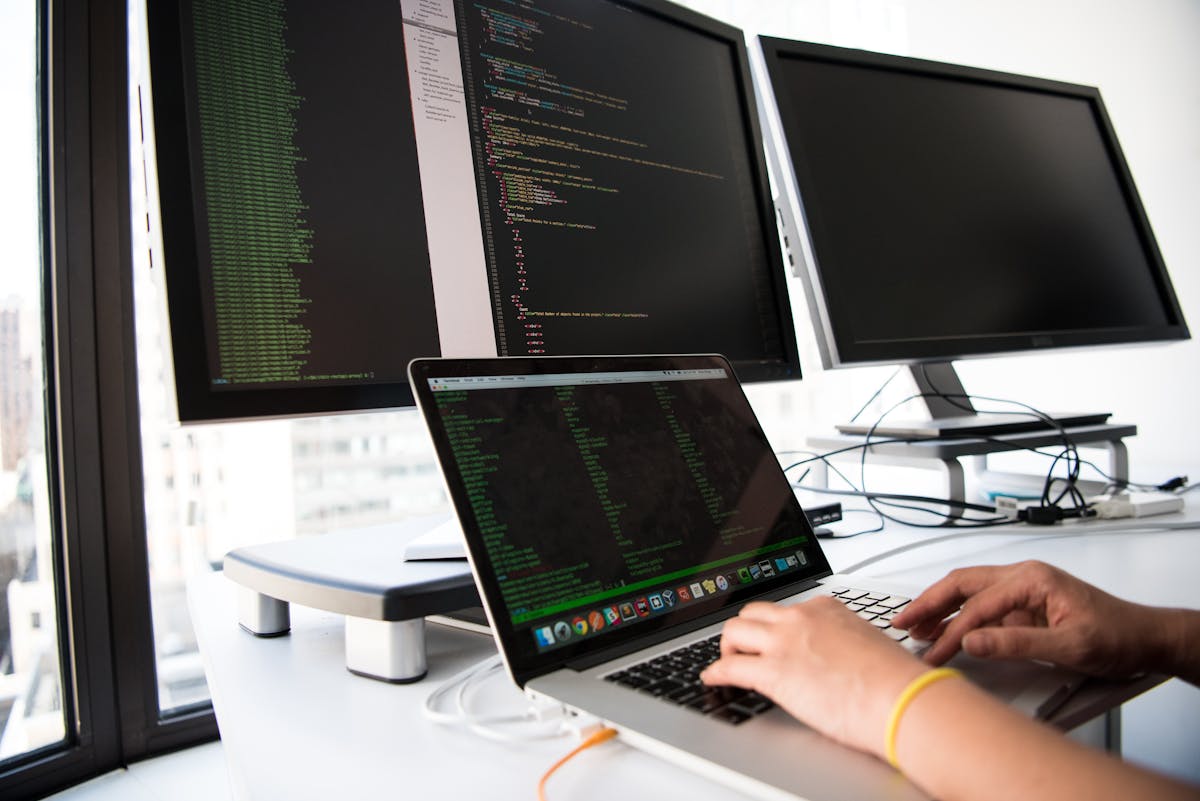
While content platforms do not publish complete internal datasets, third‑party analytics and Google Trends often show correlated rises in:
- Queries for “study with me,” “lofi study,” and “focus timer”
- Queries for “how to trade crypto,” “DeFi yield,” “NFT trading,” and “Web3 jobs”
This suggests a behavioral pattern: when individuals seek performance and structure in one domain (study, work), they often apply similar frameworks to trading and investing.
Concrete Crypto Use Cases for Study‑With‑Me Routines
Below are practical ways market participants can deploy deep‑focus sessions across the crypto stack, from Bitcoin to NFTs and DeFi.
1. Weekly Macro & Market Structure Review
Use a 90–120 minute block (e.g., four Pomodoros) to review:
- BTC & ETH: Higher‑timeframe trend, volume, open interest, and funding rates from reputable sources.
- Majors & sectors: Layer‑1s, layer‑2s, DeFi blue chips, and infra tokens.
- On‑chain metrics: Active addresses, L2 throughput, stablecoin flows via Glassnode, IntoTheBlock, or Messari dashboards.
Treat this as a quiet “research room” session: no execution unless pre‑planned. The goal is understanding, not reacting.
2. Protocol Deep Dives & Tokenomics Analysis
Allocate focused sessions to investigating a single protocol, particularly in DeFi or infrastructure:
- Read whitepapers and docs (e.g., Ethereum docs, Aave, Uniswap).
- Evaluate tokenomics: emission schedules, staking rewards, inflation, and governance.
- Check DeFiLlama for TVL, protocol revenue, and fee composition.
A structured, timer‑based session makes it less likely you will skip risk sections or jump prematurely to price charts.
3. Risk & Yield Audits for DeFi Portfolios
Many market participants chase APY across yield farms without systematic review. Deep‑focus blocks can be dedicated to:
- Listing all current liquidity pools, lending markets, and staking positions
- Checking protocol health (audits, bug bounties, governance changes)
- Reassessing risk/return versus alternatives (e.g., moving from long‑tail farms to blue‑chip stablecoin yields)
This transforms yield farming from reactive hopping into a periodic, risk‑aware process.
A Structured Deep‑Focus Framework for Crypto Professionals
To operationalize study‑with‑me principles, create a simple but robust routine. Below is a generalized framework that can be tailored to trading, investing, or protocol building.
Step 1: Define Session Types
Start by categorizing your work into clear buckets:
- Research: Reading reports, whitepapers, and governance proposals.
- Analysis: Performing on‑chain analysis, building dashboards, or backtesting strategies.
- Execution: Placing trades, adjusting DeFi positions, interacting with smart contracts.
- Review: Logging trades, updating journals, and performing post‑mortems.
Step 2: Time‑Box with a Pomodoro‑Style Structure
Use cycles of focused work and short breaks. For example:
| Block | Duration | Activity |
|---|---|---|
| 1 | 25 minutes | BTC/ETH macro review and news scan |
| 2 | 25 minutes | DeFi sector or protocol‑specific research |
| 3 | 25 minutes | On‑chain data or portfolio analytics |
| Break | 15 minutes | Rest, no trading decisions |
Step 3: Build a “Focus Stack”
Your focus stack is the minimal tooling you use every deep‑work session. A crypto‑optimized stack might include:
- Timer app or browser extension (Pomodoro or countdown style)
- Lo‑fi or ambient playlist (consistent audio signal to mark focus mode)
- Pre‑configured dashboards (e.g., Messari screener, DeFiLlama TVL view, Nansen labels)
- Trading journal or research log (Notion, Obsidian, spreadsheet)
Step 4: Journal Outcomes, Not Just Prices
After each session, note:
- What you researched or executed
- Key insights (e.g., “Protocol X has unbalanced tokenomics; avoid farming the token”)
- Decisions made or deferred and why
Over time, this creates a dataset for improving your process and identifying recurring mistakes.
Metrics: Measuring the ROI of Focus for Crypto Activity
Unlike speculative PnL snapshots, focus‑driven metrics track process quality. Investors and traders can use the following indicators:
- Research Throughput: Number of protocols or assets reviewed per week to a defined standard.
- Decision Latency: Time between identifying a thesis and taking an action (or invalidating the thesis).
- Execution Errors: Mis‑clicks, wrong network interactions, or leverage errors per quarter.
- DeFi Risk Events: Frequency of being caught in protocol failures or unsustainable yield farms.

Early evidence from productivity literature suggests that consistent deep‑work blocks can significantly increase high‑quality output per unit of time. Applied to crypto, this can translate into:
- Fewer impulsive trades driven by social media or noise
- More fully‑researched token positions and DeFi deployments
- Better understanding of protocol risk and governance dynamics
Risks, Limitations, and Pitfalls to Avoid
While study‑with‑me and deep‑focus structures are powerful, they are not inherently protective against market risk. Key considerations include:
- No Replacement for Risk Management: Structured focus cannot offset over‑leverage, poor diversification, or custodial risk.
- Echo Chambers: Following the same productivity‑oriented creators may bias you toward similar narratives or strategies.
- Over‑Optimization: Spending more time hacking productivity systems than actually doing crypto research.
- Mental Health: Extended deep‑work sessions in highly volatile markets can lead to burnout if not balanced with rest.
Deep‑focus routines must sit alongside conventional best practices:
- Position sizing and scenario analysis
- Using reputable exchanges and audited smart contracts where possible
- Security hygiene: hardware wallets, multi‑factor authentication, and cautious key management
- Awareness of regulatory constraints in your jurisdiction
As always, none of these methods guarantee returns or eliminate loss; they instead improve the quality and consistency of your process.
Illustrative Workflows: How Different Crypto Roles Can Apply This
The same underlying study‑with‑me pattern can be applied differently by distinct participants in the crypto ecosystem.
Independent Trader
Focus sessions can prioritize:
- Backtesting strategies and reading market structure content rather than chasing signals
- Risk scenario modeling for BTC, ETH, and select altcoins
- Maintaining a detailed trading journal
DeFi Yield Farmer
Deep‑focus blocks can be dedicated to:
- Reviewing DeFiLlama data for yield sustainability and protocol revenue
- Assessing smart contract audits and bug bounty programs
- Designing a diversified yield “ladder” rather than all‑in bets
NFT or Web3 Builder
For founders and developers:
- Quiet sessions to write specs, smart contracts, or whitepapers
- Concentrated time blocks for reading EIPs, L2 rollup docs, or security best practices
- Dedicated slots to engage with governance or community forums without context switching

Study‑With‑Me vs. Traditional Crypto Research: A Comparison
The table below compares a typical unstructured approach to crypto engagement with a structured, deep‑focus workflow.
| Dimension | Unstructured Engagement | Deep‑Focus / Study‑With‑Me Style |
|---|---|---|
| Information Sources | Random social feeds, influencer tweets, isolated charts | Pre‑selected dashboards, docs, and research reports |
| Time Management | Reactive, multi‑tab switching, no clear endpoint | Defined sessions with timers and breaks |
| Decision Process | Impulse‑driven, FOMO or fear, limited documentation | Documented theses, checklists, and post‑trade reviews |
| Emotional Load | Constant monitoring, high anxiety | Scheduled reviews, less need for continuous watch |
Actionable Next Steps for Traders and Crypto Professionals
To implement a deep‑focus approach in your own crypto workflow, consider the following roadmap:
- Audit Your Current Process
Note how you currently consume information and make decisions. Identify where distractions or impulsive actions tend to appear. - Define One or Two High‑Impact Session Types
For example, “Sunday DeFi risk review” or “daily BTC/ETH macro scan.” Start small. - Assemble a Minimal Focus Stack
Choose a timer, a music source, and a few core dashboards. Avoid adding complexity prematurely. - Try a 4‑Block Pomodoro Session
Run one full 90–120 minute session and log what you accomplished, what went well, and what felt difficult. - Iterate Weekly
Adjust session lengths, tools, and focus areas based on your data and subjective experience.
Over months, the cumulative effect of this process focus often matters more than any single trade or yield decision.
Conclusion: Process Alpha in a 24/7 Market
Study‑with‑me and deep‑focus content may look deceptively simple—just a camera, a timer, and quiet work—but the underlying principles are highly applicable to crypto’s chaotic, information‑dense environment. By importing structures from the productivity world into trading, DeFi, NFT investing, and protocol development, market participants can:
- Improve research depth per asset or protocol
- Increase consistency of risk assessment and portfolio maintenance
- Reduce emotional noise and impulsive behavior in the face of volatility
In an industry obsessed with alpha, edge, and “next big thing” narratives, disciplined focus is an under‑priced asset. You cannot control Bitcoin’s next move or a new DeFi exploit, but you can control how you structure your attention. Study‑with‑me‑style routines are a pragmatic, scalable way to do exactly that.
For further learning, combine these practices with high‑quality crypto research sources such as:
- Messari for token and sector research
- DeFiLlama for DeFi TVL and protocol metrics
- CoinDesk and The Block for industry news
- Glassnode for on‑chain analytics
Used together with a structured deep‑work framework, these tools can help transform how you engage with the crypto markets—from reactive speculation to intentional, research‑driven participation.
