
How ‘Crunchy Mom’ Vaccine Skepticism Went Mainstream in the RFK Jr. Era
How “Crunchy Mom” Vaccine Skepticism Went Mainstream
As the “crunchy mom” movement has grown from yoga and granola to vocal vaccine skepticism, it has become a window into a broader loss of trust in medical science. Many parents who value organic food, natural birth, and low-tox living are now questioning childhood vaccines more openly, and public figures like Robert F. Kennedy Jr. (RFK Jr.) have amplified those doubts into the political and cultural mainstream.
If you’re a parent feeling pulled between your instincts, online communities, and your child’s pediatrician, you’re not alone. This page unpacks the rise of “crunchy” vaccine skepticism, what the evidence actually says, and how to navigate these decisions with both heart and science.
From Granola to “Do Your Own Research”: What Changed?
In the 1980s and 1990s, “crunchy” usually meant:
- Eating whole foods and “granola” snacks
- Practicing yoga and meditation
- Choosing unprocessed or organic options when possible
Over time, that lifestyle expanded into:
- Home births or midwife-led births
- Extended breastfeeding and baby-wearing
- Non-toxic cleaning and personal care products
- Alternative therapies like chiropractic or herbal medicine
These choices are not inherently anti-science. Many are compatible with evidence-based medicine. But the same channels that promote natural living—blogs, Facebook groups, Instagram and TikTok influencers, parenting forums—also became fertile ground for vaccine skepticism, especially as mistrust in institutions grew.
How RFK Jr. Gave “Crunchy” Vaccine Skepticism a National Megaphone
Robert F. Kennedy Jr. has spent years criticizing vaccine safety and public health agencies. As he entered the 2024–2025 political spotlight, his message resonated strongly with some “crunchy” parents who already:
- Worried about toxins and chemicals
- Preferred “natural immunity” over medical interventions
- Felt dismissed or rushed by healthcare providers
To many of these parents, RFK Jr. sounded like the first powerful figure echoing the doubts they saw daily in their feeds. That doesn’t make his claims accurate—but it explains why they felt compelling.
“When people feel ignored or shamed by their doctors, they go looking for someone—anyone—who validates their fears. That’s when disinformation can feel like a lifeline rather than a danger.”
— Family medicine physician and medical educator
Public health experts, including the U.S. Centers for Disease Control and Prevention (CDC) and the World Health Organization (WHO), have repeatedly reviewed the claims promoted in anti-vaccine circles and found them unsupported or directly contradicted by large-scale research.
You can explore vaccine-safety summaries from:
Why “Crunchy” Parents Are Especially Vulnerable to Vaccine Misinformation
Most “crunchy” parents I’ve met are not reckless—they’re deeply invested in their children’s health. Ironically, that intense care can make certain narratives more persuasive.
- Identity and community. Parenting groups, doulas, and wellness influencers can feel like family. When your community leans skeptical, it’s emotionally hard to break ranks.
- Appeals to nature. The idea that “natural” is always safer feels intuitive. But infectious diseases are natural too—and vaccines are often the safer choice.
- Bad past experiences with healthcare. A rushed appointment, a dismissed concern, or birth trauma can make official guidance feel suspect.
- Information overload. Parents are told to “do their own research,” then bombarded with scientific-looking but misleading charts, anecdotes, and videos.
What the Science Actually Says About Vaccines and Kids
The scientific consensus on routine childhood vaccines is based on decades of data from millions of children worldwide. A few key points, in plain language:
- Vaccines are extensively tested. Before approval, vaccines go through multiple trial phases and post-marketing surveillance for rare side effects.
- No credible link to autism. Large-scale studies, including one of over 650,000 children in Denmark, have found no association between the MMR vaccine and autism.
- Side effects are usually mild and short-lived. Soreness, low fever, or fussiness are common. Serious reactions are very rare.
- Delaying or skipping vaccines increases risk. Unvaccinated children are more likely to catch and spread diseases like measles, which can cause pneumonia, brain inflammation, and rarely death.
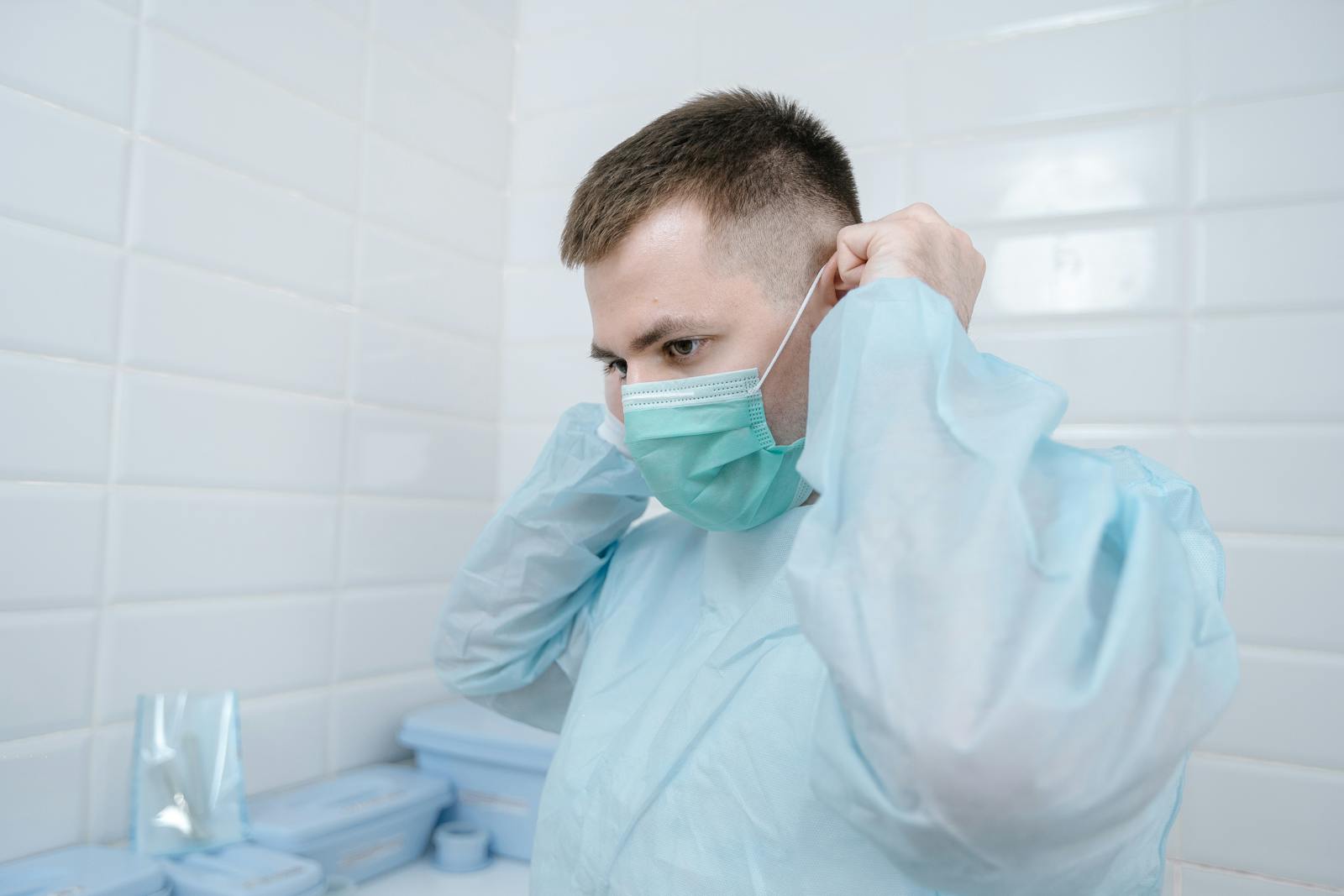
You can review accessible summaries of vaccine research at:
Common Concerns from “Crunchy” Parents—and How to Work Through Them
Below are real-world worries I’ve heard from natural-living parents, along with practical, non-judgmental ways to address them.
1. “It feels like too many shots, too soon.”
The current vaccine schedule may look intense, but infants and toddlers are exposed to far more antigens (molecules that trigger an immune response) daily through food, air, and normal play than through vaccines.
Practical step: Ask your pediatrician to walk you through:
- Which diseases each shot prevents
- Why they’re timed the way they are
- What the risks are of delaying
2. “I know kids who were ‘never the same’ after a vaccine.”
When developmental changes and vaccines happen around the same age, our brains naturally link them. That’s part of why anecdotes feel powerful even when large studies show no causal connection.
Practical step: Treat stories as a starting point for questions, not final proof. Ask your clinician: “Here’s a story I heard—how do we know if vaccines can cause that?”
3. “I don’t trust pharmaceutical companies.”
Skepticism toward industry is understandable. But vaccine safety oversight involves multiple independent layers: academic researchers, international health bodies, government regulators, and post-marketing safety systems.
Practical step: Ask for data from independent or government-funded reviews, not just manufacturer materials.
A Realistic Case Study: When a “Crunchy” Family Reconsidered
Consider a composite example drawn from several families I’ve worked with:
A couple in their early 30s, deeply committed to natural living, planned a home birth, used cloth diapers, and followed several “low-tox” parenting accounts. Influenced by online communities sympathetic to RFK Jr.’s messaging, they chose to delay most childhood vaccines.
When their toddler’s daycare reported a pertussis (whooping cough) case, they faced a flood of new emotions—fear, guilt, and confusion. After a long, non-rushed meeting with their pediatrician, where their concerns were heard rather than mocked, they decided on a catch-up schedule prioritizing the highest-risk illnesses first.
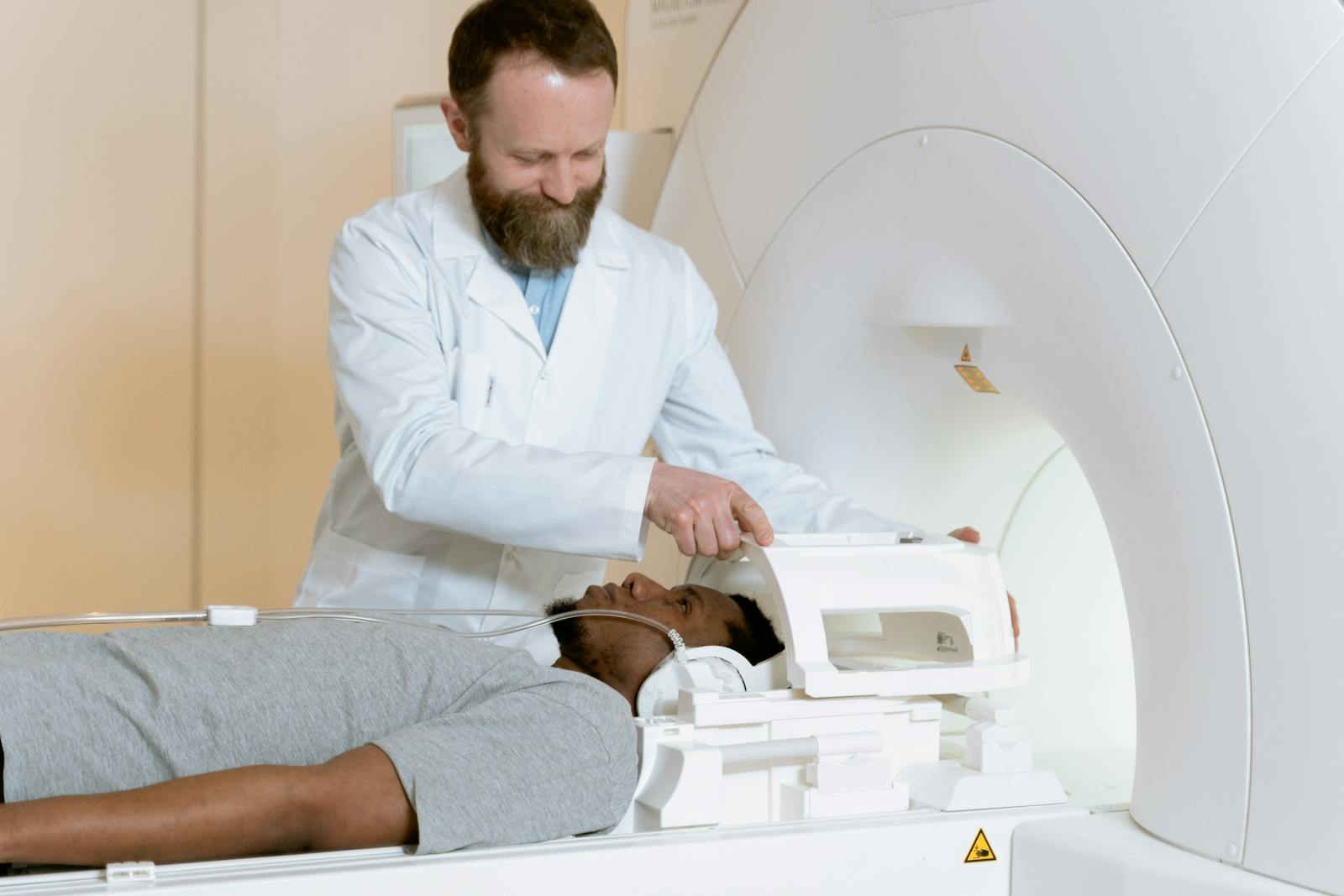
Not every story ends this way, and no parent should be coerced. But this example highlights what often shifts the conversation:
- Time to ask every question, without eye-rolls
- Clear explanations of disease risks, not just reassurances that “it’s safe”
- Respect for the family’s broader values around food, birth, and lifestyle
Before and After: Trust Levels, Not Just Vaccine Status
One of the most important “before and after” comparisons isn’t about needles—it’s about trust.
When parents move from social media echo chambers to sustained, trusting relationships with credible health professionals, the entire tone of the vaccine conversation can change—from adversarial to collaborative.
Practical Steps for Parents Navigating Vaccine Decisions
If you’re feeling torn between “crunchy” circles and mainstream medical advice, here are concrete steps that respect both your values and the evidence.
- Clarify your core values.
Are you most concerned about avoiding chemicals, preserving autonomy, protecting community health, or something else? Naming your priorities helps you and your clinician collaborate. - Book a vaccine-only visit.
Ask your pediatrician or family doctor for a dedicated conversation just about vaccines, without trying to squeeze it into a 10-minute sick visit. - Use a “two-source” rule.
For each alarming claim you see online, check at least two independent, evidence-based sources (like the CDC, WHO, or your country’s public health agency). - Separate RFK Jr. (or any figure) from the data.
Instead of asking “Do I trust him?”, ask “What does the best available evidence show, regardless of who’s talking?” - Protect your child now, refine later.
If you’re unsure, you might prioritize vaccines against diseases that are currently circulating in your area while you continue to learn.
Rebuilding Trust Without Losing Your “Crunchy” Identity
You don’t have to choose between:
- Cooking organic meals and following the recommended vaccine schedule
- Practicing yoga and trusting pediatric science
- Advocating for less pollution and supporting proven public health measures
Many clinicians themselves eat organic, use baby-wearing, or prefer minimal medications—and still vaccinate their children on time. Being “crunchy” can mean protecting your child with every tool we have: clean air, good food, loving relationships, and safe, effective vaccines.
“Natural parenting and evidence-based medicine are not enemies. At their best, they’re both about giving kids the healthiest possible start in life.”
Moving Forward: Your Next Best Step
If you’ve felt seen in the rise of the “crunchy mom” movement but uneasy about the direction vaccine skepticism has taken, consider this your invitation to pause, breathe, and re-engage with the evidence—on your own terms, but not alone.
Here’s a simple next step you can take today:
- Schedule a conversation with a trusted pediatrician, family doctor, or nurse practitioner and let them know upfront: “I lean natural and have questions about vaccines. I’m not here to argue—I’m here to understand.”
You deserve care that respects your values, your intelligence, and your role as the expert on your child—while still grounding decisions in the best science we have. That blend of empathy and evidence is how we move beyond slogans, beyond fear, and toward genuinely informed choice.
