
How America’s Vaccine Confidence Collapsed—and What It Will Take to Rebuild It
Public health · Vaccine confidence · Policy
The Shocking Collapse of American Vaccination: What Happened and What We Can Still Fix
Updated: January 24, 2026
Not long ago, routine vaccination in the United States felt almost invisible. Kids got their shots before kindergarten, adults rarely worried about measles or polio, and public health officials mostly focused on fine‑tuning, not crisis control. Then, in just a few years, that sense of stability cracked. Vaccination rates have slipped, preventable diseases are re‑emerging, and what many experts assumed was “settled science” now feels uncomfortably fragile.
If you’re feeling confused, frustrated, or even a little betrayed by how fast the conversation around vaccines changed—especially since 2020—you’re not alone. The collapse in vaccine confidence is both surprising and, in some ways, sadly predictable. It’s also not completely unfixable, but rebuilding trust will be slower and harder than losing it.
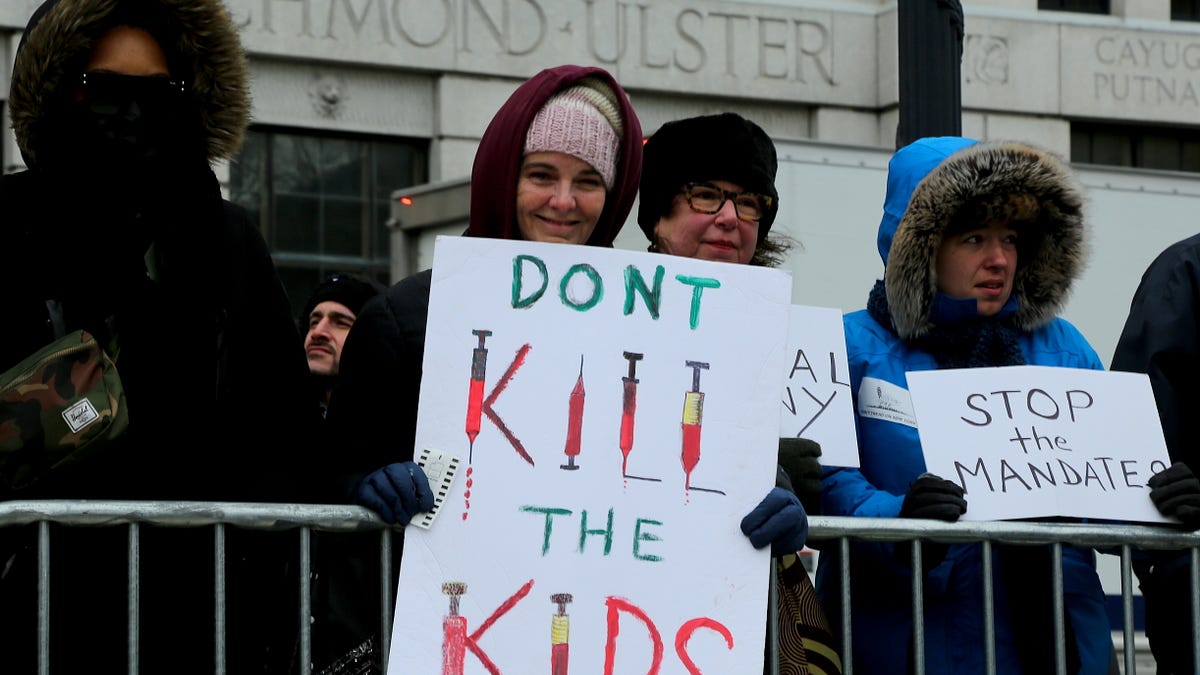
This article unpacks how American vaccination rates eroded so quickly, why the Trump era left such a deep mark on vaccine politics, and most importantly, what families, clinicians, and policymakers can realistically do now. The goal is not to scare you, but to give you a clear, evidence‑based picture—and practical steps you can act on, whether you’re a parent, a healthcare worker, or simply someone who cares about public health.
From Surprise to Shock: How Fast Vaccine Confidence Fell
The “collapse” of American vaccination is not that every shot disappeared overnight. It’s that small but steady declines across multiple vaccines, combined with fierce political polarization, have pushed us from comfortable margins of safety into a far riskier zone.
Public health experts expected some turbulence after COVID‑19 vaccines launched at record speed. What has been genuinely shocking is how deeply that turbulence has spilled over into routine childhood and adult vaccination that had nothing to do with the pandemic.
Data from the CDC, state health departments, and independent surveys all point in the same direction: vaccine confidence, particularly among conservatives and in some rural and suburban communities, has dropped dramatically since the late 2010s and early 2020s. The trend is uneven—some regions remain highly vaccinated—but the national safety net is clearly fraying.
What the Numbers Show: A Slow Boring Success, Suddenly in Reverse
For decades, U.S. vaccination was a quiet policy success. Measles was declared eliminated in 2000. Polio was gone from the country. School‑entry requirements kept childhood immunization coverage above 90% for many key vaccines.
- Childhood vaccines: Even small drops—from, say, 94% coverage to 90%—matter because measles and similar diseases need very high immunity levels to prevent outbreaks.
- COVID‑19 vaccines: Uptake surged early among older adults but then plateaued, with later boosters showing strong partisan divides and lower coverage, especially in areas that voted heavily for Donald Trump.
- Routine adult vaccines: Flu, shingles, and pneumonia shots have all felt the ripple effect of broader vaccine skepticism and burnout.
“We built vaccination systems assuming trust would remain stable. The last few years showed us how naïve that assumption was.”
— Infectious disease specialist, major U.S. academic medical center
These shifts didn’t come out of nowhere. They emerged out of political realignment, social media echo chambers, and public health messaging that often struggled to adapt in real time. The COVID‑19 pandemic simply accelerated forces that were already in motion.
A Borderline Unfixable Legacy? How Politics Supercharged Vaccine Polarization
Vaccines have always had critics, but for most of modern U.S. history, skepticism was a niche, cross‑ideological phenomenon. What changed under and after the Trump era was that vaccine attitudes became tightly bound with partisan identity—especially around COVID‑19.
Multiple surveys from 2020 onward showed:
- Republicans became far more hesitant about COVID‑19 vaccines than Democrats, especially after the 2020 election.
- Conservative media ecosystems amplified doubts about safety, mandates, and the motives of public health agencies.
- As fights over masking, shutdowns, and vaccine passports heated up, vaccines stopped being a “boring” public health tool and became a core symbol in a broader culture war.
The most damaging effect may not have been any single speech or policy, but rather the way repeated political conflict trained millions of people to see public health guidance as just another partisan message. Once that filter is in place, every future vaccine recommendation—COVID‑related or not—is perceived through suspicion.
A Clinic’s Story: When Routine Shots Suddenly Became Controversial
In 2018, a pediatric practice in a mid‑sized Midwestern city reported what most clinics would envy: over 95% of their patients were up to date on childhood vaccines. Conversations about shots were usually quick—parents might ask about side effects, get reassurance, and move on.
By 2023, the same clinic’s staff described a different reality:
- Parents who previously accepted all vaccines began questioning not just COVID‑19 shots but also measles, polio, and HPV vaccines.
- Clinicians spent more visit time in emotional, sometimes tense, conversations about trust, politics, and “who to believe.”
- Some families quietly delayed vaccines—not outright refusing, but “waiting until things calm down,” which often meant not coming back.
One pediatrician shared that a long‑time family, who had vaccinated their older child without hesitation, suddenly refused a measles shot for their younger toddler after a friend sent them a viral video questioning vaccine safety. The parents weren’t anti‑science. They were overwhelmed, exhausted, and unsure who to trust after years of conflicting messages.
“We never used to talk about who people voted for in the exam room. Now politics walks in with every patient.”
— Community pediatrician, Midwest
Why Did Vaccine Confidence Collapse? Five Interlocking Forces
The fall in American vaccination isn’t about a single villain. It’s the result of several forces reinforcing each other over time.
- Partisan sorting of trust. Over the last decade, trust in institutions like the CDC, FDA, and major news outlets diverged sharply by political party. When COVID‑19 vaccines arrived, that divide hardened.
- Social media amplification. Platforms rewarded emotionally charged, often misleading content. A single alarming video about side effects can reach millions more people than a careful, nuanced explanation of risk.
- Pandemic trauma and fatigue. Many people associate vaccines not just with health, but with lockdowns, lost jobs, school closures, and family conflict. That emotional baggage now attaches to the word “vaccine” itself.
- Messaging missteps. Public health agencies and political leaders sometimes over‑simplified or spoke with more certainty than the evolving science supported. When guidance changed, opponents framed it as proof of dishonesty rather than normal scientific updating.
- Real, if rare, side effects. No medical intervention is risk‑free. Rare but real vaccine adverse events—while generally far less common than the harms of infection—became powerful stories in communities already primed to doubt.
None of this means vaccines “don’t work” or that public health is doomed. It does mean that any solution that ignores politics, emotion, and history is unlikely to succeed.
Before and After: How Vaccine Culture Changed in a Decade
To understand the magnitude of the shift, it helps to compare the “before times” with today’s reality.
Then: Quiet Confidence
- Vaccines treated as routine, apolitical parts of healthcare.
- School mandates widely accepted, with narrow exemptions.
- Measles outbreaks rare and usually quickly contained.
- Most disagreements handled privately between families and clinicians.
Now: Fragile Trust
- Vaccines entangled with identity, ideology, and media ecosystems.
- Broader use of exemptions in some areas; active resistance to mandates.
- New measles and whooping cough clusters in under‑vaccinated communities.
- More information—both accurate and misleading—shaping decisions.

What You Can Do as a Parent or Patient: Realistic, Actionable Steps
You don’t need to fix America’s entire public health system to make a difference. You can focus on informed, balanced decisions for yourself and your family. Here are concrete steps that respect both science and your understandable desire for caution.
- Ask your clinician for numbers, not just reassurance. Instead of “Is this safe?” try:
- “How common are serious side effects from this vaccine?”
- “What are my risks from the disease if I skip or delay this shot?”
- “What’s the track record of this vaccine over time?”
- Use trustworthy, transparent sources. Look for organizations that:
- Explain uncertainty and limitations clearly.
- Cite original studies rather than vague claims.
- Acknowledge rare risks rather than denying them.
- Separate COVID feelings from other vaccines. It’s reasonable to have strong emotions about the pandemic. Just remember: decades‑old vaccines like measles, polio, and tetanus shots have very different evidence bases and histories than new products.
- Talk through your fears, not around them. If you’ve seen a frightening story online, bring it up with your doctor or nurse. A good clinician won’t dismiss you; they’ll help you compare that story to broader data.
- Focus on your values, not just arguments. For many families, vaccination aligns with values like protecting vulnerable neighbors, keeping schools open, and minimizing hospital strain. Clarifying what matters most to you can make decisions less confusing.
What Clinicians and Health Systems Can Do Differently Now
For healthcare professionals, the new landscape can feel exhausting: more misinformation, more confrontation, less time. Yet even within these constraints, specific approaches seem to help.
- Use presumptive but flexible recommendations. Start with, “Today we’ll do the measles and polio vaccines,” then pause and invite questions. This frames vaccination as the norm while still respecting autonomy.
- Normalize questions instead of treating them as defiance. Phrases like, “A lot of parents are asking that right now,” can reduce shame and keep the conversation open.
- Share real‑world experience along with data. Patients often connect more with, “In 15 years I’ve seen hundreds of kids do well with this vaccine,” paired with actual statistics on risks and benefits.
- Be transparent about uncertainty. Acknowledging what we don’t know—and how we monitor safety over time—can ironically build more trust than overconfident claims.
- Advocate for system‑level support. Longer visit times, better reimbursement for counseling, and integrated reminder systems can help clinicians move from crisis management back to prevention.

Can Policy Fix This? Community and System Solutions That Still Matter
Some damage to vaccine confidence may be “borderline unfixable” in the short term—especially where skepticism is deeply tied to identity. But that doesn’t mean policy is powerless. It just means we should aim for realistic, incremental wins instead of overnight transformation.
- Protect strong school entry requirements. Policies that quietly maintain high coverage—while allowing narrow, well‑regulated medical exemptions—remain one of the most effective tools we have.
- Invest in local messengers, not just national campaigns. People often trust local clinicians, pastors, coaches, and community organizers more than distant agencies. Training and supporting these messengers can multiply impact.
- Improve data transparency and safety monitoring. Open, accessible dashboards that explain both benefits and risks—updated in near real time—can undercut rumors before they spread.
- Reduce financial and logistical barriers. Evening and weekend clinics, mobile vaccination units, and no‑cost shots help ensure that “hesitancy” isn’t just a polite label for “it’s too hard to get there.”
- Depoliticize where possible. In some contexts, it may help to emphasize vaccination as a community resilience tool rather than as a moral litmus test tied to any party or leader.

Common Obstacles—and How to Move Through Them Without Shame
If you’re feeling stuck around vaccination decisions, you’re likely bumping into one or more of these obstacles. Naming them can be the first step toward moving through them.
- Information overload.
What it looks like: You’ve read so much—articles, posts, comments—that you feel more confused, not less.
Try this: Choose one or two trusted sources (for example, a clinician you respect and a reputable public health site) and temporarily ignore everything else while you decide. - Fear of regret.
What it looks like: Worrying, “If something goes wrong after a shot, I’ll never forgive myself.”
Try this: Ask your clinician to walk you through both types of regret: “What might I regret if I vaccinate?” and “What might I regret if I don’t?” Looking at both sides can clarify your values. - Social pressure.
What it looks like: Friends, family, or online communities strongly push one view, making it hard to think for yourself.
Try this: Give yourself permission to make a different choice than your group, and to keep that choice private if needed. - Distrust from past experiences.
What it looks like: Previous encounters with healthcare or government that left you feeling disrespected or misled.
Try this: Look for clinicians and clinics that explicitly emphasize partnership, cultural humility, and shared decision‑making. Trust is earned—your skepticism is allowed.
Feeling cautious or conflicted about vaccines doesn’t make you “anti‑science.” The real question is whether you can stay open to evidence and conversation, even when you’re scared or frustrated.
What the Science Actually Says—Without the Spin
Across vaccine types and decades of data, a few themes are remarkably consistent:
- Vaccines dramatically reduce the risk of severe disease, hospitalization, and death for many infections, including measles, polio, whooping cough, and COVID‑19.
- Serious adverse events from vaccines are rare, and for most people, the risks of the disease are substantially higher than the risks of the shot.
- Herd immunity matters. Your decision doesn’t just affect you; it affects infants, people with compromised immune systems, and others who can’t be fully protected on their own.
If you want to dive deeper into the evidence, these types of sources are worth prioritizing:
- Peer‑reviewed research in medical journals that clearly state methods and limitations.
- Independent advisory committees that publish meeting notes and conflict‑of‑interest disclosures.
- Long‑term safety monitoring systems that report both suspected and confirmed side effects.
For detailed, up‑to‑date information on specific vaccines and diseases, consult reputable public health and medical organizations in your country. These organizations typically provide accessible fact sheets, risk comparisons, and references to original research.
Looking Ahead: From Shock to Stewardship
The collapse in American vaccination is real—and sobering. Some of the damage to trust will likely linger for years. But that doesn’t mean we’re helpless. It means responsibility is more widely shared: between public health agencies and local communities, between clinicians and patients, between policymakers and parents.
You don’t have to become a full‑time public health advocate to make a difference. You can:
- Check your own vaccination status and talk with a trusted clinician about any gaps.
- Have one calm, respectful conversation with a friend or family member who’s unsure—without trying to “win.”
- Support policies and leaders who prioritize transparent, evidence‑based public health, even when the news is inconvenient.
The era of “set it and forget it” vaccination is over. What comes next is slower, more deliberate work: listening, explaining, adjusting, and rebuilding trust, often one relationship at a time. That work may be “slow boring,” to borrow a phrase—but it’s also how we keep preventable tragedies from returning.
Your next step: Pick one action—updating your own vaccines, booking a visit for your child, or asking your clinician honest questions—and take it this week. Big public health shifts start with surprisingly small, private decisions.
