
How AI-Powered Virtual Artists Are Rewriting Music Streaming on Spotify, YouTube, and TikTok
Executive Summary: AI Music Is Becoming Streaming Infrastructure
AI-generated music and virtual artists are rapidly moving from experimental curiosities to core infrastructure across Spotify, YouTube, and TikTok. Accessible generative tools now enable non-musicians and professionals to produce full tracks, remixes, and voice-cloned performances at scale. Ambient AI playlists dominate background listening, TikTok supercharges discovery for AI memes and parody songs, and digital-only artist personas attract real fanbases. At the same time, this shift raises complex questions around copyright, consent, dataset transparency, and the economic future of human creators.
This article explains how AI-powered music works in practice, how it is reshaping streaming economics and creator workflows, where the legal and ethical fault lines lie, and how artists, labels, platforms, and Web3 builders can respond strategically.
The State of AI Music on Spotify, YouTube, and TikTok
Between 2023 and 2025, AI music generators evolved from toy apps to industrial-grade systems capable of text-to-music (generate a track from a prompt), style transfer (recreate a genre or mood), and voice cloning (synthesize vocals in a given style). These capabilities now underpin a growing share of “functional music” on streaming platforms—tracks designed for focus, sleep, or ambiance where authorship is less important than utility.

AI Ambient Catalogs on Spotify & YouTube
On Spotify and YouTube, you can now find tens of thousands of playlists centered on lo‑fi beats, ambient soundscapes, and background instrumentals. Many of these catalogs quietly blend human-composed and AI-generated tracks. For listeners, the origin of the music is often secondary to mood and continuity: “Does this help me focus or sleep?”
For creators, AI significantly reduces production time and cost. Instead of hiring multiple session musicians or composers, a small team can generate hundreds of tracks using AI, then curate, lightly edit, and distribute them. Streaming royalties from such large catalogs can add up, especially when tracks slot into popular playlists or long-form mixes with high retention.
TikTok as the Discovery Engine for AI Songs
TikTok has become the dominant discovery channel for AI meme tracks, parody covers, and “what if” remixes—like an AI-generated version of a classic rock singer performing a contemporary pop hit. While many such uploads violate platform rules or copyright, their virality reveals an appetite for playful recombination of familiar voices and songs.
“AI remixes are less about replacing artists and more about interacting with catalog in new ways. Fans are effectively remixing identity as much as sound.” — Industry analyst commentary, 2025
Search spikes around phrases like “AI music generator”, “make songs with AI”, and “AI cover songs” often correlate with viral TikTok trends and subsequent takedown campaigns by rights holders.
How Generative AI Music and Voice Cloning Actually Work
Modern AI music systems are built on generative models—neural networks that learn patterns in audio, MIDI, or symbolic notation and then synthesize new samples that follow similar statistical structure.
Core Building Blocks
- Text-to-music models: Accept prompts like “chill lo‑fi hip‑hop, 80 BPM, vinyl crackle, relaxing” and output full-length audio.
- Style and genre conditioning: Train on labeled datasets (jazz, EDM, orchestral, etc.) to generate tracks consistent with a chosen style.
- Voice cloning / text-to-speech (TTS): Learn timbre and prosody from a given singer’s recordings, then render new phrases in that voice.
- Source separation & stem generation: Isolate drums, bass, vocals from existing tracks and recombine or augment with AI-generated elements.
Data and Training Considerations
Models are typically trained on large collections of music recordings, possibly combined with metadata like genre tags or lyrics. The transparency of these datasets—whether rights holders consented, whether works are licensed, public domain, or scraped—is a major point of contention.
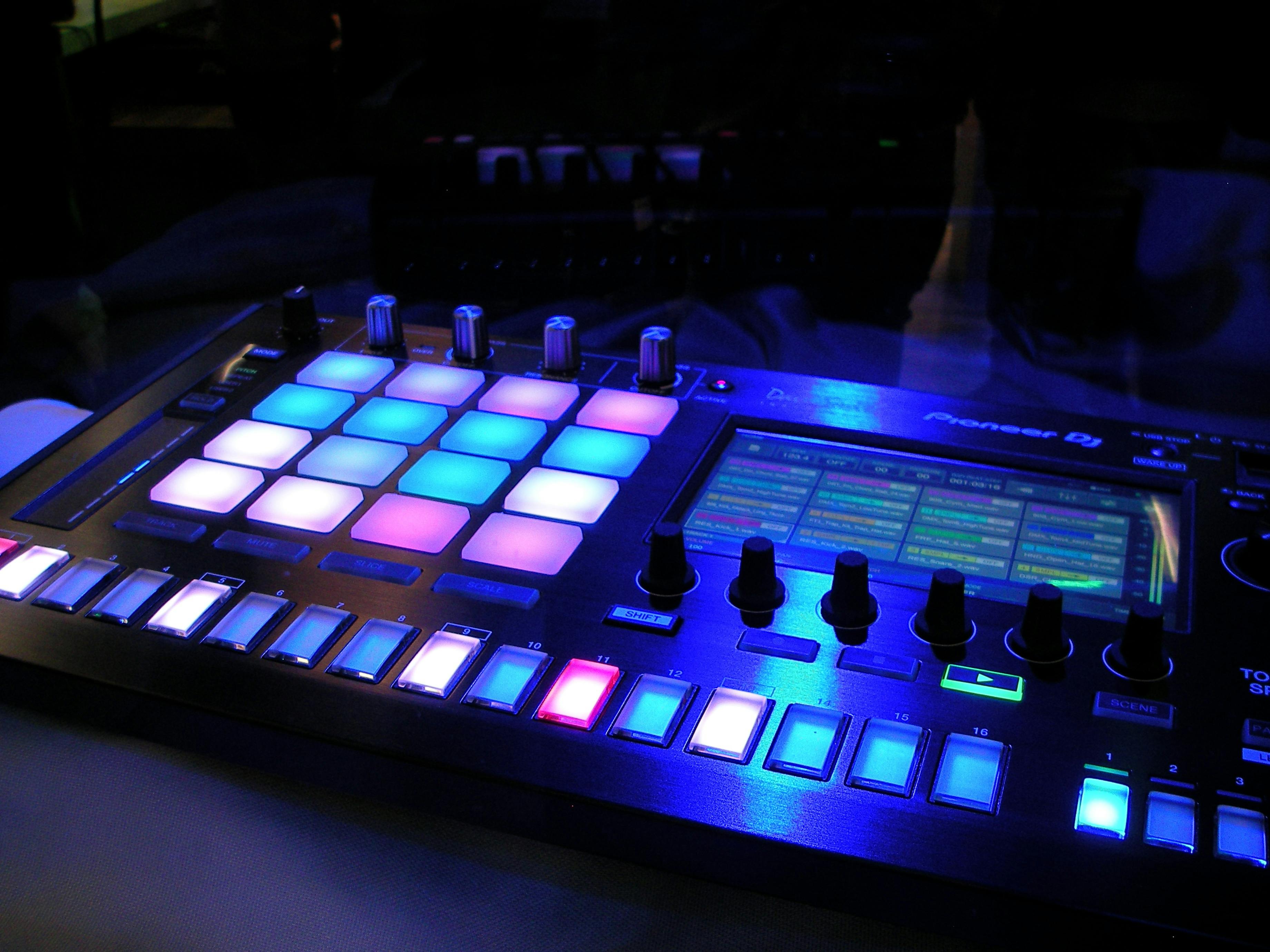
Many tools now offer “style similarity” sliders that aim to evoke certain aesthetics without reproducing any single artist. But when users explicitly request “make this sound like <artist>,” ethical and legal risks increase dramatically.
Virtual Artists: Digital-First Personas with AI-Driven Music
Virtual artists are fictional personas—often with anime, CGI, or stylized 2D/3D avatars—whose music and personality exist primarily online. Some projects use AI for both songwriting and vocals; others blend human creative direction with AI-assisted production.
How Virtual Artists Are Built
- Character design: Define the lore, visual style, backstory, and “universe” for the persona.
- Voice strategy: Choose between a human session vocalist, an AI-generated voice, or a hybrid system.
- Music pipeline: Use AI to generate ideas, melodies, and stems, then arrange and mix into polished releases.
- Content strategy: Share music videos, short-form clips, lore drops, and fan interactions across platforms.
- Monetization: Streaming revenue, merch, brand partnerships, and in some cases Web3 collectibles or fan tokens.
Why Fans Care
Fans follow virtual artists not only for the songs but for character-driven narratives—episodic storylines, artwork, in-universe social posts, and collaborations with other fictional personas. This mirrors trends in gaming, VTubing, and anime, where identity and world-building matter as much as the underlying content.
For rights holders, virtual artists avoid certain risks of human talent (touring constraints, public scandals) but introduce new ones (brand fatigue, dependence on technical infrastructure, and community backlash if AI training practices are questioned).
Economics of AI-Generated Catalogs on Streaming Platforms
AI lowers the marginal cost of music production toward zero. This fundamentally changes the economics of catalogs, especially for background and functional music where volume and consistency matter more than individual hits.
Comparing Human vs. AI-Heavy Catalog Strategies
| Metric | Traditional Human-Only Catalog | AI-Heavy Ambient Catalog |
|---|---|---|
| Production time per track | Days to weeks | Minutes to hours (plus curation) |
| Primary cost drivers | Studio time, musicians, mixing, mastering | Compute, model access, editing, branding |
| Optimal catalog size | Smaller, high-investment albums & singles | Large, long-tail catalogs (hundreds–thousands) |
| Typical use cases | Artist discographies, fan-driven listening | Playlists for focus, sleep, studying, relaxation |
Because revenue on platforms like Spotify is mostly pro-rata—a global pot of subscription and ad income split by total streams—an influx of AI-generated tracks can dilute per-stream payouts for human artists, especially in genres where AI content dominates listening hours.
AI as Royalty-Free Soundtrack Infrastructure
AI music also functions as royalty-free soundtrack infrastructure for YouTube and TikTok creators. Instead of worrying about Content ID claims, many choose AI-generated or AI-assisted tracks under clear licenses. This shifts some demand away from traditional production music libraries toward AI-native catalogs.
Legal and Ethical Tensions: Copyright, Consent, and Deepfake Voices
The leading friction points are copyright law, rights of publicity, and broader ethical concerns about devaluing human creativity.
Key Risk Areas
- Training data transparency: Were songs used to train AI models properly licensed? Are there opt-out or opt-in mechanisms for artists and labels?
- Unauthorized voice cloning: Mimicking a recognizable voice can implicate both copyright (if it reproduces a recording) and personality rights, even if the lyrics and melody are new.
- Derivative works & style mimicry: Laws differ by jurisdiction on whether imitating “style” alone can trigger liability, especially when no direct sampling occurs.
- Platform policy compliance: Many platforms prohibit deceptive or non-consensual deepfakes, but enforcement is uneven and often reactive.
“The central question isn’t whether AI can make music, but whether our legal and economic systems will evolve fast enough to keep consent and compensation meaningful.” — Music policy researcher, 2025
Emerging Regulatory Responses
Regulators in multiple regions are considering or implementing rules around:
- Mandatory labeling of AI-generated or AI-assisted content.
- Consent frameworks for training on copyrighted works and vocal likenesses.
- Stricter liability for malicious or deceptive deepfakes, especially when used for fraud, impersonation, or harassment.
Streaming platforms are simultaneously updating terms of service, building detection tools, and experimenting with policies that differentiate between harmless experimentation and rights-infringing uploads.
Actionable Strategies for Artists, Labels, and Creators
Whether you are an independent musician, label executive, or content creator, AI music is now part of the operating environment. The key is to leverage its strengths while protecting your rights and brand.
For Artists: Use AI as a Creative Amplifier
- Idea generation: Use AI to quickly generate chord progressions, rhythmic patterns, or melodic sketches, then refine and personalize them.
- Alternate versions: Create stems for acoustic, orchestral, or electronic variants of your songs to serve different playlists (focus, gym, study, etc.).
- Language localization: Experiment with AI to adapt or translate vocals into multiple languages, with your consent and oversight.
- Rights management: Track where your voice and catalog may be training data; participate in opt-out or opt-in registries where available.
For Labels and Rights Holders: Build Managed AI Catalogs
- Segment repertoire into front-line (flagship artists) versus catalog and functional music, with distinct AI policies for each.
- Develop internal AI tools that are trained on licensed or owned material with explicit artist agreements.
- Offer official AI collabs: Instead of fighting every AI remix, curate and release sanctioned AI-assisted versions with clear branding.
- Data partnerships with AI companies that include revenue-sharing, attribution, and audit rights.
For YouTube and TikTok Creators: Leverage AI Safely
If you are primarily a video creator rather than a musician:
- Use licensed AI music libraries or tools that clearly state usage rights to minimize takedowns and demonetization.
- Avoid using AI to impersonate specific living artists without their explicit permission.
- Consider building a consistent sonic “brand” using AI tools—recurring themes, intros, and textures that define your channel.
How Streaming Platforms Are Responding
Platforms like Spotify, YouTube, and TikTok walk a fine line: they benefit from increased content volume and user engagement but face mounting pressure from rights holders to curb unauthorized AI usage.
Common Policy and Product Experiments
- AI content labeling in upload flows and on track pages.
- Detection systems using audio fingerprinting, watermarking, and machine learning to spot cloned voices or close emulations of catalog works.
- Preference controls allowing users to favor or avoid AI-generated tracks in certain playlists or radios.
- Licensing marketplaces connecting rights holders with AI developers under structured terms.

Over time, expect more granular tiering—separate treatment for fully synthetic tracks, AI-assisted works by human artists, and non-consensual or infringing uploads, each with different discoverability and monetization rules.
From Novelty to Infrastructure: Where AI Music Is Heading
As of early 2026, AI music has clearly moved beyond “fun experiment” status. It is becoming a background layer powering everything from meditation apps to influencer content to immersive virtual worlds.
Key Trajectories to Watch
- Personalized soundtracks: Real-time generation of music tailored to an individual’s biometric signals, location, or activities.
- Interactive music formats: Listeners can adjust intensity, instruments, or mood of a track on the fly, powered by AI re-rendering.
- Web3 and ownership experiments: Some virtual artists and AI catalogs may integrate NFTs, on-chain royalties, or fan token systems for transparent revenue splits and governance.
- Standardized consent frameworks: Industry-wide registries and protocols that encode which catalogs and voices can be used for training and under what terms.
For musicians and industry professionals, the most resilient approach is not to compete with fully synthetic content on volume, but to double down on distinctive identity, storytelling, and community—while using AI judiciously as a tool, not a replacement.
Conclusion: Practical Next Steps
AI-powered music and virtual artists are reshaping the creative, economic, and legal foundations of streaming. The technology will not retreat; instead, it will become more deeply embedded in how audio is created, customized, and consumed.
To navigate this transition:
- Experiment with reputable AI tools in low-risk contexts to understand their capabilities and limits.
- Document your own policies around AI use, voice rights, and catalog training permissions.
- Monitor platform rules and regulatory developments related to AI-generated content and deepfakes.
- Collaborate with legal, technical, and community stakeholders to design consent and compensation frameworks that scale.
The winners in this new landscape will not simply be those with the most powerful models, but those who align technology with transparent rights management, compelling storytelling, and enduring fan relationships.
