
How AI Music Generators Are Rewriting Copyright Rules and Redefining Creativity
Executive Summary
AI music generators have moved from novelty tools to a central fault line in the music industry. Platforms like Suno, Udio, Stable Audio, and AI-powered music features on TikTok and Adobe now allow anyone to generate fully produced tracks from a simple text prompt, catalyzing viral content, experimental workflows, and high‑stakes legal battles over copyright, training data, and voice cloning.
This article provides a structured, data‑driven overview of the AI music landscape as of early 2026, focusing on:
- The technology behind AI music generators and why quality has improved so quickly.
- How creators, platforms, and labels are using (and fighting over) AI-generated music.
- Emerging legal and regulatory frameworks around training data, copyright, and voice rights.
- Actionable strategies for artists, producers, and rights holders navigating this new environment.
- Risks, limitations, and long‑term implications for creativity, monetization, and listener behavior.
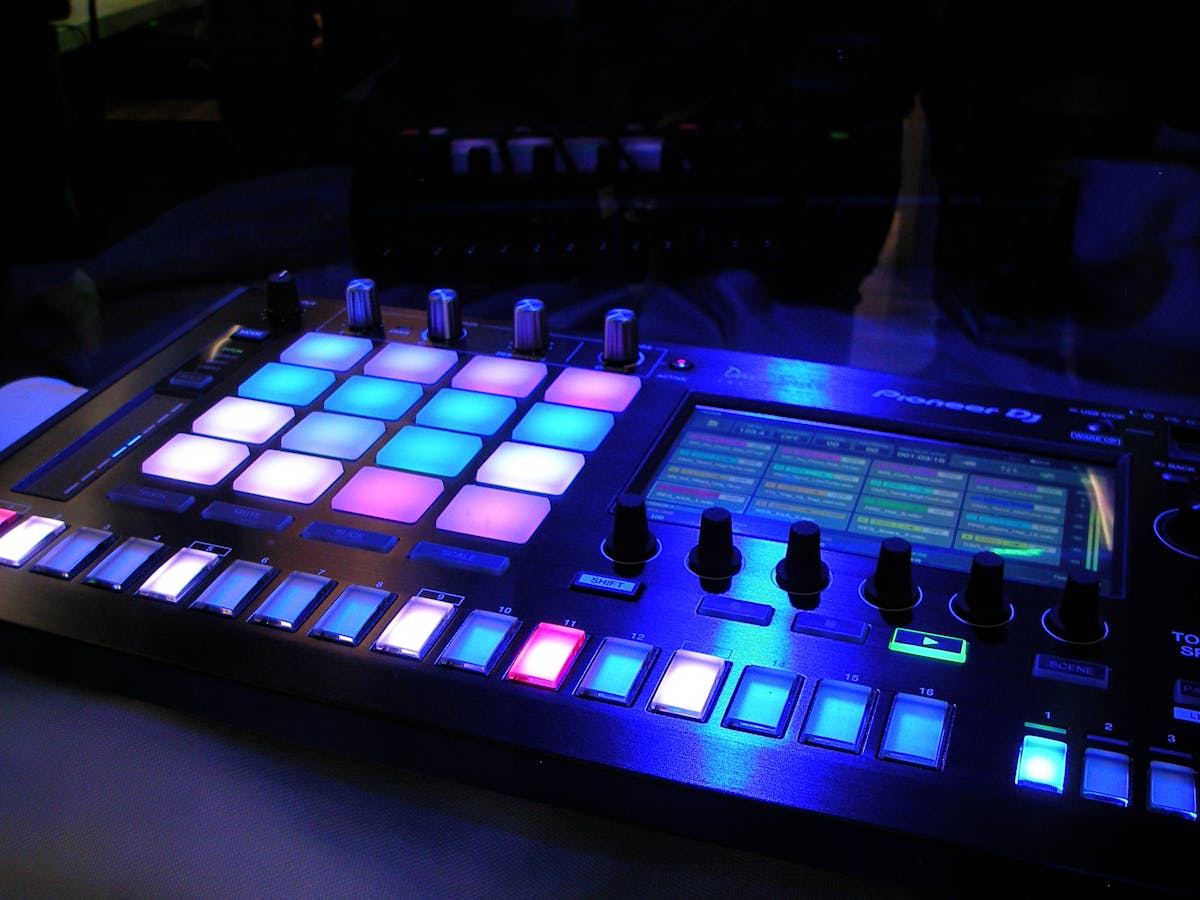
From Novelty to Flashpoint: The Problem and the Opportunity
Generative AI systems have crossed a threshold in music quality. What began as glitchy, pattern‑based loops has become convincing vocal performances, genre‑accurate production, and track‑length compositions that can pass casual listening tests. This creates a dual reality:
- Opportunity: Lowered barriers to creation, new genres and formats, rapid ideation, and tools that can empower non‑musicians and speed up professionals’ workflows.
- Problem: Unclear copyright status, potential mass infringement in training datasets, unauthorized voice cloning, and commoditization of production that may undermine some traditional roles.
Over the past year, several forces have converged to push AI music into the spotlight:
- Consumer tools improved rapidly — Suno, Udio, Stable Audio, and others now output radio‑quality songs in seconds.
- Viral AI tracks — songs mimicking superstar vocalists or “AI collabs” spread rapidly on TikTok, YouTube, and X.
- Legal escalation — lawsuits and policy proposals in the U.S., EU, and other jurisdictions focus on training data licensing and AI labeling.
- Creative adoption — indie artists and producers integrate AI for demos, sound design, and songwriting assistance.
- Policy experiments — collecting societies, platforms, and legislators explore consent, compensation, and authenticity frameworks.
“Generative AI is forcing a once‑in‑a‑generation renegotiation of how creative labor, data, and rights intersect.”
How Modern AI Music Generators Work
Modern AI music generators rely on large-scale deep learning models trained on vast catalogs of audio, lyrics, and metadata. While architectures differ by provider, most systems combine three core components:
1. Text-to-Music Models
Users input a prompt such as melancholic indie rock ballad with female vocals about city lights
. The model encodes this text and maps it to:
- High‑level attributes: tempo, key, genre, mood, instrumentation.
- Structural patterns: verse/chorus/bridge arrangement, intros/outros.
- Production style: mixing, reverb, mastering “texture.”
Diffusion models or autoregressive transformers then generate an audio waveform (or an intermediate representation like a spectrogram) conditioned on these attributes.
2. Lyric and Vocal Synthesis
Many tools generate lyrics and vocals as part of the process:
- Lyrics: language models generate text aligned to the prompt, often using rhyme and meter heuristics.
- Vocal timbre: separate models synthesize singing voices, which may be:
- Generic: non‑specific male/female voices trained on mixed datasets.
- Style‑inspired: voices that resemble a style without claiming to be a specific artist.
- Explicit clones: models intentionally trained to mimic a particular singer, which is where most legal risk concentrates.
3. Training Data and Latent Knowledge
The quality leap in the last 12–18 months reflects:
- Scale: models trained on millions of tracks and stems, sometimes including commercial catalogs.
- Better alignment: improved prompt understanding and mapping from text to audio attributes.
- Fine‑tuning: specialized models for genres (lofi, EDM, orchestral, trap) and use‑cases (background scores, jingles, full songs).
The AI Music Landscape: Key Platforms and Use Cases
A growing ecosystem of AI music services targets different segments: casual users, creators, and enterprise clients. While exact user numbers shift quickly, public signals, search trends, and platform statements suggest rapid adoption.
Major Consumer-Facing Platforms
| Platform | Primary Use Case | Key Features |
|---|---|---|
| Suno | Text-to-song for full tracks with vocals | Lyric generation, multiple styles, quick iteration, social sharing |
| Udio | High‑fidelity AI songs and remixes | Genre‑accurate production, lyric prompts, extended song length |
| Stable Audio | Soundtracks, loops, and production assets | Text‑to‑audio, loop‑friendly outputs, focus on background use |
| TikTok AI Music Tools | In‑app music/snippet creation for short‑form content | One‑tap generation, meme‑friendly, tightly integrated with creation flow |
| Adobe (AI audio features) | Professional workflows (podcasts, video, sound design) | Generative fills, enhancement, integration with Adobe ecosystem |
On top of these, niche tools target specific needs: royalty‑free background music for streamers, adaptive game soundtracks, or procedural meditation and study tracks.
Emerging Usage Patterns
- Memetic content: AI songs created as jokes, parodies, or “what if X sang Y” scenarios, often tied to trends on TikTok or X.
- Serious releases: indie artists releasing AI‑assisted tracks on Spotify, Apple Music, and YouTube, sometimes disclosing AI use, sometimes not.
- Productivity: creators generating quick temp tracks for videos, prototypes for clients, or scratch vocals before hiring a singer.
- Experimentation: YouTube channels sharing workflows where AI suggests melodies, chords, or lyrics that human creators refine.

Copyright, Training Data, and Voice Cloning: Legal Fault Lines
The core legal debates revolve around three questions:
- Is training on copyrighted music without a license lawful fair use, or infringement?
- Who owns the output of AI music generators?
- Is cloning a recognizable artist’s voice a copyright issue, a right‑of‑publicity issue, or both?
Training Data and Licensing
Record labels and artist organizations argue that:
- Training on their catalogs without license appropriates value and competes with their works.
- AI models may memorize or closely reproduce copyrighted material.
AI developers respond that:
- Training is a
transformative
use similar to how humans learn from listening. - Models typically store statistical patterns rather than copies of tracks.
Courts in the U.S., EU, and elsewhere are actively addressing similar disputes in text and image domains; music cases are now joining this wave. Some jurisdictions, particularly in the EU, lean toward explicit data mining exceptions with opt‑out mechanisms, while others expect private licensing agreements between AI companies and rights holders.
Ownership of AI-Generated Music
Authorities in several countries have signaled that purely AI‑generated works without meaningful human input may not qualify for copyright protection. That creates a paradox:
- Platforms may license AI output under their own terms (commercial/non‑commercial), but traditional copyright might not apply.
- Creators who substantially edit, arrange, or perform over AI output can often claim copyright in those human contributions.
Voice Cloning and Personality Rights
Unlike training data disputes, voice cloning touches:
- Right of publicity/personality: Using a recognizable voice to endorse or appear in works without consent.
- Consumer confusion: Listeners may believe a song is an official release or collaboration.
- Reputation risk: Deepfake vocals can be used in offensive or misleading contexts.
Some regions already have strong personality rights, while others are crafting AI‑specific rules. Industry groups are pushing for explicit bans or consent requirements on unauthorized generative use of artist likeness and voice.
“The negotiation over AI and music is not only about money, but about agency—who gets to decide how an artist’s voice, style, and catalog participate in machine learning systems.”
How Artists and Producers Are Using AI in Practice
While legal frameworks evolve, creators are already building practical workflows around AI music tools. For many, AI is less about replacing artistry and more about accelerating and augmenting it.
Common AI-Enhanced Music Workflows
- Ideation and Demos
- Use a text prompt to generate multiple rough song ideas.
- Select the most promising outputs and rebuild them with traditional DAW tools.
- Replace AI vocals with human performances to retain emotional nuance and clarity on rights.
- Lyric Co‑Writing
- Prompt AI to propose lyrical variations, metaphors, or additional verses.
- Treat AI suggestions as a writing room partner—editing heavily and retaining clear human authorship.
- Sound Design and Atmospheres
- Generate textures, pads, soundscapes, and subtle rhythmic elements.
- Layer generated material behind primary recorded instruments and vocals.
- Rapid Prototyping for Sync and Clients
- Create quick sketches for film, game, or commercial briefs.
- Once approved directionally, recreate final cues with licensed or original material.
Practical Risk-Management Guidelines for Creators
- Avoid cloning specific artists without explicit written permission.
- Read platform terms to understand commercial rights, attribution requirements, and data retention.
- Keep a clear audit trail of your process (prompts, edits, recordings) in case authorship questions arise.
- Disclose AI involvement transparently when pitching to labels, supervisors, or brand clients who may have policies on AI usage.
- Use AI as scaffolding, not crutch: prioritize unique melodies, arrangements, and performances that reflect your distinct style.
Do Listeners Care if Music Is AI-Generated?
Early evidence from streaming platforms suggests a split:
- Context‑driven listeners (study, sleep, focus, ambient) often care more about mood than authorship.
- Artist‑driven listeners (fans of particular performers, bands, or scenes) care deeply about human stories and authenticity.
Playlists labeled AI‑generated
, neural beats
, or AI lofi
have gained traction largely through curiosity and novelty. Over time, these labels could either normalize AI music or become a warning sign depending on perceived quality and ethics.
| Context | Key Listener Priority | AI Music Adoption Likelihood |
|---|---|---|
| Study / Focus / Sleep | Consistent mood, long playtime, non‑distracting | High |
| Background music for streams | DMCA safety, mood fit | High (royalty‑free AI tracks attractive) |
| Pop / Artist‑centric listening | Connection to performer, cultural context | Medium to Low (depends on transparency and quality) |
| Niche subcultures & fandoms | Identity, community, authenticity | Low (AI more accepted as tool than as primary artist) |
Emerging Frameworks: Consent, Compensation, and Labeling
Policymakers, collecting societies, and platforms are experimenting with frameworks to manage AI music’s impact. While specifics differ across regions, several themes recur:
1. Consent-Based Training and Opt-Out Mechanisms
- Requiring AI companies to disclose training data sources more transparently.
- Allowing rights holders to opt out of text and data mining in certain jurisdictions.
- Exploring collective licensing schemes where labels or societies negotiate on behalf of many artists.
2. Revenue Sharing for AI-Generated Music
Some proposals envision:
- Training royalties: payments for including catalogs in AI training datasets.
- Usage royalties: a share of revenue from commercial exploitation of AI outputs linked to specific catalogs or style models.
- Artist‑approved AI voices: official voice models where artists license their voice for a cut of downstream revenue.
3. Labeling and Authenticity Standards
To address deepfakes and confusion, stakeholders are considering:
- “AI‑generated” or “AI‑assisted” tags on streaming platforms and social media.
- Content credentials: cryptographic signatures or metadata indicating how a track was created (e.g., initiatives similar to the Content Authenticity Initiative).
- Clear disinformation rules: policies banning deceptive use of AI to impersonate artists or fabricate endorsements.
Actionable Strategies for Key Stakeholders
For Independent Artists
- Define your AI boundaries: Decide in advance which parts of your workflow you’re comfortable augmenting with AI (e.g., only demos and sound design, not final vocals).
- Build a transparency narrative: Communicate openly with fans about how you experiment with AI; position it as a tool, not a replacement.
- Protect your voice and brand: Monitor major platforms for obvious clones; consider working with distributors or legal counsel if misuse scales.
- Diversify income: Focus on experiences AI cannot replicate easily—live shows, personalized content, community memberships, and bespoke commissions.
For Producers and Studios
- Use AI to prototype, not finalize, when rights are ambiguous: Treat AI output as sketches you later re‑record and license conventionally.
- Maintain high‑value human skills: arrangement, taste, artist development, and mix translation remain premium capabilities.
- Develop AI‑aware contracts: clarify with clients whether and how AI tools are used, and who owns what.
For Labels, Publishers, and Rights Organizations
- Audit catalog exposure: Understand where your works might already be included in AI training via public or partner datasets.
- Pursue structured negotiations with major AI providers rather than only litigating piecemeal; clarify license scope and compensation models.
- Invest in detection and forensics: tools to identify cloned voices, suspicious releases, or catalog‑derivative outputs at scale.
- Educate rosters: provide clear guidance to artists on safe AI experimentation, disclosure, and takedown options.
Key Risks, Limitations, and Ethical Considerations
Beyond copyright disputes, AI music introduces broader risks that creators and platforms must actively manage:
- Homogenization of sound: Models trained on large, mainstream catalogs may reinforce existing trends and reduce stylistic diversity.
- Dataset bias: Under‑representation of certain cultures or genres can skew what AI suggests and reproduces.
- Over‑automation: Heavy reliance on AI for core creative decisions may flatten individual artistic identity over time.
- Economic displacement: Demand may decline for certain categories of work (e.g., low‑budget jingles, generic background tracks), affecting working composers.
- Security and deepfakes: Malicious actors can weaponize cloned voices for scams, harassment, or reputational damage.
Ethically, the most durable strategies emphasize consent, transparency, and equitable value sharing. AI music is most sustainable when it enlarges creative possibilities rather than exploiting artists or confusing audiences.
The Road Ahead: What to Watch Next
Over the next 2–5 years, several developments will shape how AI music integrates into the creative economy:
- Legal precedents from major court cases clarifying training data legality and liability for AI outputs.
- Standardized labels and content credentials adopted by large streaming services and social platforms.
- Official AI voice partnerships where artists license their voices, opening new revenue streams—and ethical questions.
- Hybrid creative formats combining interactive, generative soundtracks with traditional albums and live performances.
- Improved governance in datasets, including explicit artist opt‑in models and compensation mechanisms.
For creators and industry professionals, the most resilient positioning is:
- Technically literate: understand what AI tools can and cannot do, and where rights risks are concentrated.
- Legally informed: stay updated on evolving guidance from collecting societies, trade groups, and regulators.
- Creatively distinct: double down on identity, narrative, and live or community‑driven experiences that AI cannot easily replicate.
AI music generators are not a passing fad; they are becoming part of the default creative stack. The question is not whether they will be used, but how, under what rules, and to whose benefit. Those who engage thoughtfully—balancing experimentation with clear boundaries and ethical practices—are best positioned to thrive in this next era of music creation.
