
How AI-Designed Drugs and Proteins Are Compressing Drug Discovery from Years to Months
Artificial intelligence is rapidly shifting molecular discovery from an intuition-driven craft to a data-driven engineering discipline. After the breakthrough of AlphaFold’s protein structure predictions, the field entered a new phase: generative AI models that can invent molecules—small-molecule drugs, proteins, enzymes, and materials—with target functions baked into their designs.
Today, transformer and diffusion models trained on millions of structures, reactions, and bioassays propose molecules optimized for potency, solubility, safety, and manufacturability in one step. Automated synthesis and high-throughput screening then test these designs and feed the data back into the models. This closed-loop design–build–test–learn cycle promises to cut discovery timelines from a decade to a few years—or even months for certain targets.
At the same time, dual-use concerns about misuse for designing harmful agents are driving urgent conversations on safeguards, auditability, and responsible access. For scientists, investors, and policy makers, AI-designed drugs and proteins are becoming a central test case for how humanity steers powerful foundation models in high-stakes domains.
Mission Overview: Why AI-Designed Molecules Matter Now
The core mission of AI-driven molecular design is to search vast chemical and sequence spaces more intelligently than humans ever could. The number of possible drug-like small molecules is estimated at 1060–1080, and the number of possible proteins (even at modest lengths) is astronomically larger. Exhaustive exploration is impossible; smart, guided exploration is essential.
AI systems are being tasked with:
- Proposing candidate drugs with high predicted binding affinity and good ADMET (absorption, distribution, metabolism, excretion, toxicity) properties.
- Designing novel proteins that fold reliably and perform specific functions, from catalysis to targeted binding.
- Optimizing leads iteratively as new experimental data become available.
- Reducing failure rates in preclinical and early clinical stages by filtering out liabilities earlier.
“We’re moving from using AI as a prediction tool to using it as a creative partner in molecular design.” — hypothetical paraphrase of views expressed by leading computational chemists in recent editorials.
This transformation is visible across pharma pipelines, biotech startups, and synthetic biology labs, where AI is increasingly embedded into standard workflows rather than treated as a novelty project.
Technology: How Generative AI Designs Drugs and Proteins
Under the hood, the tools reshaping molecular discovery combine multiple AI paradigms—language models, graph neural networks, diffusion models, and reinforcement learning—into integrated platforms. They operate on diverse representations: SMILES strings, molecular graphs, 3D conformations, amino-acid sequences, and full protein structures.
From Structure Prediction to Generative Design
The AlphaFold era proved that deep learning can infer 3D protein structures from sequences with near-experimental accuracy for many cases. Building on this, current systems use:
- Protein language models (pLMs) trained on hundreds of millions of natural and synthetic sequences to learn “grammar rules” of protein folding and function.
- Diffusion models that iteratively refine random noise into valid protein backbones or small molecules with specified constraints.
- Conditional generation, where the model receives a target property profile (e.g., kinase inhibitor with low hERG liability) and generates structures likely to meet those criteria.
Small-Molecule Design Pipelines
A typical AI-driven small-molecule workflow involves:
- Target modeling: Understanding the 3D structure and binding pocket of a protein target via crystallography, cryo-EM, or AI prediction.
- Virtual screening & generation: Using generative models and docking predictors to propose tens of thousands of candidate ligands in silico.
- Multi-parameter optimization (MPO): Simultaneously optimizing potency, selectivity, solubility, metabolic stability, permeability, and safety surrogates.
- In silico triage: Ranking candidates via property predictors and physics-based simulations (e.g., free-energy perturbation methods).
- Synthesis planning: Employing AI retrosynthesis tools to ensure that promising molecules are actually synthesizable with feasible routes.
Protein and Enzyme Design
In protein engineering, the pipeline is analogous but operates on sequences and structures:
- Models propose de novo sequences that fold into designed backbones, constrained by design goals such as thermostability, catalytic geometry, or binding epitope shape.
- Structure predictors (e.g., AlphaFold2, RoseTTAFold, and newer successors) validate that the designed sequences are likely to adopt the engineered fold.
- Physics-based or ML-based tools estimate stability, aggregation propensity, and immunogenicity risk.
Multimodal and Closed-Loop Systems
Leading platforms now integrate:
- Text + structure inputs, where scientists describe design goals in natural language and the system interprets them into constraints.
- Robotic labs that execute synthesis and assays, feeding the results directly back into AI models, as highlighted in multiple preprints since 2023.
- Active learning strategies that prioritize experiments that will maximally improve model understanding, not just confirm current hypotheses.
This fusion of generative AI with robotics underpins the “self-driving lab” concept gaining traction in chemical and biological research.
Scientific Significance: What AI-Designed Molecules Enable
AI-designed drugs and proteins are more than a speed upgrade—they expand what is scientifically and therapeutically possible. Researchers can now explore:
- Non-intuitive chemistries that lie far from traditional medicinal chemistry heuristics.
- De novo proteins with folds not found in nature, potentially unlocking new catalytic strategies or biomaterials.
- Rapid responses to emerging pathogens, where binders, vaccines, or antivirals can be designed and iterated in compressed timeframes.
- Greener catalysis, via enzymes and small molecules tailored for low-energy, low-waste industrial processes.
“The combination of generative models and high-throughput experimentation is effectively giving us a new kind of microscope for chemical space.” — perspective inspired by recent commentary in Science.
Case Studies and Emerging Examples
Recent high-profile publications and preprints have showcased:
- AI-designed antibiotics with novel scaffolds targeting resistant bacterial strains.
- Enzyme variants that improve reaction rates or change substrate specificity, enabling more sustainable synthetic routes.
- Therapeutic proteins and binders engineered to recognize viral antigens or cancer markers with high specificity.
These examples, widely shared on platforms like X (Twitter) and YouTube, reinforce the message that generative models can reach beyond data interpolation to propose genuinely innovative molecular solutions.
Visualizing AI-Driven Molecular Design
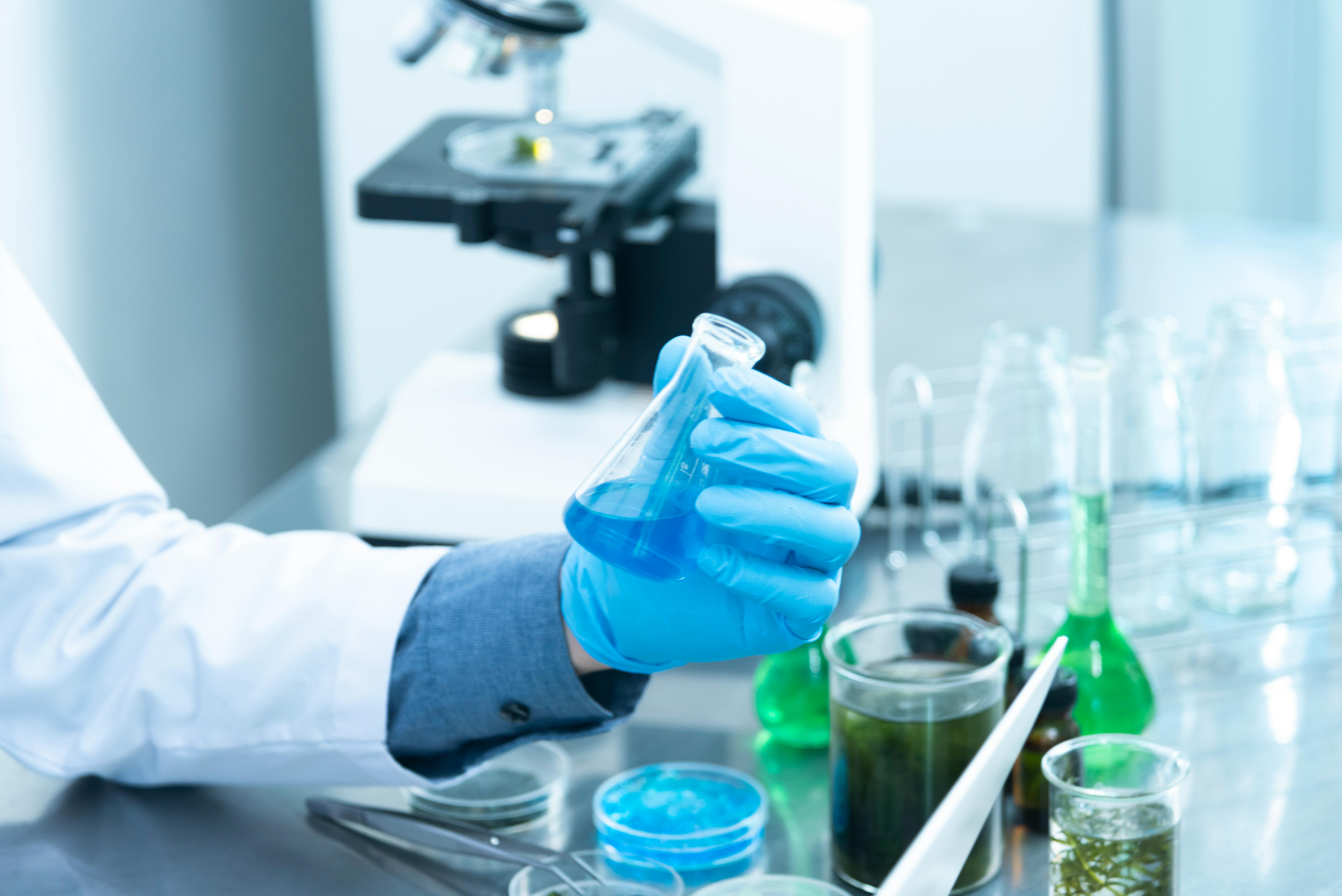
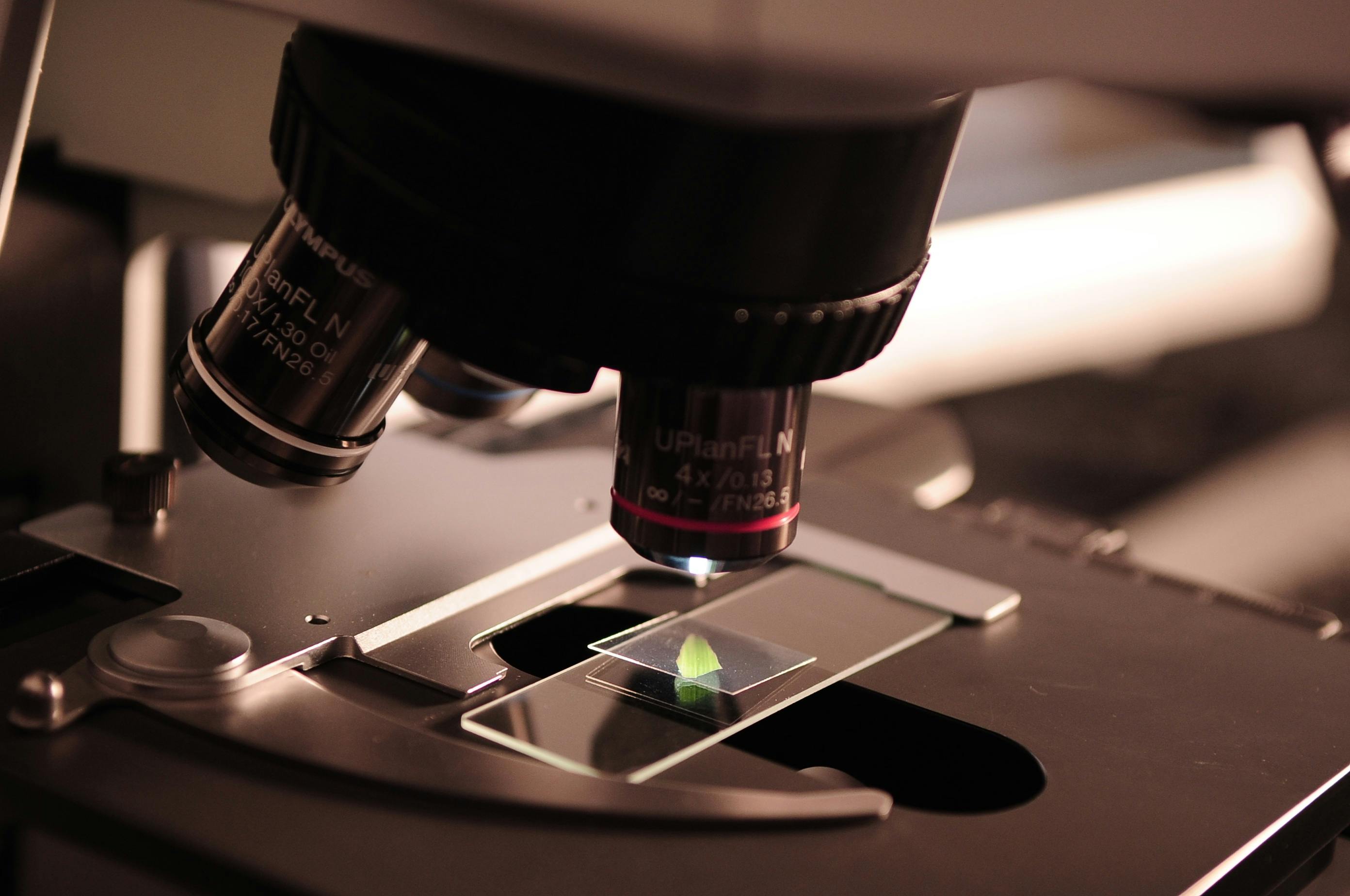
Visual representations help clarify how AI navigates and shapes chemical and protein spaces. Below are illustrative images sourced from reputable, royalty-free providers.

Milestones: From AlphaFold to AI-First Drug Candidates
The trajectory of AI in molecular discovery has accelerated over the past few years, marked by several key milestones.
Key Developments
- Protein structure revolution (2020–2022).
AlphaFold2 and related systems achieved near-experimental accuracy on many protein structures, leading to massive public databases of predicted structures. This provided a structural map on which drug designers and protein engineers could build.
- Commercial AI-designed drugs entering trials (2020s).
Multiple biotech companies announced small-molecule candidates with AI-driven design in their lineage moving into preclinical and early clinical testing, capturing investor and media attention.
- Closed-loop labs and self-driving platforms (2022–2025).
Demonstrations of fully integrated pipelines—AI proposes molecules, robots synthesize and test them, and results are fed back into models—showed the feasibility of autonomous discovery loops in both chemistry and protein engineering.
- Multimodal foundation models for science (ongoing).
Large models trained on text, code, molecular graphs, and structural data are being tuned specifically for scientific tasks, including retrosynthesis, assay planning, and protein interface design.
These advances collectively underpin the current surge of interest and explain why AI-designed molecules are now a recurring theme in high-impact journals and tech conferences alike.
Challenges: Limitations, Ethics, and Biosecurity
Despite rapid progress, AI-designed drugs and proteins face substantial scientific, practical, and ethical challenges that demand sober assessment.
Scientific and Technical Limitations
- Data bias and gaps: Training datasets overrepresent certain target classes and chemotypes, limiting generalization to underexplored biology.
- Property prediction uncertainty: In silico predictors for toxicity, metabolism, and immunogenicity remain imperfect, risking overconfidence in AI-ranked candidates.
- Failure modes in generation: Models may generate molecules that look promising numerically but are synthetically infeasible, unstable, or chemically non-sensical without careful constraints.
- Interpretability: Understanding why a model proposed a given scaffold or mutation is often difficult, complicating scientific insight and regulatory review.
Ethical, Regulatory, and Dual-Use Concerns
The same generative power that accelerates beneficial discovery could be misused to design harmful agents. While technical capability and practical feasibility are distinct questions, the concern has prompted calls for responsible governance.
- Access control for high-capability models that can design potent bioactive molecules.
- Monitoring and auditing of usage to detect anomalous or high-risk design requests.
- Alignment with biosecurity norms and international frameworks, while maintaining legitimate scientific openness.
“We must balance the transformative promise of AI in drug discovery with robust safeguards against misuse.” — sentiment echoed by biosecurity and AI policy experts in recent policy pieces.
Regulatory and Clinical Translation
Regulators will increasingly encounter molecules whose design histories include opaque AI models. Key questions include:
- How to document model training data, assumptions, and validation.
- What kinds of explainability or sensitivity analyses are needed for regulatory submissions.
- How to assess systematic risks if many companies rely on similar foundation models.
Addressing these issues will require dialogue among AI developers, experimentalists, clinicians, and regulatory agencies.
Tools and Resources: Extending AI Molecular Design to More Labs
While industrial players invest heavily in proprietary platforms, a growing ecosystem of open tools and commercial solutions is democratizing access to AI-assisted molecular design.
Hardware and Practical Setup
For academic or startup teams, a pragmatic setup often includes:
- A workstation or small GPU cluster for running generative and predictive models.
- Access to cloud resources for scaling up large-scale screening runs.
- Robust version control and experiment-tracking systems to manage models and data.
For practitioners looking to build or upgrade local compute, books like Deep Learning: A Practitioner's Approach (2nd Edition) can provide a solid foundation in the underlying techniques used in many molecular design models.
Software Ecosystem
Common components of an AI molecular design stack include:
- Chemoinformatics libraries like RDKit for molecular representations and feature computation.
- Deep learning frameworks such as PyTorch or TensorFlow for building custom models.
- Open-source models for retrosynthesis, property prediction, and sequence modeling released by academic and industrial research groups.
Many teams complement these with commercial SaaS platforms that provide user-friendly interfaces to generative workflows, reducing the need for extensive in-house ML engineering.
Staying Informed: Learning, Collaboration, and Community
Because the field evolves rapidly, continuous learning is essential. Scientists and technologists can stay up to date by following:
- Preprint servers such as arXiv q-bio and bioRxiv for the latest AI-for-science research.
- High-impact journals like Nature, Science, and Nature Machine Intelligence.
- Professional networks on platforms such as LinkedIn, where computational chemists and AI-for-biology experts share case studies and job opportunities.
- Conference talks and tutorials on YouTube from meetings like NeurIPS, ICML, and ACS Spring/Fall focused sessions on AI in drug discovery.
Collaborative efforts between computational scientists, medicinal chemists, structural biologists, and ethicists will be decisive in translating technical advances into safe, effective therapies.
Conclusion: Toward an AI-Native Era of Molecular Discovery
AI-designed drugs and proteins represent a structural change in how molecular science is done. Instead of manually enumerating and testing candidates, scientists are increasingly orchestrating an ecosystem of models and automated experiments that explore chemical and sequence space at scale.
Over the coming decade, we can expect:
- More AI-first therapies progressing into late-stage clinical trials.
- Wider adoption of self-driving labs in both academia and industry.
- New regulatory frameworks that explicitly address AI-designed molecules.
- Deeper engagement with biosecurity and ethics communities to mitigate dual-use risks.
Navigating this transition responsibly will determine whether AI’s creative capacity in molecular design becomes a cornerstone of global health and sustainability—or a source of new systemic risks. For now, the balance of evidence suggests enormous potential, provided that transparency, safety, and rigorous validation remain non-negotiable.
Additional Practical Considerations for Labs and Teams
For teams considering integrating AI into their discovery pipelines, several practical steps can increase the likelihood of success:
- Curate high-quality internal data (assays, SAR, structural data) and standardize formats to maximize model utility.
- Start with narrow, well-defined pilot projects (e.g., optimizing a single lead series or specific enzyme property) before scaling organization-wide.
- Invest in cross-training so that chemists, biologists, and data scientists share a common vocabulary and can interpret model outputs together.
- Define robust evaluation metrics that go beyond in silico scores to include synthetic feasibility, cost, and strategic fit within the portfolio.
Ultimately, AI is most powerful when treated as an amplifier of human expertise rather than a replacement. The laboratories that most effectively combine domain intuition with algorithmic exploration are likely to define the next generation of breakthroughs in drug discovery and protein engineering.
References / Sources
Selected reputable sources for deeper exploration:
- Jumper et al., “Highly accurate protein structure prediction with AlphaFold” — Nature
- Editorial perspectives on AI in drug discovery — Science
- News features on AI-designed drugs entering trials — Nature
- arXiv — preprints on AI for chemistry and biology
- bioRxiv — preprints on synthetic biology and protein engineering
- YouTube talks on AI in drug discovery and protein design
