
High-Protein, Low-Sugar Breakfast Bowls to Keep Your Blood Sugar Steady All Morning
Savory High-Protein Breakfast Bowl (Blood Sugar Friendly)
High-protein, low-sugar breakfasts are becoming a favorite way to support stable blood sugar, steady energy, and better metabolic health. This recipe shows you how to build a cozy, savory breakfast bowl that balances protein, fiber, and healthy fats to help blunt glucose spikes while still feeling indulgent and deeply satisfying.
Inspired by the recent surge of interest in “blood sugar friendly” eating and continuous glucose monitor (CGM) experiments, this bowl leans into protein-rich eggs or tofu, fiber-packed oats and leafy greens, and silky healthy fats from avocado and olive oil. Think of it as a modern twist on savory oatmeal meets breakfast grain bowl—deeply comforting, surprisingly light, and designed to keep you feeling full and focused all morning.

Recipe Overview: High-Protein, Low-Sugar Breakfast Bowl
Prep time: 10 minutes
Cook time: 10 minutes
Total time: 20 minutes
Servings: 2 bowls
Difficulty: Easy
Dietary: High-protein, low-sugar, high-fiber; easy gluten-free and vegetarian/vegan adaptations
This savory breakfast bowl starts with creamy oats simmered in broth instead of milk, then gets layered with soft scrambled eggs or tofu, garlicky sautéed greens, avocado, and a drizzle of olive oil. The result is a balanced plate with protein, fiber, and healthy fats that many people find more “glucose steady” than sugary cereals, pastries, or juice-heavy smoothies.
Ingredients for a Blood Sugar Friendly Breakfast Bowl
These amounts make 2 generous bowls. You can easily double or halve the recipe.
Base: Savory Oats
- 1 cup (100 g) old-fashioned rolled oats (use certified gluten-free if needed)
- 2 cups (480 ml) low-sodium vegetable or chicken broth (or water with 1 tsp miso)
- 1 pinch fine sea salt, to taste
- 1 tbsp extra-virgin olive oil
Protein Topping
- 4 large eggs, or 200 g firm tofu for a plant-based option
- 2 tbsp milk or unsweetened plant milk (optional, for creamier eggs/tofu)
- 1 tbsp olive oil or avocado oil
- Freshly ground black pepper, to taste
Veggies & Healthy Fats
- 2 packed cups (about 60 g) baby spinach or kale, chopped
- 1 small zucchini, diced (or bell pepper, mushrooms, or tomatoes)
- 1 clove garlic, minced
- 1 small avocado, sliced
- 2 tbsp pumpkin seeds or sunflower seeds
- 2 tsp extra-virgin olive oil (for drizzling)
Optional Flavor Boosters (Blood Sugar Conscious)
- 2 tsp tamari or low-sodium soy sauce
- 1–2 tsp nutritional yeast for a cheesy, savory note
- 1–2 tsp apple cider vinegar or lemon juice, to drizzle over greens
- Fresh herbs such as chives, parsley, or cilantro, finely chopped
- A pinch of chili flakes or smoked paprika for gentle heat
Equipment You’ll Need
- Medium saucepan for cooking oats
- Medium nonstick or well-seasoned skillet for eggs or tofu and veggies
- Cutting board and sharp knife
- Whisk or fork for beating eggs (if using)
- Wooden spoon or spatula
- 2 deep bowls for serving

Step-by-Step Instructions (With Blood Sugar Friendly Tips)
- Start the savory oats.
In a medium saucepan, combine the oats, broth, and a pinch of salt. Bring to a gentle boil over medium heat, then reduce to a simmer. Stir occasionally until the oats are creamy and tender, about 5–7 minutes. Stir in 1 tbsp olive oil for richness and slower digestion.
- Prep your vegetables.
While the oats cook, rinse and chop your spinach or kale, dice the zucchini (or your chosen veg), and mince the garlic. This is your fiber and micronutrient powerhouse—the part that many CGM users notice helps smooth out glucose curves.
- Cook the greens and veggies.
Heat 1 tsp olive oil in a medium skillet over medium heat. Add the zucchini (or other firm veggies) and sauté for 3–4 minutes until starting to soften and lightly brown. Add the garlic and leafy greens with a pinch of salt, and cook another 1–2 minutes until just wilted and fragrant. Finish with a tiny splash of apple cider vinegar or lemon juice if you like that bright, tangy edge.
- Prepare the protein topping.
For eggs: In a bowl, whisk the eggs with a pinch of salt, pepper, and 2 tbsp milk or plant milk. In a lightly oiled skillet over low–medium heat, pour in the egg mixture and gently scramble, stirring slowly until just set and still soft, 3–4 minutes.
For tofu: Crumble the tofu into bite-size pieces. Heat 1 tbsp oil in a skillet, add tofu, salt, and pepper, and cook 5–6 minutes, stirring, until heated through and lightly golden. You can add a pinch of turmeric and nutritional yeast for a “scrambled egg” feel.
- Season and taste.
Taste the oats, veggies, and protein separately. Adjust salt, pepper, and any extras like tamari, nutritional yeast, or chili flakes. Balanced seasoning makes this bowl craveable enough to ditch sugary add-ons.
- Assemble your blood sugar friendly bowl.
Divide the savory oats between two bowls. Top each with half of the scrambled eggs or tofu, sautéed vegetables, and avocado slices. Sprinkle with pumpkin seeds and fresh herbs. Finish with a drizzle (about 1 tsp per bowl) of extra-virgin olive oil.
- Serve and enjoy mindfully.
Serve warm. If you enjoy the “veggies first” approach, you can eat a few bites of the greens and protein before digging into the oats. Pair with unsweetened tea, coffee, or water for the most blood-sugar-friendly effect.
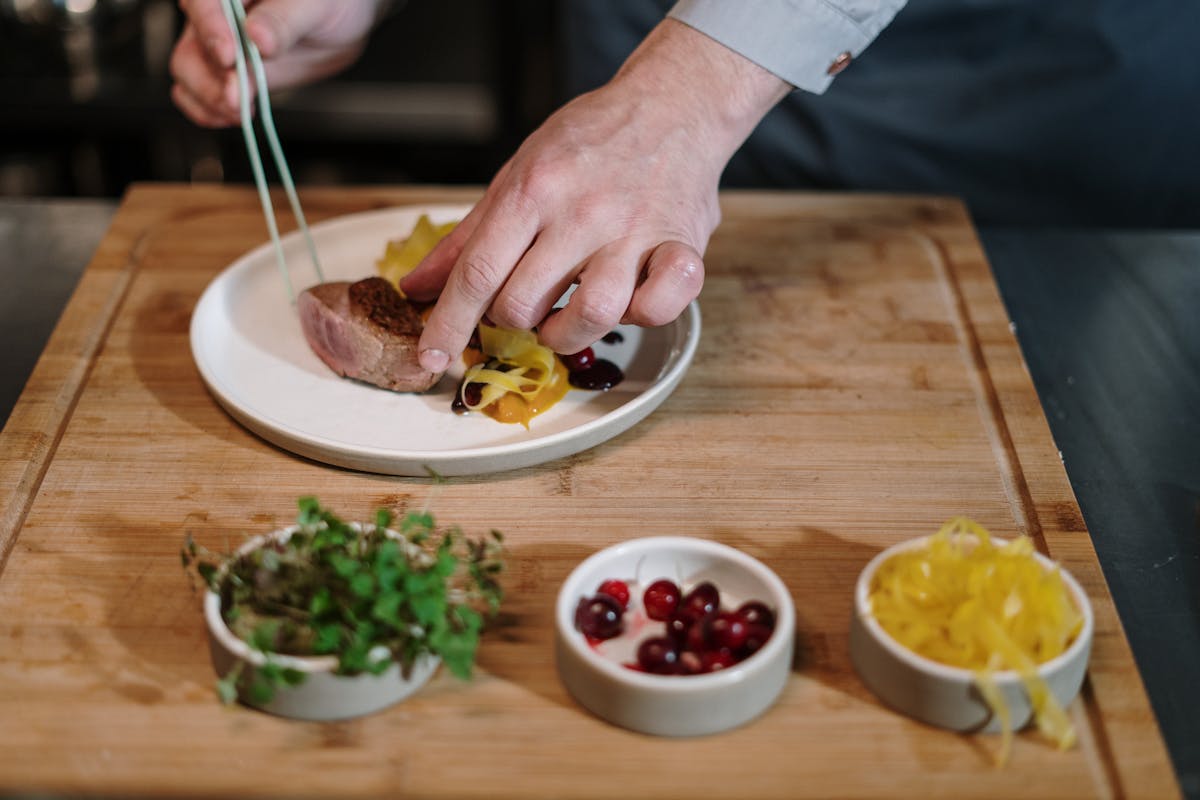
Visual Guide: From Ingredients to Blood Sugar Friendly Breakfast Bowl



Why This Breakfast is Blood Sugar Friendly
Many people wearing CGMs or tracking their energy notice a few consistent patterns: high-protein, low-sugar breakfasts tend to lead to fewer mid-morning crashes, less ravenous snacking, and a calmer appetite later in the day. This bowl is built on those principles.
- Protein (eggs or tofu): Helps slow stomach emptying, supports muscle maintenance, and boosts satiety.
- Fiber-rich carbs (oats and veggies): Provide a more gradual release of glucose compared with refined flour or sugary cereals.
- Healthy fats (avocado, olive oil, seeds): Further slow digestion and make the meal more satisfying and flavorful.
- Minimal added sugar: The recipe relies on savory flavors instead of syrups, juices, or sweetened yogurts.
Variations, Substitutions, and Dietary Adaptations
Make It Vegetarian or Vegan
- Vegetarian: Use eggs and veggie broth; consider adding a scoop of cottage cheese or Greek yogurt on the side for even more protein.
- Vegan: Use tofu instead of eggs, plant-based broth, and nutritional yeast for a cheesy flavor. Drizzle with extra olive oil or tahini for additional healthy fats.
Make It Gluten-Free
- Choose certified gluten-free oats.
- Or swap oats for cooked quinoa or buckwheat groats, which are naturally gluten-free and still fiber-rich.
Flavor Profiles to Try
- Mediterranean: Add cherry tomatoes, olives, feta (or vegan feta), oregano, and a squeeze of lemon.
- Mexican-inspired: Add black beans, cilantro, lime, and a spoonful of salsa or pico de gallo (watch added sugars).
- Japanese-inspired: Use miso in the broth, top with nori strips, sesame seeds, and a soft-boiled egg.
Think of this recipe as a template: whole grain or legume base, a solid serving of protein, at least one generous handful of veggies, and a visible drizzle or sprinkle of healthy fat. Once you’ve got that pattern down, you can riff endlessly with whatever you have in the fridge.
Meal Prep, Storage, and Reheating Tips
This high-protein, low-sugar breakfast bowl is wonderfully meal-prep friendly, especially if your mornings are rushed.
- Fridge: Store the oats, cooked veggies, and protein in separate airtight containers for up to 3–4 days.
- Avocado: Slice fresh just before serving to avoid browning. If prepping ahead, toss in lemon juice and press plastic wrap directly onto the surface.
- Reheating: Warm oats with a splash of water or broth over low heat on the stove or in the microwave, stirring halfway. Reheat veggies and protein gently in a skillet or microwave until just hot.
- Assemble just before eating: Reheat each component, then layer in your bowl, top with avocado, seeds, and a fresh drizzle of olive oil.
Serving Ideas and Complementary Dishes
This breakfast bowl is designed to stand alone as a complete, blood-sugar-friendly meal, but you can round it out with a few thoughtful additions.
- Beverages: Unsweetened coffee or tea, herbal infusions, or water with lemon. If you add milk, choose unsweetened versions.
- Extra fiber: A small side of berries (like raspberries or blackberries) if you want a lightly sweet note without a big sugar hit.
- Snack pairing: If you get hungry later, reach for nuts, a small Greek yogurt, or veggie sticks with hummus to stay aligned with the blood-sugar-friendly approach.
Many people find that starting the day with this kind of balanced, high-protein breakfast makes it easier to make steady, nourishing choices the rest of the day—without feeling restricted or deprived.
Recipe Structured Data (SEO)
The following structured data helps search engines understand this high-protein, low-sugar breakfast recipe and its blood-sugar-friendly focus.
