
High-Protein, High-Fiber Satiety Cooking: Comforting Recipes for Steady Energy & Blood Sugar Balance
High-Protein, High-Fiber Satiety Cooking for Blood Sugar & Weight Control
Satiety-focused eating is having a serious moment, and for good reason: when you build meals around protein and fiber, you stay full longer, your blood sugar hums along more smoothly, and “food noise” tends to quiet down—all without obsessively counting every calorie. Think of it as a kinder, more sustainable way to eat that still respects your health goals.
Below you’ll find a deeply satisfying, high-protein, high-fiber sheet pan salmon & veggie bowl with quinoa and lentils—a satiety superstar that’s as weeknight-friendly as it is blood-sugar-friendly. We’ll walk step-by-step through the recipe, weaving in the science of satiety with real-world cooking tips so you can feel confident and inspired in your kitchen.
Why Satiety Diets Are Trending
Satiety diets—often built around high-protein, high-fiber meals—have exploded in popularity as people search for ways to feel comfortably full on fewer calories, without the food rules of old-school fad diets.
- GLP-1 “spillover” effect: As GLP-1 medications bring appetite hormones into the spotlight, more eaters are asking how to tap into natural satiety with food.
- CGM and blood sugar culture: Continuous glucose monitor fans share graphs showing how protein and fiber blunt glucose spikes, inspiring “blood sugar balancing plates” all over social media.
- Evidence-based approach: Research consistently supports higher protein and fiber for appetite regulation, lean mass preservation, and cardiometabolic health.
Instead of demonizing carbs or fat, this style of eating gently nudges you toward meals that keep you full and energized: plenty of protein, fiber-rich carbs, colorful volume vegetables, and just enough healthy fat for flavor and satisfaction.
Recipe Overview: High-Protein, High-Fiber Salmon & Veggie Satiety Bowls
This recipe is built to tick every satiety box: juicy salmon for protein and omega-3s, a hearty blend of quinoa and lentils for fiber and slow-digesting carbs, and a rainbow of roasted vegetables for volume, crunch, and micronutrients. A zesty, yogurt-based drizzle pulls everything together without overwhelming your calorie budget.
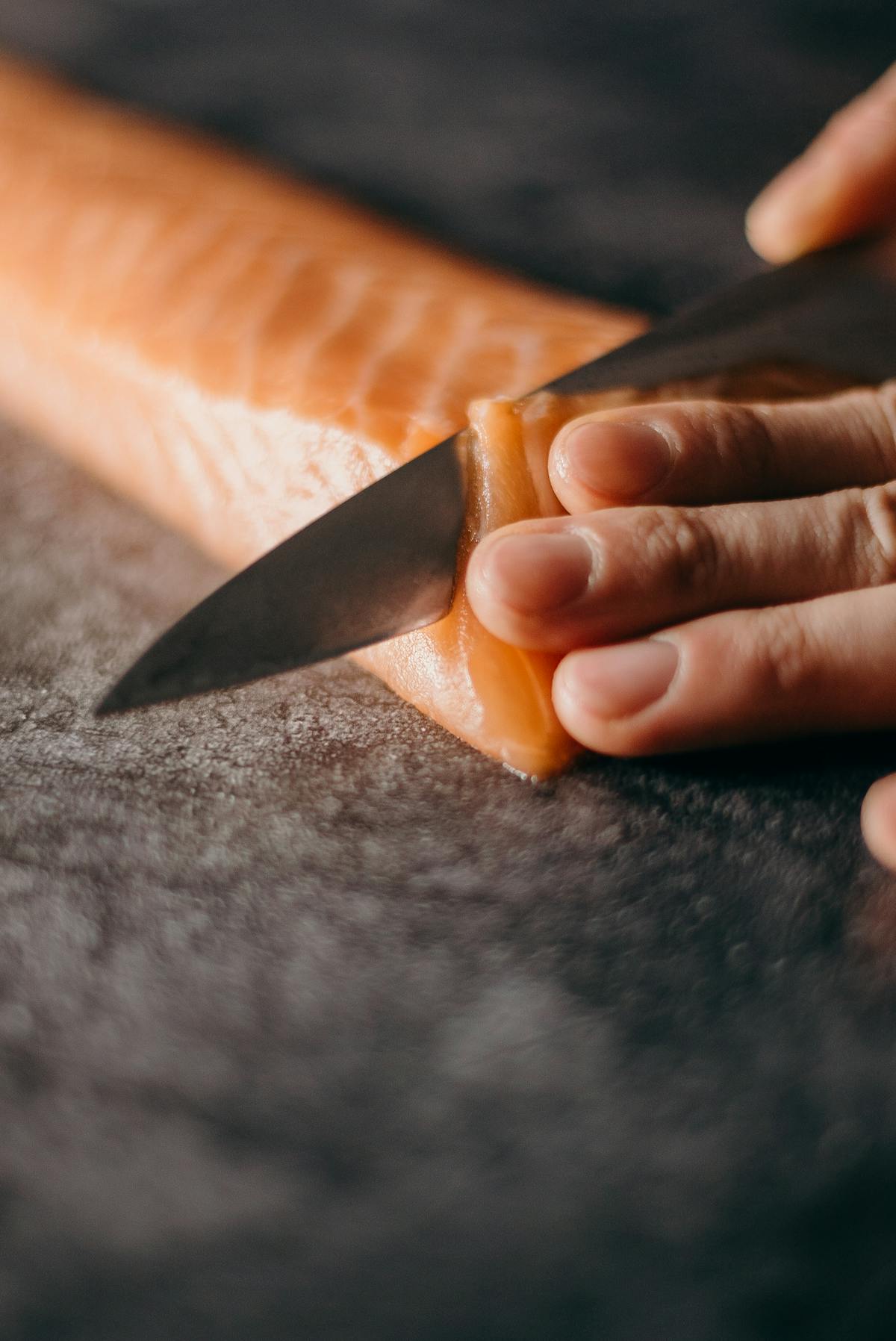
Ingredients & Nutrition-Focused Building Blocks
Ingredients
For the Salmon & Roasted Vegetables
- 4 salmon fillets (about 4–5 oz / 115–140 g each), skin-on or skinless
- 2 cups (about 250 g) broccoli florets
- 1 red bell pepper, sliced into strips
- 1 medium zucchini, halved lengthwise and sliced
- 1 small red onion, cut into wedges
- 2 tbsp (30 ml) extra-virgin olive oil, divided
- 1 tsp fine sea salt, divided (plus more to taste)
- 1/2 tsp freshly ground black pepper, divided
- 1 tsp garlic powder
- 1 tsp smoked paprika
- 1/2 tsp dried oregano
- 1/2 tsp ground cumin
- Zest of 1 lemon
For the High-Fiber Grain & Legume Base
- 1 cup (180 g) dry quinoa, rinsed
- 1 cup (200 g) cooked brown or green lentils (or 1/2 cup dry, cooked separately)
- Pinch of salt, for cooking water
For the Lemon-Herb Yogurt Sauce
- 1 cup (240 g) plain Greek yogurt (2% or 5% milkfat)
- 1 small garlic clove, finely grated or minced
- 2 tbsp (8 g) chopped fresh dill or parsley (or a mix)
- Juice of 1 lemon (use the zested one)
- 1 tbsp (15 ml) extra-virgin olive oil
- Salt and pepper, to taste
Optional High-Satiety Toppings
- 1 ripe avocado, sliced or diced
- 2 tbsp toasted pumpkin seeds or sunflower seeds
- Extra chopped fresh herbs
- Crushed red pepper flakes or Aleppo pepper
- Lemon wedges, for serving
Equipment You’ll Need
- 1 large sheet pan (or two smaller ones) for roasting
- Parchment paper for easier cleanup (optional but recommended)
- Medium saucepan with lid for quinoa
- Small pot for lentils (if cooking from dry)
- Mixing bowls (one for sauce, one for tossing veggies)
- Cutting board and sharp chef’s knife
- Measuring cups and spoons
- Spatula or tongs for serving
Step-by-Step Instructions
Cook the quinoa
Rinse 1 cup quinoa under cold water (this removes bitterness). In a medium saucepan, combine quinoa with 2 cups (480 ml) water and a pinch of salt. Bring to a boil over medium-high heat, then reduce to low, cover, and simmer for about 15 minutes, until the water is absorbed and the grains look fluffy and spiraled.
Remove from heat and let stand, covered, for 5 minutes, then fluff with a fork. This becomes your nutty, high-fiber base.
Cook or prep the lentils
If using canned lentils, simply rinse and drain 1 cup and set aside. If using dry, add 1/2 cup lentils to a small pot with 1.5 cups (360 ml) water. Bring to a boil, then reduce to a gentle simmer and cook 18–20 minutes, until just tender. Drain, season with a pinch of salt, and set aside.
Preheat and prep the sheet pan
Preheat your oven to 400°F (200°C). Line a large sheet pan with parchment for easy cleanup. Add the broccoli, bell pepper, zucchini, and red onion to the pan.
Drizzle the veggies with 1 tablespoon olive oil, then sprinkle with half of the salt and pepper. Toss directly on the pan until evenly coated and spread into a single layer for even roasting.
Start roasting the vegetables
Slide the pan into the oven and roast for 12–15 minutes, until the vegetables just begin to soften and take on a little color. This head start lets them finish cooking at the same time as the salmon.
Roast veggies until tender and caramelized at the edges for maximum flavor and volume. Season the salmon
While the vegetables roast, pat the salmon fillets dry with paper towels—this helps the spices cling and the surface caramelize. In a small bowl, combine the garlic powder, smoked paprika, dried oregano, ground cumin, lemon zest, and remaining salt and pepper.
Rub this spice mixture all over the salmon, then drizzle or brush with the remaining 1 tablespoon olive oil.
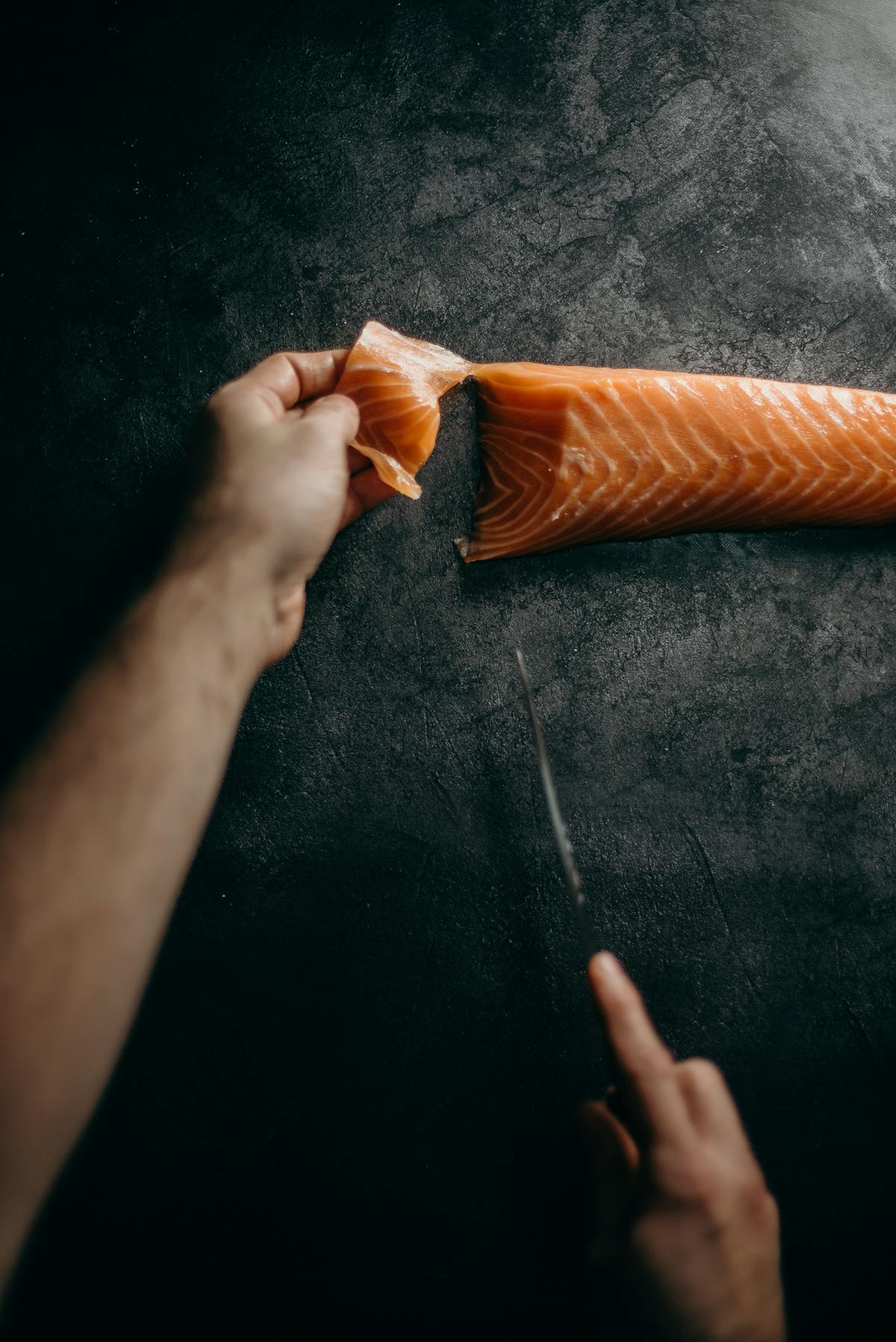
Coat the salmon in a bold spice rub for flavor without excess calories. Roast the salmon with the vegetables
Pull the sheet pan from the oven and carefully push the vegetables to one side, creating space for the salmon. Lay the fillets on the empty half of the pan.
Return the pan to the oven and roast for 10–12 minutes, depending on thickness, until the salmon is opaque and flakes easily with a fork, and the vegetables are browned at the edges but still vibrant.
Sheet pan cooking keeps cleanup easy and helps the meal feel weeknight-accessible. Make the lemon-herb yogurt satiety sauce
While the salmon roasts, stir together the Greek yogurt, grated garlic, chopped dill or parsley, lemon juice, and olive oil in a small bowl. Season with a pinch of salt and pepper, then taste and adjust—more lemon for brightness, more herbs for freshness, more yogurt for extra protein.
Thin with a teaspoon or two of water if needed to reach a spoonable, drizzle-friendly consistency.

Greek yogurt adds tang, creaminess, and an extra boost of protein without heavy cream. Assemble the satiety bowls
In each bowl, add a generous scoop of quinoa and lentils as your base. Top with a mix of roasted vegetables, then gently place a salmon fillet on top.
Spoon or drizzle the lemon-herb yogurt sauce over the salmon and veggies. Finish with optional toppings: creamy avocado slices, toasted pumpkin seeds, extra herbs, and a sprinkle of chili flakes for heat. Serve with lemon wedges for squeezing.

A colorful, high-protein, high-fiber bowl designed to keep you full and your blood sugar steady. For meal prep & leftovers
Let everything cool slightly, then portion grains, lentils, vegetables, and salmon into 4 airtight containers. Store the yogurt sauce separately in a small jar or container.
Refrigerate for up to 3 days. Reheat bowls gently in the microwave (about 1–2 minutes) or covered in a low oven. Add yogurt sauce and avocado after reheating, so they stay fresh and creamy.
Variations, Swaps & Dietary Adaptations
Think of this as a template for satiety bowls—you can plug in different proteins, grains, and vegetables while keeping the same protein-fiber-volume-fat balance.
Dietary Notes
- Gluten-free: This recipe is naturally gluten-free if you use certified GF quinoa and lentils.
- High-protein, pescatarian: As written, it’s pescatarian-friendly with a heavy emphasis on protein and fiber.
- Dairy-free: Swap Greek yogurt for a thick, unsweetened plant-based yogurt and add 1–2 tablespoons tahini for creaminess.
- Lower-carb option: Halve the quinoa portion and increase non-starchy vegetables and salmon to keep satiety high with fewer carbs.
Storage, Reheating & Meal Prep Tips
These satiety bowls are ideal for Sunday meal prep, making busy weekdays feel calmer and more intentional.
- Fridge: Store assembled components (without sauce) in airtight containers for up to 3 days.
- Sauce: Keep the yogurt sauce in a separate jar in the fridge for up to 4 days.
- Reheating: Reheat grains, lentils, veggies, and salmon together in the microwave in 30-second bursts, stirring gently, or in a 300°F (150°C) oven until warmed through.
- Freezer: The quinoa-lentil base freezes well for up to 2 months; salmon and yogurt sauce are best enjoyed fresh or from the fridge.
Serving Ideas & Satiety-Focused Meal Pairings
These bowls are a complete, blood-sugar-friendly meal on their own, but you can round them out depending on your appetite and the season.
- Crisp side salad: Pair with a simple salad of leafy greens, cucumbers, and a light vinaigrette for extra volume and crunch.
- Warming starter: Begin with a small bowl of vegetable or lentil soup to enhance fullness with minimal extra calories.
- Light dessert: Finish with berries and a dollop of Greek yogurt or a sprinkle of chia seeds for a sweet, fiber-rich ending.
- Breakfast spin: Use leftover quinoa-lentil mix and veggies under a fried or poached egg with a spoonful of yogurt sauce.
However you serve it, aim for the classic “blood sugar balancing plate”: half vegetables, a palm-sized portion of protein, a fist of whole grains or legumes, and a thumb of healthy fat.
This simple visual helps keep meals both satisfying and supportive of your long-term goals.
Bringing Satiety Science Into Your Everyday Cooking
Satiety diets aren’t about perfection—they’re about building meals that truly satisfy you, so you can move on with your day without constant cravings or energy crashes. With one simple sheet pan and a pot of grains, you’ve created a dinner that’s generous, colorful, and deeply aligned with the latest science on protein, fiber, and blood sugar control.
Use this salmon & veggie satiety bowl as a template. Swap the protein, rotate the vegetables, try different herbs and sauces. Each time you cook it, you’re not just following a recipe—you’re practicing a way of eating that supports your energy, your metabolism, and your peace of mind around food.
