
High-Protein Girl Dinner: Build a Balanced Snack Plate That Actually Feeds You
High-protein “girl dinner” has grown from a playful TikTok snack plate into a genuinely smart way to build a quick, nutritious mini-meal. Instead of a random handful of crackers and cheese, today’s plates are colorful little feasts: plenty of protein, crunchy vegetables, satisfying healthy fats, and just enough carbs to keep you energized.
Think of it as a build-your-own snack-board dinner: low-effort, endlessly customizable, and perfect when you’re too tired to cook but still want something that feels intentional and nourishing. We’ll walk through an easy, high-protein “girl dinner” formula you can remix all week long—no strict recipe required, just a friendly blueprint.
Quick Summary: High‑Protein Girl Dinner Snack Plate
Prep Time: 10–15 minutes
Cook Time: 0–10 minutes (only if boiling eggs or cooking protein)
Total Time: 10–20 minutes
Servings: 1 main plate (easily scaled up)
Difficulty: Easy (beginner‑friendly)
Diet: High‑protein, customizable for vegetarian, gluten‑free, low‑carb, or Mediterranean‑style.
Instead of a rigid recipe, this is a formula for building your own high‑protein girl dinner plate: choose a protein anchor, add fiber‑rich carbs, layer in healthy fats, then finish with plenty of colorful fruits and veggies.
From Viral Trend to High‑Protein Mini‑Meal
“Girl dinner” started as a joke—those nights when dinner is just a few slices of cheese, some crackers, maybe a pickle or two, eaten over the sink or in front of your phone. TikTok users began sharing their hodgepodge plates, and suddenly this very real, very relatable way of eating had a name.
As the trend grew, dietitians and fitness creators noticed something: many of these plates were charming, but low on protein and often too light to truly count as a meal. The latest wave of content responds to that, turning “girl dinner” into something more intentional—still snacky and fun, but with 20–35 grams of protein, fiber, and healthy fats to keep you satisfied.
Anchor your girl dinner with one solid protein, one high‑fiber carb, one healthy fat, and at least two colors of produce.
Recipe Schema: High‑Protein Girl Dinner Snack Plate
Below is one example combination that hits the popular high‑protein girl dinner goal. Swap freely using the suggestions in later sections to match your preferences or dietary needs.
Ingredients: Build‑Your‑Own High‑Protein Plate
Use this as a template for one generous serving. Adjust portions up or down depending on your hunger, activity level, and whether this is a light lunch or a full dinner.
Protein Anchor (choose 1–2, aim for 20–35 g protein total)
- 1/2–3/4 cup (120–180 g) 2% or 0% Greek yogurt or cottage cheese
- 2 hard‑boiled eggs, peeled (about 12 g protein)
- 3–4 oz (85–115 g) sliced turkey, chicken, or tofu
- 1 small can (3–4 oz / 85–115 g) tuna or salmon, drained
- 1/2 cup (90 g) edamame, shelled (for a vegetarian boost)
Fiber‑Rich Carbs
- 4–8 whole‑grain or seed crackers
- 1 slice whole‑grain bread, toasted and cut into pieces
- 1/2 cup (90 g) lentil or quinoa salad
- 1/3–1/2 cup (60–80 g) bean dip or hummus with veggies
Healthy Fats
- 1/4–1/2 medium avocado, sliced
- 1–2 tbsp (15–30 g) nuts or seeds (almonds, pistachios, walnuts, pumpkin seeds)
- 1–2 tbsp (15–30 ml) hummus or nut/seed butter
- 1–2 tsp (5–10 ml) extra virgin olive oil, for drizzling
- A small handful of olives
Colorful Produce
- 1/2–1 cup (75–150 g) raw veggies (carrot sticks, cucumber, bell pepper strips, cherry tomatoes, snap peas)
- 1/2–1 cup (75–150 g) fresh fruit (berries, grapes, apple or pear slices, citrus segments)
Seasoning & Extras
- Pinch of salt and black pepper
- Everything bagel seasoning, chili flakes, za’atar, smoked paprika, or dried herbs
- Fresh lemon or lime wedge, for squeezing over protein or veggies
Equipment & Tools
- Cutting board
- Sharp knife
- Small bowls or ramekins (for dips, yogurt, cottage cheese)
- Large dinner plate or small board for serving
- Small saucepan (only if boiling eggs or cooking edamame)
- Measuring cups and spoons (optional, for tracking macros)
Step‑by‑Step: How to Build Your High‑Protein Girl Dinner
Use these steps as a gentle guide, not strict rules. The entire process is meant to be relaxed and low‑pressure.
- Choose and prep your protein anchor.
Spoon cottage cheese or Greek yogurt into a small bowl. If using eggs, peel them and slice in half. For tofu or cooked chicken, slice into bite‑sized pieces. For canned tuna or salmon, drain well and season with a pinch of salt, pepper, and lemon.
Start by prepping your protein—eggs, yogurt, cottage cheese, or canned fish keep things fast. - Wash and slice your veggies and fruit.
Rinse everything under cool water and pat dry. Slice carrots and cucumbers into sticks or coins, cut peppers into strips, halve cherry tomatoes, and slice fruit into easy little bites. Aim for at least two different colors—your eyes eat first.
- Add your carbs for staying power.
Arrange whole‑grain crackers, toasted bread pieces, or a scoop of grain/bean salad on the plate. Keep them close to your protein so you can stack and scoop as you eat.
- Layer in healthy fats.
Add a spoonful of hummus or nut butter, a few olives, avocado slices, or a sprinkling of nuts and seeds. Drizzle a bit of olive oil over your veggies or protein for extra richness and flavor.
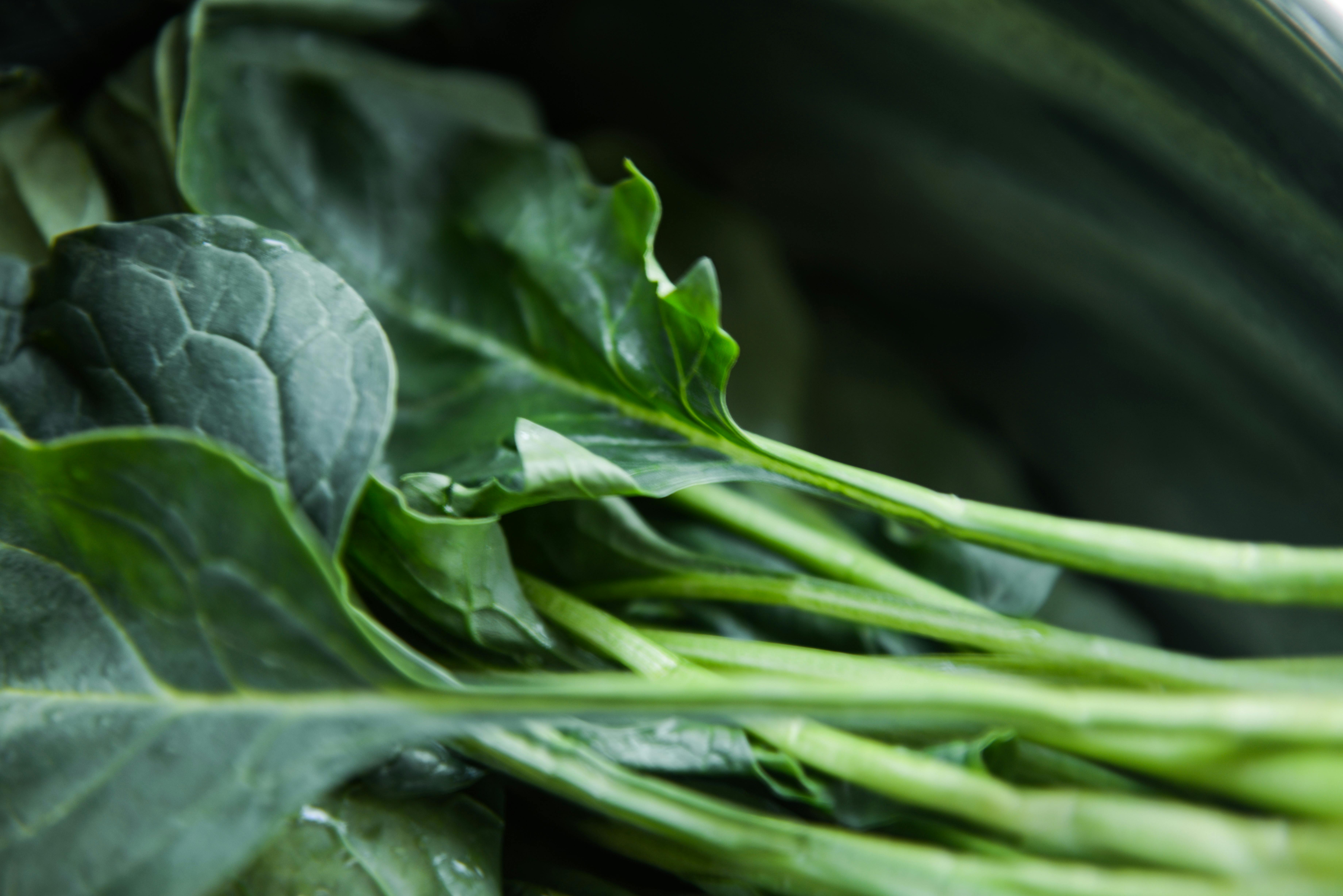
A small drizzle of olive oil or a handful of nuts adds satisfying healthy fats. - Arrange everything in small “clusters.”
Place each component in its own little zone on your plate or board—protein here, crackers there, crunchy veggies in another corner. This snack‑plate style feels fun and automatically portion‑aware.
- Season and finish.
Sprinkle salt, pepper, and any favorite seasonings over your protein and veggies. Add a squeeze of lemon if you like brightness. Pause for a second to appreciate all those colors—and then dig in.
A little seasoning and thoughtful arranging turns simple ingredients into a plate that feels restaurant‑worthy.
Flavor Ideas & High‑Protein Girl Dinner Variations
Once you’ve made one plate, it’s addictive—in the best way. Here are a few themed combos that fit current high‑protein, macro‑balanced trends.
1. Mediterranean High‑Protein Snack Plate
- Protein: Cottage cheese or Greek yogurt + a few slices of grilled chicken or chickpeas
- Carbs: Whole‑grain pita wedges or seed crackers
- Fats: Olive oil drizzle, olives, a spoon of hummus
- Produce: Cucumber, cherry tomatoes, bell pepper, grapes or figs (in season)
- Extras: Za’atar or dried oregano, lemon wedge
2. Vegetarian High‑Protein Girl Dinner
- Protein: Greek yogurt, cottage cheese, or tofu cubes + edamame
- Carbs: Quinoa salad or whole‑grain crackers
- Fats: Avocado slices, nuts or seeds
- Produce: Raw veggie sticks, berries, apple slices
3. Low‑Carb / Higher‑Protein Plate
- Protein: Extra portion of eggs, chicken, tofu, or fish
- Carbs: Fewer crackers; rely more on non‑starchy veggies
- Fats: Avocado, nuts, seeds, olive oil, olives
- Produce: Mostly crunchy veggies, plus a small portion of berries
4. Cozy “Adult Lunchable” Plate
- Protein: Cheese cubes, turkey slices, or cottage cheese
- Carbs: Whole‑grain crackers, small piece of dark chocolate
- Fats: Nuts, olives
- Produce: Grapes, cherry tomatoes, sliced cucumbers
Substitutions & Dietary Adaptations
High‑protein girl dinners are naturally flexible. You can easily shape them around your preferences, allergies, and goals.
Vegetarian
- Use Greek yogurt, cottage cheese, eggs, tofu, tempeh, and edamame for protein.
- Add bean dips, lentil salads, or high‑protein yogurts.
Vegan
- Proteins: marinated tofu, tempeh strips, edamame, seasoned chickpeas, black bean or lentil dips, soy yogurt.
- Fats: avocado, nuts, seeds, tahini, hummus, olive oil.
- Ensure your crackers or breads are egg‑ and dairy‑free.
Gluten‑Free
- Choose certified gluten‑free crackers, rice cakes, or corn tortillas.
- Use quinoa, beans, or potatoes as your carb base instead of wheat bread.
Lower‑Sodium Focus
- Rinse canned beans or fish to reduce sodium.
- Choose fresh proteins (eggs, tofu, plain yogurt) more often than processed meats.
- Flavor with herbs, citrus, and spices instead of heavy salting.
Make‑Ahead, Storage & Reheating Tips
One reason this trend is everywhere: it works beautifully with meal prep. You can batch‑prep components and assemble a plate in minutes.
Fridge Storage
- Hard‑boiled eggs: Up to 7 days in the shell, 3–4 days peeled in an airtight container.
- Cut veggies: 3–4 days in sealed containers; keep wetter items (tomatoes, cucumbers) separate from drier ones (carrots, peppers).
- Cottage cheese & yogurt: Store in original container; use within 5–7 days of opening.
- Cooked grains/beans: 3–4 days in airtight containers.
Reheating (If Needed)
- Most plates are best cold or at room temperature.
- If you prefer warm protein (like chicken or tofu), reheat gently in a skillet or microwave until just warm, then plate with cold items.
Meal‑Prep Strategy
- On a low‑energy day, prep a batch of eggs, washed veggies, and a big container of grains or beans.
- Keep a few ready‑to‑eat proteins (Greek yogurt cups, cottage cheese, canned fish, tofu) on hand.
- Store everything in clear containers so it’s easy to see and grab when you’re tired or busy.
Serving Ideas & What to Pair With Your Girl Dinner
A high‑protein snack plate can absolutely stand alone as dinner, especially if you build it generously. But you can also round it out depending on mood and season.
- For extra coziness: Add a mug of broth‑based soup or a small baked potato.
- For hot summer nights: Pair with sparkling water infused with citrus or herbs; lean into raw veggies and juicy fruit.
- For post‑workout: Increase the protein portion (extra yogurt, cottage cheese, or tofu) and add a carb like whole‑grain toast, rice cakes, or a grain salad.
- For hosting: Turn it into a girl dinner board by scaling everything up, setting out multiple protein options, and letting friends build their own plates.
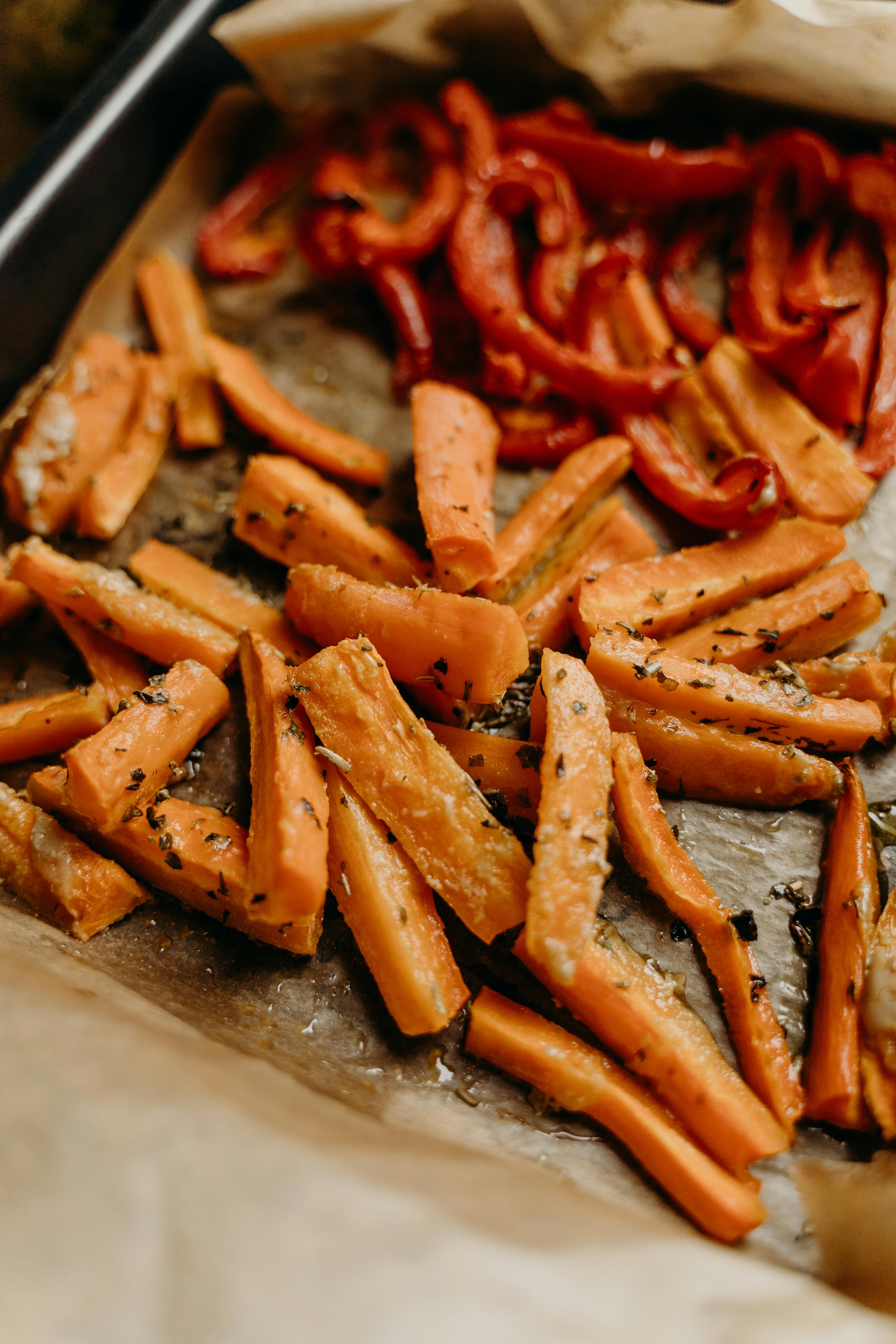
Why High‑Protein Girl Dinners Work in Real Life
The current evolution of the trend lines up with what many nutrition professionals recommend: more protein for satiety and muscle maintenance, a mix of carbs and fats to keep energy steady, and several servings of fruits and vegetables.
A thoughtfully built plate typically offers:
- 20–35 g protein from dairy, eggs, tofu, beans, or lean meats
- 8–12 g fiber from fruits, vegetables, and whole grains
- Balanced fats from nuts, seeds, avocado, and olive oil
The key is intentionality: using the fun, snacky aesthetic as a framework for nourishment rather than restriction. With a few staple ingredients on hand, you can assemble something beautiful, satisfying, and high‑protein in less time than it takes to scroll for takeout.
