
He Was Just 24: What the UK’s Youngest Dementia Patient Can Teach Us About Brain Health at Any Age
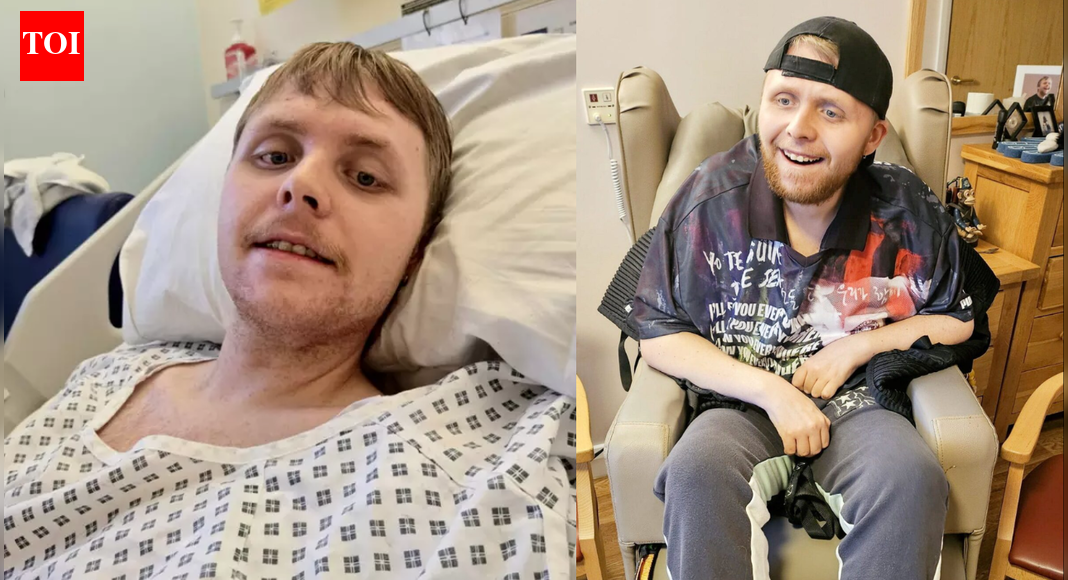
The heartbreaking death of 24-year-old Andre Yarham, recently reported as the UK’s youngest known dementia patient, has shocked many who still think of dementia as an “old person’s disease.” His doctors said his brain resembled that of a 70-year-old, and his rapid decline from frontotemporal dementia has left families and clinicians worldwide asking difficult but necessary questions about how we understand and respond to dementia in younger people.
While cases like Andre’s are extremely rare, they highlight two critical issues: dementia can affect younger adults, and early recognition of symptoms—followed by compassionate, evidence-based care—can make a meaningful difference in quality of life. This article will walk through what is currently known, what symptoms to watch for, and what practical steps you can take to support brain health and seek help if you’re concerned about yourself or a loved one.
The Shock of Early-Onset Dementia: Why Andre’s Story Matters
According to recent reports in early 2026, Andre was diagnosed with frontotemporal dementia (FTD) as a young adult and died at only 24. FTD is a group of disorders that primarily affect the frontal and temporal lobes of the brain—areas responsible for personality, behavior, and language. In Andre’s case, doctors described his brain as comparable in degeneration to that of a much older person.
Most people associate dementia with older age, and statistically that remains true. However, research from organizations such as Alzheimer’s Society UK and peer-reviewed studies in journals like The Lancet Neurology have shown that a small but significant number of people develop symptoms before the age of 65. Within that group, extremely early cases like Andre’s are extraordinary, but they underscore how devastating and complex dementia can be.
“Young-onset dementia is often missed or misdiagnosed for years. People may be told they are stressed, depressed, or just burned out—when in fact an underlying brain disease is progressing.”
— Consultant neurologist, summarizing current clinical experience
What Is Frontotemporal Dementia and How Is It Different?
Frontotemporal dementia is one of the main types of early-onset dementia. Unlike Alzheimer’s disease, which often begins with memory loss, FTD frequently starts with changes in personality, decision-making, or language.
- Behavioral variant FTD (bvFTD): Often presents with apathy, poor judgment, impulsivity, or socially inappropriate behavior.
- Primary progressive aphasia (PPA): Affects language, causing difficulty finding words, understanding speech, or forming sentences.
- Movement-related FTD syndromes: Can overlap with conditions like motor neuron disease.
In younger adults, these symptoms can easily be mistaken for mental health issues, relationship problems, or substance use. That’s one reason early and accurate diagnosis is so difficult—and so important.
Early-Onset Dementia Symptoms: What to Watch For in Younger Adults
The symptoms of dementia in people under 65 can be subtle at first and may not fit the “classic” picture of memory loss. According to current guidelines and research as of 2026, warning signs may include:
- Uncharacteristic behavior changes – sudden lack of empathy, disinhibition (saying or doing things that are socially inappropriate), or risky decisions.
- Personality shifts – becoming unusually apathetic, withdrawn, or emotionally flat.
- Language difficulties – struggling to find common words, mixing up words, or having trouble following conversations.
- Executive function problems – difficulty planning, organizing, or managing finances and daily responsibilities that were once routine.
- Work performance issues – repeated mistakes, missed deadlines, or difficulty learning new tasks without a clear explanation.
- Changes in relationships – conflicts arising from new irritability, impulsivity, or loss of social awareness.
These signs do not automatically mean someone has dementia—many can be caused by stress, sleep issues, depression, or other medical conditions. However, when they are:
- Ongoing for months rather than days or weeks,
- Clearly getting worse over time, and
- Noticeable to multiple people in different settings,
it’s important to seek evaluation from a GP, neurologist, or memory clinic.
Why Young People Are Often Misdiagnosed—and How to Advocate for Answers
One of the most painful parts of stories like Andre’s is how long it can take to reach a correct diagnosis. Younger adults with dementia symptoms are frequently told they are experiencing:
- Depression or anxiety
- Burnout or stress
- Personality disorders
- Relationship or work problems
While mental health conditions are common and real—and may coexist with dementia—dismissing cognitive or behavior changes without further assessment can delay vital support.

If you’re worried about yourself or someone you love, you can advocate for a more thorough evaluation by:
- Keeping a symptom diary – note examples, dates, and how symptoms have changed over time.
- Bringing a trusted person to appointments – they can share observations you might not notice.
- Asking directly about cognitive testing – such as memory and thinking assessments.
- Requesting referral to a specialist – a neurologist, psychiatrist familiar with neurocognitive disorders, or a memory clinic.
- Ruling out reversible causes – including vitamin deficiencies, thyroid disorders, infections, sleep apnea, or effects of medications and substances.
What Does the Science Say About Risk and Prevention?
For families touched by a tragic story like Andre’s, a natural question is: “Could this have been prevented?” In most very-early-onset dementia cases—particularly those diagnosed in the 20s or 30s—there is often a strong genetic component or rare underlying brain disease. At present, we do not have reliable ways to prevent these forms entirely.
However, large studies, including the ongoing Lancet Commission on dementia prevention, intervention, and care, estimate that up to 40% of dementia cases overall may be linked to modifiable risk factors across the life course. These include:
- High blood pressure and cardiovascular disease
- Diabetes and obesity
- Hearing loss (especially untreated),
- Smoking and heavy alcohol use,
- Social isolation and depression,
- Physical inactivity and low levels of education or cognitive stimulation.
“Dementia is not an inevitable part of aging. While we cannot change every risk, a brain-healthy lifestyle across adulthood appears to delay or reduce the likelihood of symptoms for many people.”
— Summary of findings from recent dementia prevention research
It’s important to be honest: no lifestyle plan can promise that you will never develop dementia. But supporting your brain through evidence-backed habits can shift the odds in your favor and improve overall health, regardless of your risk.
Practical Steps to Support Brain Health at Any Age
If news of a young dementia patient leaves you feeling anxious or helpless, it can be grounding to focus on what you can influence—even if some forms of dementia, like Andre’s, are not fully preventable.
Evidence-based ways to support brain health include:
- Protect your heart to protect your brain
Manage blood pressure, cholesterol, and blood sugar with the help of a clinician. Aim for regular aerobic activity such as brisk walking, cycling, or swimming most days of the week. - Prioritize sleep
Poor, fragmented sleep is linked to cognitive decline. Aim for 7–9 hours of consistent, good-quality sleep and seek help for insomnia or suspected sleep apnea. - Challenge your mind
Lifelong learning, complex hobbies, and mentally demanding work support “cognitive reserve” that may help the brain cope with disease for longer. - Stay socially connected
Isolation has been repeatedly associated with higher dementia risk. Nurturing relationships, community involvement, and meaningful activities are not just “nice to have”—they’re protective. - Limit smoking and heavy alcohol use
Both are linked to increased risk of cognitive decline. If cutting back feels overwhelming, talk with your GP about structured support programs. - Care for your mental health
Depression, chronic stress, and trauma can all impact brain function. Seeking therapy or counseling is an investment in both mental and cognitive health.

Common Obstacles: Fear, Stigma, and “Am I Overreacting?”
Many people hesitate to talk about memory or behavior changes because they’re afraid of what it might mean. Younger adults may worry they won’t be taken seriously, or they may dismiss symptoms as just stress.
Some common internal barriers include:
- Minimizing symptoms: “Everyone forgets things sometimes; I’m probably just tired.”
- Fear of diagnosis: “If I don’t get tested, maybe it isn’t real.”
- Guilt or shame: Worrying that loved ones will be burdened or will judge them.
From a clinical perspective, seeking help early almost always puts you in a stronger position—whether dementia is the cause or not. If it is dementia, early detection can open:
- Access to specialist teams and support services,
- Opportunities to participate in clinical trials,
- More time to plan for care, work, and legal matters,
- Support for carers, partners, and families.
A Brief Case Reflection: When “Stress at Work” Was Something More
In clinic, I once reviewed a case summary of a man in his late 30s—let’s call him “James”—who had been struggling at work for several years. At first, his manager thought he was simply overwhelmed. He misplaced files, missed meetings, and became unusually blunt with colleagues.
Over time, his partner noticed other changes: he stopped showing interest in their children’s activities, spent impulsively online, and seemed emotionally distant. Multiple professionals initially attributed the problems to depression and workplace stress.
Eventually, a neurologist performed a detailed cognitive assessment and brain MRI. The scans showed atrophy in areas typical of behavioral variant frontotemporal dementia. While the diagnosis was devastating, it finally gave the family an explanation. They were able to:
- Access specialist support and financial advice,
- Adjust his work responsibilities and secure disability benefits,
- Receive counseling to cope with changing family roles.
James’s story, like Andre’s but at a different age, illustrates how easy it is to mistake neurodegenerative disease for psychological or social issues—and how crucial it is to look deeper when things don’t add up.
Supporting Someone Living with Young-Onset Dementia
When dementia affects a younger person, the impact on family, friends, and colleagues is often profound. Careers may be interrupted, children may still be at home, and financial pressures can be intense. While every situation is different, carers often find these approaches helpful:
- Learn about the specific diagnosis – Understanding FTD versus Alzheimer’s, for example, can make behaviors feel more “explainable,” even if still painful.
- Adjust expectations – Recognize that what looks like laziness, selfishness, or indifference may be a symptom of brain changes, not a choice.
- Seek practical support – Explore benefits, carers’ allowances, workplace accommodations, and community resources.
- Protect your own mental health – Carer burnout is real. Counselling, peer support groups, and respite care can be lifelines.
- Stay connected – Help the person remain involved in social activities and routines they can still enjoy, adapting as needed.

At a Glance: Young-Onset Dementia vs. “Normal” Forgetfulness
Use the comparison below as a quick mental infographic. It’s not a diagnostic tool, but it can guide decisions about when to seek professional advice.
- Occasional Forgetfulness (Common)
Misplacing keys occasionally, forgetting a name but recalling it later, mixing up appointments during a busy period. - Concerning Changes (Need Evaluation)
Getting lost in familiar places, forgetting important recent events, major personality shifts, struggling with work tasks previously done easily, or behavior that is deeply out of character.

Where to Find Reliable Information and Help
With so many headlines and social media posts, it’s easy to feel overwhelmed or misled. For current, evidence-based information on dementia and brain health, consider:
- Alzheimer’s Society (UK) – information on young-onset dementia, support services, and research updates.
- NHS Dementia Overview – up-to-date guidance on symptoms, diagnosis, and treatment pathways.
- Rare Dementia Support – specialist support for conditions like FTD and young-onset Alzheimer’s.
- World Health Organization – Dementia – global perspective on risk factors and public health strategies.
Moving Forward: Honoring Stories Like Andre’s with Action and Compassion
Learning that someone as young as 24 has died from dementia is deeply unsettling. It confronts us with the reality that the brain is vulnerable—and that illness does not always respect our assumptions about age. At the same time, focusing only on fear does not serve us.
We can honor stories like Andre Yarham’s by:
- Taking persistent, progressive changes in thinking or behavior seriously, even in younger adults.
- Challenging stigma so that people feel safer seeking help early.
- Supporting research into rare and young-onset dementias.
- Looking after our own brain health through realistic, sustainable lifestyle choices.
If a headline about the “UK’s youngest dementia patient” has stayed with you, let it be a prompt—not for panic, but for purposeful attention. Check in with your own health. Start a conversation with someone you’re worried about. Reach out to your GP if something doesn’t feel right.
You cannot control every risk, and you are not to blame for the illnesses you or your loved ones may face. But you can take informed steps, seek timely help, and offer empathy—to yourself and others—as we continue to learn more about how to protect and care for the human brain across a lifetime.
Call to action: If you’re worried about new or worsening changes in memory, language, or behavior—especially if they’re affecting work or relationships—book an appointment with a healthcare professional. Bringing concerns into the open is a sign of strength, not weakness.
