
Gut Health 3.0: Flavor-Packed Fermented Bowl That Loves Your Microbiome Back
Gut Health 3.0 Fermented Fiber Power Bowl (Vegetarian, High-Fiber)
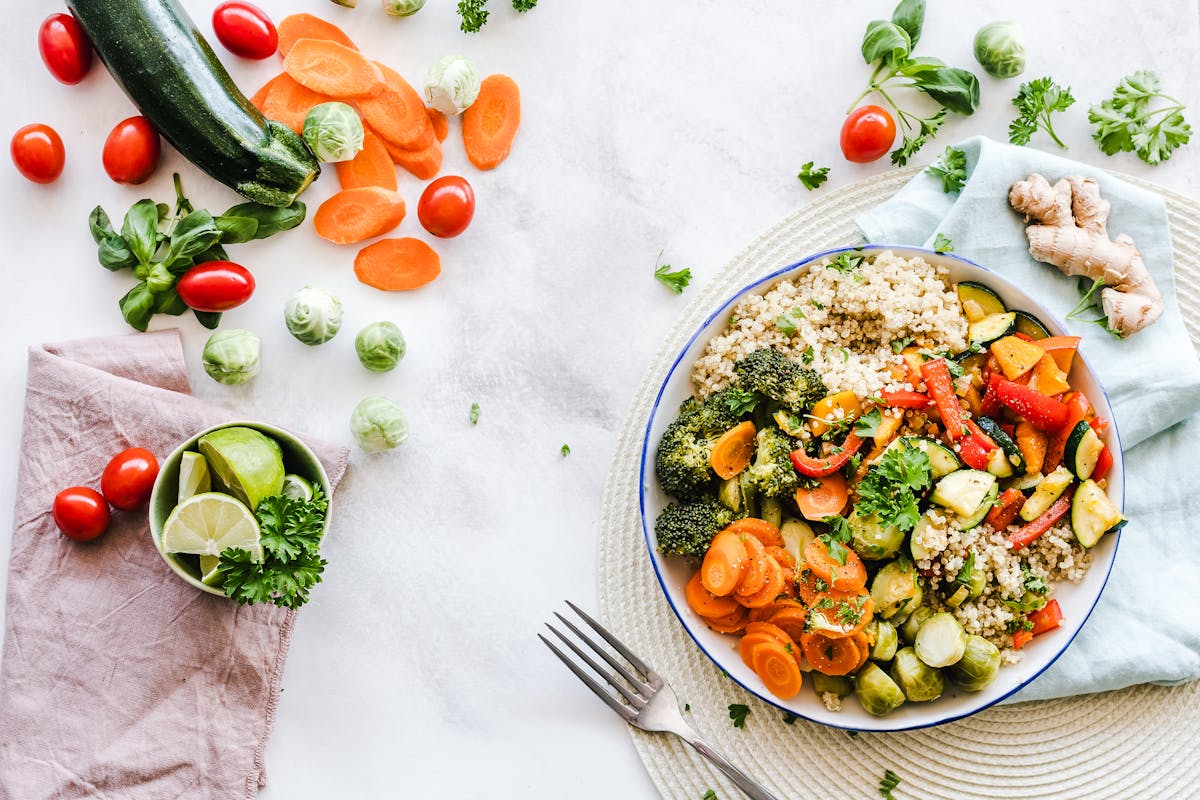
This vibrant gut health grain bowl brings the “Gut Health 3.0” trend straight into your kitchen: think tangy kimchi or sauerkraut, creamy yogurt or kefir drizzle, crunchy seeds, and a rainbow of fiber‑rich plants all piled into one deeply satisfying, weeknight‑friendly bowl. It’s built around the idea of fermented foods + fiber diversity + minimally processed ingredients to help support a happy, diverse microbiome.
Instead of relying on generic probiotic supplements, this recipe leans on everyday foods that are widely featured in current gut‑health content on YouTube, TikTok, and podcasts: fermented vegetables, live‑culture dairy or dairy‑free yogurt, hearty whole grains, and plenty of prebiotic plant fibers. Consider this your delicious shortcut to that “30 different plants per week” challenge—one bowl at a time.
What Is “Gut Health 3.0” and How Does This Bowl Fit In?
Gut health content has shifted from vague “take a probiotic” advice to a more holistic, food‑first approach. Today’s Gut Health 3.0 conversation highlights:
- Fermented foods like kefir, live‑culture yogurt, kimchi, sauerkraut, miso, tempeh, and kombucha.
- Prebiotic fibers—the food for your good bacteria—found in oats, onions, garlic, asparagus, bananas, legumes, and whole grains.
- Plant diversity, often gamified as “eat 30 different plants per week” for a more diverse gut microbiota.
On social media, you’ll see creators building bowls, salads, and snacks that stack these elements together. This recipe is a blueprint version: a flexible fermented grain bowl you can customize with what you have while still hitting those microbiome‑friendly notes.
Dietitians often encourage sustainable basics over extreme “gut reset” protocols: plenty of plants, adequate fiber (around 25–38 g/day), fermented foods if tolerated, and balanced meals with minimal ultra‑processed fare. This bowl checks those boxes in a comforting, real‑life way.
Ingredients for a Gut‑Friendly Fermented Fiber Power Bowl
Measurements below make 2 hearty bowls. Scale up for meal prep or family dinners. Try to include as many different plants as you can—your gut microbes love variety.
Base (Whole Grains & Legumes)
- 1 cup cooked brown rice or quinoa (about 1/2 cup dry)
- 1 cup cooked mixed legumes (such as chickpeas, lentils, or black beans), rinsed and drained if canned
- 1 tablespoon extra‑virgin olive oil (for tossing grains/legumes)
- 1/4 teaspoon fine sea salt, or to taste
Roasted & Fresh Vegetables
- 1 medium carrot, sliced or cut into matchsticks
- 1 cup small florets of broccoli or cauliflower
- 1 small red onion or 2–3 spring onions, sliced
- 1 tablespoon olive oil (for roasting)
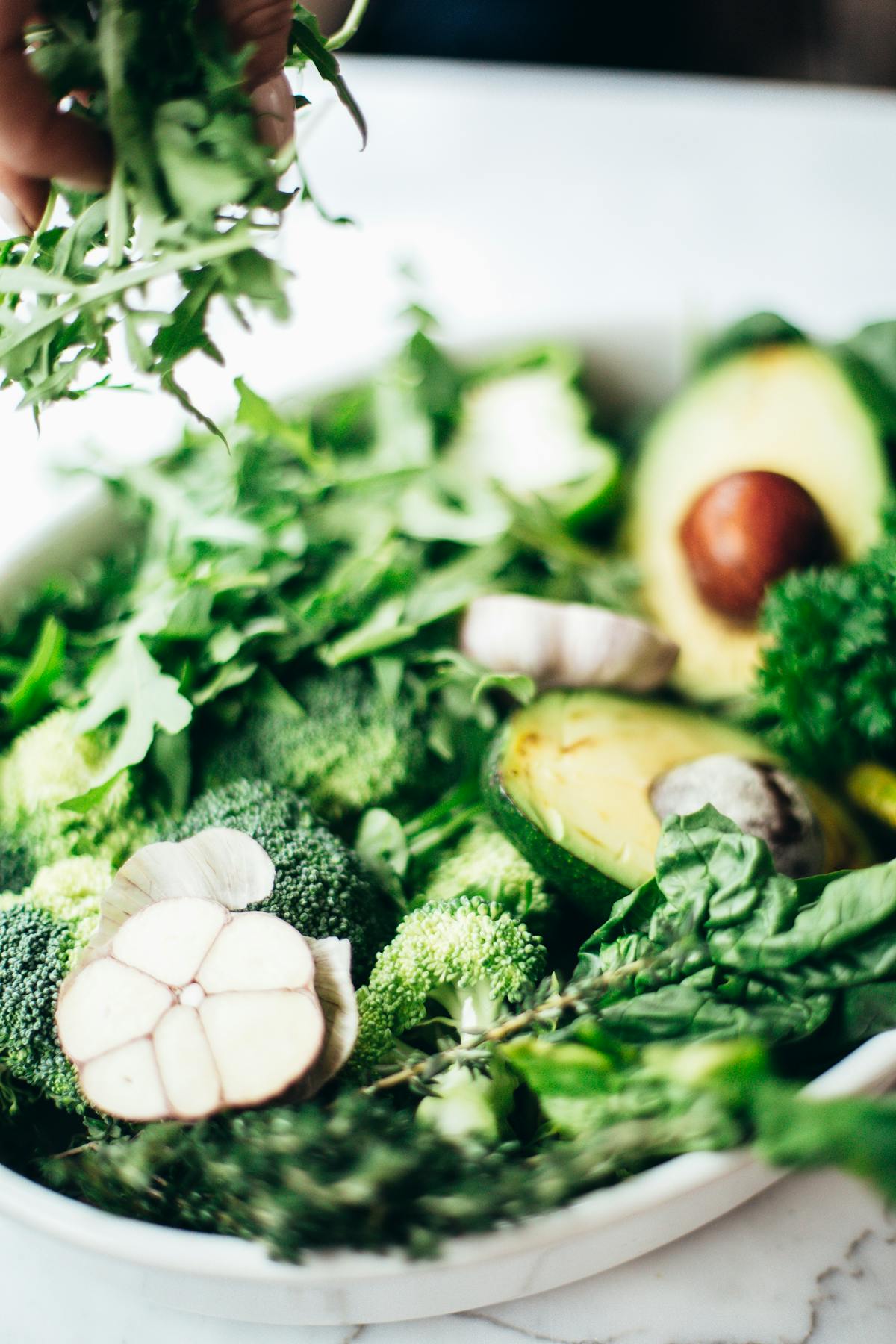
- 1 cup mixed leafy greens (spinach, arugula, baby kale, or lettuce)
- 1 small cucumber, diced or sliced
Fermented Stars
- 1/2 cup kimchi or raw sauerkraut (look for “live cultures” on the label)
- 1/3 cup plain yogurt or kefir (dairy or plant‑based with live cultures)
- 1 teaspoon miso paste (optional, for the dressing)
Crunchy Toppings & Extras
- 2 tablespoons mixed seeds (pumpkin, sunflower, sesame, or hemp)
- 2 tablespoons chopped nuts (almonds, walnuts, cashews) – optional
- 2 tablespoons chopped fresh herbs (parsley, cilantro, dill, or chives)
- 1 small ripe avocado, sliced or diced
- 1/2 lemon or lime, for squeezing over the bowls
- Freshly ground black pepper, to taste
Gut‑Friendly Miso Yogurt Dressing
- 1/3 cup plain yogurt or kefir (use part of the amount above)
- 1 teaspoon miso paste (white or yellow)
- 1 teaspoon extra‑virgin olive oil
- 1 teaspoon honey or maple syrup (optional, for balance)
- 1 small garlic clove, finely grated (or 1/4 teaspoon garlic powder)
- 2–3 teaspoons water, to thin as needed
Equipment You’ll Need
- Baking sheet or roasting pan
- Medium saucepan (for cooking grains/legumes, if not using canned)
- Mixing bowl for dressing
- Sharp knife and cutting board
- Measuring spoons and cups
- 2 deep serving bowls

Step‑by‑Step: How to Make a Fermented Fiber Power Bowl
These steps are intentionally straightforward—perfect for a busy evening when you still want something nourishing for your gut and soul.
- Cook your whole grains (if needed).
Rinse the brown rice or quinoa under cold water. Cook according to package instructions until tender but not mushy. Fluff with a fork, then toss with 1 tablespoon olive oil and a pinch of salt. Set aside, covered, to stay warm. - Prepare and roast the vegetables.
Preheat your oven to 400°F (200°C). On a baking sheet, toss carrot slices, broccoli/cauliflower florets, and sliced onion with 1 tablespoon olive oil and a pinch of salt and pepper. Spread in a single layer and roast for 18–22 minutes, stirring once, until the edges are golden and the veggies are tender but still have a bit of bite. - Wash and chop fresh additions.
While the veggies roast, rinse your leafy greens and pat dry. Slice the cucumber, chop the herbs, and prepare the avocado (slice or dice just before serving to keep it vibrant). - Mix the miso yogurt dressing.
In a small bowl, whisk together yogurt or kefir, miso paste, olive oil, honey or maple syrup (if using), and grated garlic until smooth. Add water, a teaspoon at a time, until the dressing is pourable but still creamy. Taste and adjust: more miso for saltiness and umami, more lemon or lime juice for brightness. - Warm the legumes (optional).
If you prefer warm beans or lentils, briefly warm them in a small saucepan with a splash of water and a pinch of salt over low heat, just until heated through. Drain any excess liquid. - Assemble the bowls.
Divide the warm grains between 2 bowls. Add a generous scoop of legumes to each. Arrange roasted vegetables, leafy greens, cucumber, and avocado in sections on top—it should look like a colorful wheel. - Add the fermented toppings.
Spoon kimchi or sauerkraut into each bowl. Drizzle generously with the miso yogurt dressing. Sprinkle with mixed seeds, chopped nuts (if using), and fresh herbs. Finish with a squeeze of lemon or lime and a few twists of black pepper. - Serve and enjoy slowly.
Serve immediately while the base is still warm and the toppings are cool and crisp. Notice the contrast: warm grains against cool crunch, creamy dressing against tangy kimchi. Eating mindfully can support digestion just as much as the ingredients themselves.
Gut‑Friendly Cooking Tips, Variations, and “30 Plants a Week” Ideas
One of the joys of this recipe is how easily it flexes with your fridge contents while still aligning with microbiome‑supportive eating patterns.
Easy Variations
- Tempeh Protein Boost: Pan‑sear sliced tempeh with a splash of tamari and sesame oil, then add on top for extra fermented protein.
- Miso‑Roasted Veg: Toss veggies with a teaspoon of miso thinned in a tablespoon of water before roasting for deeper umami.
- Breakfast Gut Bowl: Swap grains for overnight oats, use kefir as the base, and top with fruit, nuts, seeds, and a spoonful of yogurt.
- Spicy Lovers: Add a drizzle of chili crisp or sriracha, keeping in mind your personal tolerance for spice and reflux.
“30 Different Plants a Week” Checklist Ideas
In just one bowl, you might include:
- Grains: brown rice or quinoa
- Legumes: chickpeas or lentils
- Veggies: carrot, broccoli, onion, leafy greens, cucumber
- Fermented veg: kimchi or sauerkraut
- Herbs: parsley or cilantro
- Seeds & nuts: pumpkin seeds, sunflower seeds, walnuts, almonds
- Fruit‑family food: avocado (yes, it’s technically a fruit!)
That’s easily 10+ different plants in a single meal—an excellent head start toward your weekly diversity goal.
Serving Suggestions & Complementary Gut‑Friendly Dishes
This bowl is a complete meal on its own—balanced with carbohydrates, fiber, protein, and healthy fats—but you can easily turn it into a full “gut‑health night” spread.
- Serve with a small glass of plain kefir or unsweetened kombucha for an extra fermented sip.
- Add a side of miso soup made with wakame and tofu for more umami and prebiotic seaweed.
- Pair with a simple mixed herb salad (parsley, dill, cilantro, mint) tossed with olive oil and lemon.
- Finish with a fruit & nut bowl—berries, sliced kiwi, a few walnuts, and a spoonful of yogurt.
Storage, Meal Prep, and Reheating Tips
This recipe is meal‑prep friendly—just store components separately to keep textures and those delicate live cultures in top shape.
Storage
- Cooked grains & legumes: Store in an airtight container in the fridge for up to 4 days.
- Roasted vegetables: Refrigerate in a separate container for 3–4 days.
- Dressing: Keep in a small jar or container in the fridge for up to 3 days. Stir before using; thin with a splash of water if it thickens.
- Fermented veggies & yogurt: Keep in their original jars/containers, tightly sealed, and use by the date indicated.
- Fresh greens & herbs: Wrap lightly in a paper towel and store in a breathable bag or container for 3–4 days.
Reheating
- Gently reheat grains and legumes in a pan with a splash of water, or in the microwave until just warm.
- Warm roasted vegetables briefly in the oven or microwave if you prefer them hot, or enjoy them at room temperature.
- Do not heat: kimchi, sauerkraut, or yogurt dressing if you want to preserve their live cultures—add these after reheating other components.
Meal Prep Idea
Batch‑cook grains and legumes at the start of the week, roast a tray of mixed vegetables, and keep a jar of miso yogurt dressing ready. Each day, assemble a fresh bowl with different ferments and toppings—switching up herbs, seeds, and vegetables—to keep your meals exciting and your gut microbes well‑fed.
A Quick Note on the Science & Staying Sane Online
Current research—and the wave of content across TikTok, YouTube, and podcasts—highlights links between the gut microbiome, digestion, immune support, mood, and even skin health through the gut–brain and gut–skin axes. At the same time, many professionals caution against expensive microbiome tests and extreme “gut reset” protocols that aren’t well‑supported by evidence.
Instead, dietitians usually come back to simple, sustainable habits:
- Eat a wide variety of plant foods across the week.
- Aim for roughly 25–38 g of fiber per day, adjusting slowly to your comfort level.
- Include fermented foods if you enjoy and tolerate them.
- Limit highly ultra‑processed, low‑fiber foods most of the time.
This fermented fiber bowl is just one delicious way to live those principles without getting lost in wellness hype. Listen to your body, adjust ingredients to your needs, and enjoy the process—your plate can be both nourishing and deeply comforting.
Recipe Structured Data (SEO)
The following embedded JSON‑LD helps search engines understand this high‑fiber, fermented grain bowl recipe and its gut‑health focus.
