
Gut Health 2.0: Flavor-Packed Fermented Recipes for a Happier Microbiome
Microbiome-Friendly Miso Kimchi Grain Bowl (Gut Health 2.0 in a Bowl)
Gut health has moved far beyond probiotic pills. Today’s “Gut Health 2.0” approach is deliciously food-first: think tangy fermented foods, rainbow vegetables, nutty whole grains, and polyphenol-rich extras like olive oil and herbs. This microbiome-friendly miso kimchi grain bowl brings all those trends together into one vibrant, satisfying meal—deeply savory from miso and kimchi, crunchy with seeds and veggies, and full of the diverse plant fibers your gut microbes adore.
Inspired by Mediterranean-style and plant-forward eating patterns, this bowl layers warm whole grains with crisp vegetables, a silky miso-tahini dressing, and a bright kimchi topper. It’s an easy, everyday way to weave fermented foods, resistant starch, and polyphenols into your routine—without feeling like you’re on a “protocol” instead of simply eating a really good lunch.
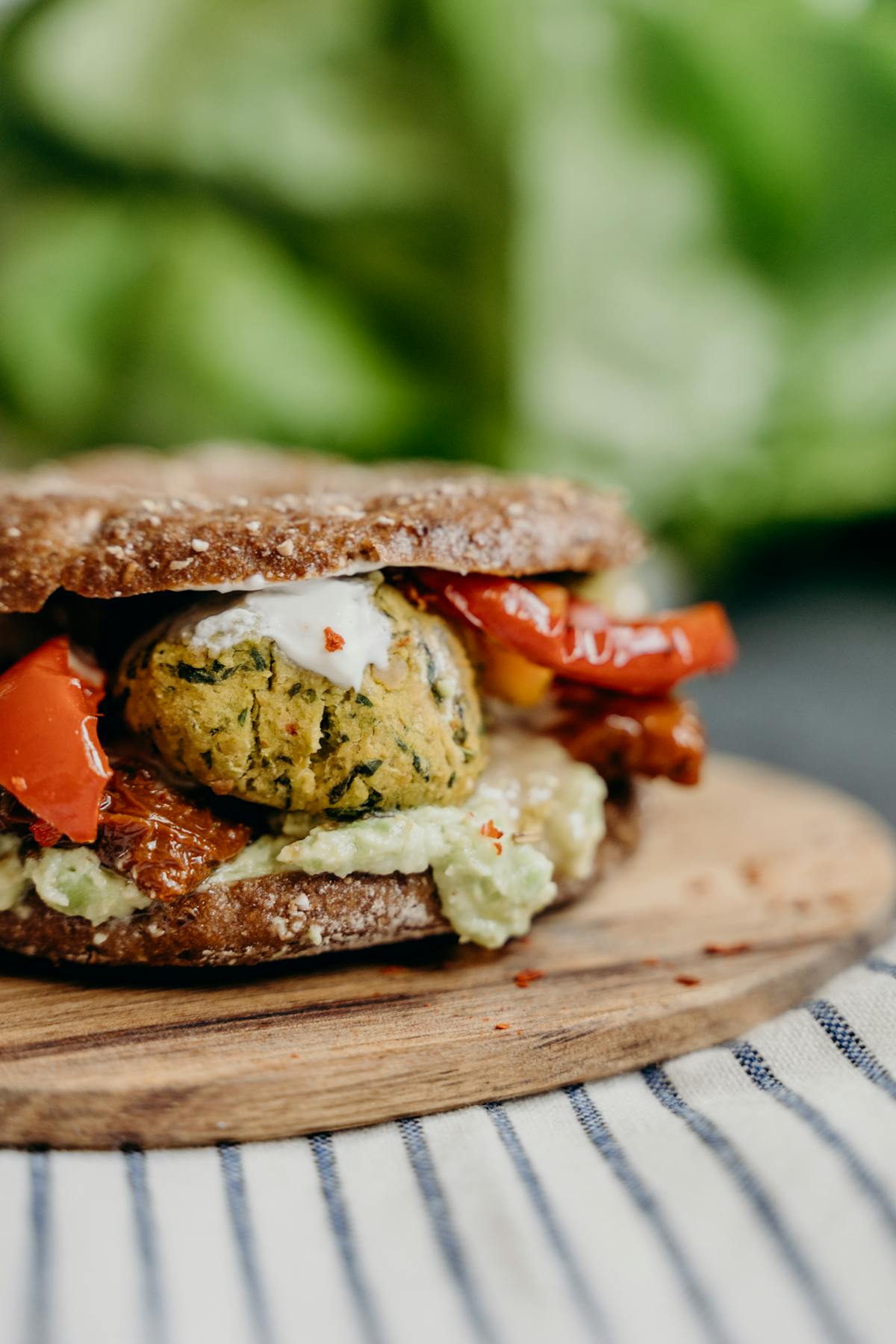
Gut Health 2.0: From Probiotic Pills to Food-First Cooking
The newest wave of gut health content is refreshingly grounded. Instead of obsessing over supplements, gastroenterologists, dietitians, and evidence-based creators are focusing on:
- Fermented foods like yogurt, kefir, kimchi, sauerkraut, miso, tempeh, and kombucha as everyday microbiome boosters.
- Fiber diversity—aiming for 30+ different plants per week rather than just “more fiber.”
- Polyphenol-rich ingredients such as berries, extra-virgin olive oil, green tea, cocoa, and colorful vegetables.
- Resistant starch sources like cooled potatoes, cooked-and-cooled rice, oats, and legumes.
This recipe is built right on that foundation. It features:
- Fermented kimchi and miso for live cultures and big flavor.
- A base of whole grains and legumes for fiber and resistant starch (especially if cooled).
- A rainbow of crunchy vegetables, herbs, and seeds for plant diversity and polyphenols.
Ingredients for a Microbiome-Friendly Miso Kimchi Grain Bowl
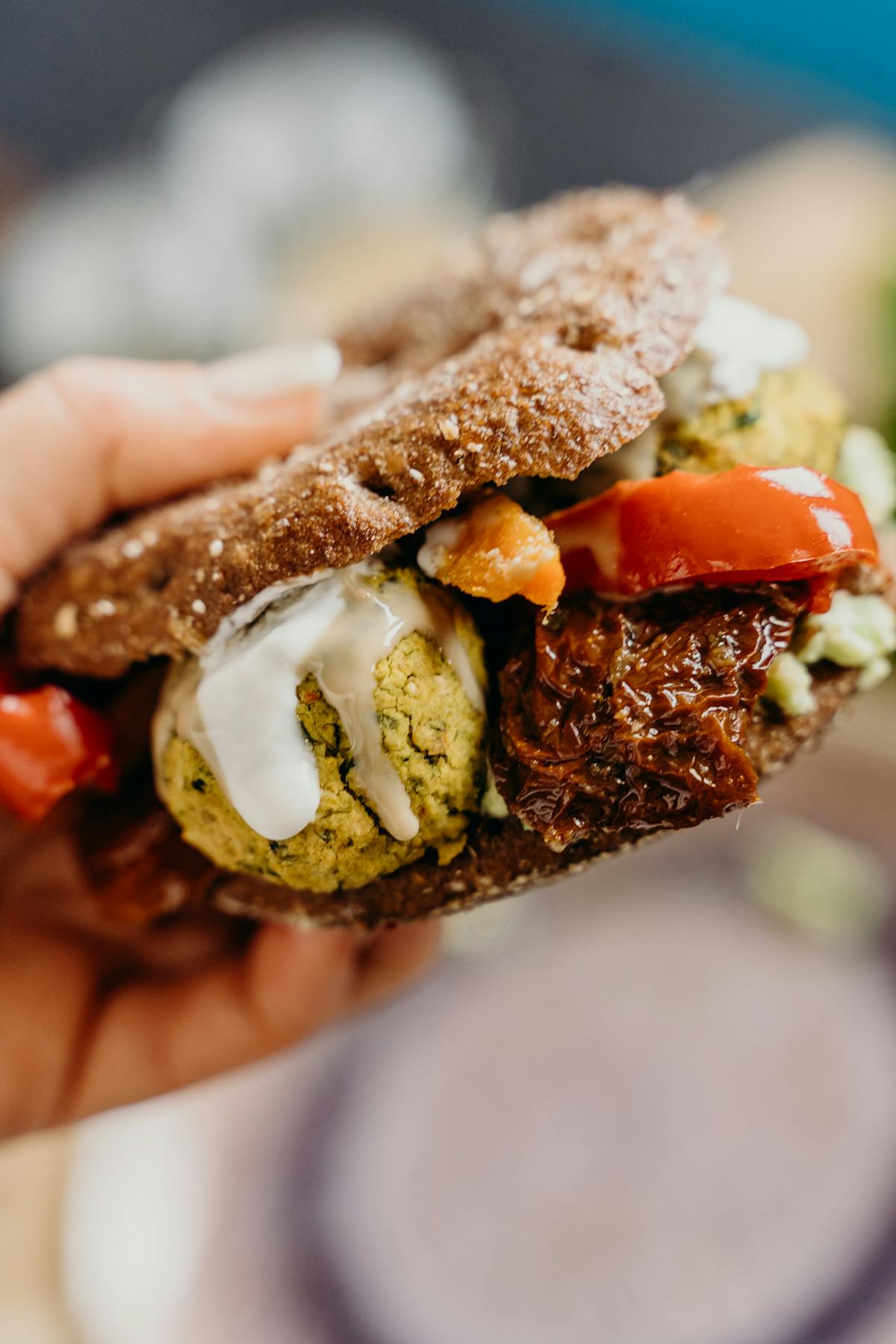
Whole-grain & legume base
- 1 cup (180 g) cooked whole grains – brown rice, quinoa, barley, or a mix
- 1 cup (170 g) cooked legumes – chickpeas, lentils, or black beans, drained and rinsed if canned
- 1 tablespoon extra-virgin olive oil
- 1 small garlic clove, finely minced (optional, can reduce for sensitive guts)
- Pinch of sea salt and freshly ground black pepper
Fermented-tahini miso dressing
- 2 tablespoons tahini
- 1 tablespoon white or yellow miso paste (unpasteurized if possible)
- 1 tablespoon rice vinegar or apple cider vinegar
- 1–2 teaspoons tamari or low-sodium soy sauce
- 1 teaspoon toasted sesame oil (optional, for aroma)
- 2–3 tablespoons warm water to thin
- 1 teaspoon maple syrup or honey (optional, balances acidity)
Vegetable & polyphenol toppings
- 1/2 cup (about 75 g) kimchi, roughly chopped
- 1 small carrot, julienned or grated
- 1/2 small cucumber, sliced into half-moons
- 1/2 small red bell pepper, thinly sliced
- 1/4 small red onion or a few spring onions, thinly sliced
- 1 small handful mixed leafy greens – baby spinach, arugula, lettuce mix, or cabbage
- 1/4 cup fresh herbs – cilantro, parsley, or mint, roughly chopped
Crunchy, gut-loving extras
- 2 tablespoons mixed seeds – pumpkin, sunflower, and/or sesame
- 1 tablespoon ground flaxseed or chia seeds
- Freshly ground black pepper and a pinch of chili flakes (optional)
- Lemon or lime wedges for serving
Equipment You’ll Need
- Medium saucepan or rice cooker for grains
- Cutting board and sharp knife
- Small mixing bowl and whisk or fork (for dressing)
- Large skillet (optional, for warming grains and seeds)
- 2 wide, shallow serving bowls
Step-by-Step Instructions: Building Your Gut-Healthy Grain Bowl
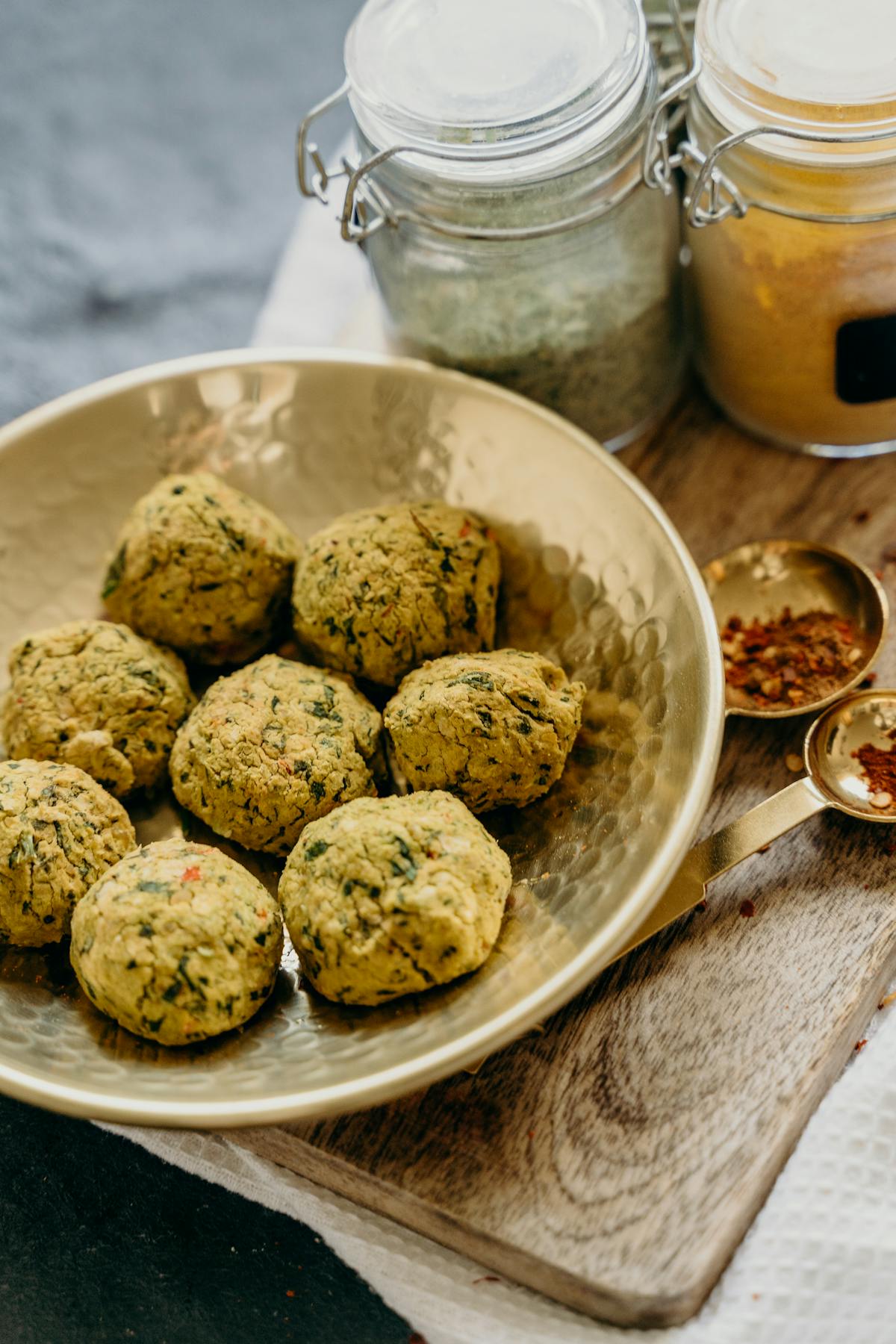
- Cook or reheat your grains.
If starting from uncooked grains, cook according to package directions, then let them cool slightly. For extra resistant starch (a favorite fuel for gut bacteria), cook the grains in advance and chill them in the fridge for several hours or overnight, then gently rewarm before serving. - Prepare the legume base.
If using canned beans or lentils, drain and rinse them. In a skillet over low-medium heat, warm 1 tablespoon olive oil. Add the legumes with a pinch of salt, pepper, and the minced garlic (if using). Sauté for 2–3 minutes, just until fragrant. Combine with the warm grains and set aside. - Mix the miso-tahini dressing.
In a small bowl, whisk together tahini, miso paste, vinegar, tamari, sesame oil, and maple syrup or honey (if using). Add warm water 1 tablespoon at a time, whisking until the dressing is smooth and pourable, like heavy cream. Taste and adjust for salt, acidity, or sweetness. - Prep the veggies and herbs.
Julienne or grate the carrot, slice the cucumber and pepper, and finely slice the onion or spring onions. Roughly chop your greens and herbs. You’re building plant diversity here, so even small handfuls of different vegetables and herbs “count” for your weekly 30+. - Toast the seeds for extra aroma.
In a dry skillet over medium heat, toast the mixed seeds for 2–3 minutes, stirring frequently, until lightly golden and fragrant. Remove from heat and let cool briefly. This simple step adds a nutty aroma and crunch. - Assemble the bowls.
Divide the warm grain–legume mixture between two bowls. Arrange the carrot, cucumber, bell pepper, onion, and greens in small piles on top, leaving space for the kimchi. Add a generous spoonful of chopped kimchi to each bowl. - Dress and garnish.
Drizzle each bowl with the miso-tahini dressing. Sprinkle with toasted seeds, ground flax or chia, fresh herbs, black pepper, and chili flakes if you like a gentle kick. Serve with lemon or lime wedges for squeezing over the top. - Pause and enjoy mindfully.
Take a moment to notice the colors, steam, and aroma—the warm miso, the tang of kimchi, the toasty seeds. Eating slowly and chewing well is one of the simplest, most underrated gut-supportive habits you can practice.
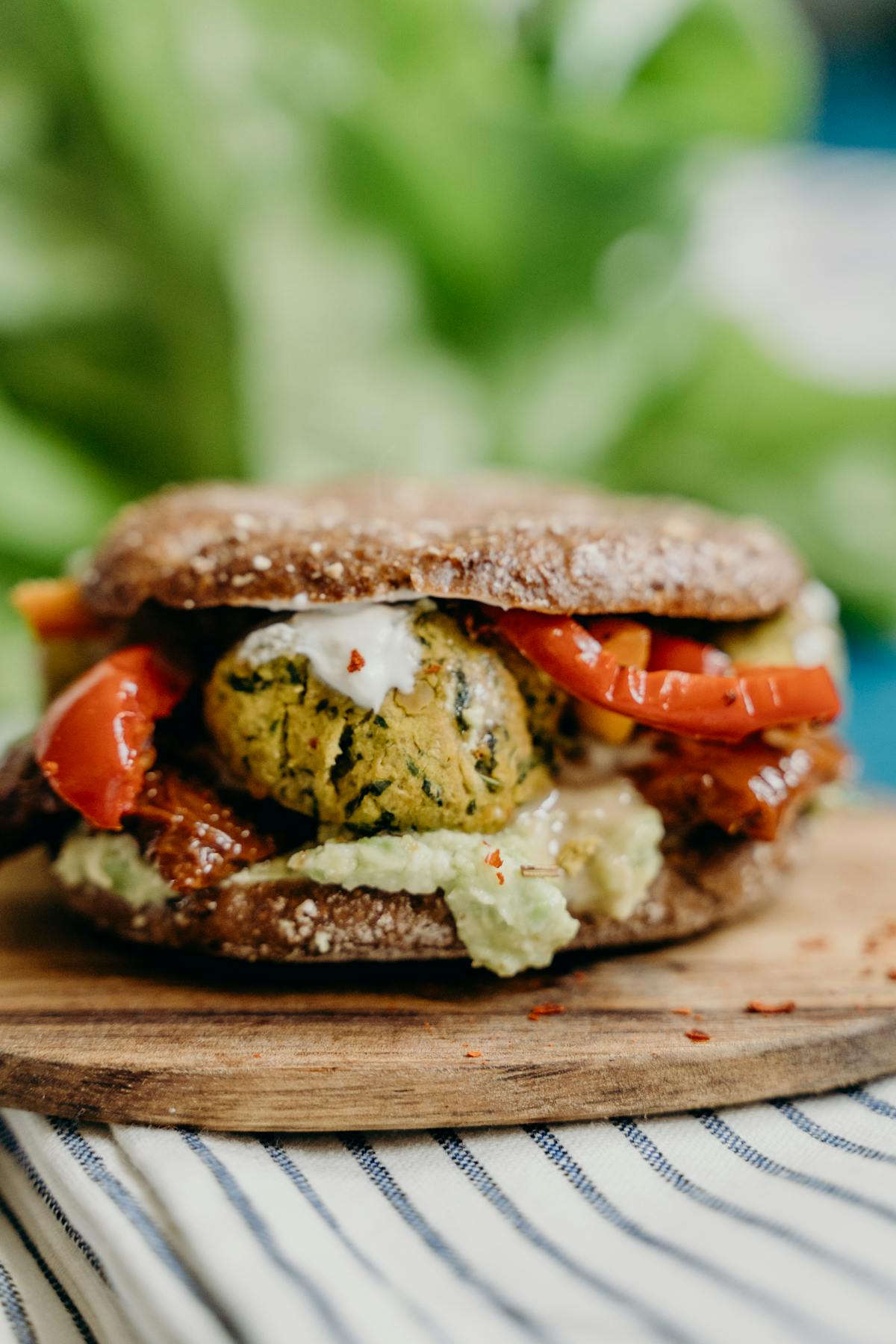
Taste & Texture: What This Gut-Friendly Bowl Feels Like to Eat
Every forkful is a little flavor story:
- Taste: Savory depth from miso and tahini, gentle sweetness from carrot and pepper, bright tang and light heat from kimchi, and a whisper of bitterness from olive oil and leafy greens.
- Texture: Tender, slightly chewy grains; creamy dressing that clings to every grain; crisp vegetables; and crackly, toasted seeds that pop as you bite.
- Aroma: Toasted sesame and seeds, garlicky miso, the lactic tang of kimchi, and the fresh green scent of herbs.
- Appearance: A painter’s palette of colors—orange, green, red, and ivory—layered over a cozy base of grains.
It feels like comfort food, but with the lightness and clarity you get from a vegetable-forward meal. This is “eating for gut health” in the most enjoyable, sustainable way.
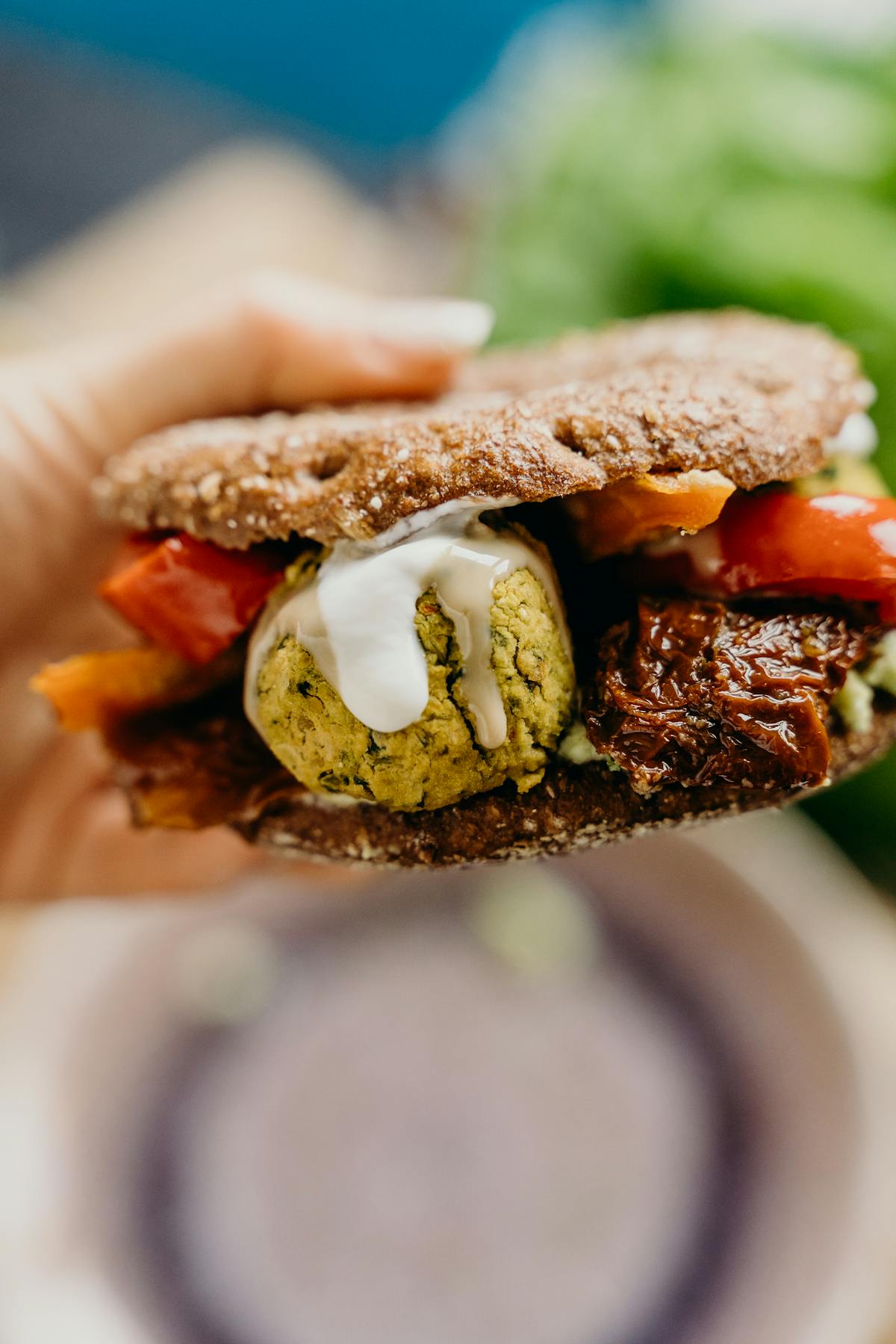
Variations: Customize Your Microbiome-Friendly Bowl
Variety is a gift to your gut. Try rotating these ideas to keep your microbiome—and your taste buds—delighted:
- Mediterranean twist: Swap kimchi for a spoonful of sauerkraut, use lemony olive oil dressing instead of miso-tahini, and top with olives, cherry tomatoes, and crumbled feta or chickpeas.
- Breakfast bowl: Use cooked and cooled oats or quinoa as the base, drizzle with kefir or yogurt, add berries, seeds, and a small spoon of miso-honey dressing for a savory-sweet start.
- Extra protein: Add grilled tempeh, tofu, or a soft-boiled egg for more staying power.
- Low-heat option: Skip chili flakes and use a mild kimchi or plain fermented cabbage if you’re sensitive to spice.
Storage, Meal Prep & Reheating Guidelines
This miso kimchi grain bowl is perfect for meal prep, and actually becomes more gut-friendly as the cooked grains cool and develop more resistant starch.
- Grains & legumes: Store together in an airtight container in the fridge for up to 4 days.
- Veggies & herbs: Store separately in sealed containers or jars lined with a small piece of paper towel to absorb moisture, up to 3 days.
- Dressing: Keep in a small jar in the fridge; it will thicken as it chills. Thin with a splash of water or vinegar before serving as needed, up to 5 days.
- Kimchi: Store in its original jar in the fridge. Use clean utensils to avoid contamination. It can last for weeks and will continue to ferment slowly.
For reheating, gently warm the grain–legume mixture on the stove or in the microwave until just hot, then add the fresh veggies, kimchi, and dressing right before serving. Keeping the fermented toppings away from high heat helps preserve more of their live cultures.
What to Serve with Your Gut-Healthy Grain Bowl
Turn this bowl into a full microbiome-friendly feast with:
- A small cup of green tea or roasted barley tea (rich in polyphenols).
- A side of roasted vegetables tossed with extra-virgin olive oil, garlic, and herbs.
- A simple berry dessert with a dollop of plain yogurt or coconut yogurt and a sprinkle of dark chocolate shavings.
This way, your entire meal supports your gut, from the fermented toppings and resistant starch to the polyphenol-rich drink and dessert.
Recipe Structured Data (Schema.org)
The following JSON-LD snippet provides structured data for search engines and recipe apps:
{
  "@context": "https://schema.org",
  "@type": "Recipe",
  "name": "Microbiome-Friendly Miso Kimchi Grain Bowl",
  "description": "A colorful, plant-forward grain bowl layered with fermented kimchi, miso-tahini dressing, whole grains, legumes, and crunchy seeds for a gut-friendly, fiber-rich, polyphenol-packed meal.",
  "keywords": "gut health, fermented foods, kimchi bowl, miso grain bowl, microbiome-friendly, high fiber, Mediterranean-style, plant-forward, resistant starch",
  "recipeCuisine": "Fusion",
  "recipeCategory": "Main course",
  "recipeYield": "2 servings",
  "prepTime": "PT20M",
  "cookTime": "PT25M",
  "totalTime": "PT45M",
  "image": [
    "https://images.pexels.com/photos/6546021/pexels-photo-6546021.jpeg?auto=compress&cs=tinysrgb&w=1200",
    "https://images.pexels.com/photos/6546023/pexels-photo-6546023.jpeg?auto=compress&cs=tinysrgb&w=1200"
  ],
  "recipeIngredient": [
    "1 cup (180 g) cooked whole grains (brown rice, quinoa, barley, or a mix)",
    "1 cup (170 g) cooked legumes (chickpeas, lentils, or black beans)",
    "1 tablespoon extra-virgin olive oil",
    "1 small garlic clove, minced (optional)",
    "Sea salt and black pepper to taste",
    "2 tablespoons tahini",
    "1 tablespoon white or yellow miso paste",
    "1 tablespoon rice vinegar or apple cider vinegar",
    "1–2 teaspoons tamari or low-sodium soy sauce",
    "1 teaspoon toasted sesame oil (optional)",
    "2–3 tablespoons warm water (to thin)",
    "1 teaspoon maple syrup or honey (optional)",
    "1/2 cup (75 g) kimchi, roughly chopped",
    "1 small carrot, julienned or grated",
    "1/2 small cucumber, sliced",
    "1/2 small red bell pepper, thinly sliced",
    "1/4 small red onion or a few spring onions, thinly sliced",
    "1 small handful mixed leafy greens",
    "1/4 cup fresh herbs (cilantro, parsley, or mint)",
    "2 tablespoons mixed seeds (pumpkin, sunflower, sesame)",
    "1 tablespoon ground flaxseed or chia seeds",
    "Black pepper and chili flakes (optional)",
    "Lemon or lime wedges for serving"
  ],
  "recipeInstructions": [
    {
      "@type": "HowToStep",
      "name": "Cook or reheat grains",
      "text": "Cook whole grains according to package directions if uncooked, then let cool slightly. For more resistant starch, cook in advance and chill, then gently rewarm before serving."
    },
    {
      "@type": "HowToStep",
      "name": "Prepare legumes",
      "text": "Drain and rinse canned legumes. Warm olive oil in a skillet, add legumes, garlic (if using), salt, and pepper. Sauté 2–3 minutes and combine with grains."
    },
    {
      "@type": "HowToStep",
      "name": "Mix dressing",
      "text": "Whisk tahini, miso, vinegar, tamari, sesame oil, and maple syrup or honey. Add warm water gradually until smooth and pourable. Adjust seasoning to taste."
    },
    {
      "@type": "HowToStep",
      "name": "Prepare vegetables and herbs",
      "text": "Julienne or grate carrot, slice cucumber and pepper, and thinly slice onion or spring onions. Chop greens and herbs."
    },
    {
      "@type": "HowToStep",
      "name": "Toast seeds",
      "text": "Toast mixed seeds in a dry skillet over medium heat for 2–3 minutes until fragrant and lightly golden. Remove from heat to cool."
    },
    {
      "@type": "HowToStep",
      "name": "Assemble bowls",
      "text": "Divide grain-legume mixture between two bowls. Arrange vegetables and greens on top and add a spoonful of chopped kimchi to each bowl."
    },
    {
      "@type": "HowToStep",
      "name": "Dress and garnish",
      "text": "Drizzle with miso-tahini dressing. Top with toasted seeds, ground flax or chia, herbs, black pepper, and chili flakes if desired. Serve with lemon or lime wedges."
    }
  ],
  "nutrition": {
    "@type": "NutritionInformation",
    "servingSize": "1 bowl",
    "calories": "550",
    "fiberContent": "14 g",
    "proteinContent": "18 g"
  }
}
