
Gut-Glowing Power Bowl: A Fermented, High-Fiber Feast for Your Microbiome
Gut Health Power Bowl with Kimchi & Creamy Yogurt Tahini Dressing
This vibrant gut health power bowl is a celebration of all the delicious things microbiome science has brought into our kitchens: tangy fermented foods, fiber‑rich whole grains and legumes, and a rainbow of crunchy vegetables and herbs. Inspired by the surge of interest in “gut‑friendly” eating on social media, this recipe layers warm quinoa, chickpeas, and roasted sweet potato with kimchi or sauerkraut, a silky yogurt‑tahini dressing, and plenty of plant diversity—making it a nourishing, weeknight‑friendly way to support your gut and overall well‑being.
Prep Time
20 minutes
Cook Time
25 minutes
Total Time
45 minutes
Servings
4 bowls
Difficulty
Easy–Moderate
A Bowl Inspired by the Gut Health & Microbiome Trend
All over TikTok, YouTube, and podcasts, you’ll find people doing “7 days of gut‑healing foods” and “30 plants per week” challenges. At the heart of this movement is our growing understanding of the gut microbiome—the trillions of bacteria living in your intestines that may influence immunity, mood, metabolism, and even skin health.
This recipe leans into three big pillars of the gut health diet while staying cozy, practical, and deeply satisfying:
- Fermented foods like kimchi or sauerkraut bring tang, crunch, and live cultures (probiotics).
- Prebiotic fibers from onions, garlic, chickpeas, quinoa, and vegetables help feed beneficial gut bacteria.
- Plant diversity—you’ll easily hit 10+ plant foods in a single bowl, putting you well on the way to that trendy 30‑plants‑per‑week goal.
Equipment You’ll Need
- Medium saucepan with lid (for quinoa or other grains)
- Large baking sheet (for roasting vegetables)
- Mixing bowl (for dressing)
- Cutting board and sharp knife
- Colander (for rinsing chickpeas and vegetables)
- Measuring cups and spoons
- Whisk or fork (for emulsifying the dressing)
- Serving bowls (wide, shallow bowls work beautifully)

Ingredients for a Gut-Friendly Power Bowl
Quantities below make about 4 generous gut health bowls. You can easily halve or double the recipe.
For the Grain & Protein Base
- 1 cup (180 g) quinoa, rinsed (or brown rice, millet, or buckwheat)
- 2 cups (480 ml) water or low-sodium vegetable broth
- 1 can (15 oz / 400 g) chickpeas, drained and rinsed (or other beans, e.g., lentils)
- 1 medium sweet potato (about 300 g), cut into 1.5 cm cubes
- 1 tbsp extra-virgin olive oil (for roasting)
- 1/2 tsp ground cumin
- 1/2 tsp smoked paprika (optional but delicious)
- Fine sea salt and black pepper, to taste
For the Yogurt Tahini Gut-Healthy Dressing
- 1/2 cup (120 g) plain yogurt with live cultures (Greek or regular; use dairy-free if needed)
- 2 tbsp tahini
- 1 tbsp extra-virgin olive oil
- 1–2 tbsp freshly squeezed lemon juice, to taste
- 1 small garlic clove, finely grated or minced (optional for extra prebiotic punch)
- 2–4 tbsp cold water, to thin as needed
- 1/4 tsp fine sea salt, plus more to taste
For the Gut-Boosting Toppings (Plant Diversity Stars)
- 1 cup (about 150 g) kimchi or sauerkraut with live cultures, drained
- 1 cup (about 70 g) shredded red or green cabbage
- 1 medium carrot, grated or julienned
- 1 small cucumber, thinly sliced
- 1 ripe but slightly firm banana, sliced (optional, for a fun prebiotic twist)
- 1 small avocado, sliced or diced
- 2 tbsp pumpkin seeds (pepitas)
- 2 tbsp sunflower seeds or chopped walnuts
- Fresh herbs such as cilantro, parsley, or mint (a handful, chopped)
- 1–2 tsp mixed seeds and spices (e.g., sesame seeds, ground flax, nigella seeds, or everything bagel seasoning)
Step-by-Step Instructions
- Cook the quinoa (or other grain).
Rinse the quinoa under cold water in a fine-mesh sieve.
In a medium saucepan, combine 1 cup quinoa and 2 cups water or broth. Bring to a boil, then reduce heat to low, cover, and simmer for 15 minutes, or until the liquid is absorbed and the grains are tender.
Remove from the heat and let stand, covered, for 5 minutes, then fluff with a fork. - Roast the sweet potato and warm the chickpeas.
Preheat your oven to 400°F (200°C). Spread the sweet potato cubes on a baking sheet. Drizzle with 1 tbsp olive oil, sprinkle with cumin, smoked paprika, salt, and pepper, and toss to coat.
Roast for 20–25 minutes, stirring once halfway, until golden at the edges and tender inside. In the last 5–7 minutes of roasting, scatter the drained chickpeas onto one side of the tray to warm and pick up some flavor. - Prep your fresh, high-fiber vegetables.
While the grains and vegetables cook, shred the cabbage, grate or julienne the carrot, and slice the cucumber and avocado. If using banana, slice it just before serving so it stays fresh-looking. Chop your herbs. - Make the yogurt tahini gut health dressing.
In a small mixing bowl, whisk together the yogurt, tahini, olive oil, lemon juice, minced garlic (if using), and salt. Add 2 tbsp cold water and whisk until smooth and pourable. If it’s too thick, add more water, 1 tbsp at a time, until it drizzles easily. Taste and adjust with more lemon or salt if needed. - Prepare the fermented topping.
Scoop the kimchi or sauerkraut into a bowl and let any excess liquid drain off. If your kimchi is very chunky, you can roughly chop it so it’s easier to eat in a bowl. - Assemble your gut health power bowls.
Divide the warm quinoa among 4 wide bowls. Top each portion with roasted sweet potato and warm chickpeas. Arrange small mounds of shredded cabbage, carrot, cucumber, avocado, and banana (if using) around the bowl for color and texture contrast.
Add a generous spoonful of kimchi or sauerkraut to each bowl. - Layer in seeds, herbs, and dressing.
Sprinkle each bowl with pumpkin seeds, sunflower seeds or walnuts, and your chosen spice/seed mix. Drizzle liberally with the yogurt tahini dressing. Finish with a shower of fresh herbs. - Serve and enjoy mindfully.
Serve immediately while the grains and roasted vegetables are still warm and the toppings are cool and crisp. Take a moment to notice the aromas—the garlicky tang of the kimchi, the nuttiness of the tahini, the gentle sweetness of roasted sweet potato—before diving in.
Taste, Texture & Aroma: What to Expect
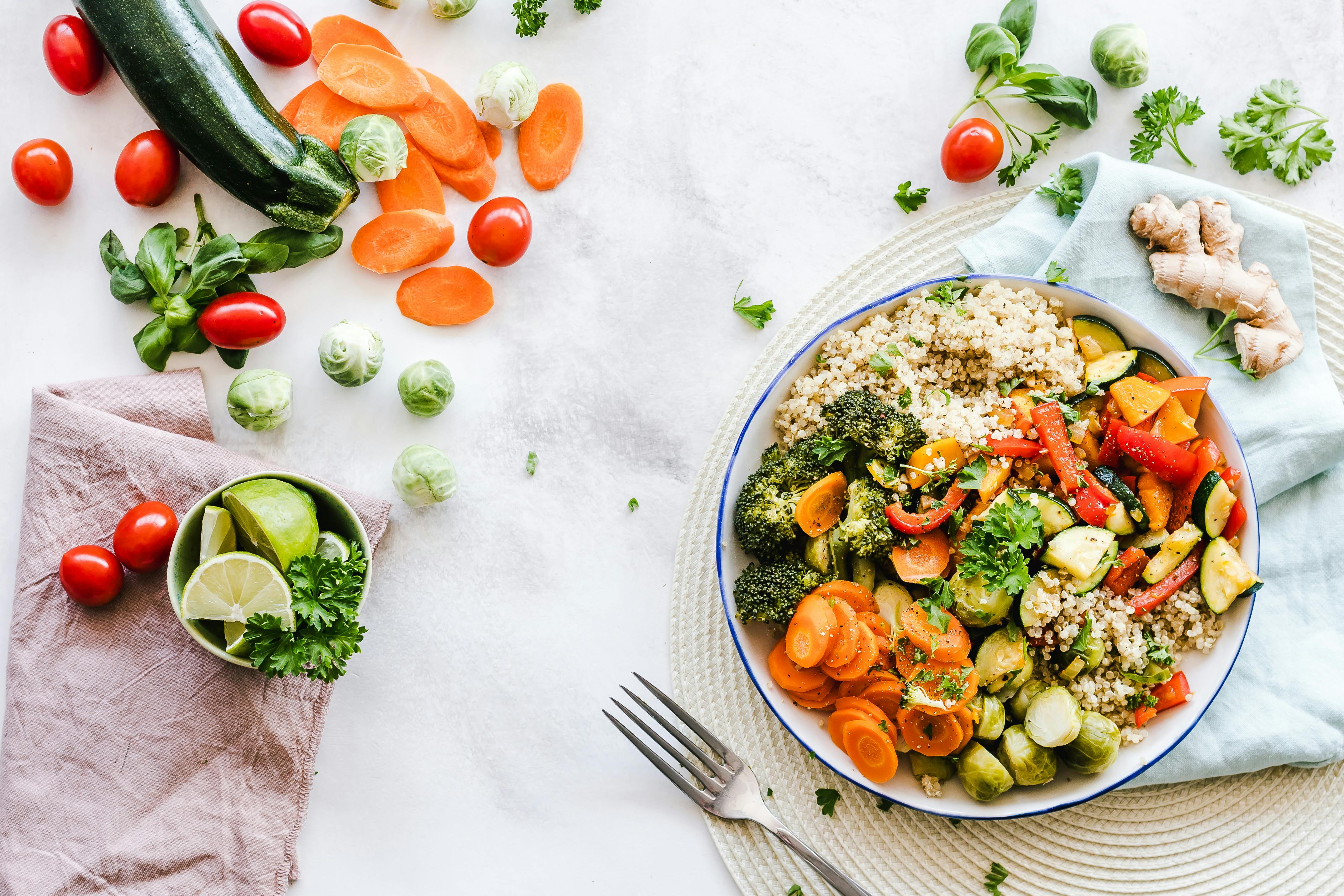
Every bite of this gut health bowl offers contrast: the warm, fluffy quinoa and caramelized sweet potato play against cool, crunchy vegetables. The chickpeas add a gentle, nutty chew, while the kimchi or sauerkraut brings a bright, lactic tang that wakes up your palate.
The yogurt tahini dressing wraps everything in a creamy, lemony, slightly garlicky hug, and the toasted seeds on top give that deeply satisfying crunch. Aromas are layered too: roasted spices from the tray bake, citrusy notes from the dressing, and the unmistakable savory funk of fermenting cabbage—a delicious signal that live cultures are in the mix.

Ingredient Substitutions & Dietary Adaptations
Storage, Meal Prep & Reheating Tips
This gut health bowl is meal-prep friendly, with a few simple tweaks to keep textures fresh and ferments happy.
- Grains & roasted vegetables: Store cooked quinoa, sweet potato, and chickpeas together in an airtight container in the fridge for up to 4 days. Reheat gently in a skillet with a splash of water, or in the microwave until warm.
- Dressing: Keep the yogurt tahini dressing in a small jar in the fridge for up to 4 days. It may thicken as it chills; thin with a little water or lemon juice before drizzling.
- Fresh vegetables & herbs: Store shredded cabbage, grated carrot, and sliced cucumber separately in containers lined with a paper towel to absorb excess moisture. Use within 3–4 days for best crunch.
- Fermented foods: Keep kimchi or sauerkraut in its own container in the fridge. Add it only at serving time—heating can diminish the live cultures and change the flavor.
- Assembling ahead: For grab-and-go lunches, layer grains and roasted veggies at the bottom of a container, add crunchy veg and seeds on top, and pack dressing and kimchi in separate mini containers to add just before eating.

Serving Ideas & Complementary Gut-Healthy Dishes
This power bowl can be a meal on its own, but it also pairs beautifully with other microbiome-friendly recipes.
- For a cozy dinner: Serve the bowl with a side of warm miso soup or roasted vegetables drizzled with extra-virgin olive oil and sprinkled with herbs.
- For a brunch spread: Offer these bowls alongside overnight oats made with oats, chia seeds, and kefir, plus a berry compote for extra polyphenols.
- Light dessert: Finish with a simple bowl of plain yogurt or dairy-free yogurt topped with sliced fruit, a drizzle of honey or maple syrup, and a spoonful of ground flax or chia seeds.
- Gut-brain support: Enjoy your bowl with a cup of green tea or a small glass of kombucha (if tolerated) to add another fermented element to the meal.
Gentle Gut Health Tips for Home Cooks
- Increase fiber gradually: If you’re not used to high-fiber, legume-heavy meals, start with smaller portions of beans and cabbage, and increase over a week or two to give your gut time to adjust.
- Chew thoroughly: It sounds simple, but chewing well takes pressure off your digestive system and lets you savor all those textures and flavors.
- Rotate your plants: Next time you make this bowl, swap in different grains, beans, vegetables, and seeds to keep reaching for that 30-plants-per-week variety.
- Listen to your body: If certain ingredients leave you bloated or uncomfortable, adjust. Gut health is individual, and even the most “trendy” food isn’t worth discomfort.
Most of all, let this recipe be encouragement, not a rulebook. Any move toward more home‑cooked, minimally processed, plant‑rich meals—with a spoonful of something fermented on the side—is a delicious step in a gut-friendly direction.
