
Growing Gaps in Childhood Vaccination: How Rising Exemptions Are Re‑Opening the Door to Measles in the U.S.
Why Growing Patches of Low Vaccination in the U.S. Matter More Than Ever
Opting out of childhood vaccines is becoming more common in many parts of the United States, creating larger and riskier “holes” in our protection against diseases like measles. Even as most children are still vaccinated, these expanding pockets of low coverage are enough to let highly contagious viruses find a way back in—and once they do, they can spread faster and farther than many families expect.
If you’re a parent, caregiver, educator, or health professional, you may be feeling worried, confused, or even overwhelmed by shifting vaccination rules, conflicting information online, and headlines about record-breaking measles outbreaks. You are not alone. This guide walks through what’s actually happening, why these patterns are so important, and the most practical, science-backed steps you can take to protect children and your community—without fearmongering or unrealistic promises.

The Growing Problem: Larger, Riskier Patches of Low Vaccination
Across much of the United States, overall childhood vaccination rates are still reasonably high. But focusing on national averages hides a crucial detail: where unvaccinated children live is changing—and so is the size of those under‑vaccinated pockets.
From Small Clusters to Large “Holes”
For years, public health experts have watched small communities—sometimes a particular school district, religious community, or social group—where vaccine exemptions are more common. What’s different now is that:
- More states are reporting rising non‑medical exemptions (like philosophical or religious exemptions) to school vaccine requirements.
- Some counties and school districts have MMR (measles, mumps, rubella) coverage dropping below 90%, well under the ~95% level usually needed to reliably prevent measles outbreaks.
- These pockets are becoming larger and more geographically connected, which allows outbreaks to jump from one community to another more easily.
“Measles is so contagious that if one person has it, up to 9 out of 10 people around them will also become infected if they’re not protected. It finds and exploits every gap in our immunity.”
— Infectious disease specialist, summarizing CDC data
The result: even if your own child is vaccinated, large low‑coverage areas can still disrupt schools, expose medically vulnerable people, and strain local health systems.
Why Measles Is the “Smoke Alarm” for Our Vaccine System
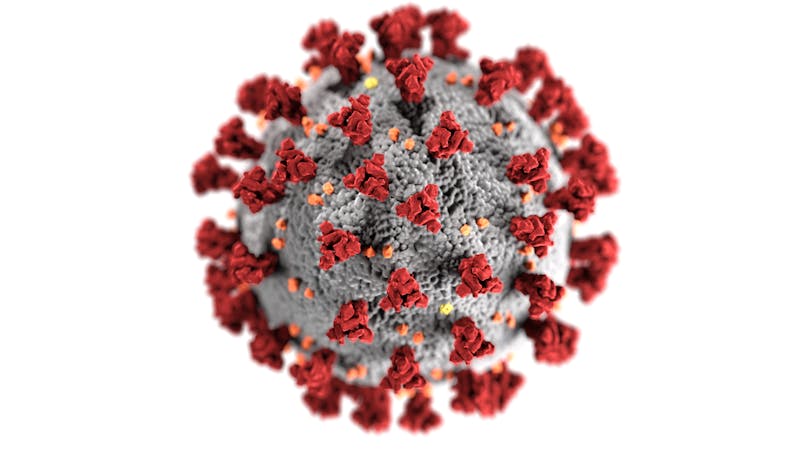
Measles is often the first disease to roar back when vaccination coverage slips. It’s one of the most contagious viruses we know, and it tends to reveal the weak spots in our public health defenses.
What recent U.S. trends are showing
Over the past several seasons, public health reports and news coverage have highlighted:
- Record or near‑record numbers of measles infections compared with most of the previous decade.
- Outbreaks originating from travel‑related cases (someone infected abroad) that then spread rapidly in under‑vaccinated communities.
- Hospitalizations of young children and immunocompromised adults—groups who depend heavily on others around them being vaccinated.
These outbreaks are not a sign that vaccines “don’t work”—they’re a sign that when enough people skip them, even temporarily, measles can regain a foothold.
What’s Driving the Rise in Vaccine Opt‑Outs?
Parents rarely decline vaccines out of neglect. More often, they are trying to do what feels safest for their child based on the information and experiences they have. Understanding the “why” behind rising exemptions can help us respond with empathy and clarity instead of blame.
Common factors behind growing exemption rates
- Mistrust and mixed messages: The COVID‑19 pandemic amplified skepticism toward public health institutions and made it harder for some families to distinguish between long‑studied routine childhood vaccines and newer vaccines.
- Online misinformation: Social media algorithms often favor emotionally charged content over accurate but less dramatic information, spreading myths faster than corrections.
- Policy changes and loopholes: In some states, non‑medical exemptions remain broad and easier to claim than completing recommended vaccination schedules, especially if there’s little enforcement.
- Pandemic‑related disruptions: Clinic closures, delayed well‑child visits, and competing priorities led some families to postpone or miss doses, and not all have caught up.
- Community norms: In certain social, religious, or geographic communities, declining vaccines has become more common and socially accepted, which can strongly influence individual decisions.
“Many parents who are hesitant about vaccines are not ‘anti‑science.’ They’re anxious, overwhelmed, and trying to make the best choice they can with the information they trust.”
— Pediatrician, community health clinic
What the Evidence Says About Childhood Vaccines and Safety
Routine childhood vaccines used in the United States—like the MMR vaccine for measles, mumps, and rubella—have been studied for decades. No medical intervention is completely risk‑free, but the balance of evidence strongly supports their safety and effectiveness for most children.
Key evidence‑based points
- Large studies in multiple countries have found no link between the MMR vaccine and autism, a concern that continues to circulate despite being based on a study that was retracted for serious misconduct.
- Serious vaccine side effects are rare, and systems like the Vaccine Adverse Event Reporting System (VAERS) and Vaccine Safety Datalink monitor safety continuously.
- For diseases like measles, the risk of complications—including pneumonia, brain inflammation (encephalitis), and death—far exceeds the risk of serious vaccine reactions.
For more detailed scientific information, reputable sources include:
Practical Steps Parents Can Take Right Now
If you’re concerned about measles or other vaccine‑preventable diseases, or you’ve delayed vaccines and want to get back on track, there are concrete, manageable steps you can take.
1. Review your child’s vaccination record
- Ask your child’s pediatrician or clinic for a copy of their immunization record.
- Compare it with your state’s or the CDC’s recommended childhood schedule.
- Highlight any missing or delayed doses, especially MMR, DTaP/Tdap, and polio vaccines.
2. Schedule catch‑up visits if needed
Most children who are behind can safely follow a catch‑up schedule designed to get them protected as efficiently as possible, without restarting entire series.
- Call your child’s clinic and ask specifically for a “catch‑up vaccine appointment.”
- Let them know if your child has any chronic health conditions or prior reactions so they can plan appropriately.
- Request extra time in the visit to ask questions if you’re feeling unsure or anxious.
3. Prepare questions in advance
Bringing written questions can make it easier to have a calm, thorough conversation. For example:
- “What are the most common side effects of this vaccine, and how can I manage them at home?”
- “What serious reactions should I watch for, and how likely are they?”
- “What are the risks to my child if we delay or skip this vaccine?”
- “How do you stay up to date on vaccine safety research?”

How Schools and Communities Can Close the Gaps
Because measles and similar infections spread quickly, decisions about vaccination are not just personal—they’re communal. Schools, childcare centers, and local organizations all play a part in preventing outbreaks.
Strategies for schools and childcare settings
- Maintain up‑to‑date records of student immunization status, in line with state law.
- Communicate vaccine requirements clearly and early to families, including deadlines and available support.
- Partner with local health departments to offer on‑site or mobile vaccination clinics where possible.
- Develop clear outbreak response plans, including temporary exclusion policies for unvaccinated children during active transmission.
Policy and public health tools
States and local health departments use a mix of approaches to keep coverage high while respecting individual rights:
- Tightening or clarifying rules around non‑medical exemptions, particularly in the wake of outbreaks.
- Investing in culturally sensitive outreach in communities with lower coverage.
- Improving reminder systems and reducing practical barriers (like cost, transportation, and clinic hours).
“High vaccination coverage is less about forcing compliance and more about making the protected choice the easiest and most supported option for families.”
— Public health policy researcher
Common Obstacles—and How Real Families Have Worked Through Them
Even parents who want to vaccinate on time can run into serious obstacles, from logistics to lingering doubts. Recognizing these barriers can make it easier to find realistic solutions.
Obstacle 1: Fear of side effects
A mother of a toddler shared that what scared her most wasn’t a specific study; it was a story she’d read in a parenting group about a child who “changed overnight” after getting shots. Even though the story lacked medical details, the emotional impact was powerful.
Working with her pediatrician, she:
- Went through each recommended vaccine one by one, instead of facing the entire schedule at once.
- Reviewed typical side effects and how to manage them.
- Agreed on a follow‑up phone call 24 hours after the visit to check in.
She later said that the most helpful part wasn’t the statistics—it was knowing someone she trusted would be available if she got scared.
Obstacle 2: Access, cost, and time
Some families worry they can’t afford vaccines or can’t take time off work for multiple appointments.
- Many vaccines for children in the U.S. are available at no or low cost through programs like Vaccines for Children (VFC), even for uninsured or underinsured families.
- Health departments, school‑based clinics, and some pharmacies offer extended hours or weekend clinics.
- Community organizations sometimes provide transportation vouchers or on‑site vaccination events.
Obstacle 3: Social pressure
In tight‑knit communities where vaccine hesitancy is common, parents who choose to vaccinate may feel judged or isolated.
- Connecting with parents’ groups, online forums, or local coalitions that support evidence‑based health decisions can provide solidarity.
- Some parents choose to discuss health decisions only with a small circle of trusted friends and family to reduce stress and conflict.
Before and After: Communities With and Without Strong Vaccination Coverage
It can help to visualize what happens when vaccination coverage falls below critical thresholds. While every outbreak is unique, patterns from past events offer useful lessons.

The contrast isn’t theoretical—it has played out in multiple U.S. cities and counties over the last decade. Areas that tightened exemption policies and improved outreach after outbreaks often saw coverage climb again and new cases drop.
Moving Forward: Protecting Your Family While Strengthening Community Immunity
The rise of larger, riskier patches of low vaccination in the U.S. is a real and growing concern—but it is also addressable. Each family’s decision contributes to a bigger picture: whether measles and other preventable diseases remain rare visitors or become regular, disruptive threats again.
You do not have to navigate this alone. Start by:
- Checking your child’s vaccination status and scheduling any needed catch‑up visits.
- Having an open, honest conversation with a trusted healthcare professional about your questions or worries.
- Seeking information from evidence‑based, reputable sources rather than social media rumors.
- Encouraging supportive, non‑judgmental dialogue in your school, parent group, or community.
Choosing vaccination is not about perfection; it is about stacking the odds in favor of your child’s health—and of the newborn next door, the classmate on chemotherapy, the neighbor with a fragile immune system. In a world where viruses travel easily, our protections have to travel with us.
Call to action:
Within the next week, pick one practical step: request your child’s vaccine record, book a catch‑up visit, or share a reliable vaccine resource with another parent. Those small actions, multiplied across communities, are how we shrink the dangerous holes in our collective immunity and keep preventable diseases in check.
