
Goodbye Cavities? How a Natural Amino Acid Is Changing the Fight Against Tooth Decay
Arginine, a naturally occurring amino acid found in many everyday foods, is getting a lot of attention from dental researchers—and for good reason. A new clinical study in humans suggests that arginine can actually change how dental plaque forms on your teeth, helping reduce the risk of tooth decay by making the plaque environment less friendly to cavity-causing bacteria.
If you’ve ever felt like you were “doing everything right” and still getting cavities, you’re not alone. Dental caries is one of the most common chronic diseases worldwide, and it’s driven not just by sugar, but by the complex community of bacteria that live on your teeth. What’s exciting about arginine is that, instead of simply trying to kill bacteria, it helps guide that community into a less damaging, more balanced state.
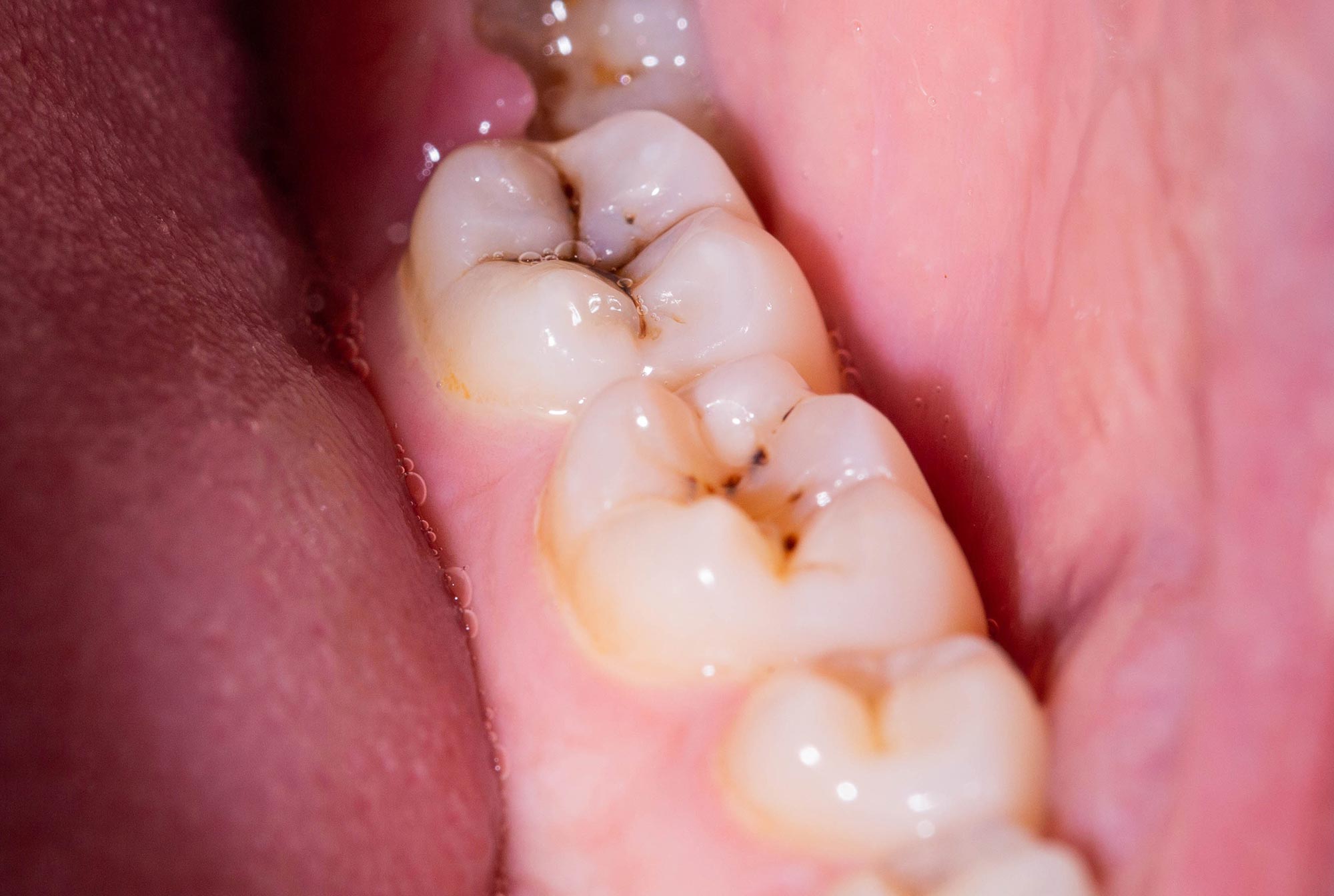
Why Do We Still Get Cavities If We Brush and Floss?
Cavities form when certain bacteria in dental plaque feed on sugars and produce acids. Over time, those acids pull minerals out of your enamel, weakening it and eventually creating holes in the tooth.
The problem is that plaque is not just a film—it's a living biofilm, a structured community of microbes. Some of these microorganisms are more harmful (like Streptococcus mutans), while others can be neutral or even helpful. Traditional approaches focus on:
- Brushing to physically remove plaque.
- Fluoride to strengthen enamel.
- Antibacterial mouthwashes to reduce bacterial load.
These strategies are important and well supported by research, but they don’t fully address the underlying ecology of the biofilm—how bacteria interact, what they feed on, and how acidic (or not) your mouth environment is. That’s where arginine becomes interesting.
What Is Arginine, and What Does It Do in the Mouth?
Arginine is an amino acid your body uses for many functions, including protein building and nitric oxide production. It’s found naturally in foods like:
- Meat, poultry, and fish
- Nuts and seeds (such as peanuts and pumpkin seeds)
- Dairy products
- Some whole grains and legumes
In the context of oral health, arginine acts as a sort of “fuel” for certain beneficial bacteria. These bacteria can metabolize arginine through what’s called the arginine deiminase system (ADS), producing compounds that:
- Help neutralize acid in the biofilm.
- Raise plaque pH closer to neutral.
- Make the environment less favorable for acid-loving, cavity-causing bacteria.
“Arginine metabolism by oral bacteria contributes to pH homeostasis and may suppress the emergence of cariogenic biofilms.”
— Summary of findings from multiple microbiology and cariology studies
New Clinical Study: How Arginine Changes Dental Plaque
According to a recent clinical study in human participants reported by SciTechDaily, arginine can change how dental plaque develops on tooth surfaces, shifting harmful biofilms toward less damaging communities. While full details belong in the scientific literature, key themes from current research include:
- Participants used oral care products containing arginine (often in combination with fluoride).
- Researchers examined changes in plaque composition, pH, and bacterial balance over time.
- Results indicated a move toward a less acidic, less cariogenic (cavity-promoting) environment.
Importantly, this doesn’t mean arginine “cures” cavities or replaces brushing, flossing, or professional dental care. Instead, it appears to help the microbial community on teeth become more balanced and less hostile to enamel.
How Arginine Helps Teeth Fight Sugar: The Science in Simple Terms
When you eat sugary foods, acid-producing bacteria in plaque break that sugar down and release acids. Over time, repeated acid attacks demineralize enamel.
Arginine helps in two main ways:
- Encouraging “good” bacteria
Certain bacteria can use arginine as an energy source, and in doing so they produce alkaline (basic) byproducts. These byproducts help raise the pH in plaque. - Making life harder for “bad” bacteria
Cavity-causing bacteria thrive in acidic environments. By making the plaque less acidic, arginine indirectly suppresses their growth and activity.

Think of it this way: fluoride helps your teeth become more resistant to acid, while arginine helps make your mouth less acidic in the first place. Used together, they may offer a complementary approach to cavity prevention.
Practical Ways to Use Arginine for Better Oral Health
If you’re curious about trying arginine for cavity prevention, here are evidence-informed and realistic ways to integrate it into your routine. Always consider your own medical history and ask your dentist before making big changes.
1. Look for Toothpastes That Contain Arginine
Some over-the-counter toothpastes now include arginine (often listed as “arginine” or “L-arginine”) along with fluoride. These formulations are designed to:
- Support a less acidic plaque environment.
- Potentially reduce sensitivity in some products.
- Work alongside fluoride to protect enamel.
When evaluating a product, check that:
- It contains fluoride (for proven cavity protection).
- The brand clearly states its intended benefits and does not make unrealistic claims.
- You’re using it twice daily as directed.
2. Maintain a Consistent Oral Care Routine
Arginine can’t do much if plaque is allowed to build up uncontrollably. Combine arginine-containing products with:
- Brushing at least twice per day with a soft-bristled brush.
- Daily interdental cleaning (floss, interdental brushes, or water flossers).
- Regular dental checkups and cleanings, typically every 6–12 months.
3. Pair with Smart Sugar and Snack Habits
Even the best toothpaste can’t fully offset constant sugar exposure. To reduce acid attacks:
- Limit frequent sipping of sugary drinks.
- Try to keep sweets to mealtimes instead of all-day grazing.
- Rinse your mouth with water after sugary or acidic foods.

Common Concerns and Obstacles (And How to Navigate Them)
“Is this just another fad ingredient?”
Arginine in oral care is not purely a marketing invention—it’s built on decades of microbiology research into how arginine-metabolizing bacteria help stabilize oral pH. That said, products can sometimes overstate benefits, so it’s wise to:
- Look for brands that reference published research or collaborate with dental professionals.
- Avoid products claiming to “cure cavities” or “replace brushing.”
- Discuss any new product with your dentist, especially if you have ongoing dental issues.
“Will arginine work the same for everyone?”
Probably not. Factors such as saliva flow, diet, genetics, existing oral microbiome, and hygiene habits all influence how well arginine-based strategies may help you. In clinical studies, benefits tend to show up at the group level, but individual responses vary.
“Are there side effects?”
For most people, arginine in toothpaste or mouth rinse is considered safe when used as directed. However:
- Allergic reactions or sensitivities are possible but appear uncommon.
- People with certain medical conditions (for example, specific metabolic disorders) should consult their physician before significantly increasing arginine exposure.
- Swallowing small amounts during brushing is generally expected, but it’s not a nutritional supplement and shouldn’t be used as one without medical advice.
What Dentists and Researchers Are Saying
While individual opinions vary, many dental researchers see arginine as part of a broader shift toward managing the oral microbiome rather than just removing plaque.
“We’re moving from a ‘kill the germs’ mindset to a ‘shape the community’ approach in dentistry. Arginine and similar strategies aim to support bacteria that protect us, not just fight the ones that harm us.”
— Hypothetical summary of emerging expert perspectives in cariology
Peer-reviewed studies have explored arginine’s role in:
- Reducing cariogenic potential of dental biofilms.
- Enhancing protective bacterial activity via the arginine deiminase system.
- Working synergistically with fluoride to protect enamel.
For readers who like to dive deeper, look for terms such as “arginine deiminase system,” “arginine and caries prevention,” and “alkali generation in dental biofilms” in scientific databases or reputable dental journals.

Before and After: What Changes Can You Realistically Expect?
It’s important to stay grounded. Arginine is not a magic eraser for existing cavities. However, when used consistently in the context of a strong oral hygiene routine, people may notice:
- Fewer new areas of early demineralization (those chalky white spots).
- Improved plaque control scores at dental visits.
- Potentially fewer cavities over the long term, especially in high-risk individuals, according to some studies.
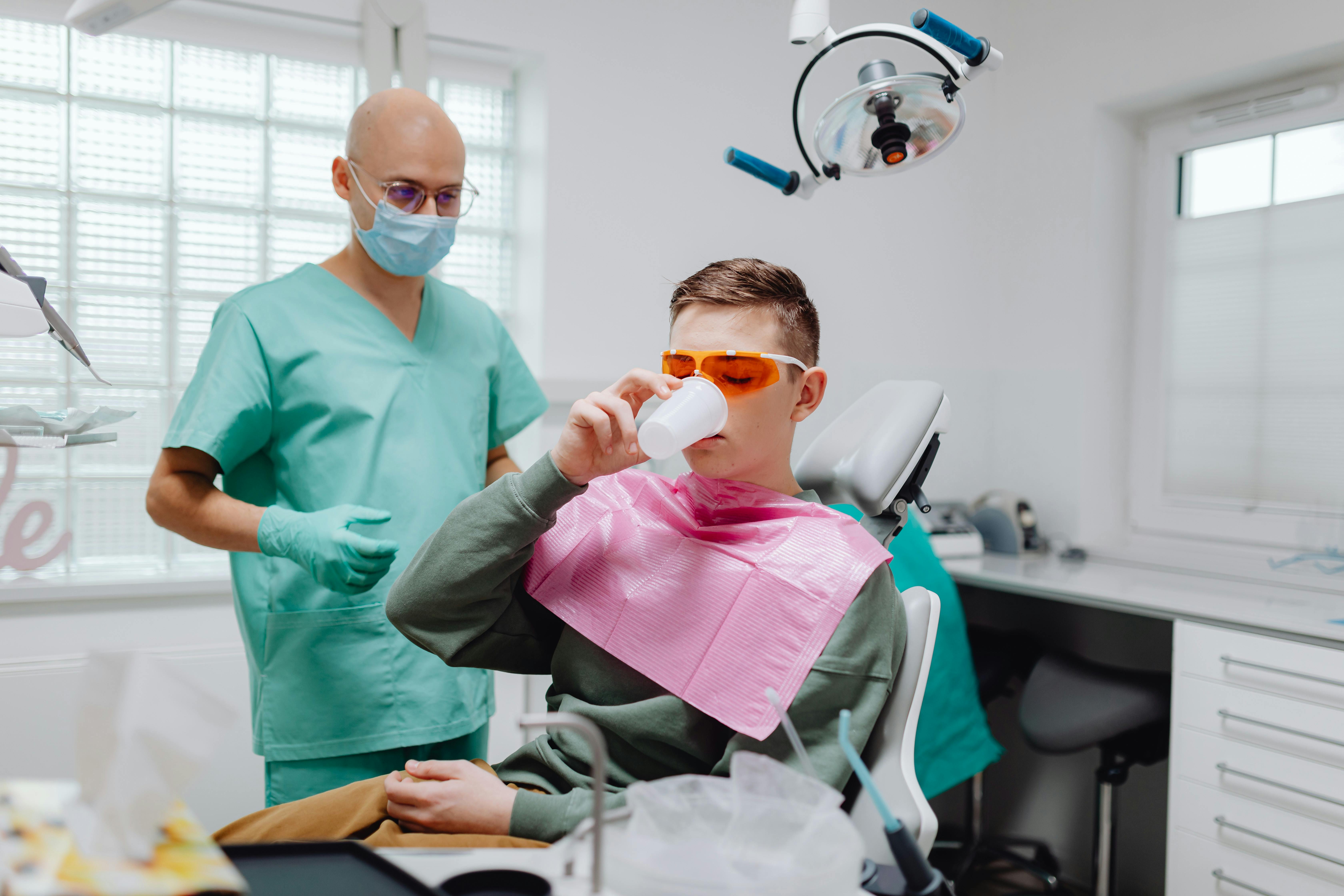
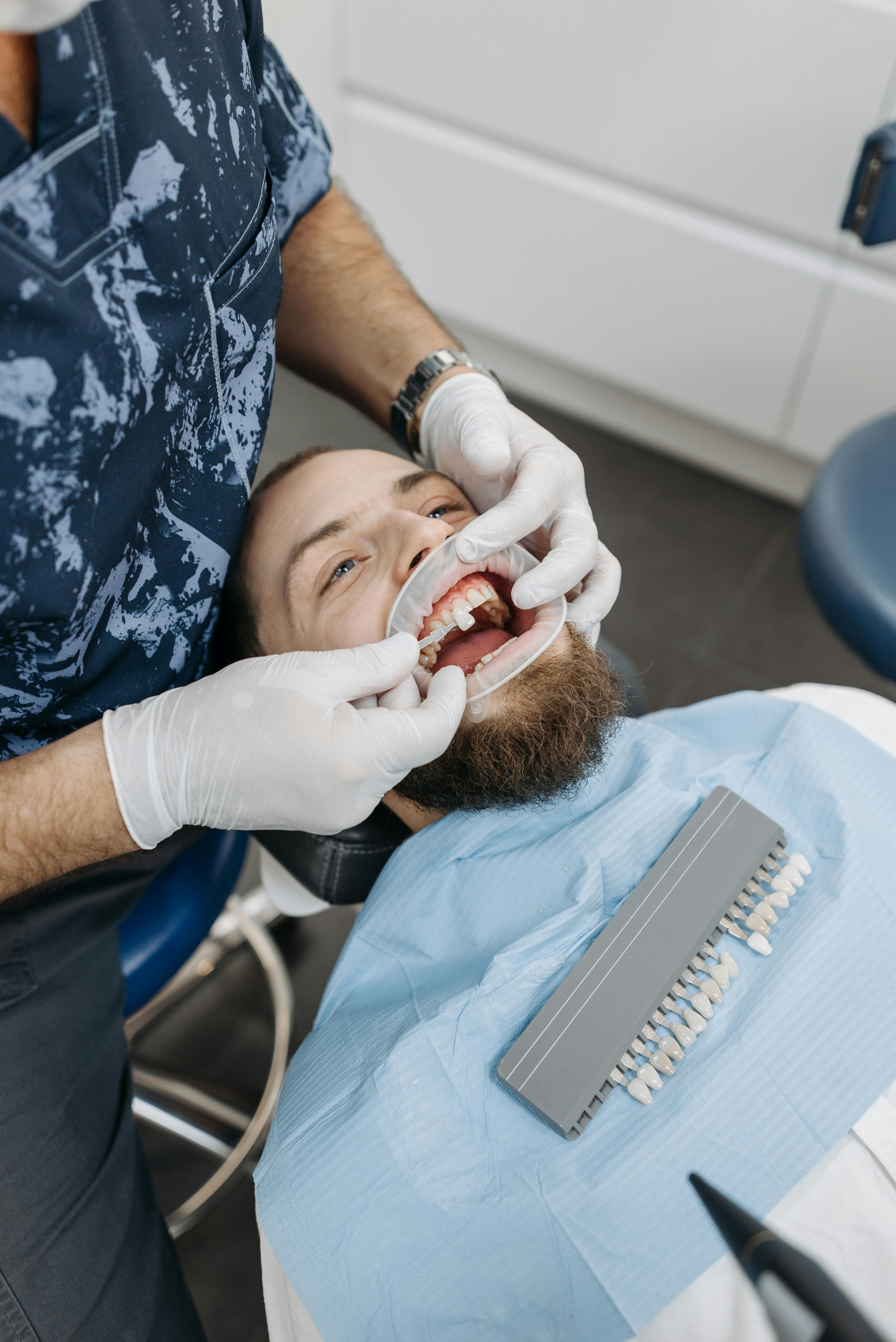
These changes happen gradually and are best tracked in partnership with your dental team. Their exams, X-rays, and professional judgment will give you the clearest picture of how well your prevention strategies—arginine included—are working.
Step‑by‑Step: How to Talk to Your Dentist About Arginine
If you’re curious but unsure how to bring this up at your next appointment, here’s a simple approach:
- Share your history.
Mention if you’ve had frequent cavities, sensitive teeth, or dry mouth. - Ask an open question.
For example: “I’ve been reading about arginine-containing toothpastes that may help shift oral bacteria toward a less acidic environment. Do you think that could be helpful in my case?” - Discuss specific products.
Bring photos or names of any toothpastes or rinses you’re considering. - Agree on a trial plan.
If your dentist approves, decide how long to try the product (often 3–6 months) and how you’ll monitor results. - Follow up.
At your next visit, ask if your plaque levels, early lesions, or risk profile have changed.
Bringing It All Together: A More Hopeful, Realistic Future Without Constant Cavities
Living with repeated cavities can be discouraging, especially when you feel like you’re already brushing and “doing everything right.” The emerging science on arginine offers a hopeful but realistic message: by gently nudging your oral microbiome toward a healthier balance, you may be able to give your teeth extra support in the daily battle against sugar and acid.
Arginine is not a silver bullet. It’s a promising addition to the fundamentals—twice-daily brushing with fluoride, flossing or interdental cleaning, mindful sugar habits, and regular dental care. Within that framework, arginine-containing products may help transform harmful dental biofilms into communities that are less likely to damage your teeth.
If you’re interested in trying this approach, your next best step is simple:
- Check whether your current toothpaste includes arginine.
- Bring the topic up with your dentist at your next visit.
- Commit to a consistent routine for at least a few months and track how you feel.
You deserve an oral care plan that works with your biology, not against it. With thoughtful guidance and evidence-informed tools like arginine, a future with fewer cavities—and more confidence in your smile—may be within reach.
