
Golden Retriever Caught Red-Pawed: Why Monte Walks on His Tippy Toes
If you’ve ever watched your dog sneak past you a little too quietly, you’ll recognize Monte the Golden Retriever right away. In a now-viral clip, Monte tiptoes—literally on his tippy toes—across the room, desperately trying not to alert his mom to the mysterious treasure he’s hiding in his mouth. It’s funny, ridiculously cute, and also a perfect little snapshot of how clever (and sneaky) our dogs can be.
In this article, we’ll unpack what’s going on when dogs behave like Monte, why that tippy-toe walk is more than just a comedy bit, and how you can gently guide similar behavior at home so your pup stays both safe and adorably themselves.
Monte the Golden Retriever: The Tiptoeing Sneak
In the original PetHelpful feature, Monte the Golden Retriever is caught on camera trying to sneak something past his mom. Instead of confidently trotting by, he raises himself up and walks on his tippy toes—like a kid trying not to wake their parents during a midnight snack run.
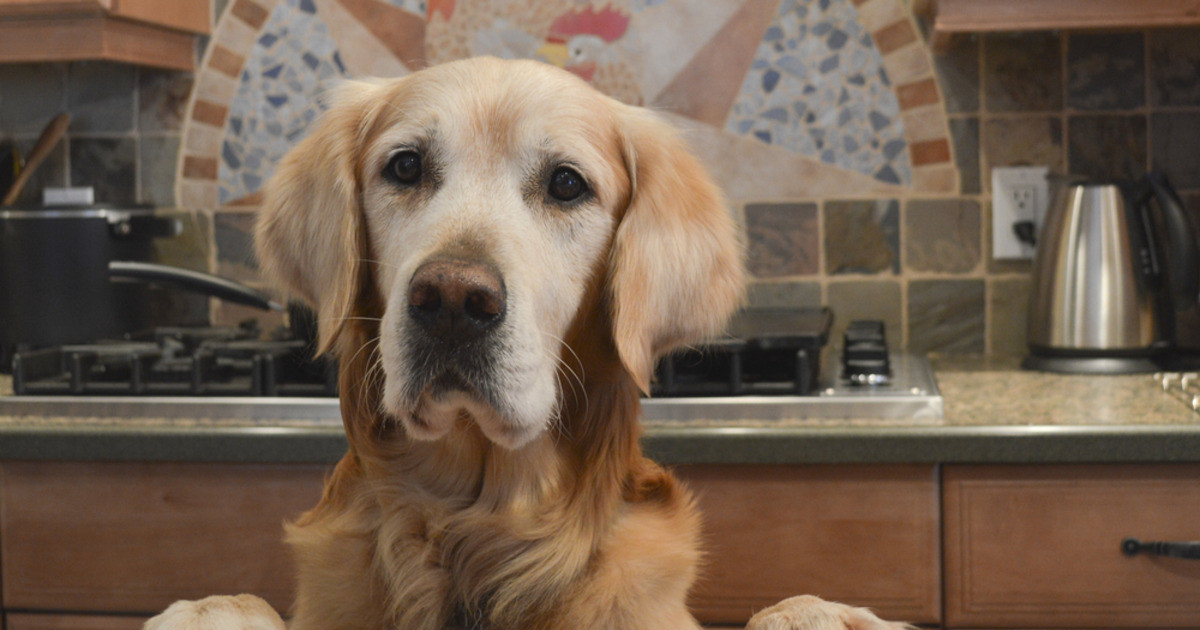
Viewers were quick to comment on how deliberate Monte’s movements looked: head slightly lowered, steps exaggerated, body language saying, “Nothing to see here, mom.” Underneath the humor, though, he’s showing very normal dog behavior—he has something valuable, and he’s not quite sure if it’s allowed.
“Dogs are experts at reading our body language—and at experimenting with their own. A ‘sneak walk’ is often a dog’s way of testing boundaries while trying to avoid conflict.”
— Dr. L. Carter, Veterinary Behaviorist
Why Do Dogs Walk on Their Tippy Toes When They’re Sneaking?
Monte’s tippy-toe walk is adorable, but it’s rooted in real canine body language. Dogs adjust their posture, gait, and eye contact depending on how confident they feel and how much they want to avoid getting in trouble.
Common reasons for the “sneaky tippy-toe” walk
- They’re guarding a “valuable” item: A sock, tissue, toy, or even a crumb can feel like buried treasure to a dog.
- They’ve learned the item is often taken away: If every time they grab a certain object you rush over and remove it, they may start sneaking.
- They’re trying to avoid confrontation: Slower, higher-stepping walks can signal uncertainty or appeasement, especially if your dog expects you might be upset.
- They’re just playing a game: Many dogs quickly learn that “catch me if you can” leads to attention, laughter, and chase—super rewarding from their point of view.
The Hidden Risk: What’s in Monte’s Mouth?
In Monte’s case, mom clearly suspects he has something he shouldn’t. That’s where the behavior moves from “cute” to potentially risky. Dogs don’t naturally know what’s safe to chew, swallow, or carry.
Common household items dogs may sneak
- Clothing items: socks, underwear, gloves, masks
- Paper goods: tissues, napkins, wrappers, receipts
- Small objects: hair ties, kids’ toys, batteries, coins
- Food scraps: chicken bones, grapes, chocolate pieces
Some of these, like socks and hair ties, may seem harmless but can cause serious intestinal blockages if swallowed. Others, like certain foods or batteries, can be toxic or corrosive.
How Monte’s Mom Handled It—and What You Can Learn
According to the PetHelpful summary, Monte’s mom doesn’t just scold him. Instead, she remains calm and ultimately rewards him. This is exactly the kind of response trainers recommend: focus on reward-based training instead of punishment.
Step-by-step: Turning “sneaky” into “safe” with a trade game
You can use a simple “trade” game to encourage your dog to bring you items rather than sneak away with them.
- Start with something safe and low-value.
Use a toy or object your dog likes but isn’t obsessed with. - Offer a high-value treat.
Approach your dog calmly, say a cue like “trade?” and hold out an extra-tasty treat. - Reward the release.
When your dog drops the item, mark it (“yes!” or a click if you use a clicker) and immediately give the treat. - Give the item back when it’s safe.
When possible, return the object so your dog learns that dropping something doesn’t always mean losing it forever. - Gradually practice with more tempting items.
Over time, work up to objects your dog is more likely to sneak—always keeping safety in mind.
“If giving something up always means loss, dogs naturally start guarding or sneaking. But if giving something up predicts something better, they start running toward you instead of away.”
— Jenna Ruiz, CPDT-KA, Certified Dog Trainer
A Real-Life Parallel: From Sneaky Sock Thief to Happy Helper
A client I worked with—we’ll call her Sam—had a Golden Retriever named Milo who behaved a lot like Monte. Milo would grab socks and then do a slow, exaggerated tiptoe past the hallway, clearly hoping no one would notice his “prize.”
At first, Sam chased him every time. Milo loved it. The pattern was simple: steal sock, get chase, play keep-away. It was fun for him, but stressful (and a little expensive in lost socks) for Sam.
We used the same trade game described above and added one extra rule: Milo earned a short game of tug or fetch every time he voluntarily brought a sock to Sam—after she safely took it away and stored it, of course. Within a couple of weeks, Milo transformed from a sneaky thief into a dog who proudly trotted over, sock in mouth, looking for his reward.
Reading Your Dog’s Body Language: When Cute Becomes Concern
Not every tippy-toe walk is just playful sneaking. Being able to read your dog’s overall body language helps you decide whether to laugh, train, or call the vet.
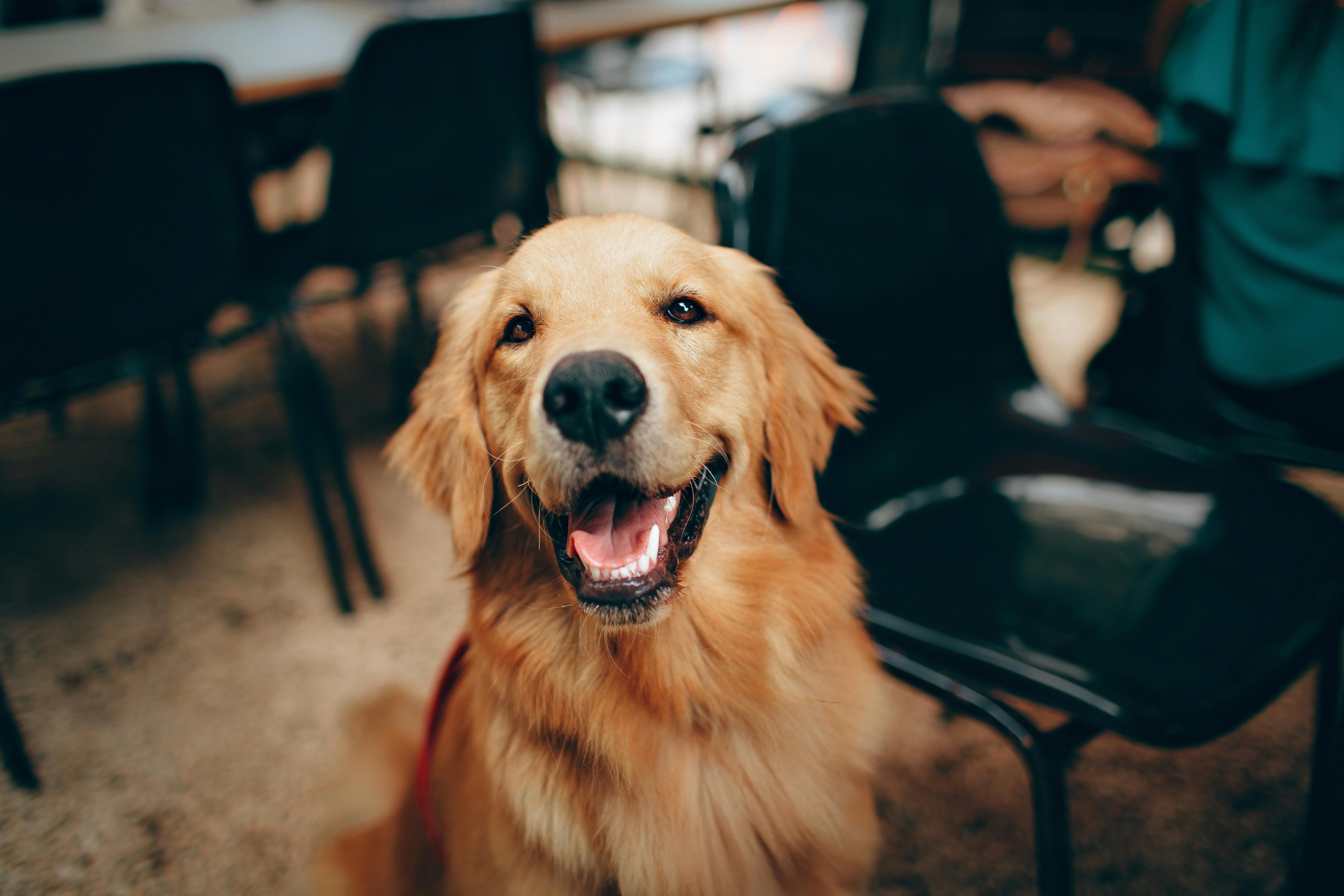
Signs it’s probably playful or harmless
- Loose, wiggly body
- Soft or “smiley” mouth
- Tail wagging in a relaxed way
- Dog circles back to you or initiates play
Signs you should pause and look closer
- Tail tucked tightly or held very stiff
- Whale eye (white of the eye showing), tense mouth
- Sudden change in gait without an obvious reason
- Yelping, limping, or reluctance to put weight on a paw
Before & After: Sneaky Monte vs. Confident Retriever
Visually, there’s a big difference between a dog sneaking with something forbidden and a dog moving confidently with something they’re allowed to carry.
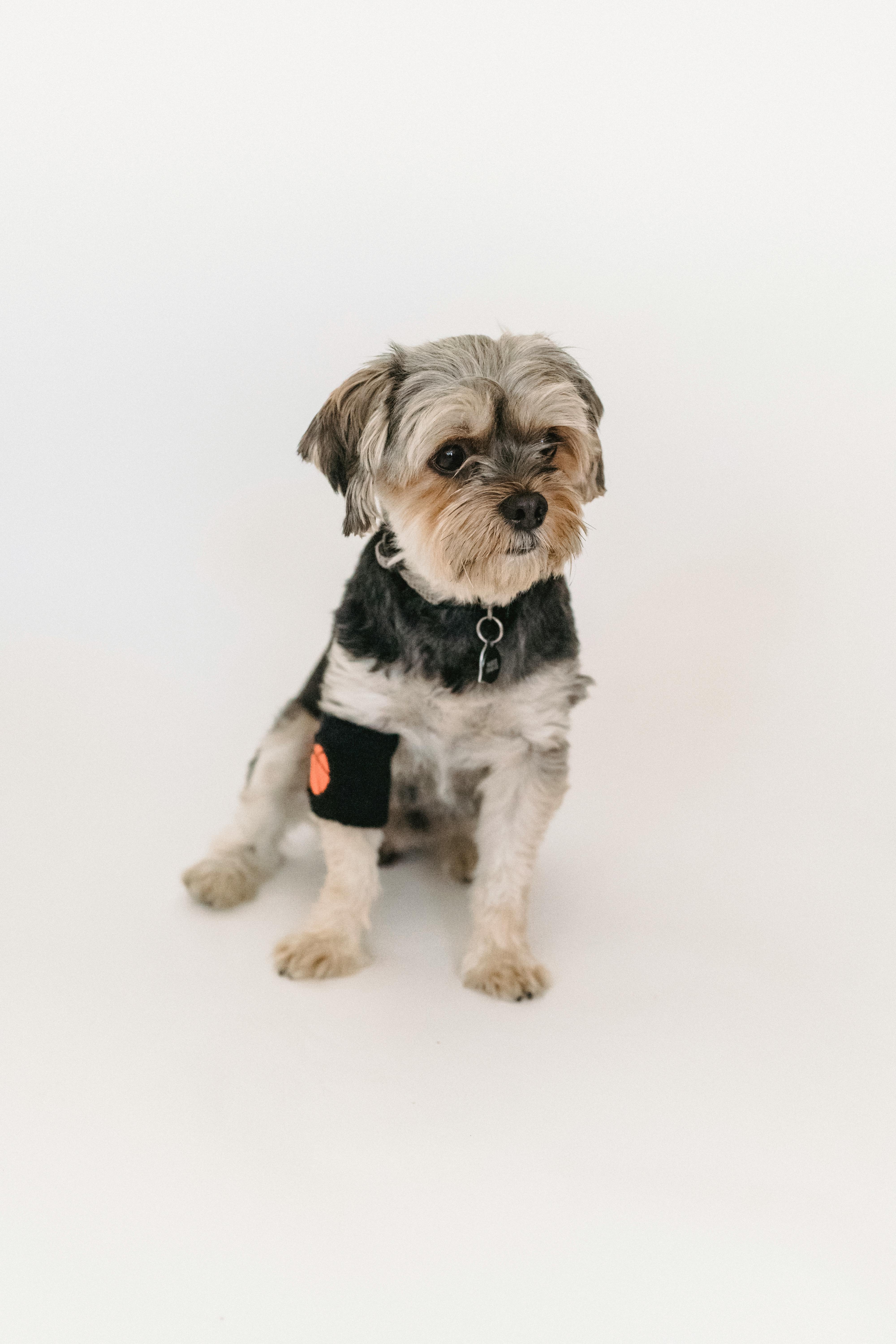
Watching how your own dog shifts between these two states over time—especially as you add positive training—can be a helpful, informal “before and after” of your relationship and their confidence.
What Research and Experts Say About “Sneaky” Dog Behavior
While “sneaky” isn’t a scientific term, behavior studies have shown that dogs are remarkably good at adjusting their actions based on our reactions. They can learn, for example, which objects usually get taken away and which ones earn praise.
- Learning through consequences: Dogs repeat behaviors that get them something they want—like attention, play, or keeping a prized object.
- Sensitivity to human attention: Research suggests dogs can use our gaze and posture as cues, which may explain why some dogs, like Monte, move differently when they think we’re not watching.
- Impact of positive reinforcement: Studies consistently find that reward-based training is associated with better welfare and less stress compared with punishment-based methods.
For more on canine behavior and welfare, consider resources from organizations like the American Veterinary Medical Association (AVMA) and the Certification Council for Professional Dog Trainers (CCPDT).
Common Obstacles Dog Parents Face—and How to Handle Them
Even with the best intentions, it’s easy to accidentally encourage the very behavior you want to change. Many Monte-like antics are fueled by how we respond in the moment.
Obstacle 1: The automatic chase response
When your dog grabs something and runs, your first instinct may be to chase. For many dogs, that’s the best game ever.
Try instead: Pause, take a breath, and calmly walk away or go to the kitchen to get high-value treats. Call your dog cheerfully and use your trade cue.
Obstacle 2: Inconsistent rules
If sometimes it’s okay for your dog to have shoes or tissues and sometimes it’s not, they’ll naturally test their luck.
Try instead: Decide as a household what’s always off-limits and what’s fair game, and stick to it.
Obstacle 3: Lack of safe alternatives
If your dog is bored or under-stimulated, “stealing” objects becomes a self-invented activity.
Try instead: Offer puzzle feeders, chew toys, and regular play sessions to meet their mental and physical needs.
Practical Daily Routine to Curb Sneaky Behavior
If Monte’s tippy-toe antics feel a little too familiar, a simple daily structure can make a big difference in just a few weeks.
- Morning: 10–20 minutes of walk or play to burn off energy, plus 5 minutes of basic cues like “leave it” and “drop it.”
- Midday: Provide a safe chew or puzzle toy while you work or run errands. Rotate toys every few days to keep them interesting.
- Evening: Practice the trade game with low- to medium-value objects, always making trades fun and generous.
- Night: Tidy potentially dangerous items (socks, small objects, trash) so sneaky missions are less rewarding.
Turning Monte’s Tippy Toes into a Training Opportunity
Monte the Golden Retriever may have been trying to sneak something past his mom, but he also gifted dog parents everywhere a perfect teaching moment. That exaggerated, tippy-toe walk isn’t defiance—it’s a mix of curiosity, caution, and a dash of canine comedy.
With calm, consistent, reward-based training, you can:
- Keep your dog safer around tempting household objects
- Reduce stressful “drop it now!” standoffs
- Build trust so your dog brings things to you instead of hiding them
- Preserve the joy and playfulness that made you fall in love with them in the first place
Next time you catch your own “Monte” sneaking by on their tippy toes, take a moment to smile—then use it as a chance to practice your trade game, reinforce your cues, and strengthen the bond you share. The cuteness may go viral online, but the real reward is the everyday connection you build at home.
Your next step: Choose one off-limits object your dog loves, set up a safe practice scenario today, and run 3–5 short “trade” reps. Keep it light, keep it fun, and watch how quickly your dog starts running toward you, not away from you.
