
Golden Globes Shockwaves: 5 Oscar Races That Just Got Wildly Interesting
The 2025 Golden Globes didn’t just hand out trophies; they rewired the Oscars race, tightening key acting contests, reviving a couple of presumed also-rans, and setting up at least five genuinely exciting head-to-head battles for the Academy Awards. With Wagner Moura’s momentum, Hamnet’s strong showing, and Stellan Skarsgård’s breakthrough win, the season has shifted from predictable coronations to genuine knife‑edge drama.
While Globe wins never guarantee Oscar gold, they do shape the narrative: they boost campaign budgets, recalibrate voters’ expectations, and suddenly make some campaigns look inevitable and others oddly vulnerable. This year, the Globes have narrowed the field in several marquee categories and turned what looked like comfortable leads into true two- or three-way battles.
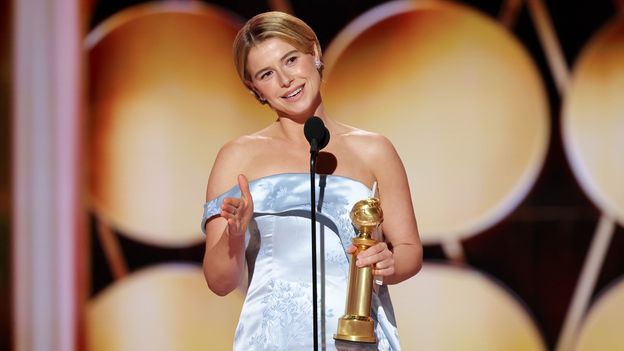
Below, a closer look at the five most compelling head‑to‑head clashes now defining the Oscars race, and how the Globes reshaped each fight.
1. Wagner Moura vs The Field: A Best Actor Race Suddenly on Fire
Wagner Moura arrived at the Globes as the critics’ darling, already crowned best actor at Cannes and widely treated as a near-lock for an Oscar nomination. The twist? The Actor awards (formerly SAG) nominations landed just days earlier—without his name. For a performer who’d been treated as a near-certainty, that absence looked ominous.
The Globes changed that story. His best actor win, in a category that often overlaps heavily with Oscar voters’ tastes, didn’t just restore credibility; it reframed Moura as the passionate choice in a field of safer, more traditional contenders.
“Moura’s turn is the kind of performance that haunts you—there’s charisma, but also this slow, bruised unraveling that stays with you long after the credits.”
— A leading awards columnist on the Cannes-winning role
Industry-wise, this creates a fascinating split-screen: SAG/Actor says “not our top five,” the Globes say “here’s your future Oscar nominee.” The Academy has a long history of siding with Cannes‑blessed, critics‑driven turns when the narrative becomes “overlooked by peers, rescued by voters” (think Marion Cotillard or Roberto Benigni).
- Pros for Moura: Cannes pedigree, strong festival run, a big international fanbase, and now a major televised win.
- Cons: Less US‑centric profile than some rivals, and Actor/SAG snub means not every voting bloc has embraced him.

2. Hamnet vs the Prestige Crowd: Best Picture and Adapted Screenplay Heat Up
Hamnet, adapted from Maggie O’Farrell’s acclaimed novel, entered awards season as literary prestige incarnate: period setting, emotional heft, and the Shakespeare-adjacent hook that makes publicists quietly beam. Still, there was a danger it would be politely admired and gently sidelined by louder, more topical contenders.
Its Golden Globes performance changed that dynamic. Multiple nods and a key win moved Hamnet from “respectable inclusion” to “real threat,” especially in adapted screenplay and potentially best picture. It now sits in that sweet spot between art-house and mainstream, the lane that has delivered past winners like The King’s Speech and Atonement (even when they didn’t always triumph, they were undeniably in the fight).

The head‑to‑head here isn’t just Hamnet versus one rival film; it’s Hamnet versus an entire ecosystem of “serious” cinema: social-issue dramas, biopics, and star-driven character pieces all fighting for the same limited Oscar oxygen. The Globes have effectively told the town: this is not just a classy sideline, it’s central to the conversation.
- Best Picture race: Hamnet now looks like a strong mid‑tier contender that could surge if voters coalesce around its emotional storytelling.
- Adapted Screenplay: This is where its odds look most dangerous; writers love a finely tuned literary adaptation with clear structure and depth.
“It’s elegant, but not dusty. If the Academy is in a romantic mood, Hamnet could become the season’s dark horse.”
— Veteran awards strategist, speaking to industry press
3. Stellan Skarsgård vs the Ensemble Favorites: A Supporting Actor Showdown
Stellan Skarsgård’s Golden Globes triumph in supporting actor is the sort of late‑game twist that awards pundits quietly dread and fans absolutely love. He’s long been regarded as one of the industry’s most versatile character actors, but major US awards recognition has often eluded him. A Globe win alters that narrative almost overnight.
Supporting categories are historically more fluid and more susceptible to a single televised jolt. Skarsgård’s victory suddenly throws him into a direct clash with two archetypes that voters adore: the charismatic scene‑stealer and the beloved veteran finally being “thanked for everything.” In some years, one performance manages to be both—and that’s the lane Skarsgård is sliding into.

- Momentum boost: A televised win markets him directly to voters who may not have prioritized the film in their screeners pile.
- Narrative: “Long-time staple finally stepping into the spotlight” is a catnip storyline for the Academy.
- Obstacle: Supporting categories can skew toward younger breakout stars, so Skarsgård must compete with “new discovery” buzz.
“Skarsgård has been quietly elevating other people’s movies for decades. This year, the movie finally caught up to him.”
— Film critic, post‑Globes roundtable
4. Snubs, Comebacks and the Globe–Actor/SAG Split: Who’s Really in Trouble?
If the Globes lit the fuse, the Actor (formerly SAG) nominations provided the explosion. The dissonance between the two sets of nods is where the Oscars race becomes truly unpredictable. Some names that looked “locked” a month ago suddenly feel oddly fragile; others, left off the Actor list, now cling to their Globe recognition as proof they’re still alive.

The most intriguing battle here isn’t between individual performers but between industry guild approval and media‑driven narrative:
- Actor/SAG‑favoured performances with strong ensemble recognition but less press buzz.
- Globe‑boosted turns that may be more divisive yet generate passionate support.
“In a tight year, it’s not always the ‘best’ performance that gets in—it’s the one people are talking about the most in the last two weeks of voting.”
— Awards-season publicist, on off‑the‑record basis
The snubs, paradoxically, may help some contenders. Being “robbed” at one show can energize a fanbase and press narrative that the Academy is surprisingly responsive to. On the flip side, early front‑runners who performed merely “as expected” at the Globes risk feeling overfamiliar by the time Oscar ballots go out.
5. The Five Most Exciting Oscar Races the Globes Just Supercharged
Zooming out, the Golden Globes have clarified where the season’s genuine drama lies. Strip away the noise and you’re left with five races that now feel genuinely up for grabs:
- Best Actor: Wagner Moura’s Cannes–Globes combo versus Actor/SAG favourites with stronger guild backing.
- Best Supporting Actor: Stellan Skarsgård’s late‑breaking surge against younger breakout names.
- Best Picture: Hamnet and a handful of prestige titles fighting for limited top‑tier slots.
- Adapted Screenplay: The literary weight of Hamnet against more overtly “issue‑driven” scripts.
- Acting ensemble vs star vehicles: Films that thrive as collective achievements set against movies built around one show‑stopping performance.

These clashes aren’t just about shiny statues. They reflect deeper questions about what the film industry wants to reward in 2025: global perspectives versus US‑centric stories, intimate literary adaptations versus topical headlines, and veteran craft versus buzzy new talent. The Globes have drawn the battle lines; the Oscars will decide which version of cinema gets to define the year.
Where the Oscars Race Goes from Here
With the Golden Globes in the rear-view mirror, the real test is whether Wagner Moura, Hamnet, Stellan Skarsgård and the rest can turn televised momentum into something more durable: guild support, critical reappraisal, and, crucially, repeat viewings from Academy voters. Awards season has always been a blend of craft, campaigning and timing—and this year, timing might matter more than ever.
The only safe prediction right now is that those “sure things” are no longer quite so sure. If the Globes have their way, the upcoming Oscars ceremony won’t be a coronation—it’ll be a genuine contest, shaped as much by these surprise wins and snubs as by the performances themselves.
