
Glow From the Gut: A Flavor-Packed Microbiome Diet You’ll Actually Crave
Gut health has moved from a niche wellness topic into a mainstream obsession, and honestly, it’s one of the most delicious “health trends” we’ve ever had. From tangy kimchi tucked into grain bowls to creamy yogurt swirled with berries and oats, microbiome‑friendly eating is all about layering flavor, crunch, and vibrant color onto your plate—while quietly nourishing your digestion, immunity, and even mood.
Below, we’ll explore why gut health is trending, what the latest (as of 2026) science is saying, and how to build satisfying, real‑world meals packed with fermented foods and fiber‑rich “superfoods.” You’ll also find practical, home‑cook‑friendly tips, plus a flexible microbiome‑friendly bowl recipe you can adapt to your own taste and dietary needs.
Why Gut Health and the Microbiome Diet Are Having a Moment
Across Google searches, TikTok “what I eat in a day for gut health” videos, YouTube explainers, and podcasts, more people than ever want to “heal the gut,” reduce bloating, and support the microbiome. Three big forces are driving this:
- Expanding science: Research keeps linking gut microbes to digestion, immune function, metabolic health, and mood.
- Real‑world symptoms: Bloating, IBS‑like discomfort, reflux, and irregularity are incredibly common—and many people feel rushed through traditional appointments.
- Longevity mindset: Gut health is talked about alongside sleep, movement, and stress as a core pillar of long‑term wellness.
The Modern Gut Health Picture (Science up to 2026)
Your gut microbiome is a vast ecosystem of bacteria, viruses, and fungi living mostly in your large intestine. Collectively, they help break down food, produce vitamins and signaling molecules, train the immune system, and may influence mood through the gut–brain axis.
As of 2026, research continues to show that diet patterns—especially fiber intake, plant variety, and ultra‑processed food consumption—shape which microbes thrive. While there’s no single “perfect” microbiome, several themes keep showing up:
- A more diverse microbiome tends to be associated with better metabolic and inflammatory markers.
- Plant‑rich, minimally processed diets (similar to Mediterranean or flexitarian patterns) support a more resilient microbial community.
- Fermented foods may increase microbial diversity and reduce certain inflammatory markers in some people.
Think of your microbiome as a garden—fiber and diverse plant foods are the compost and variety of seeds, while fermented foods are like sprinkling in new plant starters.
Core Microbiome Diet Themes: Fermented Foods, Fiber & Plant Diversity
1. Fermented Foods: Tangy, Salty, Funky, and Friendly
Fermented foods are everywhere in gut‑health content: yogurt with live cultures, kefir, kimchi, sauerkraut, miso, tempeh, kombucha, and naturally fermented pickles. They’re essentially foods transformed by microbes, developing complex flavors and (when unpasteurized) living cultures.
Sensory‑wise, think:
- Kimchi & sauerkraut: Crisp, tangy, slightly funky crunch that wakes up grain bowls and sandwiches.
- Yogurt & kefir: Creamy, cooling, gently sour—perfect with berries, oats, or savory toppings like olive oil and herbs.
- Miso & tempeh: Deep, savory umami; miso adds complexity to broths and dressings, while tempeh brings a nutty chew.
2. Fiber: The Microbiome’s Favorite Super‑Nutrient
Prebiotic fibers are the parts of plants that your body doesn’t fully digest—but your gut bacteria do. They ferment these fibers to produce short‑chain fatty acids (SCFAs) that can support gut lining health, immune function, and metabolic processes.
Key prebiotic‑rich foods include:
- Oats, barley, and other whole grains
- Beans, lentils, chickpeas
- Onions, garlic, leeks, and asparagus
- Bananas (especially slightly underripe), apples, berries
- Seeds like chia and flax
Many experts still encourage aiming for about 25–35 g of fiber per day, ideally from a mix of whole grains, legumes, fruits, vegetables, nuts, and seeds.
3. “30 Plants a Week”: Diversity Over Perfection
One social‑media‑friendly rule of thumb is the “30 plants per week” idea: counting fruits, vegetables, herbs, spices, nuts, seeds, and legumes toward a weekly plant diversity goal. You don’t have to be perfect; the spirit is simply:
- Rotate your grains (oats, quinoa, brown rice, buckwheat).
- Mix up your beans (black beans one night, lentils another, chickpeas for lunch).
- Sprinkle in different herbs and spices for extra plant “points.”
4. Cutting Back on Ultra‑Processed Foods
At the same time, many gut‑health creators recommend not overdoing foods high in refined sugars, some emulsifiers, and certain artificial sweeteners. Emerging research suggests that in susceptible individuals, these may shift the microbiome or worsen GI symptoms.
This doesn’t mean you can never enjoy a packaged snack again; it’s more about letting whole, minimally processed plants and fermented foods take center stage most of the time.
How Gut Health Shows Up Online: From Oats to Kimchi Jars
If you’ve scrolled through gut‑health content lately, you’ve probably seen:
- “What I eat in a day for gut health” videos featuring overnight oats, chia puddings, colorful grain bowls, and fermented toppings.
- Homemade fermentation tutorials for sauerkraut, kimchi, and yogurt—often framed as budget‑friendly and fun weekend projects.
- Short explainers clarifying probiotics vs. prebiotics vs. postbiotics.
The most sustainable trend emerging across these formats is less about strict rules and more about defaulting to plant‑rich, microbiome‑supportive meals that are still cozy and satisfying.
Caveats, Controversies, and Listening to Your Own Gut
As exciting as this field is, it comes with important nuances:
- Over‑promising: Diet alone often can’t “cure” complex gut disorders, mental health conditions, or autoimmune issues. Diet is one powerful tool among many.
- One‑size‑fits‑all advice: Very high fiber or very ferment‑heavy diets can worsen symptoms for some people, especially those with IBS, SIBO, or certain intolerances.
- Supplement overload: There is an explosion of probiotic and prebiotic supplements. Not all are evidence‑based or necessary, and the “best” strains can vary by condition.
The most practical approach is to experiment gently: add one or two new gut‑friendly foods at a time, notice how you feel, and adjust. Your microbiome is unique, and your plate can be too.
Recipe: Microbiome-Friendly Fermented Grain Bowl (Customizable)
This fermented grain bowl is a flexible, weeknight‑friendly way to pack in fiber, plant diversity, and live cultures. Think warm, nutty grains; creamy yogurt or tahini; crunchy vegetables; and a bright hit of kimchi or sauerkraut to tie it all together.
The beauty of this bowl is that you can build it around what you already love: swap grains, change the beans, and adjust the fermented topping to your taste and tolerance.

Prep time: 20 minutes (plus grain cooking time if not pre-cooked)
Cook time: 25–30 minutes
Total time: 35–45 minutes
Servings: 2 generous bowls (easily doubled)
Difficulty: Easy (great for busy weeknights)
Dietary: Vegetarian, easily made vegan and gluten‑free
Ingredients for the Fermented Grain Bowl
Equipment
- Medium saucepan or rice cooker (for grains)
- Large skillet or sauté pan
- Cutting board and sharp knife
- Mixing bowl
- Measuring cups and spoons
- Serving bowls
Base Grains
- 1 cup (200 g) uncooked whole grain (brown rice, quinoa, barley, or buckwheat) – about 3 cups cooked
- 2 cups (480 ml) water or low‑sodium vegetable broth
- Pinch of salt (optional, adjust for broth)
Protein & Fiber Boost
- 1 cup (170 g) cooked beans or lentils (chickpeas, black beans, lentils, or mixed)
- 1 tbsp extra‑virgin olive oil (for sautéing)
- 1 small onion or 2 leeks, thinly sliced
- 2 cloves garlic, minced
Colorful Vegetables
- 1 cup (100 g) shredded red or green cabbage
- 1 medium carrot, julienned or grated
- 1 small bell pepper, thinly sliced
- 1 small handful leafy greens (spinach, kale, or arugula)
Fermented Components
- 1/2–3/4 cup (75–110 g) kimchi or sauerkraut, drained slightly
- 1/2 cup (120 g) plain yogurt or kefir with live cultures (use coconut or soy yogurt for vegan)
Sauce & Toppings
- 2 tbsp tahini or nut butter
- 1–2 tbsp lemon juice or apple cider vinegar
- 1–2 tsp miso paste (optional, for extra umami and fermentation)
- 1–2 tsp honey or maple syrup (optional, to balance acidity)
- 2 tbsp fresh herbs (parsley, cilantro, dill, or chives), chopped
- 2 tbsp seeds (chia, flax, pumpkin, or sesame) for crunch and omega‑3s
- Salt and freshly ground black pepper, to taste
Step-by-Step Cooking Instructions

- Cook the grains.
Rinse your chosen grain under cool water. Combine 1 cup grain with 2 cups water or broth and a pinch of salt in a saucepan. Bring to a boil, then reduce to a low simmer, cover, and cook until tender (usually 15–30 minutes depending on the grain). Fluff with a fork and set aside. - Sauté the aromatics.
In a large skillet, warm 1 tbsp olive oil over medium heat. Add sliced onion or leeks and cook 5–7 minutes until soft and translucent, stirring occasionally. Add minced garlic and cook 1 minute more, just until fragrant. - Add beans and vegetables.
Stir in the cooked beans or lentils, cabbage, carrot, and bell pepper. Cook 3–5 minutes until the vegetables are just tender but still bright and slightly crisp. Add leafy greens and cook another 1–2 minutes until wilted. Season lightly with salt and pepper. - Whisk the sauce.
In a small bowl, whisk together tahini, lemon juice or vinegar, miso (if using), and honey or maple syrup. Add a splash of water, 1 tsp at a time, until the sauce is creamy and pourable. Taste and adjust acidity and sweetness to your liking. - Warm, don’t cook, the ferments.
Keep your kimchi or sauerkraut and yogurt off the heat to preserve live cultures. If you prefer them slightly less cold, you can set them on the counter while you cook so they come to room temperature. - Assemble the bowls.
Divide the warm grains between two bowls. Top with the sautéed bean‑vegetable mixture. Add a generous spoonful of kimchi or sauerkraut to each bowl and a dollop of yogurt or kefir. - Finish with flavor and crunch.
Drizzle each bowl with the tahini‑miso sauce. Sprinkle with fresh herbs and seeds. Taste and add a final squeeze of lemon, a grind of pepper, or a pinch of salt if needed.
Taste, Texture, and the Joy of Eating for Gut Health
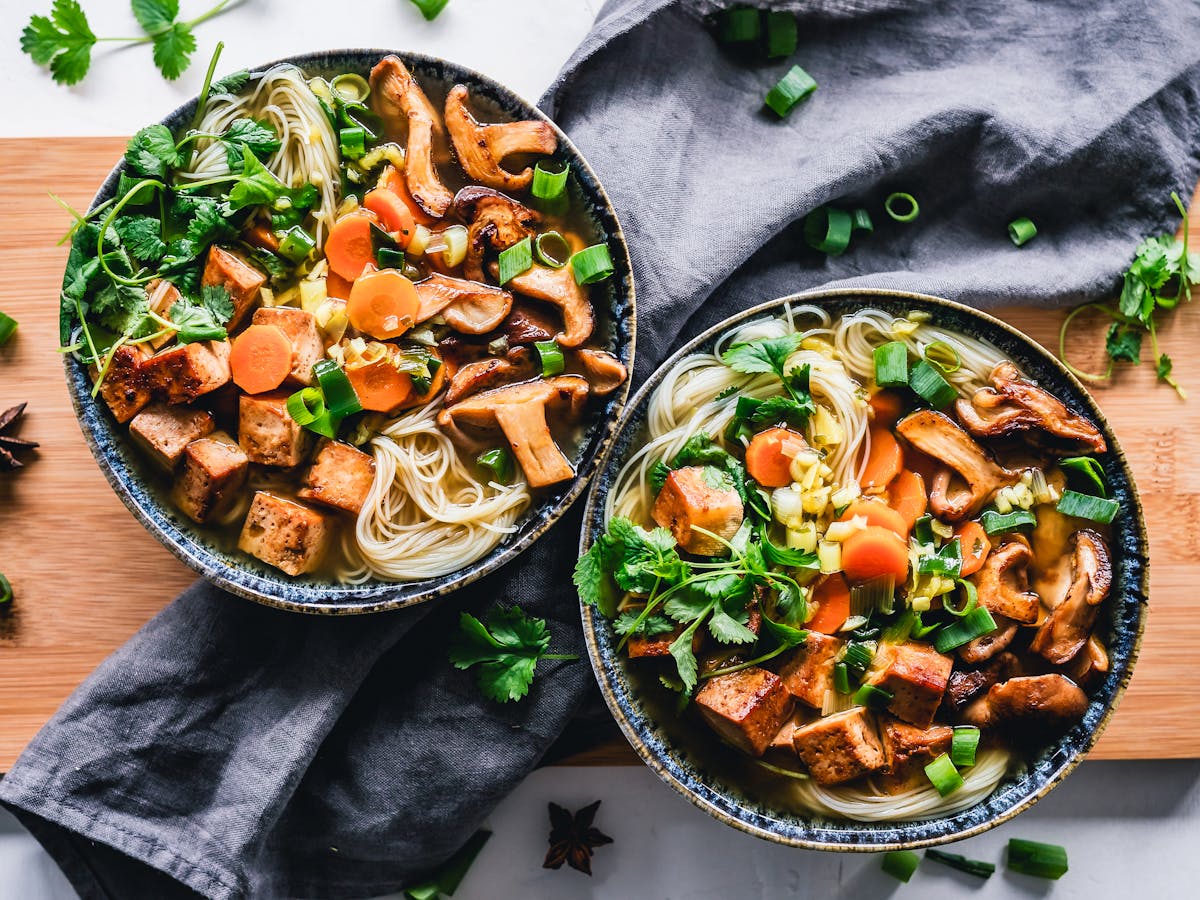
This bowl brings a beautiful mix of textures: the soft chew of warm grains, the creaminess of yogurt and tahini, the snappy crunch of cabbage and carrots, and the juicy bite of fermented vegetables. Aromas of garlic, onions, and miso drift up as you eat, while herbs and lemon keep every bite bright.
The overall flavor is savory, tangy, and gently nutty, with just enough acidity to feel light but satisfying. It’s the kind of meal that feels cozy yet leaves you energized rather than weighed down.
Recipe Variations and Dietary Adaptations
- Vegan: Use a cultured plant‑based yogurt (coconut, soy, or almond) and ensure your miso is vegan.
- Gluten‑free: Choose naturally gluten‑free grains like quinoa, brown rice, or buckwheat, and verify that your miso and ferments are gluten‑free.
- Low‑FODMAP inspired: In a sensitive phase, limit garlic, onions, and large servings of cabbage or beans. Swap in low‑FODMAP vegetables (zucchini, carrots, spinach) and smaller portions of fermented foods, adjusting based on your tolerance and professional guidance.
- Higher protein: Add grilled tempeh, tofu, or a soft‑boiled egg. You can also stir in hemp seeds for a subtle, nutty boost.
- Spice level: Use mild sauerkraut for a gentle bowl, or go bold with extra‑spicy kimchi and a drizzle of chili oil.
Storage, Meal Prep, and Reheating
This recipe is wonderfully meal‑prep friendly if you store the components separately.
- Cooked grains: Store in an airtight container in the refrigerator for up to 4 days.
- Bean‑vegetable mix: Keeps well in the fridge for 3–4 days.
- Ferments (kimchi/sauerkraut): Store in their brine in a sealed jar in the fridge; they often keep for weeks or longer, becoming tangier over time.
- Yogurt and sauce: Keep chilled and use within 3–5 days, stirring the sauce if it thickens.
For best texture and to keep live cultures intact:
- Reheat only the grains and bean‑vegetable mix gently on the stovetop or in the microwave until warmed through.
- Add ferments and yogurt after reheating, just before serving.
Serving Suggestions and Complementary Gut-Friendly Dishes
Turn this grain bowl into a full microbiome‑supportive meal plan by pairing it with:
- Breakfast: Overnight oats with chia seeds, berries, and a spoonful of yogurt or kefir.
- Snack: A small bowl of live‑culture yogurt with sliced banana and a sprinkle of ground flax.
- Side dish: A quick side of lightly fermented cucumber pickles or a simple cabbage slaw with apple cider vinegar.
- Drink: A small glass of kombucha or water infused with ginger and lemon (if tolerated).
Getting Started with a Microbiome-Friendly Lifestyle
Supporting your gut doesn’t require a complete life overhaul. Begin with a few simple habits:
- Add one extra plant food to at least one meal a day—an herb, a seed, a new vegetable.
- Include a fermented food a few times a week, watching how your body responds.
- Gradually nudge your fiber intake upward with beans, whole grains, fruits, and vegetables, alongside plenty of fluids.
- Notice your energy, digestion, and mood over time, not just day to day.
Above all, let your gut‑health journey be curious and joyful. Every colorful bowl, crunchy forkful of sauerkraut, or creamy spoon of yogurt is not just nourishment—it’s a tiny act of care for the ecosystem inside you.

