
From Tiny Hands to Big Hopes: How Baby Gabriel Thrived After a Year in the NICU
When baby Gabriel was born at just 23 weeks, his tiny hand was smaller than his dad’s fingertip. For months, his parents hovered over an incubator in Vanderbilt’s neonatal intensive care unit (NICU), unsure what the next day would bring. Today, after a year in the hospital, Gabriel is finally home—and doctors say he’s developing normally for his corrected age.
Stories like Gabriel’s don’t just warm the heart; they also show how far neonatal medicine, careful follow-up, and family support have come. While not every premature baby will follow the same path, his journey offers real, grounded hope for families facing an early, frightening birth.
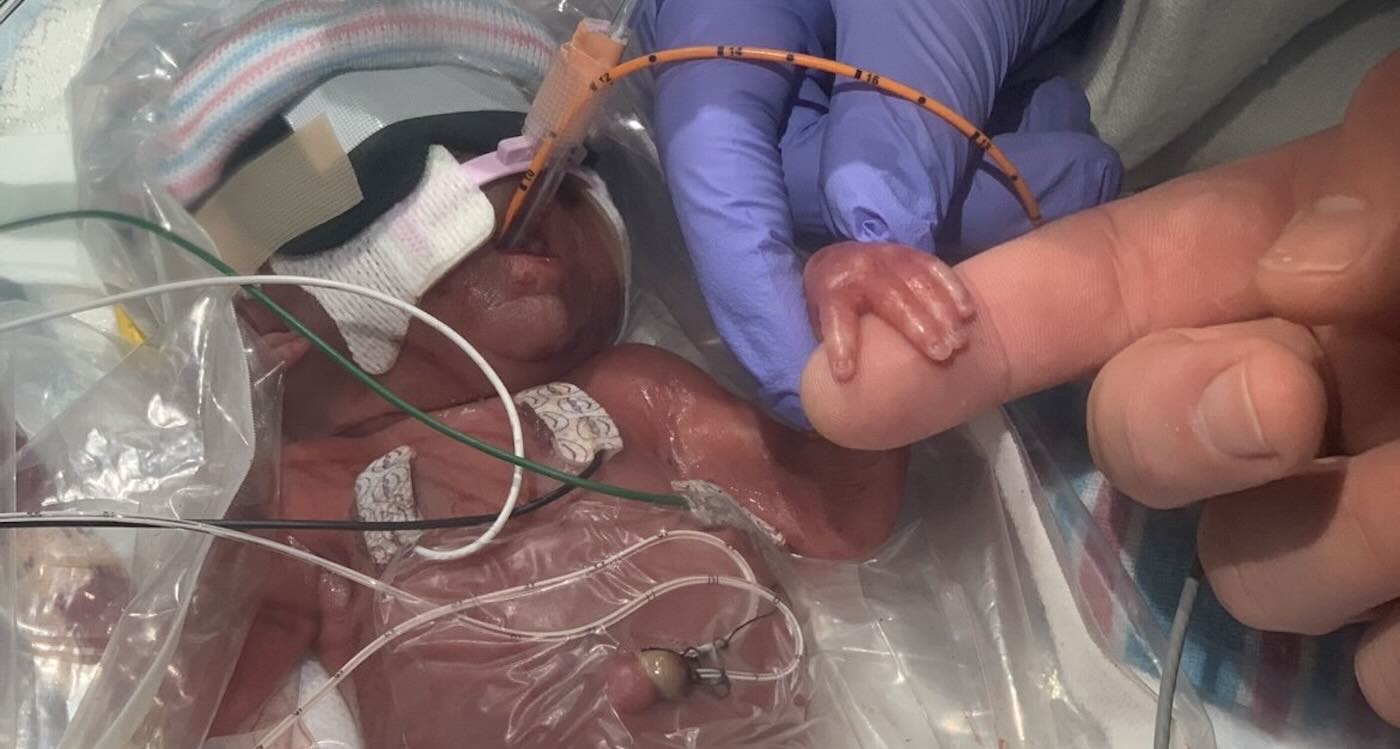
A Tiny Start, A Big Journey Home
Extremely premature babies—those born before 28 weeks—face long odds and long hospital stays. Yet thanks to advances in NICU care, survival and long‑term outcomes have significantly improved over the last two decades. Gabriel’s story is one example of what’s possible when expert care, evidence-based medicine, and relentless parental love come together.
“We tell parents: every preemie writes their own story. We can’t promise outcomes, but we can promise we’ll walk every step with you.”
— Neonatologist at a U.S. Level IV NICU
Understanding Extremely Premature Birth
Gabriel was born around the edge of viability—roughly 22–24 weeks of pregnancy—when a baby’s organs are still very immature. According to recent data from large neonatal networks, survival and outcomes at this stage vary by hospital resources, birth weight, and individual medical factors.
Common challenges for babies born this early can include:
- Immature lungs that often require breathing support and surfactant therapy
- Fragile brains at risk of bleeding or injury
- Feeding difficulties and reliance on IV nutrition before milk feeds are tolerated
- Higher risk of infections due to an immature immune system
- Temperature instability, making incubators and careful monitoring essential
Gabriel’s medical team at Vanderbilt University Medical Center—a leading academic hospital—was able to stabilize him, manage multiple complications, and support his growth until he was strong enough to go home.
Inside Gabriel’s First Year in the NICU
While we don’t have every detail of Gabriel’s medical chart, his family has shared that he spent about a year in the NICU before discharge. That’s common for babies born extremely early: many stay in the hospital until around their original due date—or longer if complications arise.
A typical journey for a baby like Gabriel often includes:
- Stabilization in the delivery room: breathing support, temperature control, and careful transport to the NICU.
- Early intensive care: ventilators or CPAP, IV nutrition, antibiotics, and frequent blood tests.
- Gradual introduction of milk feeds: often starting with tiny amounts of breastmilk through a feeding tube.
- Monitoring for complications: including infections, lung disease (BPD), eye issues (ROP), and brain bleeding.
- Developmental support: physical, occupational, and speech therapy often begin right in the NICU.
- “Grower and feeder” stage: as breathing stabilizes, the main goals become gaining weight and learning to feed by mouth.

By the time Gabriel went home, doctors reported that he was meeting expected milestones for his corrected age—meaning his development is tracked from his due date, not his actual birth date. This is standard practice for preterm babies and helps avoid unfair comparisons with full‑term infants of the same chronological age.
What “Developing Normally” Means for a Former Preemie
Hearing that a baby born this early is “developing normally” is hugely encouraging—but it doesn’t mean there are zero risks ahead. Development after extreme prematurity exists on a spectrum, and some challenges only appear later in childhood.
When doctors say a preemie is on track, they typically look at:
- Motor skills: head control, rolling, sitting, crawling, and later walking and coordination.
- Language: cooing, babbling, responding to sounds, then words and phrases.
- Social and emotional skills: eye contact, smiling, responding to caregivers.
- Growth: weight, length, and head circumference following a healthy curve.
- Hearing and vision: normal screening tests or well-managed conditions.
“For extremely preterm infants, early developmental assessments are like snapshots, not final verdicts. Ongoing monitoring and early therapy can make a meaningful difference.”
— Pediatric developmental specialist, 2024 conference proceedings
In Gabriel’s case, being described as “developing normally” for his corrected age suggests he is hitting key early milestones and that any medical issues from the NICU are currently well controlled. Even so, his care team will likely continue following him for several years through a high‑risk infant follow‑up clinic.
How Families Help Preemies Thrive at Home
If you’re preparing to bring a premature baby home—whether after weeks or many months in the NICU—you’re stepping into a new chapter that can feel both exciting and overwhelming. The good news: you’re not expected to do it alone, and many of the same principles that supported Gabriel can help your family too.
1. Follow-up care and appointments
Most former preemies benefit from structured follow-up:
- Regular visits with a pediatrician familiar with preterm infants
- Check-ins with specialists as needed (e.g., eye doctor, lung specialist, neurologist)
- Developmental evaluations to catch delays early
- Referrals to early intervention programs if any concerns arise
2. Creating a calm, safe environment
Babies who spent months in the NICU can be more sensitive to light, sound, and handling. You can support their development by:
- Keeping noise and bright lights to a minimum, especially at first
- Using gentle, predictable routines for feeding and sleep
- Practicing skin‑to‑skin contact if approved by your medical team
- Positioning your baby as taught in the NICU to support motor skills and comfort
3. Nourishing growth
Nutrition is a cornerstone of preemie recovery. Depending on your baby’s needs, your care team may recommend:
- Fortified breastmilk or specialized preterm formulas
- Specific feeding schedules or volumes to support catch-up growth
- Follow-up with feeding or lactation specialists if feeding is difficult
4. Caring for yourself, too
Parents of preemies often experience anxiety, grief, or post‑traumatic stress after a long NICU stay. It’s not a sign of weakness—it’s a common human response to a medical crisis.
- Reach out to NICU parent support groups (often available in person and online).
- Ask your primary care provider about mental health support if you feel overwhelmed.
- Share practical tasks (like managing appointments) with trusted family or friends.
Common Obstacles—and How Families Navigate Them
Even with a positive story like Gabriel’s, the road home can be bumpy. Recognizing common obstacles in advance can make them easier to handle.
1. Medical equipment at home
Some babies go home with oxygen, monitors, or feeding tubes. That can feel intimidating, but:
- Hospitals usually provide hands‑on training before discharge.
- Home health nurses or respiratory therapists may visit early on.
- Keep written step‑by‑step instructions somewhere visible in your home.
2. Fear of germs and visitors
Preemies are more vulnerable to certain infections, especially in their first winter season. Many families:
- Limit visitors and ask anyone sick (or recently sick) to stay away.
- Ask everyone to wash hands or use sanitizer before holding the baby.
- Talk with their doctor about vaccines and preventive medications their baby may qualify for.
3. Comparing to full-term babies
It’s natural to compare your baby to friends’ or relatives’ children, especially if they’re the same chronological age. But:
- Use corrected age (based on due date) when thinking about milestones.
- Ask your pediatrician what range of timing is typical for your baby’s history.
- Remember that catching up can take months or even a couple of years—and that’s often still normal for preemies.

The Science Behind Success Stories Like Gabriel’s
Gabriel’s outcome isn’t an accident. It reflects decades of research and improvements in neonatal care. While individual results always vary, several interventions are strongly associated with better survival and development in extremely preterm babies:
- Delivery at a high‑level NICU: Hospitals with Level III or IV NICUs tend to have more experience and better outcomes for very tiny infants.
- Antenatal steroids: Medications given to the birthing parent before delivery can help mature the baby’s lungs.
- Surfactant therapy and gentle ventilation: Help stabilize fragile lungs while minimizing injury.
- Human milk feeding: Associated with lower infection risk and better long‑term outcomes in many studies.
- Infection prevention protocols: From hand hygiene to central line care, these measures have dramatically reduced serious infections in NICUs.
- Early developmental and family-centered care: Kangaroo care (skin‑to‑skin), cue‑based care, and involving parents as partners benefit both babies and families.
None of these interventions can guarantee a specific outcome for any one baby. But together, they’ve helped make stories like Gabriel’s more common than they were a generation ago.
A Message of Realistic Hope for NICU Families
If you’re reading this from the side of an incubator—or from home, staring at a monitor light in the middle of the night—you may feel like your world has shrunk to vital signs and feeding volumes. Gabriel’s journey from a hand the size of a fingertip to a thriving baby at home doesn’t erase the fear, grief, or uncertainty many NICU families feel, but it does offer a genuine, evidence‑rooted kind of hope.

You cannot control every outcome, and no article—or doctor—can promise that your baby will follow the same path. What you can do is:
- Ask questions and stay involved as part of your baby’s medical team.
- Learn your baby’s cues and advocate for their needs.
- Accept support—from professionals, family, friends, and other NICU parents.
- Take care of your own physical and emotional health as best you can.
As Gabriel’s parents discovered, progress can be painfully slow, then suddenly breathtaking. One day you’re measuring weight in grams and feedings in milliliters; months later, you might be watching your child smile at you from the safety of your own living room. That possibility—grounded in modern neonatal science and strengthened by your love—is worth holding onto.
If you’re currently in the NICU journey, consider asking your care team today:
- “What are the most important goals for my baby this week?”
- “How can I be involved in my baby’s care right now?”
- “What resources exist for parents after discharge?”
One tiny step—and one tiny hand—at a time, you and your baby are moving forward.
