
Former Disney Actor Matt Prokop’s Reported Christmas Eve Arrest Sparks Questions About Child Stardom and Accountability
Former Disney Channel actor Matt Prokop has reportedly been arrested in Texas following a tense interaction with police on Christmas Eve, reigniting difficult questions about the pressures of child stardom, accountability, and how the entertainment industry handles troubled alumni. While the details are still emerging, the incident taps into a long-running pattern: the uneasy afterlife of Disney fame once the cameras stop rolling.
According to a recent report from TMZ, officers say Prokop resisted arrest and allegedly slammed the door on police before being taken into custody and transported to a Texas jail on December 24. As with any breaking legal story, the available information is partial and subject to updates, but the arrest has already triggered fresh scrutiny of how ex-teen stars navigate adulthood under a lingering public spotlight.
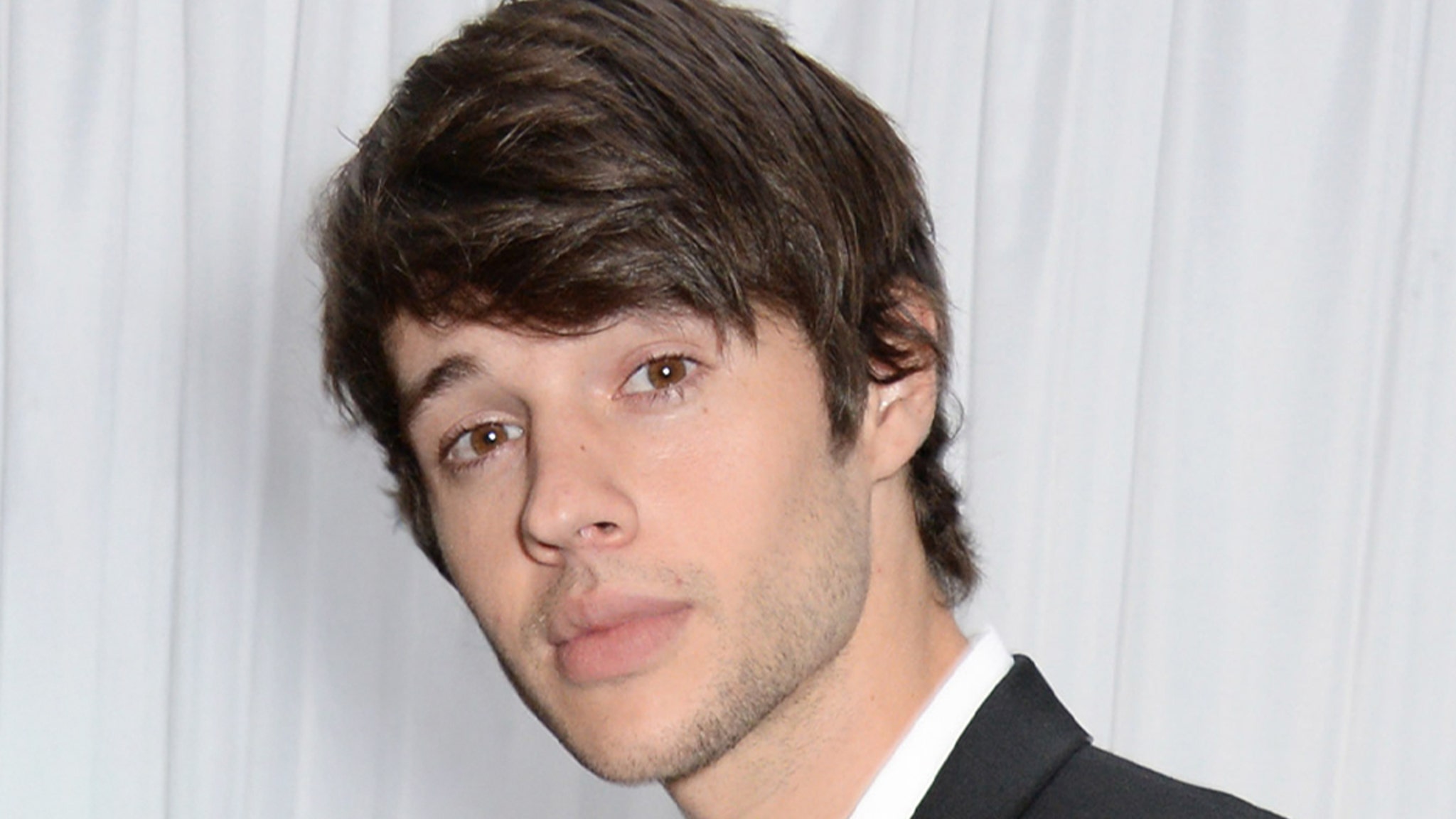
From Disney Prom Night to Tabloid Headlines: Who Is Matt Prokop?
For many viewers, Matt Prokop is a vaguely familiar face from late-2000s Disney culture rather than a marquee name. He broke out as Jimmie “The Rocket” Zara in High School Musical 3: Senior Year (2008), the theatrical finale of Disney’s mega-franchise that helped define the era of ultra-polished teen musicals.
Prokop parlayed that role into appearances on family-friendly TV and teen-aimed projects, including the Disney Channel sitcom Good Luck Charlie and the ABC sitcom Modern Family. For a while, he occupied that familiar ecosystem of Disney-adjacent faces: not quite a household name, but recognizable enough to the tween demo that grew up on musical numbers and studio laugh tracks.
Offscreen, his most public connection to Disney culture came via his former relationship with Sarah Hyland, a Modern Family star who herself became part of the broader ABC/Disney orbit. Their breakup and Hyland’s subsequent legal actions, including a restraining order alleging abuse, began to complicate Prokop’s public image long before this latest arrest.
What’s Reportedly Happened: The Christmas Eve Arrest in Texas
In its January 2026 report, TMZ cites law enforcement sources claiming that officers arrived to arrest Prokop on Christmas Eve in Texas. According to those sources, Prokop allegedly:
- Slammed the door in the faces of responding officers;
- Resisted arrest when police attempted to detain him;
- Was ultimately subdued and transported to a local jail.
As with most early-stage celebrity arrest coverage, the public is working with fragments: police accounts, booking records, and entertainment-site write-ups. Formal court filings, full police reports, and Prokop’s own side of the story may not be fully available yet, and any future legal proceedings could either confirm or complicate the current narrative.
Until more official documentation is released by authorities or attorneys, details remain limited and potentially subject to clarification or correction.
It’s important to remember that even when someone has a troubled public history, they are still entitled to due process. The current coverage largely comes from a single high-profile entertainment news outlet; more traditional news organizations may follow with their own reporting or choose not to chase the story at all.

The Disney Alumni Problem: When Tween Stardom Meets Adult Reality
Prokop’s alleged run-in with the law adds him to a complicated lineage of former Disney actors whose adult lives haven’t matched the squeaky-clean roles that made them famous. The entertainment history here is messy: for every Hilary Duff–style transition into relatively drama-free adulthood, there are others whose careers have been derailed by substance use, mental-health crises, or legal trouble.
Disney, to its credit, has become more candid about the pressures its young performers face. In recent years, alumni like Demi Lovato and Miley Cyrus have publicly discussed the intense scrutiny and identity whiplash that come with aging out of “wholesome” branding.
“You’re growing up in front of everyone, and sometimes you’re not allowed to make mistakes privately,” one former Disney star told a major outlet in a 2020 interview, summing up the genre’s central paradox.
Prokop is not, by any measure, at the center of modern Disney nostalgia the way Zac Efron or Vanessa Hudgens are. But his story taps into the same conversation: what happens when the support structures and handlers of teen fame dissolve, and a still-young adult is left with a fading spotlight and a complicated past?
TMZ, Spectacle, and the Ethics of Consuming Celebrity Missteps
TMZ’s involvement is predictable. The outlet has built a business model on the real-time documentation of celebrity crisis—DUI checkpoints, airport meltdowns, and now, allegedly, a Disney alum’s rough arrest on a holiday. It is, by design, where pop culture, police scanners, and public curiosity meet.
That doesn’t automatically invalidate the reporting, but it does shape the tone. Coverage of Prokop’s arrest arrives packaged as entertainment news, complete with dramatic framing. For readers, that raises a familiar ethical question: is this just gossip, or a legitimate public-interest story about a once-prominent public figure?
Unlike current A-listers, Prokop’s fame is largely historical. That means clicks on his name are less about ongoing influence and more about the thrill of recognizing “that guy from High School Musical” in an unflattering headline. The gap between the seriousness of alleged behavior (resisting arrest, tense interactions with police) and the cursory, spectacle-driven write-ups is where the coverage can feel exploitative.

What the Current Narrative Gets Right—and What It Misses
With limited official documentation in the public record, any assessment of the situation has to stay provisional. Still, there are a few points worth weighing.
What’s Useful About the Coverage
- Public record visibility: Reporting surfaces an incident that is, in all likelihood, reflected in local law-enforcement records.
- Context on prior issues: For journalists and fans trying to track patterns of behavior, the arrest sits alongside earlier public allegations and legal filings.
- Cultural conversation: The story rekindles serious discussion about what happens to young actors when the industry moves on.
Where It Falls Short
- Thin on nuance: Headlines about “violent skirmishes” rarely leave room for mental health, substance use, or personal history.
- One-sided sourcing: Early accounts lean heavily on law-enforcement perspectives without Prokop’s or his counsel’s detailed response.
- Spectacle framing: Positioning the event as a juicy “Ex-Disney” downfall reinforces a moralistic narrative more than it informs.
The tension here is familiar: audiences want to be informed without feeling complicit in someone else’s worst moment being turned into clickable content. That responsibility doesn’t just fall on readers; it also belongs to outlets deciding how prominently to feature a story about a mid-tier former teen star whose primary impact is nostalgic.

How Hollywood and Fans Are Likely to Respond
Because Prokop hasn’t been an active presence in mainstream film or television in recent years, Hollywood’s practical response is likely to be muted. There are no major franchises to drop him from, no active press tours to cancel. The industry’s verdict has, in a sense, already been delivered: he’s moved from active roster to a cautionary footnote.
Fan reaction, meanwhile, tends to split into a few familiar camps:
- Casual nostalgia: People who only vaguely remember him as “that guy from the basketball team” in High School Musical 3.
- Concerned observers: Those who recall earlier reports about his personal life and see this as another troubling chapter.
- System critics: Viewers who place more blame on the machinery of child stardom than on any single individual, even as they acknowledge personal responsibility.
Where This Leaves Matt Prokop—and the Larger Conversation
At this stage, the most honest answer to “what happens next?” is: it depends. On the charges that ultimately stick or are dropped, on any legal strategy his representation pursues, and on whether Prokop chooses to speak publicly or remain silent. For now, he is another name in a long list of former teen talents whose adult life is playing out in fits, starts, and setbacks.
For audiences, the takeaway is less about the specific scandal and more about the pattern. Whenever another “ex-Disney star” pops up in a police blotter, it underscores how flimsy the old fantasy of lifelong, consequence-free stardom really is. Behind every high school musical, there’s an after-graduation reality the cameras rarely stick around to capture.
As updates emerge—from local Texas authorities, court records, or statements from Prokop or his representatives—the story will likely evolve. In the meantime, it’s worth approaching the coverage with a mix of skepticism, empathy, and a broader awareness of how the entertainment industry shapes—and sometimes breaks—the people it made famous.
