
Fast-Spreading Flu in Western Washington: What You Need to Know Now
Fast-Spreading Flu Strain in Western Washington: How to Stay Safe as ER Visits Climb
Flu-related ER visits are climbing quickly across Western Washington as a highly contagious H3N2 influenza A strain spreads, and public health officials warn that the peak of flu season may still be weeks away. This guide explains what’s happening, who is most at risk, and practical steps you can take right now to protect yourself, your family, and your community.
If you live in or around Seattle, you’ve probably noticed longer waits at urgent care, friends canceling plans with “that nasty flu,” or more masks popping up on buses and ferries. Health officials in King County and across Western Washington are sounding the alarm: a fast-moving flu wave is here, driven largely by influenza A (H3N2), a strain known to hit harder—especially for older adults.
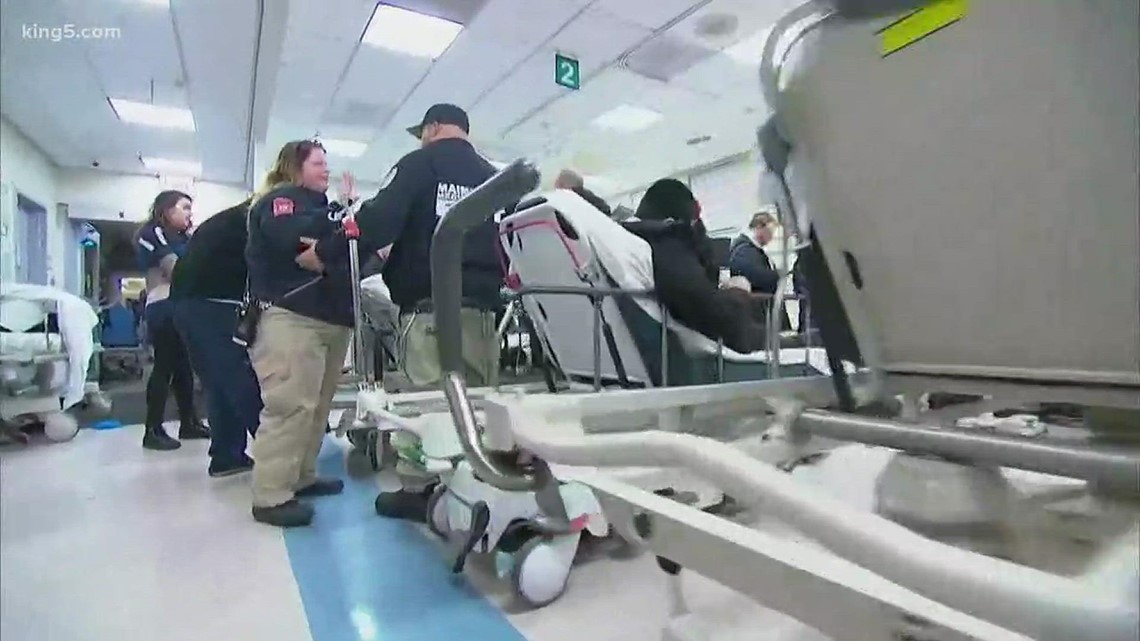
The goal of this article is not to scare you, but to give you clear, evidence-based steps you can take to reduce your risk, recognize warning signs early, and use local health resources wisely—without flooding already busy ERs.
What’s Going On with Flu in Western Washington Right Now?
As of mid-January 2026, flu season in King County and across Western Washington is in full swing. Local reports indicate:
- Emergency departments are seeing a noticeable jump in patients with fever, cough, and flu-like symptoms.
- Influenza A (H3N2) is the dominant strain, a subtype often associated with more severe illness in older adults and young children.
- Public health officials warn that flu activity has not yet peaked, meaning ER volumes could climb even higher in the coming weeks.
“We’re seeing clear signs that flu is gaining momentum, and many of these visits could have been preventable with vaccination and early at-home care.”
— Local public health messaging summarized from King County updates
This isn’t unique to Washington—nationally, the CDC has reported rising influenza-like illness in multiple regions. But local factors like public transit use, school density, and indoor winter activities can intensify spread in metropolitan areas like Seattle and Tacoma.
Why This H3N2 Flu Strain Is Causing So Many ER Visits
Not all flu seasons are created equal. H3N2 seasons have historically been associated with:
- Higher rates of complications in adults over 65 and those with chronic heart, lung, and metabolic conditions.
- More respiratory symptoms like severe cough, shortness of breath, and chest discomfort.
- Increased hospital and ER use, especially when the strain spreads quickly in communities.
Early data from Western Washington suggests this pattern is repeating: a highly transmissible H3N2 variant is moving through households, workplaces, and schools, especially as people spend more time indoors during the colder months.
Vaccines may be a somewhat better or worse match for circulating H3N2 strains in different years. Even in years with a partial mismatch, though, studies consistently show that flu vaccination reduces the risk of severe illness, hospitalization, and death, especially in high-risk groups.
Who Is Most at Risk from the Current Flu Wave?
While anyone can catch the flu, certain groups in Western Washington are more likely to need ER care or hospitalization if they become infected with H3N2:
- Adults 65 and older
- Children under 5 years, especially under age 2
- People with asthma or COPD
- Those with heart disease or a history of stroke
- Individuals with diabetes or weakened immune systems
- Pregnant people and those who recently gave birth
- Residents of long-term care facilities

If you care for someone in one of these groups—whether that’s an aging parent in Bellevue or a child in daycare in Tacoma—your choices around vaccination, masking, and staying home when you’re sick can dramatically lower their risk.
Flu or Just a Winter Cold? Recognizing Symptoms Early
It can be hard to tell whether you have a common cold, COVID-19, RSV, or influenza. In general, flu tends to come on more suddenly and feel more intense.
Common flu symptoms
- Sudden onset of fever or chills
- Body aches and fatigue that can feel “severe”
- Dry cough, sore throat
- Headache
- Sometimes nausea, vomiting, or diarrhea (more common in children)
When it might be more than “just the flu”
Because COVID-19 and RSV are also circulating, testing is often the only way to know for sure what’s causing your symptoms. King County and other local health departments regularly update locations for testing and community clinics.
When to Go to the ER—and When to Try Urgent Care or Telehealth
With ERs already strained by the current flu wave, knowing where to seek care can protect both your health and the healthcare system.
Emergency warning signs (call 911 or go to the ER)
- Difficulty breathing or shortness of breath
- Pain or pressure in the chest
- New confusion, trouble waking up, or difficulty staying awake
- Bluish lips or face
- Signs of dehydration (no urination, dizziness, very dry mouth) that don’t improve with fluids
- In children: fast or labored breathing, ribs pulling in with each breath, not drinking enough, fewer wet diapers, or being unusually sleepy or irritable
Consider urgent care or same-day clinic when
- You have a high fever lasting more than 3 days
- Your cough or breathing is getting worse, but you can still speak in full sentences
- You’re at higher risk (older age, chronic conditions, pregnancy) and symptoms started within the last 48 hours—this is a key window for antivirals like oseltamivir (Tamiflu)
Telehealth is often enough if
- Your symptoms are mild to moderate
- You’re unsure whether you need in-person care
- You want guidance on managing symptoms at home or whether to start antivirals
“We can manage a lot of flu cases safely by phone or video. That keeps ER beds open for people in real crisis.”
— Family medicine physician in the Puget Sound region
Practical Ways to Protect Yourself and Your Community Right Now
Even if the flu wave is already underway, there’s a lot you can still do. Think of it as stacking layers of protection—no single step is perfect, but together they make a real difference.
1. Get a flu shot if you haven’t yet
- It typically takes about 2 weeks to reach full protection.
- Even later in the season, vaccination still helps reduce severe outcomes.
- Most pharmacies in Seattle, Tacoma, Everett, and surrounding areas offer walk-in flu shots.
2. Use “smart masking” in higher-risk settings
- Wear a well-fitted mask on crowded buses, ferries, and in clinics—especially if you live with someone high-risk.
- Consider masking in indoor gatherings during peak flu weeks, particularly if local hospitals report strain.
3. Stay home when sick—and support others in doing the same
- Use sick days if you can, and encourage employees, coworkers, and students to stay home to prevent spread.
- Parents: keep kids with fever, heavy cough, or flu-like symptoms home from school until at least 24 hours fever-free without medication.
4. Improve indoor air
- Open windows a crack when possible, even for short periods.
- Use HEPA air purifiers or DIY box-fan filters in common areas.
- Avoid large gatherings in poorly ventilated rooms during peak weeks.

Managing Flu at Home: A Practical Step-by-Step Plan
For many otherwise healthy adults and children, flu can be managed safely at home with rest, fluids, and symptom control. Here’s a simple, evidence-informed plan:
- First 24 hours:
- Rest and hydrate—sips of water, broth, or electrolyte drinks.
- Track temperature and breathing; note onset time of symptoms.
- If you’re high-risk, contact your provider or telehealth about antivirals.
- Symptom relief:
- Use acetaminophen or ibuprofen as directed for fever and pain (avoid aspirin in children and teens).
- Humidifiers and warm drinks can ease cough and sore throat.
- Saline nasal sprays may help congestion.
- Isolation and protection of others:
- Stay in a separate room if possible, especially from high-risk family members.
- Wear a mask when around others in the home.
- Disinfect high-touch surfaces like doorknobs and phone screens.
- Daily check-ins:
- Monitor for any emergency warning signs.
- Note whether symptoms are improving, stable, or worsening after day 3–4.
Case example: A 42-year-old teacher in Seattle with asthma called telehealth on day 1 of fever and cough. She started antivirals the same day, managed symptoms at home with inhaler support, and avoided an ER visit despite having a higher risk profile.
Common Obstacles—and How Real People Are Navigating Them
It’s one thing to know what you “should” do, and another to make it work in real life. Here are a few challenges Western Washington residents are facing, and practical ways around them.
“I can’t afford to miss work.”
Many workers in retail, hospitality, and gig roles feel pressure to show up even when they’re sick, which fuels spread.
- Check if you qualify for state or city sick-leave protections.
- If you supervise others, make it explicit that staying home when sick is expected and supported.
- Use telework options when possible during recovery.
“Childcare collapses when my kids are sick.”
Parents report scrambling when daycare or school calls about a fever or cough.
- Coordinate a backup care plan with trusted friends or relatives before flu season peaks.
- Talk with your employer about flexible arrangements during respiratory virus surges.
- Keep a “sick day” kit ready with fluids, simple meals, and entertainment to reduce stress on the day-of.

“I’m not sure who to trust for information.”
Between social media and conflicting headlines, it’s easy to feel overwhelmed.
- Rely on Public Health – Seattle & King County for local updates.
- Use national resources like the CDC flu information center.
- Your own primary care team or local clinic is often the best source for personalized guidance.
What the Science Says About Flu Prevention and Treatment
Decisions are easier when you understand the “why” behind recommendations. Here’s a brief, evidence-based snapshot:
- Flu vaccines: Seasonal flu vaccines are updated each year based on global surveillance of circulating strains. While effectiveness varies, CDC analyses show they reliably reduce severe illness and hospitalizations, particularly in high-risk groups.
- Antiviral medications: Drugs like oseltamivir (Tamiflu) and baloxavir (Xofluza) can shorten illness and lower the risk of complications when started within 48 hours of symptom onset, especially in older adults, children, pregnant people, and those with chronic conditions.
- Masks and ventilation: Multiple studies from the COVID era and prior influenza research support the role of improved air quality and masking in lowering transmission of respiratory viruses, including influenza.
Before and After: How Simple Steps Can Change Flu Season Outcomes
It’s easy to underestimate the impact of individual choices. Here’s a simplified comparison of a community response without precautions versus with layered protections:

| Scenario | Likely Impact on Community |
|---|---|
| Low vaccination, no masking, people working while sick | Faster spread, more high-risk individuals infected, crowded ERs, higher absenteeism at schools and workplaces. |
| Higher vaccination, targeted masking, good sick-leave use | Slower spread, fewer severe cases, more manageable ER volumes, more predictable staffing for schools and businesses. |
Moving Through This Flu Wave with Confidence, Not Panic
A fast-spreading H3N2 strain and rising ER visits can feel unsettling, especially if you remember past winters when hospitals were stretched. But you are far from powerless. Every flu shot, every decision to stay home when sick, and every thoughtful use of urgent care or telehealth instead of the ER helps stabilize the system we all rely on.
You don’t have to do everything perfectly. Start with one or two steps today:
- Schedule a flu shot for yourself or a loved one.
- Set up a telehealth account with your clinic, so it’s ready if you get sick.
- Review emergency warning signs with your household so everyone knows when to seek urgent help.
If you’re in Western Washington, bookmark your local health department page and check it once in a while during flu season. Conditions will change, but staying informed—and acting on that information—remains one of the most powerful ways to protect yourself and your community.
Call to action: take five minutes today to choose your next step—whether that’s getting vaccinated, assembling a home care kit, or talking with your family about a plan if someone gets sick. Small, thoughtful actions now can mean fewer ER visits and safer communities in the weeks ahead.
