
CRISPR Gene Editing in the Clinic: How DNA Surgery Is Transforming Medicine
In this article, we unpack how CRISPR works, what the first wave of clinical applications looks like, why these advances are being called “functional cures,” and the profound scientific and ethical questions they raise as we begin to edit the human genome in the clinic.
CRISPR (Clustered Regularly Interspaced Short Palindromic Repeats) has rapidly evolved from a bacterial defense mechanism into one of the most powerful technologies in modern biomedicine. Between 2023 and 2025, regulators in the US, UK, and other regions began approving the first CRISPR-based therapies for inherited blood disorders, pushing gene editing into mainstream clinical practice. Patients living with debilitating sickle cell crises or transfusion‑dependent beta‑thalassemia are now walking out of hospitals with dramatically improved quality of life—sometimes described as being “cured” in functional terms.
At the same time, an expanding ecosystem of in vivo editing trials is targeting liver diseases, eye diseases, and even early-stage cancer strategies. CRISPR-derived tools like base editors, prime editors, and epigenome editors are refining how precisely we can rewrite or regulate the genome. This combination of tangible patient benefit, rapidly evolving technology, and unresolved ethical questions has made CRISPR one of the defining science-and-technology stories of the mid‑2020s.
Mission Overview: From Lab Curiosity to Clinical Reality
The core “mission” of clinical CRISPR is deceptively simple: fix or compensate for disease-causing DNA changes directly at the level of the genome. In practice, this mission has unfolded in stages.
- Discovery and basic research (2012–2015): Researchers including Emmanuelle Charpentier and Jennifer Doudna established CRISPR‑Cas9 as a programmable DNA-cutting tool, earning the 2020 Nobel Prize in Chemistry.
- Preclinical proof‑of‑concept (2014–2018): Labs worldwide demonstrated that CRISPR could correct pathogenic mutations in cell cultures and animal models—from muscular dystrophy to liver disorders.
- First-in-human trials (2018–2022): Early trials tested CRISPR for cancers, rare blindness, and blood disorders, refining safety, delivery, and dosing.
- Regulatory approvals and rollout (2023–2025): Ex vivo CRISPR therapies for sickle cell disease and beta‑thalassemia won landmark approvals, followed by global discussions about pricing, access, and healthcare infrastructure.
“We are witnessing the transition of CRISPR from an experimental scalpel in the lab to a bona fide medical tool that can change the trajectory of genetic disease.”
— Fyodor Urnov, genome scientist, University of California, Berkeley
These steps have transformed CRISPR from a speculative “what if” technology into a practical therapeutic modality—alongside small molecules, biologics, and traditional gene therapy.
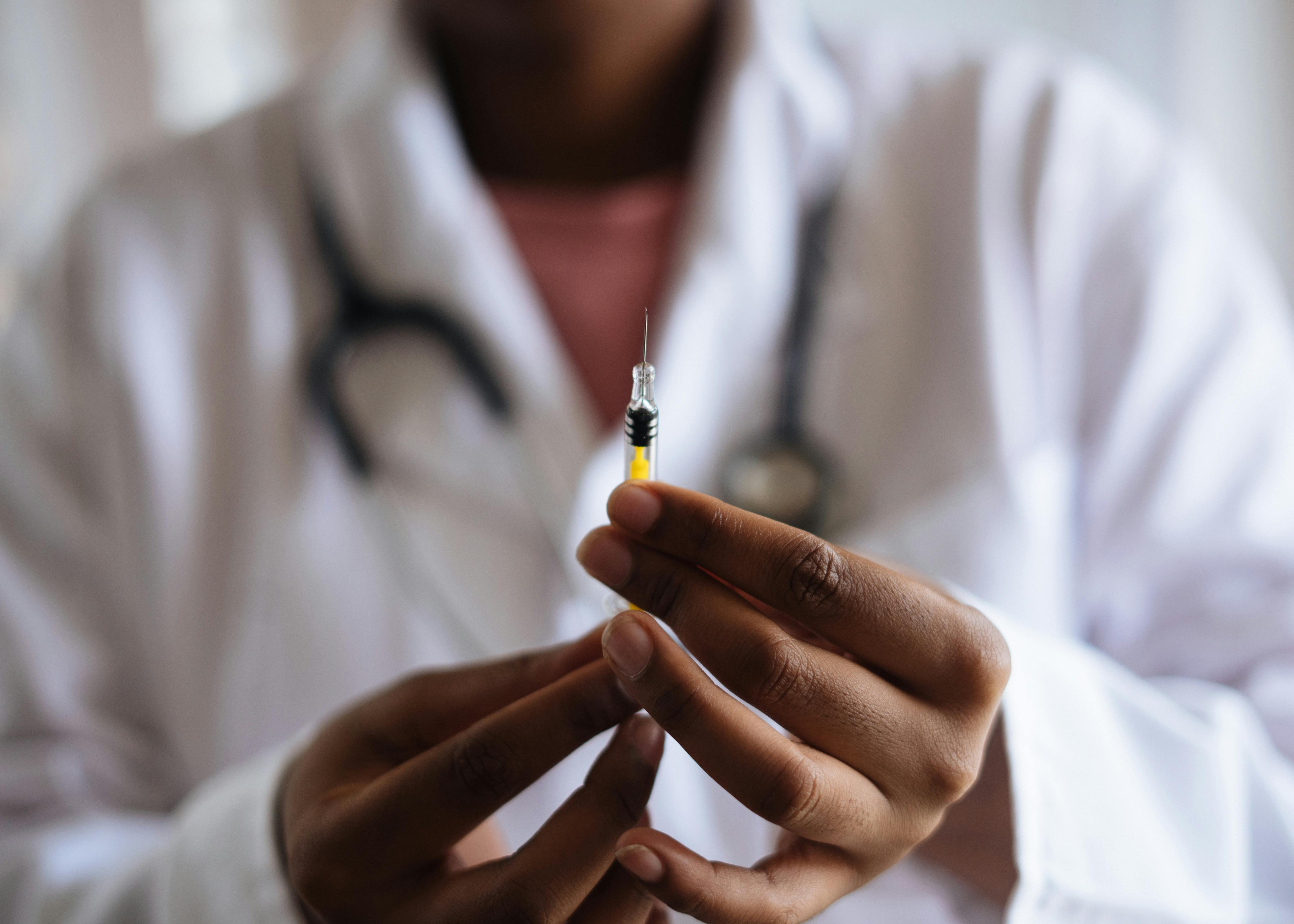
Visualizing CRISPR’s Clinical Journey


Technology: How Clinical CRISPR Gene Editing Works
At the heart of CRISPR technology is a programmable system that can recognize a chosen DNA sequence and make a precise modification. The “classic” system uses:
- Guide RNA (gRNA): A short RNA molecule engineered to be complementary to the target DNA sequence.
- Cas nuclease: Typically Cas9 or Cas12, a protein that binds the gRNA and cuts DNA at the specified location.
Once the DNA is cut, the cell’s own repair mechanisms—non‑homologous end joining (NHEJ) or homology-directed repair (HDR)—can be harnessed to disrupt a gene, insert a new sequence, or correct a mutation.
Ex Vivo Editing: Editing Cells Outside the Body
In ex vivo therapies, clinicians remove a population of cells from the patient, edit them in a controlled lab environment, and then re‑infuse them. This model has been especially successful in blood disorders.
For sickle cell disease and beta‑thalassemia, ex vivo CRISPR therapies follow a general workflow:
- Harvest hematopoietic stem and progenitor cells (HSPCs) from the patient’s bone marrow or blood.
- Use CRISPR‑Cas9 and an appropriate guide RNA to disrupt a regulatory region (such as the BCL11A erythroid enhancer) that normally suppresses fetal hemoglobin (HbF).
- Cultivate and validate the edited cells to ensure sufficient editing efficiency and acceptable off‑target profile.
- Prepare the patient with conditioning chemotherapy to make space in the bone marrow.
- Infuse the edited HSPCs back into the patient, where they engraft and generate red blood cells with high levels of protective HbF.
By boosting fetal hemoglobin rather than fixing the underlying sickle mutation directly, these treatments provide a robust workaround that prevents red blood cells from sickling.
In Vivo Editing: Editing Inside the Patient
In vivo approaches deliver CRISPR components directly into the body, targeting cells within specific organs:
- Lipid nanoparticles (LNPs): Tiny fat-based particles that encapsulate CRISPR mRNA and guide RNA, often directed to the liver.
- Adeno-associated virus (AAV) vectors: Engineered viral particles used to deliver DNA templates encoding CRISPR machinery.
Clinical trials are exploring in vivo editing for:
- Transthyretin (ATTR) amyloidosis: Knocking out the TTR gene in liver cells to reduce misfolded protein that accumulates in tissues.
- Inherited retinal diseases: Direct injection into the eye to correct specific mutations linked to blindness.
- Hypercholesterolemia: Targeting PCSK9 or ANGPTL3 genes to permanently lower LDL cholesterol (an area of active preclinical and early clinical work).
In vivo methods promise “one‑and‑done” interventions without the need for cell harvesting and transplantation, but they pose stricter safety demands because the editing happens directly in the patient.
Beyond Cas9: Base Editors, Prime Editors, and Epigenome Editors
Standard CRISPR‑Cas9 creates double-strand breaks in DNA, which is powerful but can produce unwanted insertions or deletions. Newer tools aim to make more precise changes:
- Base editors: Fuse a disabled Cas protein to a deaminase enzyme to change one DNA base to another (for example, C→T or A→G) without fully cutting the DNA.
- Prime editors: Combine a nicking Cas9 with a reverse transcriptase and a specialized “prime editing guide RNA” (pegRNA) to enable small insertions, deletions, or base conversions with high precision.
- Epigenome editors: Attach CRISPR scaffolds to chromatin-modifying enzymes to turn genes on or off without altering the underlying sequence.
“Base and prime editors expand the CRISPR toolbox from blunt DNA scissors to programmable pencils and erasers.”
— David Liu, Broad Institute, on CRISPR evolution
Scientific Significance: Rewriting the Rules of Genetics and Medicine
CRISPR-based therapies are much more than high-tech treatments; they are experimental tests of fundamental genetic hypotheses in humans.
Validating Gene–Disease Relationships
For decades, human genetics relied on correlation: a mutation tracked with a disease in families or populations. CRISPR enables causation tests:
- Edit or silence a candidate gene in a patient’s cells.
- Observe whether the disease phenotype is reduced, eliminated, or unaffected.
The success of fetal hemoglobin–boosting strategies in sickle cell disease, for example, confirms decades of epidemiological and molecular work suggesting that elevated HbF can protect against sickling crises.
Exploring Human Evolution in Real Time
CRISPR also lets researchers explore questions of human evolution:
- Introducing ancient variants into cell models to test how they affect traits like metabolism, immunity, or brain function.
- Modeling “loss-of-function” variants found in healthy individuals that confer protection, such as PCSK9 mutations that naturally lower LDL cholesterol.
These experiments inform not only therapy development but also our understanding of why certain traits evolved and how genetic diversity shapes disease risk.
Precision Tools for Functional Genomics
CRISPR screens—where thousands of genes are systematically disrupted, activated, or repressed—reveal:
- Drug resistance pathways in tumors.
- Host factors required for viral infections.
- Redundant or “backup” pathways that could be targeted for combination therapies.
These insights continuously feed the pipeline of future CRISPR and non‑CRISPR therapeutics.
Milestones: Landmark Trials and Approvals
A series of key milestones mark CRISPR’s transition into clinical practice. Specific product names and regulatory statuses evolve, but several themes remain central.
Ex Vivo Success in Sickle Cell Disease and Beta-Thalassemia
By 2025, regulators in regions including the US and UK had approved the first ex vivo CRISPR therapies for:
- Sickle cell disease (SCD): Patients who previously experienced frequent vaso‑occlusive crises showed dramatic reductions or complete elimination of severe pain episodes after treatment.
- Transfusion-dependent beta‑thalassemia (TDT): Many patients became transfusion‑independent for extended follow-up periods.
Long-term data collection is ongoing, but early results have been described in peer‑reviewed journals and presented at major hematology conferences such as ASH.
First In Vivo CRISPR Trials
In vivo trials have produced a different set of milestones:
- Transthyretin amyloidosis (ATTR): Single-dose in vivo CRISPR therapies delivered via LNPs to the liver showed large and durable reductions in circulating TTR protein levels.
- Inherited retinal dystrophies: Early-phase trials for Leber congenital amaurosis and related conditions demonstrated that localized ocular gene editing is feasible and can be performed with acceptable safety, though efficacy results are still maturing.
Broadening the Pipeline
Between 2024 and 2026, clinical trial registries documented a surge of CRISPR-related studies targeting:
- Oncology (CAR‑T and T‑cell receptor therapies enhanced by CRISPR).
- Metabolic liver diseases and hyperlipidemia.
- Rare monogenic disorders of the immune system and nervous system.
“Every time we see a successful patient outcome with CRISPR, we’re not just treating one disease—we’re validating a platform that can be extended to dozens of others.”
— Eric Topol, cardiologist and digital medicine researcher, via social media commentary
Ethics, Access, and Public Perception
CRISPR’s entry into the clinic has amplified longstanding ethical debates in genetics and bioethics. While current approved and late‑stage therapies focus on somatic editing (non‑inheritable changes to body cells), memories of the 2018 CRISPR‑edited embryos controversy still shape public discourse.
Somatic vs. Germline Editing
Most scientists and regulators draw a clear line:
- Somatic editing: Alters cells in an existing person; edits are not passed to offspring. This is the domain of today’s clinical CRISPR therapies.
- Germline editing: Changes eggs, sperm, or embryos; edits can affect future generations. This remains widely opposed and is restricted or banned in many jurisdictions.
Professional bodies such as the International Society for Stem Cell Research (ISSCR) and national academies have called for global consensus and stringent governance to prevent premature or unethical germline work.
Cost and Global Equity
A major concern is the extremely high upfront cost of many gene therapies, often running into the millions of dollars per patient. That raises urgent questions:
- How will low‑ and middle‑income countries access life‑changing CRISPR treatments?
- Can health systems structure value‑based payments or annuities that reflect long‑term savings from cures?
- Will wealthy patients and countries widen the health equity gap by being first to benefit?
Some analysts compare the situation to early HIV antiretroviral therapy: initially expensive and inaccessible, but later scaled through generic competition, donations, and global health programs. Whether CRISPR can follow a similar trajectory remains uncertain.
Off‑Target Effects and Long‑Term Safety
Another ethical pillar is safety. Genome editing always raises the possibility of:
- Off-target edits: Unintended changes at similar DNA sequences elsewhere in the genome.
- On-target but unintended consequences: Large deletions or genomic rearrangements at the edited site.
- Immune responses: Reaction to Cas proteins or delivery vehicles like viral vectors or LNPs.
Regulatory agencies now require extensive genomic profiling, long‑term follow‑up (often 15 years or more), and meticulous adverse‑event reporting. As data accumulates, risk–benefit assessments will become more precise.
Practical Tools: Learning and Working with CRISPR
For students, researchers, and biotech professionals, the transition of CRISPR into the clinic has created new educational and technical needs—from understanding the fundamentals to mastering the nuances of clinical trial design.
Recommended Background Reading and Learning
- “The CRISPR Generation: The Story of Editing Humanity” (example title; check current CRISPR ethics books) — for an accessible overview of the science and ethics.
- “A Crack in Creation” by Jennifer Doudna and Samuel Sternberg — a first-hand narrative of CRISPR’s discovery and implications.
- Online CRISPR and genome editing courses — give structured introductions for non-specialists.
Laboratory and Computational Skills
Modern CRISPR work is as much computational as it is experimental. Useful skill sets include:
- Guide RNA design and off‑target prediction using online tools and algorithms.
- Next‑generation sequencing (NGS) analysis to quantify editing outcomes.
- Familiarity with bioinformatics workflows in Python or R.
For those building a home reference library or small lab, high‑quality textbooks and protocols can be paired with robust computing hardware. For example, many researchers use mid‑range laptops with at least 16 GB RAM and fast SSDs to run local bioinformatics pipelines, or cloud-based notebooks for more intensive CRISPR screen analyses.
Challenges: What Still Stands Between CRISPR and Routine Care
Despite immense progress, several obstacles must be overcome before CRISPR becomes a standard option across healthcare systems.
Technical and Biological Barriers
- Delivery specificity: Achieving organ‑specific, cell‑type‑specific delivery without systemic side effects remains a central hurdle.
- Immunogenicity: Many people have pre‑existing immunity to AAV vectors or may mount immune responses to bacterial Cas proteins.
- Mosaicism and partial editing: Achieving sufficient editing in enough cells to meaningfully alter disease progression can be challenging, especially in solid tissues.
Manufacturing and Scalability
Manufacturing individualized or small-batch CRISPR therapies is complex:
- Ensuring GMP (Good Manufacturing Practice) conditions for CRISPR reagents and edited cells.
- Scaling up vector or nanoparticle production while maintaining consistency.
- Standardizing quality-control assays across centers and regions.
Regulatory and Ethical Governance
Regulators must keep pace with rapidly evolving technology without compromising patient safety:
- How to evaluate hybrid editing platforms (e.g., base editors plus prime editors) within existing frameworks?
- How to harmonize requirements across countries to avoid “ethics shopping” or regulatory tourism?
- How to incorporate patient voices into trial design and approval decisions?
Transparent international coordination—via the WHO, national academies, and professional societies—will be key to building and maintaining public trust.
Conclusion: Editing the Future of Medicine
Clinical CRISPR gene editing has passed a crucial inflection point. The first approved therapies for sickle cell disease and beta‑thalassemia prove that it is possible to engineer durable, functional cures for some of the most intractable inherited conditions. Early in vivo trials signal that one‑time, body‑wide interventions may not be far behind for certain liver, eye, and metabolic diseases.
But this moment is not the end of the story; it is the beginning of a new era in which:
- Gene editing platforms will diversify and specialize.
- Ethical and economic frameworks will determine who benefits and when.
- Public understanding will shape societal boundaries on what uses of CRISPR are acceptable.
Over the next decade, the most important questions may shift from “Can we edit this gene?” to “Should we?” and “How do we ensure that genome editing benefits everyone who needs it, not just those who can pay for it?” Navigating those questions wisely will determine whether CRISPR becomes a narrow boutique intervention or a cornerstone of equitable, precision medicine.
Additional Resources and Further Reading
For readers who want to dive deeper into CRISPR’s clinical applications, ethics, and technical foundations, the following resources are valuable starting points:
- Nature: CRISPR collection — curated research and review articles on CRISPR.
- Science Magazine: CRISPR topic page — news and perspectives on major CRISPR developments.
- WHO: Global governance of human genome editing — policy and ethical frameworks.
- YouTube educational videos on CRISPR gene editing — accessible visual explanations suitable for non-specialists.
- LinkedIn discussions on CRISPR gene editing — professional commentary and industry perspectives.
References / Sources
Selected sources and references for further verification and study:
- Frangoul, H. et al. “CRISPR-Cas9 Gene Editing for Sickle Cell Disease and β-Thalassemia.” New England Journal of Medicine.
- Musunuru, K. “Genome Editing for Sickle Cell Disease and β-Thalassemia.” Circulation Research.
- Gillmore, J.D. et al. “CRISPR-Cas9 In Vivo Gene Editing for Transthyretin Amyloidosis.” New England Journal of Medicine.
- National Academies of Sciences, Engineering, and Medicine. “Human Genome Editing: Science, Ethics, and Governance.” NASEM report.
- International Society for Stem Cell Research (ISSCR). Guidelines for Stem Cell Research and Clinical Translation .
As the field advances rapidly, readers are encouraged to consult up‑to‑date clinical trial registries (such as ClinicalTrials.gov) and major journals for the latest data on CRISPR-based therapies.
