
CRISPR Cures Arrive: How Gene Editing Therapies Are Quietly Transforming Medicine
CRISPR-based gene editing has entered a decisive new phase: therapies are no longer confined to academic labs or early-stage trials but are now receiving regulatory approvals and being offered to real patients. This shift is especially visible in treatments for sickle cell disease, beta-thalassemia, and certain inherited eye disorders, where single-intervention procedures have delivered life-changing benefits in individuals who previously faced lifelong symptoms and limited options.
On platforms like Google Trends, X, TikTok, and YouTube, spikes in interest mirror each major announcement—whether it is an FDA decision, a dramatic patient story, or fresh data presented at scientific conferences such as ASH (American Society of Hematology) and ASGCT (American Society of Gene & Cell Therapy). Alongside enthusiasm, conversations frequently raise difficult questions about safety, access, and the ethics of rewriting our DNA.

Mission Overview: From Lab Discovery to Approved Therapies
CRISPR-Cas9, first demonstrated as a programmable genome-editing technology in 2012–2013, quickly revolutionized basic biology. For nearly a decade, most applications remained in cell lines and animal models, and the public conversation centered on futuristic scenarios and bioethics thought experiments. Between 2023 and 2025, that narrative changed as the first CRISPR-based therapies moved into late-stage trials and secured approvals.
Key clinical milestones to date
- Sickle cell disease (SCD): Ex vivo CRISPR therapies that edit hematopoietic stem cells have shown dramatic reductions in vaso-occlusive crises and hospitalizations, with some patients remaining crisis-free for years after a single treatment.
- Transfusion-dependent beta-thalassemia: Similar ex vivo protocols have enabled many patients to become transfusion-independent, a profound shift for a disease historically managed with lifelong blood transfusions and iron chelation.
- Inherited retinal diseases: In vivo CRISPR therapies delivered directly to the eye have demonstrated partial restoration or stabilization of vision in some individuals with specific genetic forms of blindness.
- Liver and metabolic disorders: Early in vivo trials targeting genes in hepatocytes (liver cells) have reported promising biomarker changes, suggesting durable benefits with single-infusion treatments.
“The ability to cut DNA where you want has revolutionized the life sciences.” — Jennifer Doudna, co-inventor of CRISPR-Cas9-based gene editing
These developments mark the transition of CRISPR from a research tool to a new class of medicines—sometimes called “genomic therapeutics” or “in vivo gene editing” platforms—poised to expand across multiple disease areas over the next decade.
Technology: How CRISPR-Based Therapies Work
CRISPR systems are derived from bacterial immune mechanisms that recognize and cut invading viral DNA. Therapeutic CRISPR platforms adapt these systems to edit specific sequences in human cells. The best-known tool, CRISPR-Cas9, uses a programmable guide RNA to direct the Cas9 nuclease to a particular site in the genome, where it introduces a double-strand break that is repaired by the cell.
Core components of CRISPR therapies
- Guide RNA (gRNA): A short RNA sequence engineered to recognize a target DNA site through base pairing.
- Cas enzyme: Often Cas9, but increasingly Cas12 or smaller variants; responsible for cutting or chemically modifying DNA.
- Delivery vehicle: Common systems include lipid nanoparticles (LNPs) and adeno-associated virus (AAV) vectors, as well as electroporation for ex vivo editing.
Editing strategies in the clinic
- Ex vivo editing: Cells are harvested from the patient, edited outside the body, rigorously tested, and then re-infused. This is the dominant approach for SCD and beta-thalassemia.
- In vivo editing: CRISPR components are delivered directly into the patient’s body, typically via intravenous infusion or local injection (e.g., into the eye). This is essential for tissues that cannot be harvested and re-transplanted.
- Base editing and prime editing: Newer CRISPR-derived technologies enable precise single-base changes or small insertions/deletions without cutting both DNA strands, potentially reducing off-target effects and improving safety.
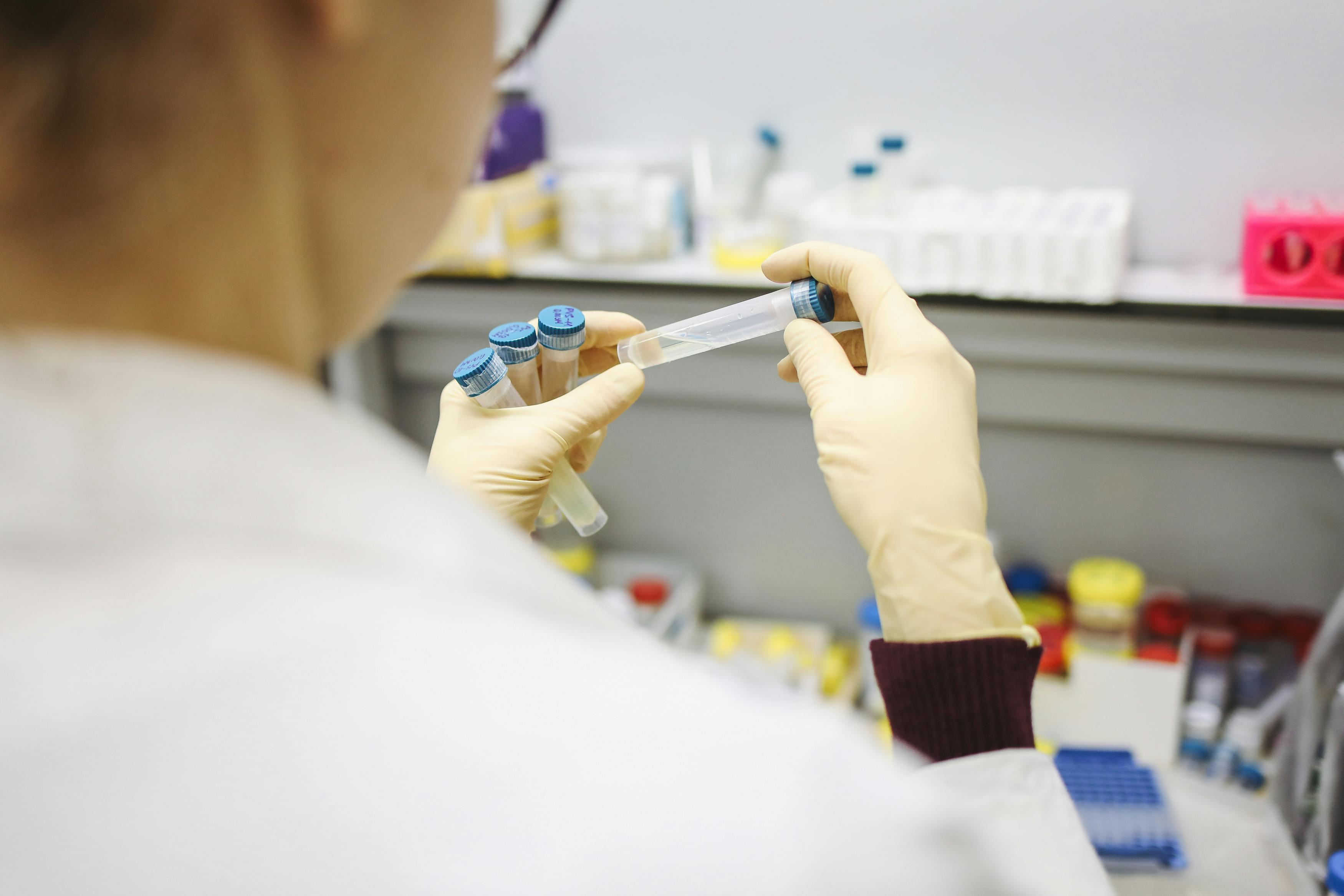
The choice among these methods depends on disease biology, target tissue accessibility, and risk tolerance. For example, base editing is particularly attractive for diseases caused by single-nucleotide variants, while ex vivo Cas9 editing remains powerful for blood disorders where stem cells can be safely manipulated outside the body.
Scientific Significance: Why These First Indications Matter
The initial wave of CRISPR therapies focuses on diseases where genetics, cell biology, and clinical need align particularly well. Hemoglobinopathies such as sickle cell disease and beta-thalassemia are paradigmatic examples: they are caused by well-understood mutations, the relevant stem cells can be collected and edited ex vivo, and the therapeutic endpoints (crisis frequency, transfusion dependency) are clinically meaningful and measurable.
Why blood and eye diseases were first
- Accessible tissues: Hematopoietic stem cells can be extracted from bone marrow or blood and re-infused; retinal cells can be reached via local injections.
- Clear genetic targets: Mutations in HBB (for SCD and beta-thalassemia) and genes like CEP290 or RPE65 in ocular diseases are well characterized.
- Established outcome metrics: Changes in hemoglobin levels, crises, transfusion needs, or visual acuity can be tracked with existing clinical tools.
- Potential for functional cure: A successful edit of long-lived stem or retinal cells can yield durable, potentially lifetime benefits from a single intervention.
“The early clinical experience with CRISPR gene editing for hemoglobinopathies suggests that we are entering an era in which monogenic diseases can be treated at their root cause.” — Adapted from commentary in The New England Journal of Medicine
These successes create a blueprint for expanding CRISPR to other monogenic disorders, complex polygenic diseases, and even infectious disease applications such as in vivo editing of viral genomes. They also provide a real-world testbed for understanding long-term safety, immune responses, and the durability of gene edits in humans.
Milestones: Regulatory Approvals and Clinical Trial Highlights
Between late 2023 and 2025, several high-profile CRISPR-based therapies reached pivotal regulatory milestones. While specific product names and labels vary across regions, their shared significance lies in being the first of their kind.
Notable achievements in the clinic
- First regulatory approval of a CRISPR-based therapy for SCD:
- Patients treated ex vivo show sustained increases in fetal hemoglobin and near-complete elimination of severe pain crises in many cases.
- Regulators required robust long-term follow-up plans, typically lasting 15 years or more.
- Parallel approval for transfusion-dependent beta-thalassemia:
- Many participants achieved transfusion independence, dramatically reducing hospital visits and improving quality of life.
- Data presented at international hematology meetings underscore durable benefits across diverse geographies and genotypes.
- First in vivo CRISPR eye therapy in humans:
- Patients with inherited retinal dystrophies experienced improved visual function, including enhanced light sensitivity and object recognition in some cases.
- These trials provided an early safety readout for directly editing DNA in human tissues in situ.
- Emerging metabolic and liver targets:
- Phase 1/2 trials for conditions like transthyretin amyloidosis and certain lipid disorders reported meaningful reductions in disease-related proteins after a single infusion.
- These efforts validate liver-directed delivery using lipid nanoparticles or viral vectors for systemic benefits.
These milestones are amplified by media coverage, patient advocacy campaigns, and scientific conferences. They drive recurring spikes in search queries such as “CRISPR cure for sickle cell,” “gene editing therapy cost,” and “CRISPR eye treatment,” reflecting both hope and concern among patients and the public.
Challenges: Safety, Cost, Equity, and Public Understanding
Despite impressive clinical outcomes, CRISPR-based therapies face substantial hurdles before they can realistically benefit large populations. These challenges are scientific, economic, ethical, and social.
1. Safety and off-target effects
A primary concern is unintended edits—changes at genomic sites that resemble the target sequence. Although next-generation sequencing and improved guide design have greatly reduced observed off-target activity in lead programs, regulators and scientists remain cautious, particularly for in vivo applications where edited cells cannot be removed after the fact.
- Comprehensive off-target screening and long-term surveillance are now standard components of trial design.
- Base and prime editors aim to reduce genotoxicity by avoiding double-strand breaks, but they bring their own specificity profiles that must be characterized.
- Rare events such as chromosomal rearrangements or insertion of vector DNA are actively monitored.
2. Immune responses and durability
Many humans have pre-existing immunity to bacterial Cas enzymes or viral vectors used for delivery. Immune reactions may reduce the efficiency of editing or, in severe cases, cause safety issues.
- Novel Cas variants and non-viral delivery methods (e.g., LNPs with mRNA or RNP cargo) are being developed to minimize immunogenicity.
- Durability is under scrutiny: how long do edits persist, and how do edited cells behave over years or decades?
3. Cost, infrastructure, and access
The first approved gene-editing and gene-therapy products are among the most expensive medicines in history, with list prices often measured in millions of dollars per patient. Even if such therapies prove cost-effective over a lifetime, the upfront financial and logistical burden is enormous.
- Infrastructure needs: Ex vivo procedures require specialized centers, clean rooms, and highly trained staff, restricting access to major medical hubs.
- Global inequities: Many of the diseases targeted—such as sickle cell disease—are most prevalent in low- and middle-income countries where access to advanced cell therapies is limited.
- Payment models: Health systems are experimenting with risk-sharing, annuity payments, and outcomes-based agreements to handle one-time high-cost treatments.
“The science is moving faster than our ability to ensure these therapies reach all who need them.” — Adapted from commentary in Nature on gene-therapy access
4. Ethics, regulation, and public perception
Most current CRISPR trials involve somatic editing—changes that affect only the treated individual and are not passed to future generations. Nonetheless, public conversations often blur the line between somatic and germline editing, raising concerns about “designer babies” and long-term societal impacts.
- Many countries have explicit bans or moratoria on germline editing, particularly after the widely condemned 2018 case of genome-edited babies in China.
- Ethics frameworks from bodies like the WHO and National Academies emphasize transparency, public engagement, and clear separation between therapeutic somatic uses and prohibited germline interventions.
- Social media can amplify misunderstandings, driving the need for active science communication and patient education.
Patient Experience and Real-World Impact
Beyond lab data and regulatory filings, CRISPR’s entry into the clinic is most vividly felt through individual patient stories. People who once endured frequent hospitalizations, debilitating pain, or progressive vision loss now describe lives that, at least for the moment, feel transformed.
Common themes in patient narratives
- Relief from lifelong symptoms: Many SCD patients report months to years without crises, enabling full-time work or education for the first time.
- Psychological adjustment: Transitioning from chronic disease identity to the possibility of a “functional cure” can bring both joy and uncertainty.
- Commitment to long-term follow-up: Participants often describe a sense of responsibility to contribute data that will shape the future of gene editing.
Podcasts, YouTube channels, and mainstream outlets increasingly feature in-depth interviews with trial participants, while patient advocacy organizations host webinars explaining emerging options in accessible language. These narratives help translate abstract molecular interventions into tangible human outcomes.
Tools, Education, and Resources for Staying Informed
As CRISPR-based therapies mature, clinicians, researchers, patients, and investors all need trustworthy sources to navigate rapidly evolving data. Fortunately, high-quality educational resources are widely available.
Selected educational and reference resources
- Broad Institute CRISPR resources — introductory explainers and technical deep dives from one of the leading research hubs.
- Nature CRISPR gene-editing collection — curated research and commentary on CRISPR technology and applications.
- NHGRI genome editing overview — accessible background from the U.S. National Human Genome Research Institute.
- YouTube: “How CRISPR lets us edit our DNA” (Doudna TED Talk) — high-level explanation of CRISPR’s origins and potential.

Recommended Reading and Lab Tools for CRISPR Enthusiasts
For readers who want to delve deeper into the science, ethics, and practical methods behind CRISPR gene editing, several widely used books and resources stand out. These are popular in the U.S. scientific and biotech communities and can help bridge the gap between introductory articles and primary research papers.
Books for deeper understanding
- “A Crack in Creation” by Jennifer A. Doudna and Samuel H. Sternberg — a first-hand account of CRISPR’s discovery and the ethical questions it raises.
- “The CRISPR Genome Editing Revolution: Technology, Applications, and Policy Implications” — a more technical overview of genome-editing platforms and use cases.
Hands-on molecular biology kits (for educational use)
For educators and advanced students, DNA and molecular biology kits can provide hands-on familiarity with the concepts underlying CRISPR (without performing human gene editing). Always follow institutional biosafety rules and local regulations.
- SnapGene Software for Molecular Biology — widely used for plasmid design and cloning workflows, helpful for visualizing CRISPR constructs.
Future Outlook: Where CRISPR Therapies Are Headed Next
Looking ahead, the trajectory of CRISPR-based gene therapy suggests broader indications, more precise editing tools, and evolving regulatory and reimbursement frameworks. Several trends are especially important to watch between now and the end of the decade.
Key directions for innovation
- Next-generation editors: Base, prime, and RNA-targeting editors promise higher precision, programmable reversibility, and expanded target scope.
- Improved delivery technologies: Biodegradable nanoparticles, engineered viral capsids, and cell-specific targeting ligands aim to deliver CRISPR cargo more safely and efficiently.
- Combination approaches: CRISPR may be paired with CAR-T cells, RNA therapeutics, or small molecules to treat complex diseases such as solid tumors or autoimmune disorders.
- Regulatory harmonization: International guidance on long-term follow-up, data sharing, and ethical boundaries will shape how fast and how broadly these therapies can be deployed.
At the same time, social systems—insurance models, international health funding, and public engagement with science—will determine whether CRISPR cures become a global public-health success or remain rarefied technologies available only to a small subset of patients.
Conclusion: CRISPR in the Clinic—Promise, Responsibility, and Reality
The arrival of CRISPR-based gene-editing therapies in clinics marks a historic turning point in medicine. For the first time, it is realistic to speak of one-time, potentially curative interventions for serious inherited diseases that previously demanded lifelong management. Early outcomes in sickle cell disease, beta-thalassemia, and retinal disorders validate the concept and illustrate what it means to treat genetic conditions at their root cause.
Yet the excitement must be tempered with rigor and humility. Long-term safety data are still emerging; equitable access is far from guaranteed; and public debates about ethics and governance are just beginning. Researchers, clinicians, policymakers, and patient communities share a collective responsibility to ensure that CRISPR’s benefits are realized safely, transparently, and fairly.
As scientific innovation continues—from refined editors to smarter delivery systems—the question is no longer whether CRISPR will shape the future of medicine, but how thoughtfully and inclusively we will choose to wield such a powerful tool.
References / Sources
Selected reputable sources for further reading on CRISPR-based gene editing therapies and their clinical translation:
- New England Journal of Medicine — Gene-editing trials for sickle cell disease and beta-thalassemia: https://www.nejm.org/doi/full/10.1056/NEJMoa2031054
- Nature — Collection on CRISPR gene editing: https://www.nature.com/collections/hx9bksz5xq
- Broad Institute CRISPR resources: https://www.broadinstitute.org/what-broad/areas-focus/project-spotlight/crispr
- National Human Genome Research Institute — What is genome editing?: https://www.genome.gov/about-genomics/policy-issues/Genome-Editing/what-is-Genome-Editing
- World Health Organization — Governance and oversight of human genome editing: https://www.who.int/publications/i/item/9789240030381
- American Society of Gene & Cell Therapy — Clinical trial resources: https://www.asgct.org/education/clinical-trial-resources
Additional Considerations for Clinicians, Researchers, and Patients
For clinicians, staying current with CRISPR therapy developments means monitoring evolving guidelines on patient selection, pre-conditioning regimens (such as myeloablative chemotherapy), and post-treatment monitoring for malignancies or clonal expansion of edited cells. Specialty societies routinely publish updated consensus statements as evidence accumulates.
Researchers can add value by standardizing how outcomes and adverse events are reported across trials, enabling meta-analyses and evidence synthesis. Open data initiatives, where appropriate and privacy-protecting, can accelerate learning across institutions and borders.
Patients and families considering CRISPR-based interventions should engage with multidisciplinary care teams that include hematologists or geneticists, ethicists, and psychosocial support professionals. Informed consent for gene-editing trials or approved therapies should explicitly address uncertainties about long-term risks and the obligations of extended follow-up.
Ultimately, successful integration of CRISPR therapies into healthcare will depend not only on scientific excellence but also on robust ethical frameworks, sustainable financing models, and inclusive global collaboration. By paying attention to these dimensions now, the community can help ensure that the era of gene editing in the clinic delivers on its transformative promise.
