
Could We Turn Back the Clock on Immunity? New Research Hints at Resetting the Aging Immune System
Scientists May Have Discovered a Way to Rejuvenate The Immune System
By Health & Science Editorial Team • Updated
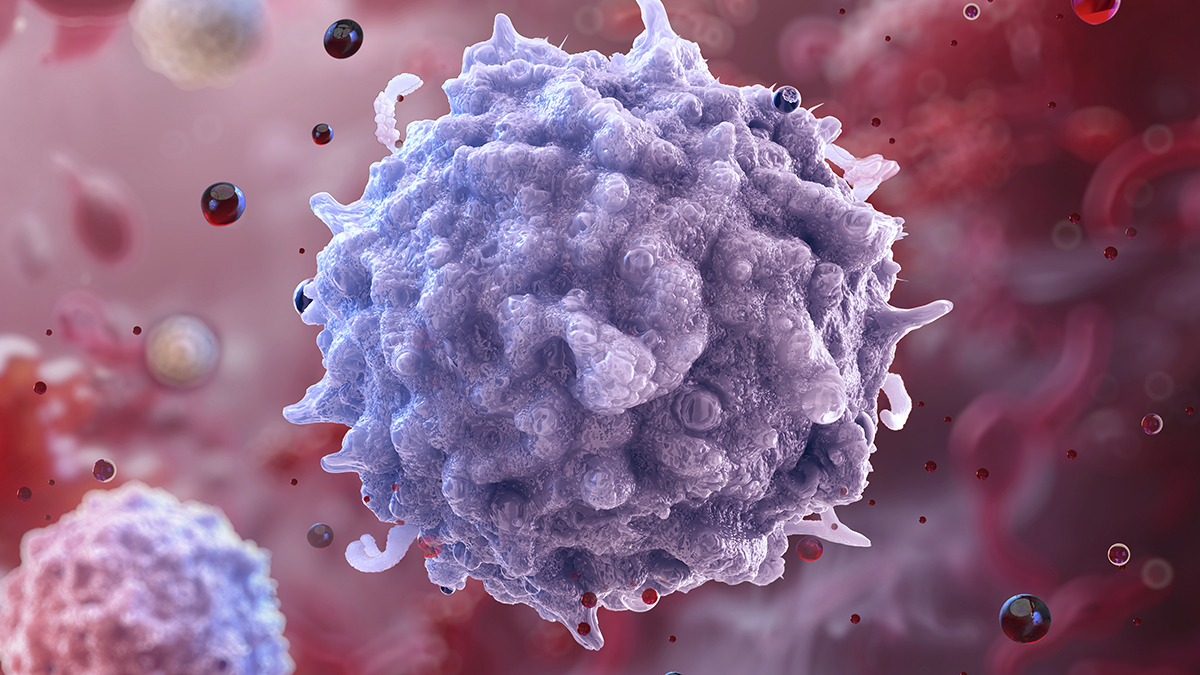
If you’ve noticed that colds seem to hit harder, recovery feels slower, or vaccines don’t feel as “strong” as they used to, you’re not imagining it. Our immune system naturally weakens with age — a process scientists call immunosenescence. But emerging research now suggests we may be able to rejuvenate certain parts of this system, potentially improving how our bodies respond to infections and disease in later life.
In this article, we’ll unpack what researchers have actually discovered, what it might mean for healthy aging, and what you can realistically do right now to support your own immune health — without relying on hype, miracle cures, or unproven supplements.
Why Our Immune System Ages — And Why It Matters
The immune system is a complex network of cells, tissues, and signaling molecules that protect us from viruses, bacteria, and even some cancers. As we age, several key changes tend to occur:
- Fewer “naïve” immune cells: These are fresh T and B cells that can recognize new threats. Their numbers decline with age.
- More “exhausted” cells: After years of fighting infections, some cells become less responsive or overly focused on past infections.
- Chronic low‑grade inflammation: Often called “inflammaging,” this background inflammation is linked to heart disease, dementia, and frailty.
- Weaker vaccine responses: Older adults often respond less robustly to vaccines, meaning lower protection.
“Immunosenescence doesn’t mean your immune system simply ‘shuts off’ with age. It becomes unbalanced — some parts are underactive, while others are chronically overactive.”
— Geriatric Immunology Review, 2024
These changes help explain why older adults are at higher risk for infections like influenza and COVID‑19, why shingles becomes more common, and why recovery from illness or surgery can be more complicated.
The New Discovery: A Potential Way to Rejuvenate Immune Function
Recent research highlighted by ScienceAlert reports that scientists have found a way to rejuvenate a key component of the immune system in experimental settings. While details vary by study, much of the cutting‑edge work in this field centers on:
- Restoring youthful function in T cells — for example, by targeting molecular pathways that control how T cells age and become “exhausted.”
- Reviving the thymus — the organ where T cells mature, which shrinks dramatically after puberty.
- Resetting immune cell signaling — dialing down chronic inflammation while improving targeted responses to infection.
In some animal and early human studies, researchers have been able to:
- Increase the proportion of naïve T cells.
- Improve immune responses to vaccines.
- Reduce markers of chronic inflammation.

It’s important to emphasize that most of this work is still in the research and early clinical trial stages. These are not over‑the‑counter treatments or quick fixes. But they are strong signals that immune aging is, at least in part, modifiable.
“We’re moving from the idea that immune aging is inevitable to the possibility that we can delay or even reverse certain aspects of it. But we must proceed carefully, ensuring safety and long‑term benefits.”
— Translational Immunology Commentary, 2025
How Immune Rejuvenation Might Work (In Simple Terms)
While different research teams focus on different targets, several common strategies are emerging. Think of them as different ways of “tuning up” an aging immune system:
- Recharging tired T cells
By adjusting specific signaling pathways inside cells (for example, those involved in metabolism or DNA repair), scientists can sometimes restore more youthful activity to T cells in lab settings. - Boosting thymus function
Some studies explore hormones, growth factors, or regenerative approaches that may help the thymus produce more naïve T cells again. - Clearing “senescent” cells
Senescent (biologically aged) cells secrete inflammatory molecules. Experimental “senolytic” therapies aim to selectively remove them and reduce chronic inflammation. - Rebalancing the immune environment
Approaches that modify the gut microbiome, metabolic health, or inflammatory pathways can indirectly improve immune resilience.
What This Discovery Does Not Mean (Yet)
Headlines about “rejuvenating the immune system” can sound like science fiction. To keep expectations grounded:
- There is no approved “immune rejuvenation pill” for the general public.
- Most evidence so far comes from animal models or small, highly controlled human studies.
- We don’t yet know the long‑term effects of many of these interventions — including potential downsides.
- Individual responses vary based on genetics, underlying health conditions, medications, and lifestyle.
If you see products claiming to “reverse immune aging overnight” or “turn your immune system 20 years younger,” they are almost certainly overstating what current science can deliver.
“Any therapy strong enough to significantly alter immune aging is strong enough to cause serious side effects if misused. Caution, regulation, and good science must lead the way.”
— Clinical Immunologist, 2025 Symposium on Healthy Aging
What You Can Do Now to Support a “Younger” Immune System
While we wait for more data on experimental therapies, there’s good news: several well‑studied lifestyle habits can significantly influence immune aging. They may not be as flashy as a new drug, but they are powerful — and available right now.
1. Prioritize Vaccinations and Preventive Care
- Stay current with recommended vaccines (e.g., influenza, COVID‑19, pneumococcal, shingles), especially if you’re over 50.
- Discuss timing and combinations with your clinician; some evidence suggests optimizing intervals can improve responses in older adults.
- Schedule regular check‑ups to manage conditions like diabetes or heart disease, which can impair immune function.
2. Support a Healthy Gut Microbiome
Much of the immune system lives in and around the gut. Research links a diverse, healthy gut microbiome to better immune regulation.
- Eat a variety of plants: aim for 20–30 different fruits, vegetables, whole grains, nuts, and seeds each week.
- Include fermented foods such as yogurt with live cultures, kefir, kimchi, or sauerkraut if tolerated.
- Limit ultra‑processed foods and excessive added sugars, which may promote inflammation.
3. Stay Physically Active (Within Your Limits)
Moderate, regular exercise has been shown to enhance immune surveillance, reduce chronic inflammation, and even preserve the diversity of T cells in older adults.
- Aim for at least 150 minutes per week of moderate activity (such as brisk walking), if approved by your clinician.
- Add 2 days of light strength training (e.g., resistance bands, light weights, or body‑weight exercises).
- If you’re starting from zero, begin with 5–10 minutes daily and increase gradually.

4. Protect Your Sleep
Sleep is when your body performs much of its immune “housekeeping.” Short or poor‑quality sleep is associated with higher infection risk and weaker vaccine responses.
- Most adults benefit from 7–9 hours of sleep per night.
- Keep a consistent sleep and wake time, even on weekends.
- Limit screens and bright light for 60 minutes before bed; consider dimmer, warmer lighting.
5. Manage Stress in Sustainable Ways
Chronic stress elevates cortisol, which in turn can suppress certain immune responses and promote inflammation.
- Practice brief, regular stress‑reduction techniques (5–10 minutes), such as deep breathing, mindfulness, or gentle stretching.
- Maintain social connections; loneliness is linked to poorer immune function.
- Seek professional support if anxiety or low mood feel overwhelming or persistent.
Immune Aging: Before and After Healthy Changes
It can help to picture immune health on a spectrum rather than as “young vs. old.” Lifestyle changes won’t literally turn your immune system back 20 years, but they can shift your position on that spectrum.
Typical “Before” Pattern
- Irregular sleep, high stress, minimal physical activity.
- Frequent minor infections; slower recovery from illness.
- Higher markers of inflammation and blood sugar instability.
“After” Pattern With Sustained Lifestyle Changes
- More regular sleep and movement; better stress coping tools.
- Fewer infections and more predictable recovery (though not zero illness).
- Improved lab markers such as blood pressure, glucose, or inflammation (e.g., C‑reactive protein) in many people.
Common Obstacles — and How to Work Around Them
Knowing what to do is one thing; actually doing it, especially when you’re dealing with pain, fatigue, or caregiving responsibilities, is another. Here are realistic strategies:
“I’m too tired to exercise.”
- Start with micro‑sessions — 3–5 minutes of movement several times a day.
- Combine movement with daily tasks: march lightly while the kettle boils, do seated leg raises while watching TV.
- Speak with your clinician to rule out underlying issues such as anemia, thyroid problems, or sleep apnea.
“Healthy food feels too expensive or complicated.”
- Use affordable staples: frozen vegetables, beans, lentils, oats, and canned fish (in water or olive oil) are nutrient‑dense and budget‑friendly.
- Batch‑cook simple meals like vegetable soups or bean‑based stews.
- Look for community resources such as cooking classes or nutrition programs for older adults.
“The news about immune aging makes me anxious.”
- Focus on your “sphere of control” — sleep, movement, food choices, and social connection.
- Limit time spent reading alarming health headlines; stick to a few trusted sources.
- Share concerns with a healthcare provider; sometimes a clear plan reduces worry.
Where the Science Is Heading Next
Over the next decade, researchers hope to refine and test immune‑rejuvenating approaches that are:
- Targeted — acting only on specific cells or pathways to minimize side effects.
- Personalized — tailored to an individual’s genetics, microbiome, and health history.
- Combination‑based — integrating lifestyle interventions, vaccines, and, where appropriate, medications.
We may eventually see therapies that, for example, are given before a major surgery or during a pandemic to temporarily “tune up” the immune system in older or vulnerable individuals. However, this vision depends on careful trials, clear evidence of benefit, and accessible cost.
For now, the most evidence‑based “therapy” remains a combination of healthy lifestyle, preventive care, and appropriate vaccinations — all of which are available long before any futuristic immune‑reset becomes mainstream.
Bringing It All Together: Hope, Without the Hype
The idea that we might one day rejuvenate the immune system is no longer pure science fiction. Early studies show that aspects of immune aging can be nudged in a more youthful direction. That’s encouraging news for anyone thinking about their future health.
At the same time, these discoveries are not an excuse to wait passively for a breakthrough. The choices you make today — about sleep, movement, nutrition, stress, and preventive care — are already shaping how your immune system will function in the years ahead.
A practical next step:
- Choose one area from this article (sleep, movement, food, stress, or medical check‑ups).
- Set a small, specific goal for the next 7 days (for example, “walk for 10 minutes after lunch, 5 days this week”).
- Write it down and, if possible, share it with a friend, family member, or clinician for accountability.
Aging is inevitable. Losing all immune resilience is not. With a blend of emerging science and everyday habits, you can support a more robust, responsive immune system at every stage of life.
Further Reading & Evidence Sources
For those who want to dive deeper into the science of immune aging and rejuvenation, these reputable sources offer accessible overviews and technical details:
- National Institute on Aging – nia.nih.gov
- World Health Organization: Healthy Aging Resources – who.int
- Recent reviews on immunosenescence and “inflammaging” in peer‑reviewed journals such as Nature Reviews Immunology and Frontiers in Immunology.
