
Confirmed Measles Case at Clemson: What Students and Families Need to Know Right Now
A confirmed measles case linked to Clemson University’s main campus in South Carolina has many students, parents, and staff understandably on edge. With a broader measles outbreak already underway in the state, it can feel confusing and even frightening to sort through what’s rumor and what’s real—especially if you’re not sure whether you or your child are fully protected.
In this guide, we’ll walk through what this confirmed case means, how measles spreads, what symptoms to watch for, and the practical steps you can take today to protect yourself and your community—without panic and without downplaying genuine risk.
What We Know About the Clemson Measles Case
Clemson University reported that South Carolina’s Department of Public Health confirmed a measles case in an individual affiliated with the university’s main campus. This comes amid an ongoing measles outbreak in South Carolina, indicating that the virus is already circulating in the wider community.
At the time of writing, public health officials typically:
- Identify and notify people who may have been exposed in classrooms, residence halls, or campus events.
- Review vaccination records, especially for those born after 1957, when widespread measles immunity is not assumed.
- Recommend quarantine or activity restrictions for those who are unvaccinated or under-vaccinated and have been exposed.
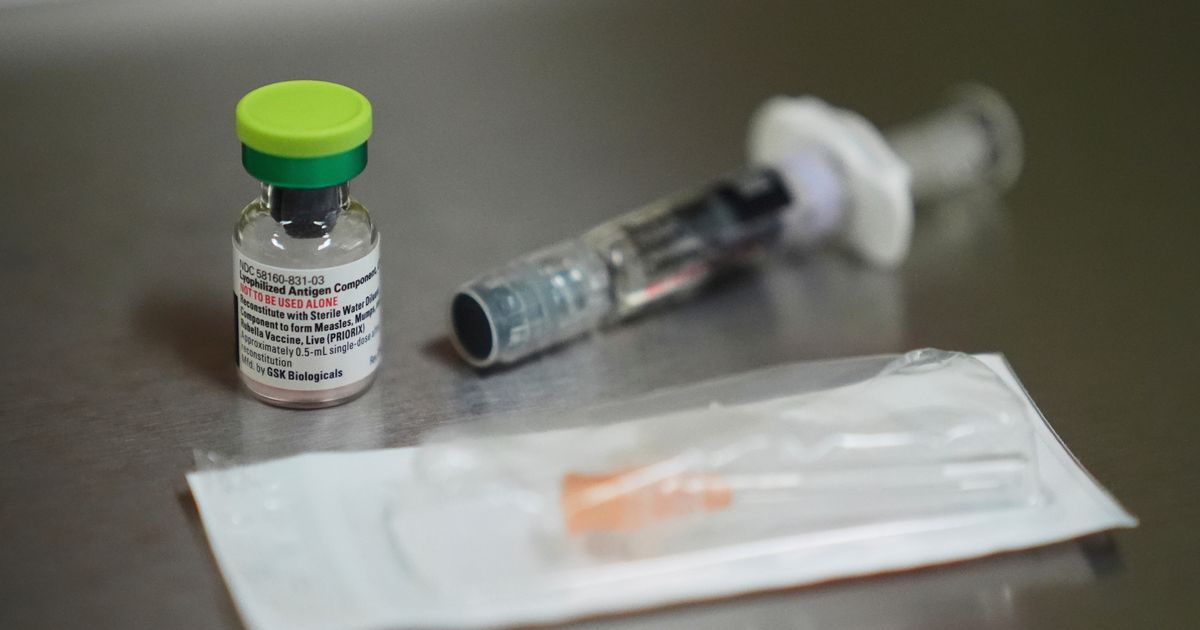
Measles 101: Why Public Health Officials Take It So Seriously
Measles is a highly contagious viral illness. Before vaccines were widely used, measles caused millions of infections and thousands of deaths each year in the United States. Thanks to vaccination, it was declared eliminated in the U.S. in 2000—but outbreaks can reappear when the virus is brought in from other countries and finds pockets of unvaccinated people.
How measles spreads on a college campus
Measles spreads through the air via droplets when an infected person coughs, sneezes, or even breathes in close quarters. On a campus filled with shared classrooms, dining halls, and social events, that’s a perfect setup for transmission.
- The virus can linger in the air for up to two hours after an infected person leaves a room.
- People are usually contagious from about four days before the rash appears until four days after.
- Many students may still be going to class or events during the early “cold-like” phase, not realizing they have measles.
“Measles is so contagious that if one person has it, up to 9 out of 10 people around them will also become infected if they are not protected.” — U.S. Centers for Disease Control and Prevention (CDC)
That level of contagiousness is why a single confirmed case on a university campus is taken very seriously by health officials.
Measles Symptoms: What Students and Staff Should Watch For
Symptoms usually appear 7–14 days after exposure, but they can sometimes take up to 21 days. The illness often begins like a typical viral infection and then progresses to more specific signs.
Common early symptoms
- High fever (may reach 104°F / 40°C)
- Cough
- Runny nose
- Red, watery eyes (conjunctivitis)
Later signs
- Small white spots inside the mouth (Koplik spots)
- Red rash that usually starts on the face at the hairline and spreads downward to the trunk and limbs
- Rash typically appears 3–5 days after symptoms start and may be accompanied by a spike in fever
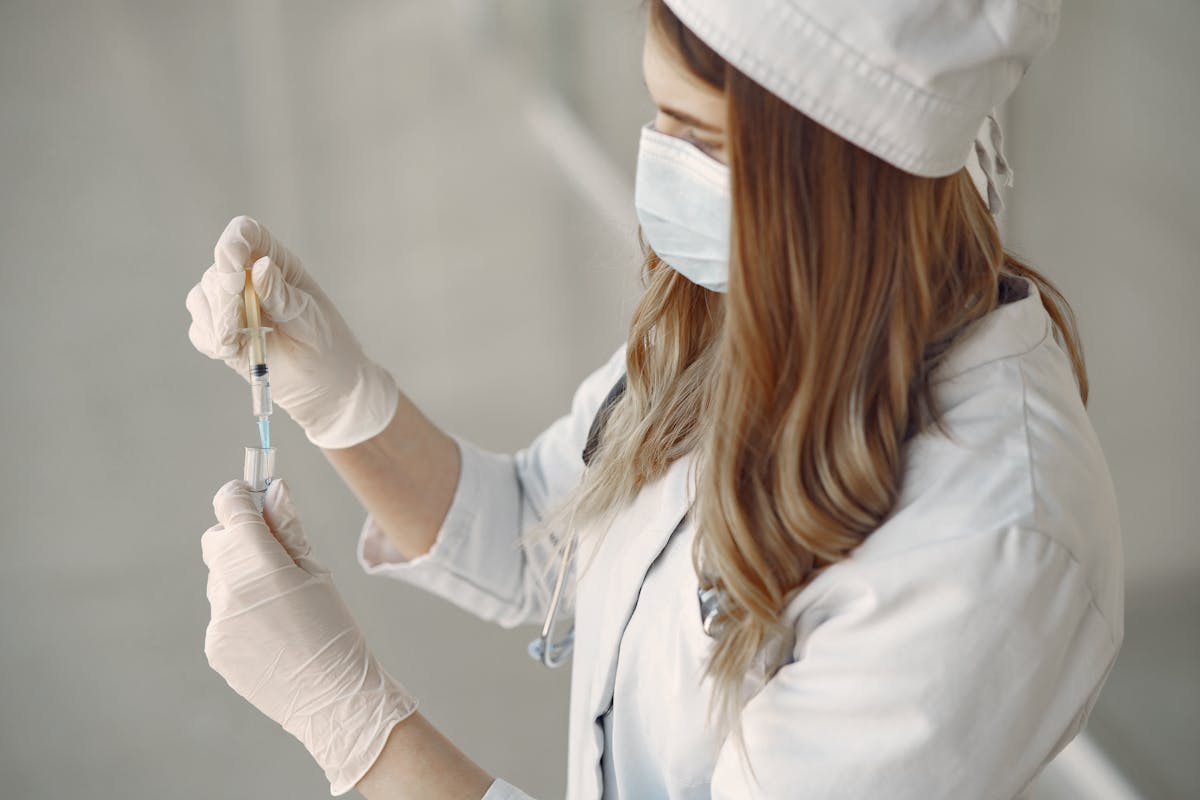
MMR Vaccination: Your Strongest Defense
The MMR vaccine (measles, mumps, rubella) is the primary tool we have to prevent measles outbreaks. Large studies over decades show it is both highly effective and generally very safe for the vast majority of people.
Who is usually considered protected?
- People with written documentation of two doses of MMR vaccine, given on or after their first birthday and separated by at least 28 days.
- People born before 1957 (more likely to have natural immunity), although some healthcare workers in this age group are still advised to get vaccinated.
- People with lab-confirmed measles in the past or a lab-confirmed immune response.
What Clemson students and staff can do now
- Locate your records. Check your immunization documents, patient portal, or ask your parents/guardians if they have childhood vaccination records.
- Upload or update your records in Clemson’s health portal if required, so campus health can quickly determine who is protected.
- Talk to a healthcare provider if you are unsure whether you need another MMR dose, or if you have a medical condition that affects vaccination.
Practical Steps for Students, Parents, and Staff
Feeling overwhelmed is normal when news of an outbreak hits close to home. The key is to focus on the actions that are actually within your control.
For Clemson students on or near campus
- Check your email and official Clemson alerts. These notices will have the most specific and up-to-date guidance.
- Review your MMR status. If you cannot confirm two doses, contact student health about vaccination options.
- Monitor for symptoms for at least 21 days after any potential exposure window announced by the university or health department.
- Limit exposure to high-risk people (infants, pregnant people, or those with weakened immune systems) if you are unsure of your status.
For parents and families
- Have a calm, factual conversation with your student. Ask about their vaccination status and how they’re feeling physically and emotionally.
- Encourage them to follow campus health guidance rather than social media rumors.
- Keep a copy of their records at home and digitally, so they’re easy to access in situations like this.

Common Concerns and How to Navigate Them
Even when people want to do the right thing, practical and emotional barriers can get in the way. Acknowledging those barriers is the first step toward overcoming them.
“I’m not sure if my records are accurate or complete.”
That’s extremely common, especially for college students who have moved between states or providers.
- Contact your childhood pediatrician or family doctor for records.
- Ask your parents if they have paper copies tucked away.
- If records truly can’t be found, many providers will recommend simply giving MMR; an extra dose is generally safe for most people.
“I heard conflicting things about vaccine safety.”
MMR has been studied in hundreds of millions of people worldwide. Major health organizations—including the CDC, World Health Organization, and American Academy of Pediatrics—strongly recommend it based on extensive evidence.
“The measles vaccine has a well-established track record of safety and effectiveness.” — World Health Organization
This does not mean side effects never occur, but serious adverse events are rare compared with the risks of the disease itself.
“I’m worried about missing class or work if I need to quarantine.”
That’s a real concern, especially mid-semester. Universities and employers are generally aware of this and may have specific policies for outbreak situations.
- Ask academic advisors or supervisors about accommodations for illness or quarantine.
- Use official documentation from student health or your clinician to support requests.
- Explore remote participation options where feasible, especially for short-term isolation.
A Real-World Example: How One Campus Contained Measles
A few years ago, another large U.S. university faced a similar situation: a single student returned from international travel and developed measles shortly after arriving on campus.
Here’s how that campus, working with public health authorities, kept a bad situation from becoming much worse:
- Rapid identification: The student health center recognized the possibility of measles based on travel history and symptoms and immediately isolated the student.
- Targeted communication: The university sent clear, factual emails to potentially exposed classes and residence halls, with links to public health resources.
- Vaccination clinics: They hosted pop-up MMR vaccination events, making it easy for unvaccinated or unsure students to get protected.
- Supportive policies: Professors were encouraged to offer flexibility for quarantined students, reducing pressure to attend class while sick or exposed.
The outcome: only a handful of additional cases were identified, and the outbreak was contained relatively quickly. The combination of vaccination coverage and rapid response made the difference.
Beyond Clemson: Protecting the Wider South Carolina Community
A measles case on a major campus isn’t just a campus issue. Students, staff, and visitors move between Clemson, surrounding towns, and the rest of South Carolina every day.
Key prevention steps for the broader community
- Check children’s vaccination records, especially before daycare, school, or college entry.
- Consult your clinician about MMR if you were never vaccinated or if you grew up in a setting with limited health records.
- Call ahead if you suspect measles before going to urgent care or an emergency room.
- Stay informed through the South Carolina Department of Public Health’s official updates.

Quick FAQ: Common Questions About the Clemson Measles Situation
Am I at risk if I’m fully vaccinated?
Two documented doses of MMR provide strong protection. While no vaccine offers 100% protection, the risk of getting measles if you are fully vaccinated is much lower, and illness tends to be less severe if it occurs.
Should I avoid campus entirely?
Public health authorities generally do not recommend broad campus closures for a single case, particularly when vaccination rates are high. Instead, they focus on identifying and supporting those who were directly exposed and are not fully protected. Follow any specific instructions from Clemson and local health officials.
Where can I get reliable information?
- Official Clemson University health and safety pages
- South Carolina Department of Public Health
- U.S. Centers for Disease Control and Prevention (CDC) measles resources
Staying Safe, Staying Informed, Staying Connected
A confirmed measles case on Clemson’s main campus, in the midst of a broader South Carolina outbreak, is understandably unsettling. It’s also a moment when individual actions—checking vaccination records, staying home when sick, and following public health guidance—can meaningfully shape what happens next.
You don’t need to be an infectious disease expert to make a difference. You just need to take a few concrete steps, stay compassionate toward those who are more vulnerable, and rely on trusted sources rather than rumors.
If you’re part of the Clemson community or live nearby, consider this your action list for today:
- Confirm your MMR vaccination status.
- Pay attention to official Clemson and state health updates.
- Reach out to a healthcare provider promptly if you develop symptoms.
- Offer support—practical and emotional—to peers who may be anxious or at higher risk.
Protecting one campus helps protect an entire state. By responding thoughtfully, not fearfully, you’re contributing to a healthier, more resilient community for everyone.
