
Circular Streetwear Glow-Up: How Upcycled Y2K Style Turned My Closet Into a Cool Girl Thrift Lab
Welcome to Your Closet’s Reboot: Circular Streetwear 101
Imagine if your wardrobe downloaded a software update overnight and woke up as a cooler, more sustainable, Y2K-meets-streetwear icon. That, in a nutshell, is circular streetwear—a fast-rising microtrend where thrifted late ’90s and early 2000s pieces get remixed into modern, scroll-stopping outfits.
Instead of panic-buying another fast-fashion haul that disintegrates faster than your last situationship, style creators are rescuing old garments—especially Y2K gems—and turning them into fresh street looks. Think: upcycled denim, visible repairs, DIY magic, and silhouettes that actually love your body back.
In this guide, we’re walking through how to:
- Build a small but mighty circular streetwear wardrobe
- Style upcycled Y2K pieces without looking like you’re stuck in a 2003 time capsule
- Customize thrift finds so they feel designer-level unique (minus the terrifying price tag)
- Use trends intentionally, so your closet stays fun, not overflowing
Grab a pair of scissors (and maybe a seam ripper). Your clothes are about to get a very stylish second life.
Why Circular Streetwear Is Suddenly Everywhere
Circular streetwear sits at the crossroads of sustainable fashion, Y2K nostalgia, and the internet’s obsession with anything “one-of-one.” Here’s why it’s blowing up:
- Sustainability with actual personality
People are tired of “eco” basics that all look the same. Upcycling lets you flex your values and your taste. Visible mending, patchwork, and reworked silhouettes say, “Yes, I care about the planet—and also I look incredible.” - Authentic Y2K without the markup
Low-rise jeans, cargo pants, baby tees, and logo-heavy pieces are back. But instead of paying a premium for a “Y2K-inspired” hoodie, people are digging up actual vintage from thrift stores and online resale, then tweaking it to feel current. - DIY culture is finally cool again
TikTok and YouTube are flooded withThrift Flip
videos, “Come Thrift With Me” vlogs, and “$50 Thrift Haul Streetwear Challenge” content. It’s not just about what you wear but how you made it. Your outfit has lore now.
The point isn’t perfection; it’s experimentation. Circular streetwear gives you permission to play, patch, crop, stitch, and sometimes totally mess up—and still look cool doing it.
Denim: The Drama Queen of Circular Streetwear
If circular streetwear had a main character, it would be upcycled denim. Jeans, jackets, jorts—if it once lived in the denim aisle, it’s now prime transformation material.
Popular denim flips dominating feeds right now:
- Panel-insert maxi skirts – Take a pair of wide jeans, open the inseams, and insert a triangle of denim or contrasting fabric to create a swishy maxi or midi skirt. Style with a fitted baby tee and chunky sneakers for that perfect Y2K remix.
- Patchwork jeans – Combine panels from different pairs (light wash, dark wash, maybe a rogue black panel) to create one wild, cohesive pair. The more obviously mismatched, the better.
- Frayed-hem jorts – Cut old jeans into long, knee-length jorts with raw edges. Pair with a varsity jacket and technical sneakers, and suddenly your dad’s weekend jeans are streetwear gold.
Styling rule of thumb: if your denim is loud—patchwork, painted, panelled—keep your top clean and modern (think plain tank, boxy tee, or sleek hoodie). If your denim is simple, go wild up top with vintage logos, graphics, or layers.
Bonus: Upcycled denim is incredibly forgiving. Got a weird cut? Call it avant-garde. Uneven hem? “Architectural.” Raw edges? Intentional distressing, darling.
Visual: Upcycled Denim in Action
Here’s what a circular streetwear denim setup might look like: a reworked panel-insert maxi skirt, patchwork jeans, and a cropped denim jacket, all styled with clean, modern tops and sneakers.
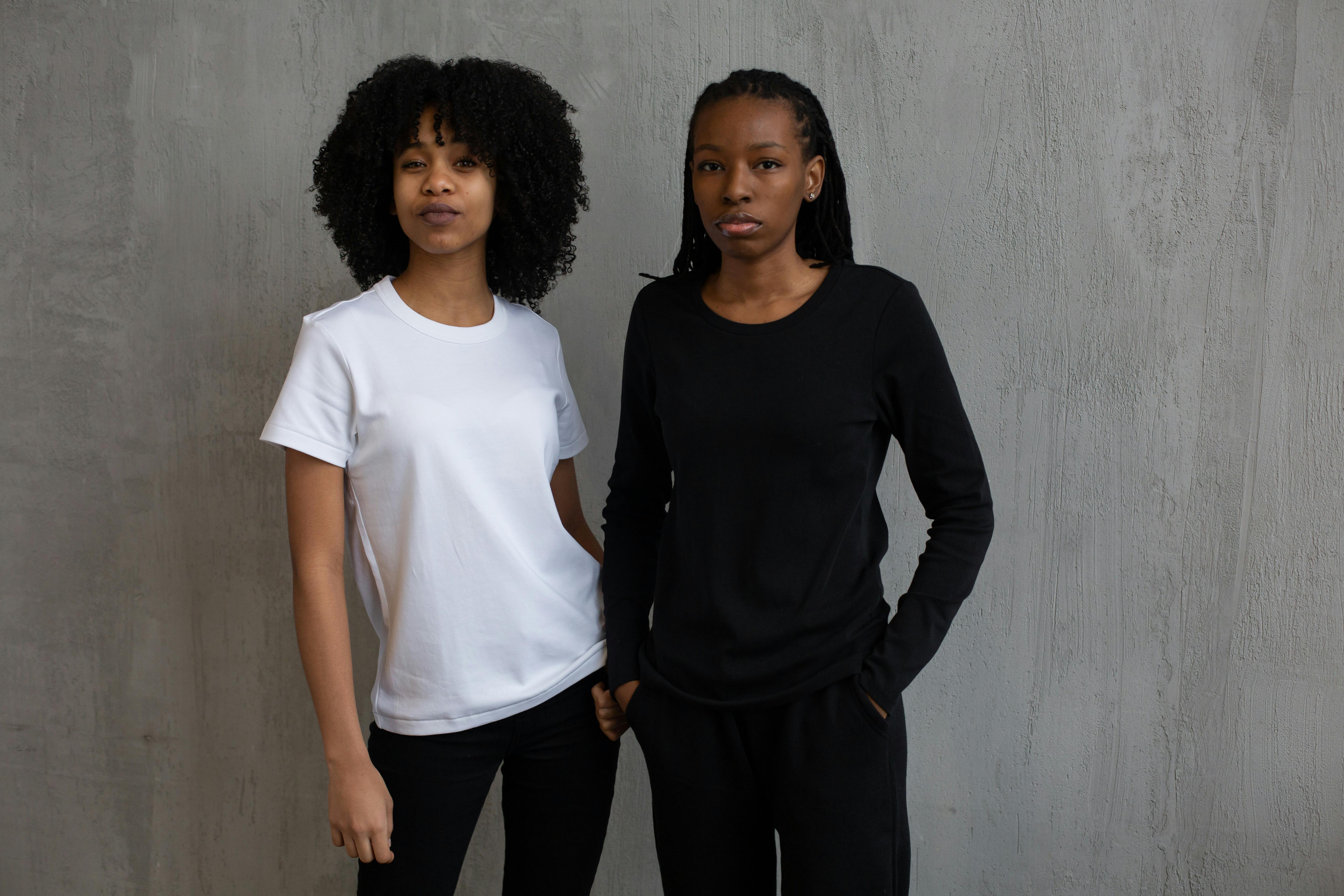
This image reinforces the concept of upcycled denim as a base and visually shows how reworked jeans and skirts can be styled with modern streetwear staples.
Balancing the Fit: Hybrid Silhouettes That Actually Work
Circular streetwear is all about contrast—big with small, slouchy with fitted, tough with soft. The secret sauce is what creators are calling hybrid silhouettes.
Some foolproof combos:
- Oversized bottoms + tiny top
Think men’s cargo pants or skater jeans with a baby tee or fitted vintage camisole. Perfect if you love the “effortlessly sloppy but on purpose” vibe. - Boxy top + sleek bottom
Pair a thrifted XXL men’s tee or track jacket with a reworked denim mini or column skirt. Add chunky shoes to ground it. - Layered light-to-heavy
Start fitted at the base (tank, baby tee) and build out with a loose overshirt, then a structured jacket. This keeps you from disappearing into fabric while still getting that oversized energy.
This approach shines across different body types, especially when you’re working with men’s or oversized vintage pieces. You’re not trying to “fit in” to the clothes—you’re reshaping and styling them to fit you.
Tip: Stand in front of the mirror and ask, “Where does the outfit end?” If everything is equally baggy, your shape gets lost. Add one clearly defined fitted area—waist, shoulders, or legs—to bring it back.
Visible Mending: Let Your Clothes Brag About Their Scars
In circular streetwear, visible repair is not a flaw; it’s the flex. We’re talking contrast stitching, loud patches, embroidery, and full-on Franken-jean chaos in the best way.
Easy ways to turn damage into design:
- Contrast stitching – Use bright thread to reinforce seams or outline pockets. Suddenly your basic jeans look custom—and yes, people will ask where you got them.
- Patches with a plot twist – Cover holes with fabric from other garments, band tees, or old flannels. Let the edges stay raw for that lived-in street feel.
- Hardware drama – Add grommets, chains, or safety pins to ripped areas or hems for a lowkey punk edge that still works with clean sneakers and hoodies.
- Hand-painted graphics – Paint over stains or faded areas with simple symbols, words, or doodles. Imperfect lines just add to the charm.
The goal isn’t to hide age; it’s to showcase it. Your jacket’s tear from 2017? Storytime. Your jeans’ patched knees? That’s character development.
Visual: Visible Mending Close-Up
Here’s a close-up look at visible mending on denim: contrasting stitches, patches, and raw edges turning repairs into design details.
This image directly supports the idea of visible repair and customization, showing how patches and contrasting thread can become part of the aesthetic.
Thrift-to-Fit: Making Men’s & Vintage Pieces Work for Your Body
One of the most exciting parts of circular streetwear is how plus-size and mid-size creators are hacking the system. Instead of hunting for the one piece in their size at the back of the rack, they’re grabbing what’s available—often men’s XXL—and reshaping it.
Simple tailor-free (or low-tailor) tricks:
- Crop it, don’t box it
A quick crop on a huge tee or hoodie instantly defines your waist and makes a baggy item feel intentional. No sewing machine? Try folding under and double-sided fashion tape. - Elastic magic
For big men’s trousers or cargo pants, add elastic at the back of the waistband or use a shoelace trick through belt loops. Aim for secure, not squeezed. - Blazer re-cut
Tailors can take in the waist or shorten sleeves on men’s blazers for a surprisingly low cost. Pair with wide-leg jeans or a maxi skirt for powerful proportions. - Layer for structure
Use fitted tanks or bodysuits under oversized pieces to highlight your shape and keep the overall look balanced.
The message is clear: your size doesn’t disqualify you from vintage or Y2K trends. It just means you get to be a little more inventive—and the results are often better than anything mass-produced.
Build a Circular Streetwear Mini-Wardrobe (Without Going Feral at the Thrift Store)
Before you sprint into the thrift like it’s a Black Friday doorbuster, pause. A tiny, well-thought-out circular streetwear capsule will do more for your style than 40 chaotic “maybes.”
Start with this small but mighty list:
- 2–3 denim bases
One pair of reworked jeans (patchwork or wide-leg), one denim skirt (maxi or midi), and optionally a denim jacket ready for customization. - 2 fitted tops
A baby tee and a ribbed tank in colors that go with everything. These will balance your baggier pieces. - 2 statement tees or hoodies
Vintage band tee, college sweatshirt, or graphic hoodie with personality. Look for ones that style well with both jeans and skirts. - 1 outerwear hero
A varsity jacket, track jacket, or blazer you can throw over nearly anything. This is your “I didn’t try, but I did” piece. - 2 functional accessories
A durable, slightly beat-up shoulder bag or mini backpack and a belt (bonus if it’s grommeted or chain-linked).
The key is overlap: every piece should work with at least three others. If it doesn’t, it’s either a future DIY project—or it’s not coming home with you.
Visual: A Circular Streetwear Capsule Collection
Picture a small rack with reworked jeans, a denim skirt, a varsity jacket, graphic tees, and a couple of simple tanks, plus a bag and belt—all ready to mix and match.
This image reinforces the idea of a circular streetwear mini-wardrobe, visually showing a small, cohesive selection of mix-and-match pieces.
Follow Trends Without Letting Them Raid Your Wallet
Trends move faster than a group chat on a Friday night. Circular streetwear helps you play the game without constantly buying new stuff.
Here’s how to stay current, sustainably:
- Use trends as prompts, not commandments
See a low-rise cargo look you like? Ask: can I recreate the vibe with what I own or with a second-hand find I can tailor? - Try 3–5 ways to style each piece
Before you cut, paint, or patch, plan multiple outfits around the item. Can that upcycled skirt go with a hoodie, a blazer, and a tank? If yes, green light. - Set a “new-new” limit
Give yourself a monthly or seasonal cap on brand-new purchases. Prioritize second-hand, swaps, and DIY first. - Film or snap your fits
You don’t have to post them, but seeing your outfits on camera is the best way to figure out what actually works and which pieces earn their hanger space.
Trends become less overwhelming when your closet feels like a toolbox, not a graveyard. You’re not accumulating; you’re iterating.
Wear the Story, Not Just the Clothes
The prettiest part of circular streetwear isn’t the patchwork or the perfect fit—it’s the story. Your jeans used to be somebody’s go-to concert pants. That blazer did time in a corporate meeting room before becoming your Friday night armor.
When you walk out in an outfit you thrifted, re-cut, stitched, or painted yourself, you’re not just “following a trend.” You’re literally wearing proof that you:
- Have taste
- Have imagination
- And, frankly, have zero intention of letting a brand or algorithm dictate your entire personality
So here’s your assignment: rescue one forgotten piece from your closet (or the thrift), give it five minutes of styling or DIY attention, and wear it this week. If someone compliments it, say, “Thanks, it’s circular streetwear,” and enjoy their confused-but-impressed face.
Your wardrobe doesn’t need a full rebirth; it just needs a remix. And you, my friend, are officially the DJ.
