
Cancer Survival Hits Historic High: What 7-in-10 Five‑Year Survivors Means for You and Your Family
Not long ago, a cancer diagnosis often felt like a line drawn through the future. Today, new data show a very different picture: in the United States, roughly 7 in 10 people now survive at least five years after a cancer diagnosis, according to the latest report from the American Cancer Society, highlighted by NBC News. It’s a milestone that reflects decades of research, better screening, and more personalized treatments—yet it doesn’t erase the fear, uncertainty, or hard days that come with cancer.
In this guide, we’ll unpack what this five‑year survival milestone really means, how it’s happening, and—most importantly—how you or someone you love can make the most of today’s advances while staying grounded in realistic, evidence-based hope.
A New Milestone in the Cancer Fight: What “7 in 10 Survive Five Years” Really Means

When you hear “7 in 10 people now survive five years or more,” it can sound either incredibly hopeful or oddly abstract. To put it simply, more people are living longer after cancer than at any point in history in the U.S.—a result of:
- Earlier detection through screening and awareness
- More precise surgery, radiation, and systemic therapies
- Breakthroughs like immunotherapy and targeted drugs
- Better supportive and survivorship care
Survivorship gains are not equal across all cancers or communities, though. Outcomes still vary by cancer type, stage at diagnosis, access to care, and long‑standing health inequities such as income, race, and geography.
What’s Driving Better Cancer Survival? The Science Behind the Progress
The American Cancer Society’s latest report and coverage from NBC News highlight several reasons survival has improved. No single “miracle cure” explains it; rather, it’s a series of steady advances working together.
- Earlier Detection and Screening
Screenings for breast, colorectal, cervical, and lung cancers (in high‑risk smokers) help catch disease when it’s more treatable. For example, colonoscopies can remove precancerous polyps before they ever become cancer.
- Targeted Therapies
These drugs attack specific genetic changes in cancer cells—like HER2 in some breast cancers or EGFR mutations in certain lung cancers—often with fewer side effects than traditional chemotherapy.
- Immunotherapy
Checkpoint inhibitors and CAR‑T cell therapies help the immune system recognize and attack cancer. For some advanced cancers that once had very poor outlooks, a subset of patients now achieve long‑term control.
- Precision Radiation and Surgery
Techniques like image‑guided radiation, proton therapy, and minimally invasive surgery allow doctors to target tumors more accurately while sparing healthy tissue.
- Supportive Care and Symptom Management
Better nausea control, infection prevention, pain management, nutrition, and mental health support help more patients stay on treatment and maintain quality of life.
“The rise in five‑year survival is not about one blockbuster drug—it’s about consistent improvements across the entire cancer care continuum, from prevention to long‑term follow‑up.”
— Medical oncologist, academic cancer center
Large organizations like the American Cancer Society and the NCI SEER Program track these trends, showing steady declines in cancer death rates over the past three decades.
Beyond the Numbers: What This Means for Real Patients and Families
Statistics are reassuring, but they don’t capture the very human roller coaster of appointments, scans, waiting rooms, and “what ifs.” Let’s look at two composite case examples, based on common clinical patterns (no real names or identifying details).
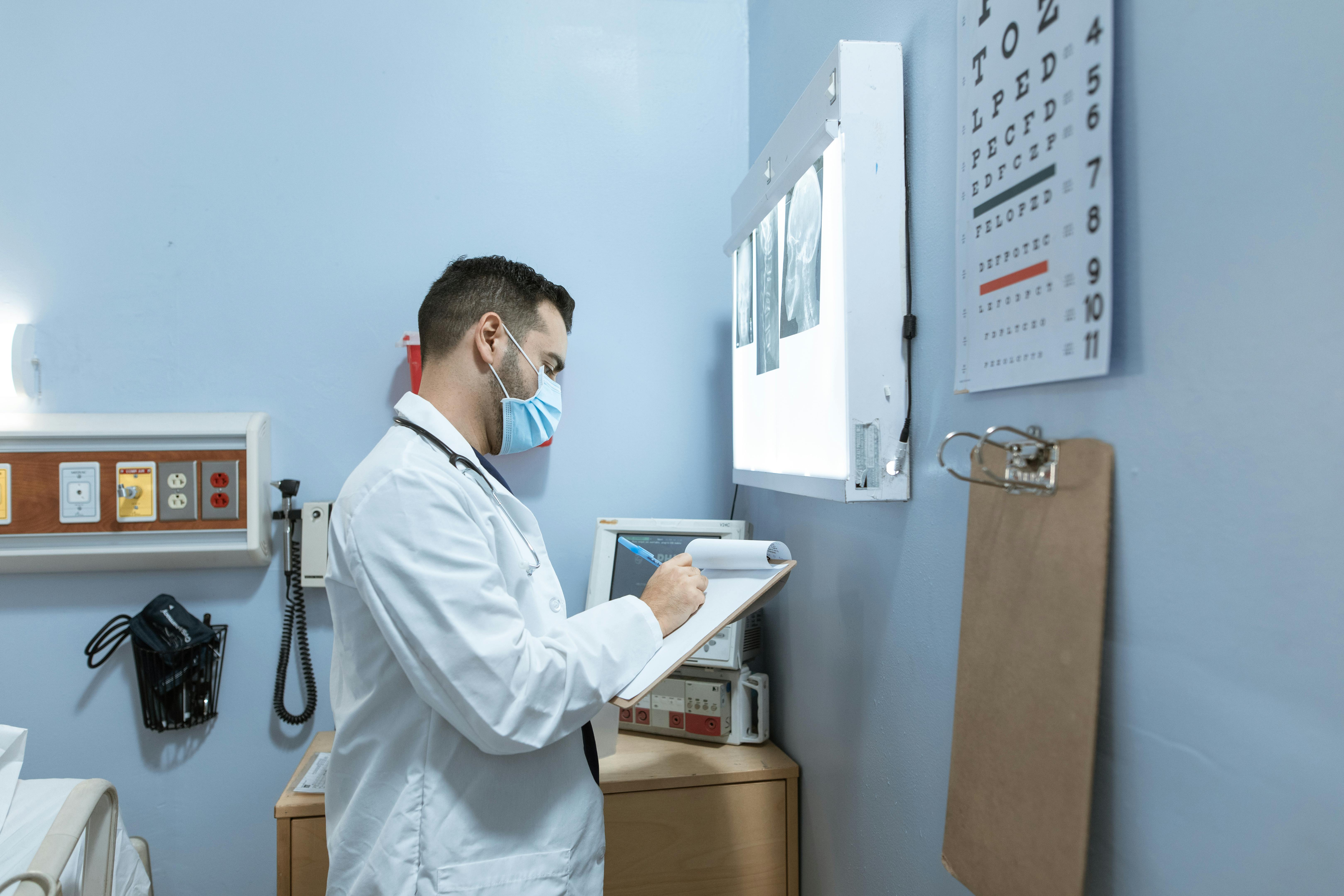
Case Example 1: Early‑Stage Breast Cancer
A 52‑year‑old woman’s routine mammogram finds a small tumor. Biopsy shows hormone‑receptor‑positive, HER2‑negative breast cancer at an early stage. She undergoes lumpectomy, targeted radiation, and takes hormone therapy.
- Her five‑year survival odds are very high—well above the overall 70% figure.
- Her biggest challenges are fatigue, fear of recurrence, and managing work and family during treatment.
- Survivorship care (exercise, follow‑up, mental health support) becomes central after active treatment ends.
Case Example 2: Advanced Lung Cancer with a Targetable Mutation
A 63‑year‑old man is diagnosed with stage IV non‑small cell lung cancer. Molecular testing finds an EGFR mutation. Instead of standard chemotherapy alone, he starts an oral targeted therapy.
- He experiences meaningful tumor shrinkage and can continue many daily activities.
- His disease is still serious and requires ongoing monitoring and occasional treatment changes.
- For some patients like him, survival can stretch years beyond what used to be expected for stage IV disease.
How to Use This New Survival Milestone in Your Own Cancer Journey
Knowing that five‑year cancer survival is improving can be empowering, but only if you can translate it into clear actions. Here are practical, evidence‑informed steps to consider.
1. Get a Clear, Personalized Picture
- Ask your oncologist:
- “What type and stage of cancer do I have?”
- “Are there specific markers or mutations driving my cancer?”
- “How does my situation compare with average statistics?”
- Request written summaries or access to your electronic medical record so you don’t have to rely on memory alone.
2. Make Sure Testing Is Complete
For many cancers, molecular and biomarker testing can open the door to targeted therapies or immunotherapies.
- Ask: “Has my tumor been tested for genetic mutations or biomarkers that might change treatment?”
- If not, ask whether such testing is recommended for your cancer type, and whether it’s covered by insurance or assistance programs.
3. Consider Second Opinions and Cancer Centers
Especially for complex or advanced cancers, a second opinion at a National Cancer Institute–designated center or academic hospital can confirm or refine your treatment plan.
- Second opinions are common and rarely offend your current doctor.
- They may provide access to clinical trials or specialized treatments not widely available.
4. Build a Supportive Daily Routine
No lifestyle choice can guarantee a cure, but certain habits are associated with better outcomes and quality of life during and after treatment:
- Stay as active as you safely can (even light walking can help fatigue and mood).
- Prioritize nutrition with enough calories and protein; ask for a referral to an oncology dietitian.
- Protect sleep with regular routines and, if needed, behavioral strategies or medical support.
- Lean on mental health resources—support groups, counseling, psycho‑oncology services.
5. Plan for Survivorship Early
Because more people are surviving longer, survivorship issues—like late side effects, return to work, fertility, and financial stress—are now key parts of care.
- Ask: “If treatment works as hoped, what will follow‑up look like?”
- Request a survivorship care plan summarizing treatment and recommended long‑term monitoring.
Common Obstacles: Fear, Fatigue, and Access to Care

Emotional Overload and Fear of Recurrence
Even with improving survival, many patients describe living “scan to scan.” Anxiety before follow‑up tests is common and does not mean you’re ungrateful or pessimistic—it’s a human reaction.
- Normalize it: many cancer centers offer psycho‑oncology services.
- Ask your team about evidence‑based tools like cognitive behavioral therapy (CBT), mindfulness, or medications when appropriate.
Physical Side Effects and Fatigue
Treatment‑related fatigue can be profound and persistent, even years into survivorship. This isn’t “just being tired” and it is not a moral failing.
- Report symptoms early—don’t wait for them to become severe.
- Ask about physical therapy, occupational therapy, and structured exercise programs for cancer survivors.
Financial and Access Barriers
Insurance coverage, time off work, caregiving responsibilities, and travel to treatment centers can be significant obstacles—and they contribute to survival gaps between different groups.
- Ask social work or patient navigation teams about:
- Transportation and lodging assistance
- Medication copay support or manufacturer assistance programs
- Legal and workplace rights (e.g., FMLA in the U.S.)
- Check reputable organizations like:
Before and After: How Cancer Care Has Changed Over the Last Few Decades
Then: Typical Experience (1990s)
- Diagnosis often at later stages
- Limited imaging and genetic testing
- Broad chemotherapy with significant side effects
- Less structured survivorship care
Now: Typical Experience (2020s)
- More cancers found earlier via screening
- Routine use of CT, MRI, PET‑CT, and molecular profiling
- Combination of surgery, precise radiation, targeted drugs, and immunotherapy
- Growing focus on long‑term quality of life and survivorship plans

What the Latest Research and Experts Are Saying
The NBC News report on the American Cancer Society’s annual update reflects a broader scientific consensus: overall cancer death rates in the U.S. have been declining steadily for more than 30 years, thanks to prevention, earlier detection, and better treatment.
- The ACS documents millions of lives saved compared with peak mortality rates in the early 1990s.
- The National Cancer Institute notes particularly large gains in cancers like childhood leukemia, testicular cancer, and some lymphomas.
- Cancers linked to smoking have decreased as tobacco use has fallen—an example of how public health measures change outcomes.
“We’re seeing the payoff of decades of investment in cancer research and prevention. The challenge now is to ensure that these gains reach every community, regardless of ZIP code, race, or income.”
— Public health researcher, cancer disparities program
For up‑to‑date, evidence‑based information on specific cancer types and treatments, consider:
At a Glance: Key Takeaways on Modern Cancer Survival

- 7 in 10 people in the U.S. now live at least five years after a cancer diagnosis.
- Improvements are driven by screening, better imaging, targeted therapy, immunotherapy, and supportive care.
- Survival varies widely by cancer type, stage, tumor biology, and access to care.
- A five‑year statistic is a guidepost, not a personal prediction.
- Active participation in care—asking questions, seeking support, and considering trials—can help you benefit from modern advances.
Moving Forward with Informed, Realistic Hope
The news that five‑year cancer survival now reaches about 70% in the U.S. is genuinely encouraging. It reflects thousands of scientists, clinicians, advocates, and patients pushing the field forward. At the same time, each diagnosis is personal, and no statistic can tell your story in advance.
If you or someone you love is facing cancer right now, you don’t have to carry all of this alone. Your next step doesn’t need to be big or dramatic. It might simply be:
- Writing down three questions to ask at your next appointment
- Reaching out to a trusted friend, family member, or support group
- Visiting a reputable site like the American Cancer Society to learn about your specific cancer type
Progress in cancer care is real, but it’s not magic—and it’s not evenly shared yet. By staying informed, advocating for yourself and others, and leaning on the growing network of survivors and support services, you can navigate this moment with both clear eyes and genuine hope.
If you’re up to it, consider this your call to action: have a candid conversation with your care team this week about what these new survival trends mean for you, and what support you need to move through treatment and into survivorship as safely and fully as possible.
