
Can Clove Tea Really Cleanse Parasites? What Science Says About “Parasite Detox”
Clove Tea, “Parasite Cleanses,” and Your Gut: What’s Really Safe and Evidence‑Based?
If you’ve spent any time on wellness blogs or social media lately, you’ve probably seen warnings that “millions of people have parasites and don’t know it” and promises that a simple herb, like clove tea, can cleanse your body. It’s understandable to feel worried—especially if you’re dealing with nagging digestive issues, fatigue, or brain fog that no one has fully explained.
The truth is more nuanced. Intestinal parasites do exist, but in the U.S. they’re far less common than many online sources suggest. And while clove and other herbs have some interesting lab data, they’re not a substitute for proper diagnosis and treatment when a real infection is present.
In this guide, we’ll unpack what we know (and don’t know) about clove tea and internal parasites, how doctors actually diagnose parasite infections, and how to protect your health without turning to animal medications or risky DIY cleanses.

Are Silent Parasites Really Everywhere?
You may have heard alarming claims that “most people” are carrying hidden worms, flukes, or protozoa that cause everything from weight gain to anxiety. These sweeping statements are not supported by high‑quality research—especially in high‑income countries like the United States and Canada.
Parasitic infections are far more common in regions with limited access to clean water, sanitation, and healthcare. In the U.S., infections certainly occur, but usually in people who:
- Recently traveled to or emigrated from areas where parasites are endemic
- Eat undercooked meat or freshwater fish
- Have certain occupational exposures (e.g., working with soil or animals)
- Have weakened immune systems
“In the United States, parasitic infections are less common than in many developing countries, but certain parasites remain a public health concern in specific populations or regions.”
Vague symptoms like fatigue, bloating, and brain fog have many possible causes—from IBS to anemia, thyroid issues, sleep disorders, and mental health conditions. It’s understandable to look for a single, fixable explanation like “parasites,” but jumping straight to a cleanse can delay getting the right diagnosis.
How Doctors Actually Diagnose Internal Parasites
Before anyone talks about parasite “cleansing,” the first question should be: Is there truly a parasite infection? That requires evidence, not assumptions.
A thorough medical work‑up typically includes:
- Detailed symptom history
Duration, travel, food exposures, pets, water sources, weight changes, and medications all matter. - Physical examination
Looking for signs like weight loss, abdominal tenderness, skin findings, or anemia. - Stool testing
Multiple stool samples may be checked for ova and parasites (O&P), antigen tests, or PCR panels, depending on suspected organisms. - Blood tests
Checking for anemia, inflammation, eosinophilia (a type of white blood cell often elevated in some parasitic infections), and sometimes specific parasite antibodies. - Imaging or endoscopy
In more complex cases, imaging or colonoscopy/upper endoscopy may be needed.
Only after there is clear evidence of infection do medications like albendazole or ivermectin enter the conversation—and those choices are tailored to the exact parasite, dose, and length of treatment.
Clove Tea and Parasites: What Does the Science Actually Show?
Clove (from the Syzygium aromaticum tree) has been used traditionally for digestive discomfort, dental pain, and as a culinary spice. Its essential oil contains eugenol, a compound with antimicrobial and antiparasitic activity in laboratory settings.
Evidence from lab and animal studies
- Clove extracts and eugenol have shown activity against certain parasites in test tubes (in vitro), including some protozoa and worms.
- Some animal studies suggest clove oil can reduce worm burdens when given in fairly high, controlled doses.
However, we cannot assume that drinking clove tea reproduces those effects in humans:
- Tea contains much lower and variable amounts of active compounds compared to lab extracts.
- Human pharmacokinetics—how the body absorbs, distributes, and eliminates these compounds—is very different from a petri dish.
- There are very few, if any, robust clinical trials showing that clove tea alone can treat proven intestinal parasitic infections in people.
At this time, clove tea should be viewed as a comforting beverage with potential mild antimicrobial properties—not as a stand‑alone cure for internal parasites.
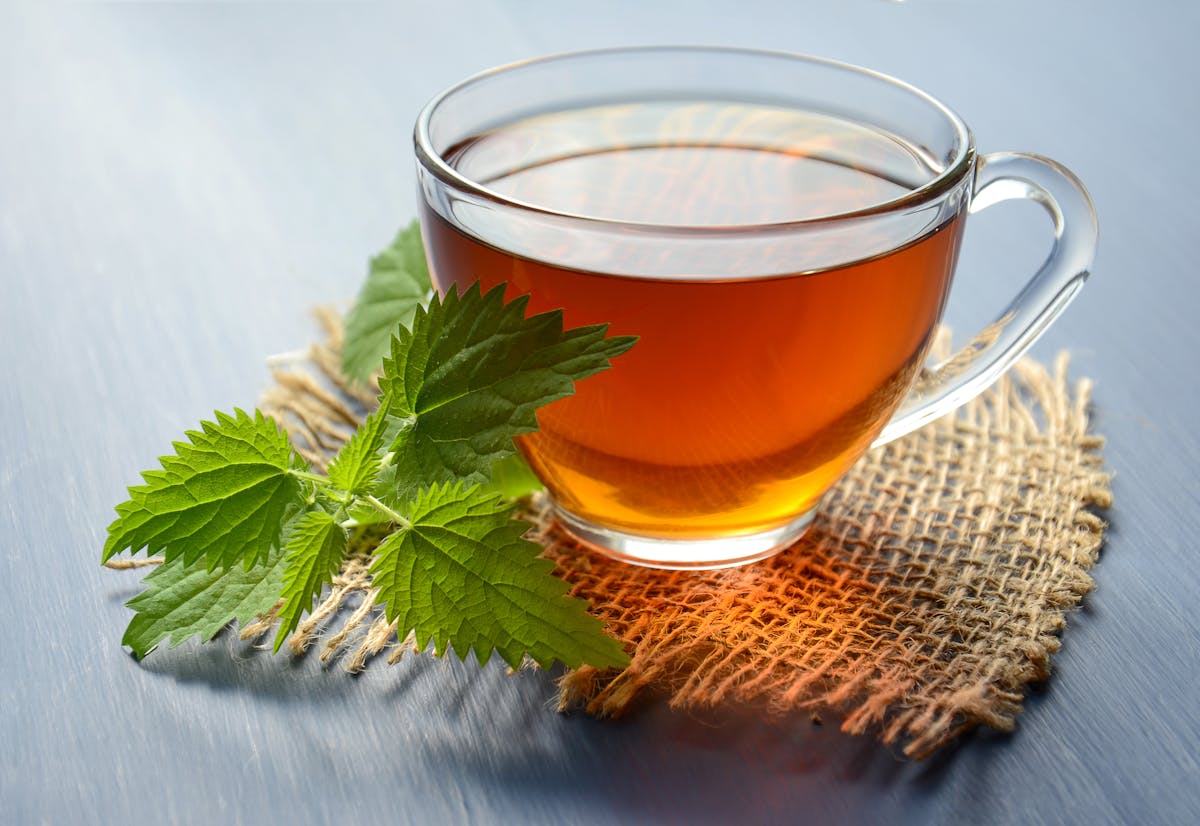
Do “Parasite Cleanses” Work—or Can They Do Harm?
Many commercial parasite cleanse programs combine herbs such as clove, wormwood, black walnut, and others. They often promise to flush out worms you never knew you had. The marketing is compelling, but the science is limited.
Potential problems with DIY cleanses
- Lack of diagnosis: Treating a problem you haven’t confirmed can make you miss the real condition.
- Side effects: High doses of strong herbs can cause nausea, diarrhea, abdominal pain, liver stress, and interactions with medications.
- Misinterpreting stool changes: Mucus, undigested food, or the cleanse ingredients themselves may be mistaken for “dead parasites.”
- False sense of security: People may delay seeing a doctor, allowing a treatable infection—or a different disease—to progress.
For people who do not have a documented parasite infection, there is no strong evidence that harsh cleanses improve long‑term health. A gentler focus on gut health, diet, and lifestyle is often safer and more sustainable.
If You Enjoy Clove Tea, How Can You Use It Safely?
If you like the taste and warmth of clove tea, you can reasonably include it as part of your routine—just not as your only plan for treating suspected parasites.
General, cautious guidelines for most healthy adults:
- Use culinary‑level amounts.
Brew a mild tea using a few whole cloves or a pre‑blended herbal tea bag, rather than high‑dose tinctures or essential oils. - Limit frequency.
1–2 cups per day is a prudent upper limit for most people, unless your clinician advises otherwise. - Monitor how you feel.
If you notice new stomach pain, nausea, mouth irritation, or allergic reactions, stop and seek advice. - Avoid DIY essential oil dosing.
Never ingest straight clove essential oil without medical supervision—it is highly concentrated and can be toxic.

When to Seek Medical Evaluation for Possible Parasites
There are times when it’s appropriate to specifically check for parasites. You should speak to a clinician promptly if you have:
- Persistent diarrhea or loose stools lasting more than 1–2 weeks
- Unexplained weight loss, especially with appetite changes
- Abdominal pain, cramping, or bloating that is frequent or worsening
- Blood or mucus in stool
- Recent travel to areas with unsafe water or poor sanitation
- Visible worms in stool (if possible, take a photo and save a sample as instructed by your provider)
- Fever, night sweats, or significant fatigue along with digestive symptoms
For some people—such as those with immune suppression or existing liver disease—it’s especially important not to delay evaluation or experiment with harsh herbal regimens.
Evidence‑Based Ways to Support Gut Health (With or Without Parasites)
Whether or not parasites are involved, many people benefit from general gut‑supportive habits. These won’t cure a serious infection, but they can improve resilience, digestion, and overall well‑being.
Practical steps you can start now
- Focus on fiber‑rich, whole foods.
Include vegetables, fruits, beans, lentils, whole grains, nuts, and seeds. These feed beneficial gut microbes. - Stay well‑hydrated.
Water and herbal teas (including gentle clove blends if tolerated) support regular bowel movements and overall function. - Use safe food and water practices.
Cook meat thoroughly, wash produce, and avoid unfiltered water when traveling to high‑risk areas. - Limit unnecessary antibiotics and harsh laxatives.
Use them only when medically indicated, and talk with your clinician about gut‑friendly strategies if they’re needed. - Support stress management and sleep.
Chronic stress and poor sleep can worsen digestive symptoms, regardless of the underlying diagnosis.
Before and After: What Changes When You Move From Cleanses to Clear Diagnosis
Many people feel stuck in a cycle: try a cleanse, feel a bit different (often because of diarrhea or diet changes), then symptoms slowly creep back. A shift toward evidence‑based care can change that pattern.


This doesn’t mean every symptom has an easy answer. But working with a clinician shifts the focus from guessing and “detoxing” to understanding and treating.
Putting It All Together: A Balanced Approach to Parasite Fears and Clove Tea
Worrying that you might harbor unseen parasites is understandably unsettling, especially when your symptoms are real and disruptive. You deserve to be taken seriously—and that starts with careful evaluation, not just another cleanse.
Clove tea can be a soothing, aromatic addition to your day and may have mild antimicrobial properties, but current evidence does not support it as a reliable treatment for internal parasites in humans. Animal antiparasitic medications and aggressive herbal regimens, when used without medical supervision, carry real risks.
The most powerful steps you can take are:
- Seeking a thorough medical work‑up for persistent or concerning symptoms
- Using clove tea and other herbs, if you enjoy them, as supportive—not curative—tools
- Building everyday habits that protect gut and overall health
If you’ve been living with unexplained digestive issues or fatigue while cycling through cleanses, consider this your invitation to pause, take a breath, and partner with a healthcare professional for a clearer, safer path forward.
