Bruce Springsteen’s Fiery Minneapolis Protest Anthem Takes Aim at ‘King Trump’
Bruce Springsteen has released a blistering new Minneapolis protest song taking aim at Donald Trump, Immigration and Customs Enforcement (ICE), and what he calls “federal thugs” sent into American cities. Framed against the tragedies and unrest in Minneapolis, the track revives Springsteen’s familiar role as the rock troubadour of working‑class outrage, but this time with a sharper focus on Trump‑era politics and the federal response to protest.
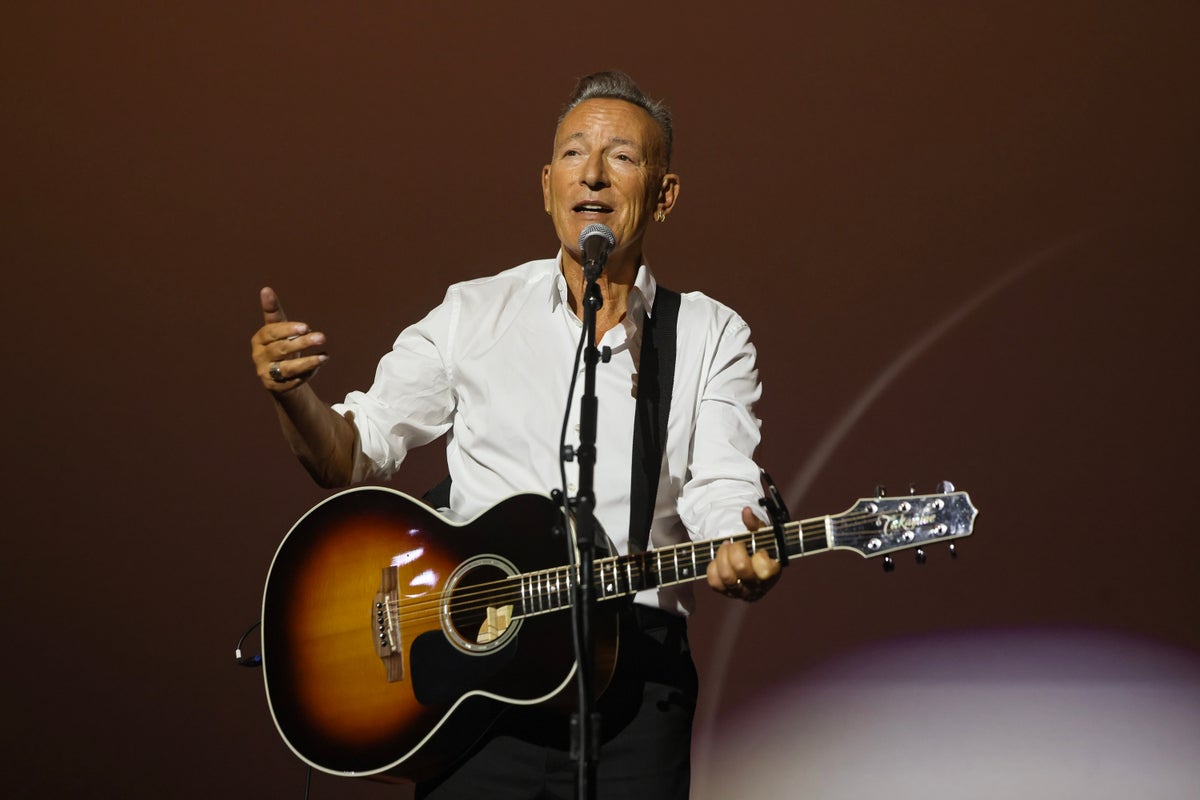
Springsteen, Minneapolis, and the Politics of the Street
To understand why this particular protest song lands with such weight, you have to place it in two overlapping histories: Minneapolis in the wake of police violence, and Springsteen’s long‑running feud—ideological more than personal—with Trumpism. Minneapolis has become a symbolic ground zero for debates over policing, racial justice, and the militarisation of federal power. When Springsteen sets his song there, he’s tapping into a city that, in recent years, has been less a backdrop and more a battleground.
Springsteen has never been shy about his politics. From Born in the U.S.A.—often misread as a patriotic anthem—to The Rising and Wrecking Ball, he’s used arena‑sized rock to critique war, inequality, and the erosion of the American social contract. His Trump‑era commentary has been especially direct, calling out what he sees as the hollowing out of democratic norms and the scapegoating of immigrants.
“These are the times when you find out who we are as a country,” Springsteen has said in past interviews about protest music. “The songs are just trying to hold a mirror up to that.”
What ‘King Trump’ and ‘Federal Thugs’ Say Between the Lines
Even without the full lyric sheet in front of you, the song’s framing makes its intent unmistakable. By dubbing Trump “King Trump,” Springsteen leans into the criticism that the former president behaved more like a monarch than an elected official—comfortable with loyalty tests, emergency powers, and the theatre of force. “Federal thugs,” meanwhile, is his blunt description of armed officers deployed into cities, a phrase that aligns with footage many Americans saw of unmarked vans and militarised gear in streets that looked more like occupied zones than neighbourhoods.
Musically, the song reportedly keeps one foot in classic E Street Band territory—driving rhythm, a chorus built for crowd sing‑alongs— and one foot in the darker hues of his more recent work. Think less stadium euphoria and more smouldering anger, closer in tone to tracks on Wrecking Ball than the fist‑pumping sheen of the 1980s.
Thematically, the song weaves together three threads:
- State power vs. street protest: Images of federal officers clashing with protesters, set against Springsteen’s usual concern for everyday citizens caught in the middle.
- Immigration and ICE: By explicitly invoking ICE, he expands the canvas from a single city to the broader Trump‑era immigration regime—family separation, raids, and a culture of fear in immigrant communities.
- The broken promise of the American dream: A recurring Springsteen obsession, now refracted through racial injustice and executive overreach.
Where This Fits in Protest Music—and the Streaming Era
Springsteen’s Minneapolis anthem doesn’t exist in a vacuum. It arrives in a decade when protest music is as likely to come from Kendrick Lamar, H.E.R., or Run the Jewels as from heritage rock acts. What’s interesting is how he adapts an older protest tradition— think Dylan’s “Masters of War” or Neil Young’s “Ohio”—to a media ecosystem defined by quick outrage cycles and algorithmic feeds.
In streaming terms, explicitly political songs are a double‑edged sword. They energise a core audience but can face playlist resistance, especially from platforms wary of partisan controversy. Springsteen, however, is operating from a different vantage point than a new artist chasing TikTok virality. At this stage of his career, the “brand risk” of criticising Trump is more feature than bug; it’s part of what makes him, to his fans, still vital.
Critics have long argued that Springsteen’s politics are baked into his songwriting DNA. As one reviewer put it, “He doesn’t write campaign ads; he writes about what happens after the campaign promises are broken.”
Reception: Preaching to the Choir—or Lighting a Fire?
Early reactions from critics and fans cluster in two camps. Supporters praise the song as a necessary escalation from a veteran artist who refuses to play it safe. For long‑time listeners who’ve followed him from Darkness on the Edge of Town to Letter to You, the Minneapolis track feels like a confirmation that he’s still willing to wade directly into the mess of contemporary politics rather than linger in nostalgic self‑mythologising.
Detractors counter that the song risks collapsing into slogan rather than story—that words like “King Trump” and “federal thugs,” while cathartic to some, might flatten the nuance that usually gives Springsteen’s characters their depth. There’s also the familiar argument that overtly partisan tracks mostly energise people who already agree, doing little to persuade the unconverted.
Still, even skeptical reviewers generally concede that if any mainstream rock artist has earned the right to swing this hard, it’s Springsteen. He’s not parachuting into politics as a branding exercise; he’s been here for decades.
Sound, Production, and the Minneapolis Mood
Sonically, the Minneapolis protest track reportedly leans on familiar Springsteen building blocks—jangling guitars, organ swells, and a rhythm section that feels like it’s marching you down a city street. Where it diverges is in the mood: the production leaves more air around the vocal, giving his voice room to crack and strain, as if the anger is fighting through fatigue.
It’s also notable how he brings atmosphere into the arrangement. References to helicopters, sirens, and chanting crowds are evoked more by musical texture than literal sound effects, a choice that keeps the track from slipping into audio documentary territory. The result is closer to a haunted folk‑rock narrative wrapped in rock‑anthem clothing.
From Reagan Misreads to Trump Callouts: A Through Line
The “King Trump” lyric draws a straight line back through Springsteen’s career. In the 1980s, Ronald Reagan tried to appropriate “Born in the U.S.A.” for campaign optics, seemingly unaware it was a critique. Decades later, Springsteen is no longer leaving that ambiguity on the table. The Minneapolis protest song doesn’t give itself up to misinterpretation; it names names.
That explicitness matters for legacy. Future listeners won’t have to squint to see what side of history he planted his flag on during the Trump years or during the Minneapolis uprisings. Whether this track becomes a permanent staple of his setlists or remains a snapshot of a particular moment, it will sit in the catalogue as one of his bluntest political statements.
Where to Hear It and Dive Deeper into Springsteen’s World
While roll‑out details can shift, Springsteen’s team typically pushes new material across major platforms at once:
- Official site and news updates on brucespringsteen.net
- Discography and credits on Bruce Springsteen’s IMDb page
- Label releases and catalog via Sony Music
Verdict: A Necessary Shout in a Noisy Political Era
As a piece of protest music, Springsteen’s Minneapolis song is less about subtle persuasion and more about solidarity and witness. It won’t convert hardened partisans on either side, and it isn’t trying to. Instead, it captures the mood of people who watched their streets fill with grief and anger while federal power loomed above them.
On artistic terms, the track might not dethrone his greatest narrative epics, but it doesn’t need to. Its job is to document a flashpoint and to say, without hedging, where its author stands. In an era when many artists thread the needle between audience segments and brand deals, there’s something bracing—and, frankly, very on‑brand—about Springsteen still raising his voice, naming names, and siding with the people in the street.