
Brigitte Bardot Foundation Warns Fans About Scam Memorabilia After Star’s Death
Following Brigitte Bardot’s death, her animal-welfare foundation has issued a stark warning: online adverts are pushing “scam” memorabilia of the French screen icon, falsely claiming that sales will fund the charity’s work. It’s a story that sits at the uneasy intersection of celebrity culture, nostalgia, and increasingly sophisticated online fraud.
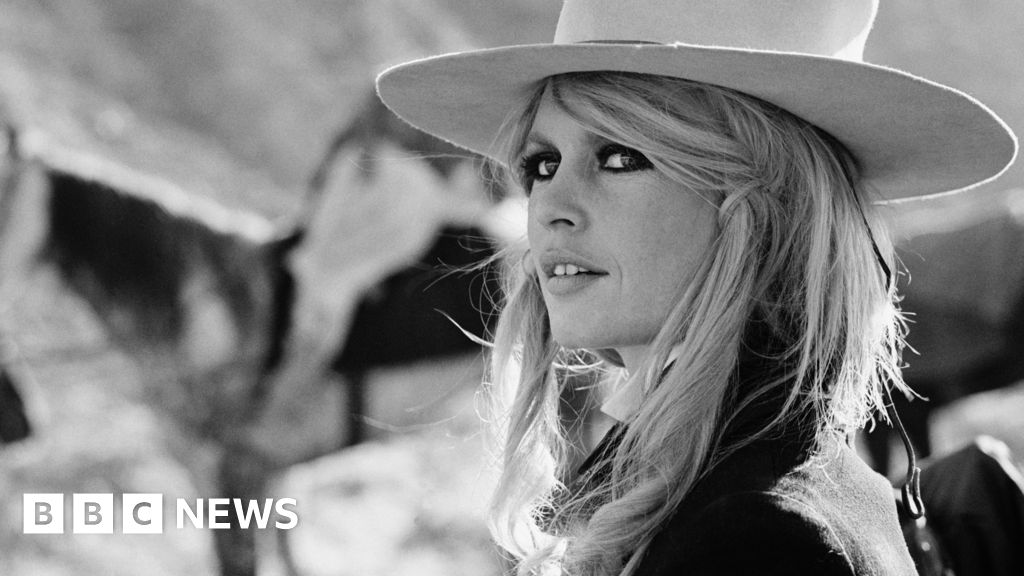
A legend’s legacy meets the modern scam economy
The Brigitte Bardot Foundation, created by the actress in 1986 and now one of France’s most visible animal-rights organisations, says it has become aware of adverts circulating online that tout unofficial merchandise and commemorative items tied to Bardot’s passing. The hook: claims that a portion of the proceeds will go directly to the foundation. According to the charity, those claims are false.
This is not just a niche fandom issue. It’s a textbook example of how the death of a high-profile figure can trigger an opportunistic wave of counterfeit memorabilia and fake charity appeals, exploiting grief, nostalgia and goodwill at scale.
From screen siren to animal-rights crusader: why Bardot’s name still sells
To understand why scammers see value in Bardot-branded goods, you need to appreciate just how deeply her image is woven into post-war popular culture. In the 1950s and 60s, Bardot became the embodiment of European cinematic glamour, starring in films such as And God Created Woman and Contempt. Her look, style, and unapologetic sexuality helped define an era and influenced everyone from fashion photographers to pop musicians.
But from the mid-1970s onward, Bardot largely turned her back on the film industry and repositioned herself as a militant defender of animals. She used the same star power that once sold movie tickets to campaign against fur, seal hunting and animal testing, eventually founding the Fondation Brigitte Bardot (FBB) to formalise that activism.
“I gave my youth and my beauty to men. I am going to give my wisdom and my experience to animals.”
Whether you love or question her politics, Bardot’s name still carries enormous recognition, particularly in Europe. That combination of long-standing fame, iconic imagery and a high-profile charity attached to her identity creates fertile ground for scammers looking to monetise public emotion.
How the Brigitte Bardot memorabilia scam works
According to coverage from BBC News and statements from the foundation, the scam takes a familiar but effective shape:
- Social media adverts promote limited-edition posters, signed photos or commemorative items featuring Bardot’s image.
- Charity language implies or explicitly states that a percentage of each sale is donated to the Brigitte Bardot Foundation.
- Emotional framing plays on Bardot’s recent death, pitching purchases as a way to “honour her memory” and “support her cause.”
- No official connection exists between these sellers and the Fondation Brigitte Bardot, which has publicly disowned the campaigns.
In its warning, the foundation stresses that it has not authorised these products and that fans should treat such claims with extreme caution unless verified directly through the charity’s official channels.

Celebrity death, nostalgia and the booming scam-merch business
The Bardot case slots into a now-familiar pattern. Whenever a major celebrity dies, there is a spike in search traffic, news coverage, streaming and—predictably—unofficial merchandise. For scammers, this moment is gold: public attention is focused, fans are feeling sentimental, and social feeds are full of tributes that their ads can blend into.
We’ve seen variations of this play out with musicians, actors and even YouTube personalities. What makes Bardot’s situation slightly different is the explicit charity angle. The promise isn’t just “own a piece of history”; it’s “do good while you’re at it.” That combination of moral satisfaction and fandom can be hard to resist.
In broader entertainment-industry terms, this highlights how fragile brand control becomes in the age of generative design tools, dropshipping, and global market platforms. Even estates with active legal teams struggle to chase down every bootleg T-shirt or commemorative mug, especially when sellers hop between marketplaces and jurisdictions.

The trust problem: when fake charity sales hit real causes
Beyond individual fans losing money, fake fundraising has a corrosive effect on real charities. When supporters realise they’ve been misled, they may:
- Become more sceptical of genuine campaigns.
- Withdraw from donating online altogether.
- Share their frustration publicly, which can splash back on the very organisations they meant to help.
For a foundation like Bardot’s, which relies heavily on public goodwill and recognisable branding to fund animal-rescue operations, every fake campaign is more than a nuisance—it’s reputational damage by association.
When every link claims to be “official,” authenticity becomes a full-time job rather than a default assumption.

How to spot fake “Brigitte Bardot Foundation” merchandise
While scammers evolve quickly, a few fairly timeless checks can help fans verify whether a Bardot-themed product genuinely supports her foundation—or any charity, for that matter.
- Start with the official site.
Visit the Fondation Brigitte Bardot website or its verified social accounts and see if the product or partner is mentioned. - Check the URL and company name.
Ultra-generic store names, recently registered domains and incomplete contact details are all red flags. - Look for transparent donation breakdowns.
Legitimate campaigns clearly state what percentage of the sale goes to the charity and how. - Verify through third-party coverage.
High-profile collaborations often show up in press releases, reputable news outlets, or the charity’s annual reports. - When in doubt, donate directly.
If your primary goal is to support animals, a direct donation to the foundation is safer than a random collector’s item.

Bardot’s complicated image and the politics of posthumous branding
Part of what makes this story interesting is that Bardot herself is not a universally uncontroversial figure. Alongside her animal-rights activism, she has a history of provocative political comments that have drawn criticism and legal action in France. That duality—iconic screen siren and divisive public personality—means that her “brand” is already contested territory.
Against that backdrop, the scramble to control her likeness and legacy is more than a legal or financial question; it’s also about which version of Bardot gets preserved in public memory. Is she framed primarily as a cinematic innovator, an animal-rights firebrand, or a symbol of a bygone, messier era of celebrity?
Scam memorabilia, of course, doesn’t care about nuance. It flattens all this into a nostalgic image on a T-shirt or canvas print, with a caption about “supporting her cause.” The foundation’s warning is therefore not only about fraud but about asserting some measure of narrative control at a moment when myths, hot-takes and algorithm-boosted tributes are multiplying.

What Bardot’s foundation warning tells us about the future of fandom
The Brigitte Bardot Foundation’s alert about scam memorabilia is both highly specific and oddly universal. On the surface, it’s about one actress, one charity and a cluster of shady online adverts. Beneath that, it’s a glimpse into how our mourning rituals, consumer habits and digital vulnerabilities now collide.
As more cultural icons pass into history, the value of their names and images will not diminish; if anything, it will increase. That means fan communities, estates and charities will need sharper tools—and sharper literacy—to distinguish heartfelt tributes from opportunistic cash-grabs.
For supporters who genuinely want to honour Bardot’s animal-rights work, the safest route remains refreshingly low-tech: ignore the “limited-edition” offers, go straight to the official foundation, and let your money skip the merch and go where Bardot herself intended—towards animals, not algorithms.
