
Breaking the Nasal Spray Trap: How to Clear Your Nose Without Getting Hooked
“At Some Point You Can’t Breathe Without It”: Understanding and Escaping the Nasal Spray Trap
By Health Editorial Team ·
WellGuide
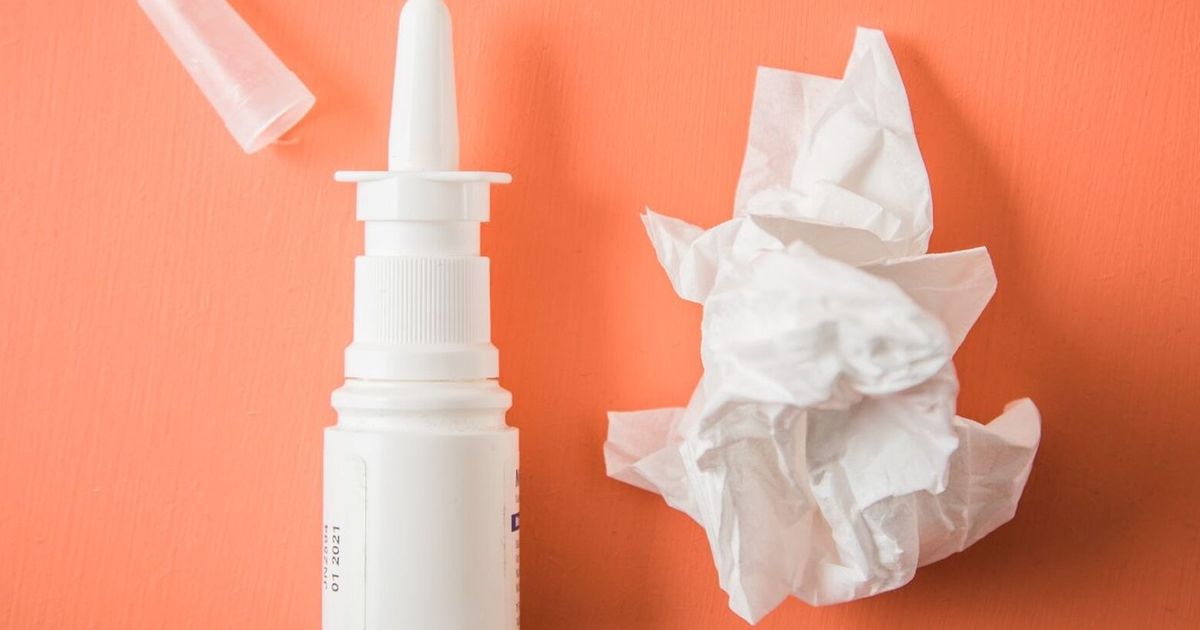
If you’ve ever had a stubborn cold or allergies, you probably know the desperate, 2 a.m. feeling of “I’ll use anything if it lets me breathe.” For many people, that “anything” is a decongestant nasal spray. It works in minutes. You finally sleep. But days later, you notice something unsettling: without the spray, you feel more blocked than before. At some point, it can feel like you literally can’t breathe without it.
Pharmacists and ENT specialists in recent reports, including coverage by The Seattle Times, are warning about this very “nasal spray trap.” The problem isn’t that these sprays are useless—they’re actually very effective when used correctly. The issue is that they’re so effective and so accessible that it’s easy to slide into overuse.
This guide will walk you through why nasal spray dependency happens, what the latest science and expert opinions say, and how to safely get off the spray without feeling like you’re suffocating. You’ll find practical, step-by-step strategies you can start today—no scare tactics, no miracle cures, just grounded advice.
The Nasal Spray Trap: Fast Relief, Hidden Risk
Decongestant nasal sprays that contain ingredients like xylometazoline or oxymetazoline are designed for short-term use—typically no more than 3–7 days, depending on the product. Yet many people use them for weeks or even months.
The trap looks like this:
- Day 1–3: You’re congested from a cold, flu, or allergies. You try a nasal spray, and within minutes you can breathe. It feels like magic.
- Day 4–7: You keep using the spray because it works. You may not notice any problem yet.
- After a week or more: When you skip a dose, your nose feels worse than before. You spray again to get relief. Over time, you might need it multiple times a day just to feel “normal.”
“People often come in convinced they’re addicted to the medicine itself. In reality, their nasal tissues have become dependent on its effect. The good news is: with the right plan, this cycle can be reversed.”
— Dr. Lena Krüger, ENT specialist, Berlin (2025 interview)
This rebound effect is so common that it has a name: rhinitis medicamentosa, or medication-induced rhinitis. International ENT guidelines and pharmacy associations in Europe and North America continue to flag it as a preventable but under-recognized problem.
What Actually Happens in Your Nose When You Overuse Decongestant Sprays?
Decongestant nasal sprays work by tightening (constricting) the blood vessels in your nasal passages. This reduces swelling and opens up your airway. The main active ingredients are topical sympathomimetics—they stimulate receptors that narrow blood vessels.

With short-term use, this is safe for most adults. But with frequent or long-term use, your nose can start to “push back”:
- The blood vessels become less sensitive to the spray.
- They may widen (dilate) more strongly between doses.
- Your nasal lining can become irritated, thickened, and more inflamed.
The result is a vicious cycle: more swelling between doses, more need for the spray, and sometimes even constant blockage without it. Studies up to 2024 have shown that this rebound congestion can develop in as little as 5–10 days of continuous use in some people, though not everyone is equally sensitive.
Are You Stuck in the Spray Cycle? Key Signs to Watch For
You don’t have to wait for a formal diagnosis to recognize a problem. Many pharmacists now screen for nasal spray overuse when people buy these products repeatedly. Common warning signs include:
- You’ve been using a decongestant spray for more than 7 days without medical supervision.
- You feel severely blocked when you miss or delay a dose.
- You keep the spray by your bed or in your pocket because you’re afraid of being without it.
- You’ve increased how often you use it or how many sprays you take at once.
- One or both nostrils feel almost permanently congested, especially in the morning or at night.
“I started using a spray after a bad cold. Six weeks later, my cold was gone, but I still couldn’t sleep a single night without the bottle next to my pillow. When the pharmacy assistant gently asked how long I’d been using it, I realized I’d never even read the leaflet.”
— Case report from a 36-year-old office worker, 2025
If this sounds familiar, you’re not alone—and you’re not “weak” or “addicted” in the way we think of drugs like nicotine or opioids. This is mostly about how your nasal tissues respond, and there are clear, evidence-based ways to help them recover.
How to Use Decongestant Nasal Sprays Safely (So You Don’t Get Hooked)
The goal isn’t to demonize nasal sprays—they can be incredibly helpful when used correctly. Many ENT guidelines, including European position papers on rhinosinusitis and allergy updated through 2023, recommend the following safety rules:
- Limit use to 3–5 days in most cases. Some products say up to 7 days—always check the specific leaflet. If you still need a decongestant after that, talk to a doctor.
- Stick to the recommended dose and frequency. More sprays do not give better or longer relief; they only increase risk of rebound and side effects.
- Use them for specific short-term situations. Examples include a bad cold, a few nights of poor sleep, or before a flight with sinus pressure—not as a daily habit.
- Consider alternatives as your “first-line” for chronic issues. For allergies or long-term nasal problems, saline rinses, nasal steroids, or antihistamines are usually safer choices.
- In children, be extra cautious. Many pediatric guidelines advise against routine use of decongestant sprays in young kids. Always follow age limits and seek pediatric advice.
How to Break Free from Nasal Spray Dependency: Step-by-Step Plans
Stopping a decongestant spray after long-term use can feel intimidating, because the first few days often bring more congestion. But this is temporary. Most people see clear improvement within 1–2 weeks after stopping, according to ENT case series and small clinical studies up to 2024.
Below are commonly recommended approaches. Always adapt them with your doctor or pharmacist, especially if you have other health conditions.
Option 1: The “All-at-Once” Stop (Cold Turkey)
This approach works best if:
- You’ve been using the spray for a relatively short time (a few weeks).
- You’re ready for a few very stuffy nights in exchange for faster recovery.
- Pick a start date, ideally before a weekend or days off.
- Stop the decongestant spray completely.
- Support your nose with:
- Frequent saline sprays or rinses.
- Optional steroid nasal spray (if prescribed).
- Sleeping with your head elevated and using a cool-mist humidifier.
- Short-term use of oral pain relievers or antihistamines if your doctor approves.
- Expect peak congestion around days 2–4, then gradual improvement.
Option 2: The “One Nostril at a Time” Method
Many ENT specialists and pharmacists favor this more gradual strategy, especially for long-term users. Here’s how it typically works:
- Choose one nostril and stop using the decongestant spray in that nostril entirely.
- Continue to use the spray only in the other nostril as before.
- Use saline rinses and/or a steroid nasal spray (if prescribed) in both nostrils.
- Once the “no-spray” nostril starts to feel better—often after 5–7 days—stop the spray in the second nostril as well.
This helps you always have at least one nostril relatively open, which can feel more manageable and less panic-inducing at night.
Option 3: Gradual Dose Reduction
Some people prefer to slowly reduce use over 1–2 weeks:
- Increase the time between doses each day.
- Reduce the number of sprays per nostril.
- Set “no-spray” periods (for example, no spray after 6 p.m.) and expand them.
This approach may work best alongside medical support, especially if you’ve been using the spray for months.
Breathing Easier Without Decongestants: Evidence-Based Alternatives
While your nose recovers, you don’t have to suffer in silence. A combination of lifestyle tweaks and gentler treatments can make a real difference. None of these are instant “miracle fixes,” but together they can reduce the urge to go back to the spray.

1. Saline Sprays and Rinses
Simple saline (saltwater) sprays or nasal irrigation with devices like neti pots or squeeze bottles can:
- Wash away mucus, allergens, and pollutants.
- Moisturize irritated nasal tissue.
- Improve symptoms of sinusitis and allergies in many patients.
Clinical guidelines for chronic rhinosinusitis and allergic rhinitis consistently list saline irrigation as a safe, first-line measure with minimal side effects when done with sterile or distilled water and proper hygiene.
2. Nasal Steroid Sprays (Prescription or OTC)
Steroid nasal sprays (like fluticasone, budesonide, or mometasone) reduce inflammation over time rather than constricting blood vessels instantly. They often take several days to a couple of weeks to reach full effect but are considered safe for long-term use under medical guidance for conditions like allergies or chronic rhinosinusitis.
3. Addressing the Root Cause: Allergies, Infection, or Structure
Long-term congestion is rarely just a “spray problem.” It can signal:
- Allergic rhinitis (dust mites, pollen, pets).
- Chronic sinusitis or recurrent infections.
- Structural issues like a deviated septum or nasal polyps.
ENT guidelines emphasize diagnosing and treating these underlying causes, often with a combination of medications, allergen control, or occasionally surgery—rather than relying on decongestant sprays as a long-term crutch.

4. Nighttime Comfort Strategies
While your nose heals, small environmental changes can make sleep easier:
- Sleep with your head slightly elevated.
- Use a cool-mist humidifier if your home is dry.
- Avoid smoke, strong perfumes, and cleaning fumes near bedtime.
- Try gentle steam inhalation (a warm shower before bed can help).
“I’m Afraid I Won’t Be Able to Sleep”: Handling the Hardest Part
One of the toughest barriers to quitting is fear—especially fear of sleepless nights or panic when your nose feels completely blocked. That fear is understandable, and it’s something doctors hear all the time.
“Patients often say, ‘I’ll quit next week, I just need a few more nights of good sleep.’ But that ‘next week’ keeps moving. Once they know what to expect and have a clear plan, most are surprised by how quickly their nose recovers.”
— Community pharmacist, Germany, quoted in 2026 reporting on nasal spray overuse
A few mindset and planning tips that can help:
- Expect some discomfort—but know it’s temporary. The worst stuffiness usually eases within days.
- Choose a “recovery week.” Plan lighter schedules or ask for flexibility at work if possible.
- Tell someone you trust. Sharing your plan with a partner or friend can provide accountability and support.
- Work with your pharmacist or doctor. They can suggest tailored strategies and reassure you as you go.
What Does the Research Say About Nasal Spray Overuse?
Medical literature over several decades has consistently recognized rhinitis medicamentosa as a real and preventable condition. While individual studies vary, several themes are clear:
- Rebound congestion can develop within 5–10 days of continuous use in susceptible individuals.
- Long-term overuse can lead to persistent nasal swelling, dryness, and structural changes, all of which typically improve after withdrawal and appropriate treatment.
- Education at the pharmacy level—including simply highlighting time limits and alternatives—reduces overuse in community studies.
For detailed, up-to-date guidance, see:
Recovery Timeline: From “Can’t Breathe Without It” to Normal Nose
Everyone is different, but many people who stop long-term decongestant use report a general pattern like this:
- Days 1–3: Congestion often feels worse than ever. Sleep may be disturbed. Saline, steam, and elevation help take the edge off.
- Days 4–7: Swelling starts to decrease. You may notice short periods of easier breathing without any spray.
- Week 2: Many people find they can sleep through the night most days, with only occasional stuffiness.
- Weeks 3–4: For most, nasal function is much closer to normal. Any remaining issues often point to underlying allergy or sinus problems that need targeted care.
These are averages, not promises. Some recover faster; others, especially after years of heavy use, may need longer and closer medical supervision. But with patience and support, your nose can almost always learn to work on its own again.
Moving Forward: Breathe Easier, With Confidence Instead of Fear
If you’ve realized you might be caught in the nasal spray trap, you’re already taking an important first step. You’re not alone; pharmacists and doctors worldwide see this every day, and it is fixable. Your body isn’t broken—it’s just responding to a medicine that stayed in your routine longer than it was meant to.
You don’t have to throw out your spray in a panic tonight. Instead, consider a calm, structured plan:
- Check your spray’s leaflet to confirm the recommended duration and ingredients.
- Choose a stopping strategy—all-at-once, one nostril at a time, or gradual reduction.
- Stock up on supports: saline spray or rinses, possibly a steroid nasal spray (if advised), and simple sleep aids like an extra pillow or humidifier.
- Book a brief appointment with a doctor or pharmacist to discuss your plan and any underlying issues.
Over the coming weeks, pay attention to the small wins: an hour of easier breathing here, a night of better sleep there. Those are signs your nose is healing.
If you’re ready, your next step today can be as simple as this: look at your nasal spray, read the leaflet, and decide what kind of exit plan feels most realistic for you. Your future self—breathing freely, with no bottle on the nightstand—will be glad you did.
