
Ben Affleck, Utah, and the Strange Gravity of Reality TV Name-Dropping
Why Ben Affleck Keeps Turning Up in Utah Reality TV Drama
Ben Affleck has once again been dragged into Utah reality TV drama after Real Housewives of Salt Lake City star Lisa Barlow casually name-dropped him on camera, sparking online jokes, fan theories, and a renewed look at how celebrity proximity fuels modern reality television storylines.
In the latest round of “celebrity by association,” Barlow tells her castmates she can’t make a girls’ trip because she’ll “be with Ben and Blake,” a reference to Ben Affleck and Blake Lively. Cut to Affleck later saying he doesn’t remember meeting her at all. It’s a tiny moment, but the internet—and Vulture—have turned it into a miniature case study in how reality TV fame, Hollywood fame, and a healthy dose of wishful thinking collide.
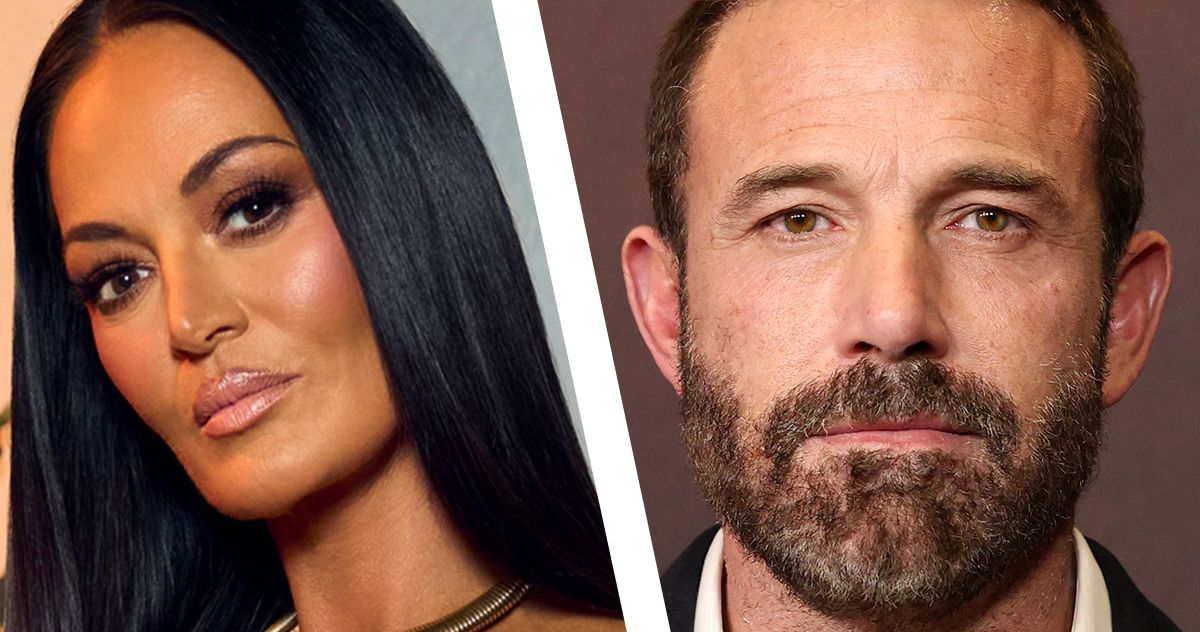
From Boston to the Wasatch Front: How Affleck Landed in Utah Reality TV Lore
The premise sounds like a joke you’d hear on Twitter: “If I had a nickel for every time a Utah reality star claimed to know Ben Affleck, I’d have two nickels—which isn’t a lot, but it’s weird that it happened twice.” Yet that’s basically the vibe of Vulture’s coverage, pointing out that Affleck has now become a repeat character in the extended universe of Utah-based reality shows.
Utah’s recent reality TV boom—anchored by RHOSLC and other locally shot series—thrives on mixing regional quirks (Mormon-adjacent culture, ski-town wealth, Instagram hustle) with big-coast celebrity glamour. Dropping a name like Ben Affleck is shorthand: I’m not just Utah famous, I orbit real Hollywood.
“Ben and Blake”: What Actually Happened on RHOSLC?
On the show, Lisa Barlow explains she can’t join a cast trip because she’ll “be with Ben and Blake.” In the coded language of Housewives, that kind of line does two things at once:
- Signals to the cast that she’s booked and busy with bigger, more glamorous commitments.
- Signals to viewers that she has access to a cooler, A-list-adjacent life off camera.
Later coverage notes that Ben Affleck reportedly says he doesn’t remember meeting Barlow, which is both completely plausible and comedy gold in the context of reality TV one-upmanship. Memory is fuzzy, encounters are quick, and celebrities meet hundreds of people at charity events, fashion shows, and branded activations. But for someone on a Bravo franchise, a fleeting interaction can be spun into a storyline.
“If I had a nickel every time a reality star living in Utah claimed to know Ben Affleck, I’d have two nickels, which isn’t a lot, but it’s weird that it happened twice, right?”

Name-Dropping as Currency in Modern Reality Television
The Affleck–Barlow micro-drama matters less as a fact-checkable story and more as a symptom of how reality TV works now. Fame is no longer just about what you do; it’s about who you can claim proximity to—whether that’s a shared photo, a mutual friend, or, in this case, being “with Ben and Blake.”
From an industry perspective, this is savvy television:
- Built-in virality: Mentioning a huge star like Ben Affleck practically guarantees social media chatter and entertainment coverage.
- Cross-branding potential: Even a one-sided Affleck mention ties Bravo’s RHOSLC into the broader Hollywood conversation.
- Character building: For Barlow, the line reinforces her image as a plugged-in, cosmopolitan “luxury” Housewife.
The tension comes when the other side of the name-drop—Affleck himself—politely deflates the hype. That disconnect between how big a moment feels for a reality star and how forgettable it is for an A-lister neatly captures the stratification of modern celebrity culture.

Ben Affleck’s Reluctant Cameo in the Reality TV Era
Ben Affleck has gone from tabloid mainstay in the 2000s to a more carefully managed, occasionally weary-looking public figure. His marriage to Jennifer Lopez and projects like Air and The Tender Bar keep him in the cultural bloodstream, but he rarely seeks out the kind of reality-adjacent attention that comes from being a punchline on Bravo or a meme on social media.
The fact that he doesn’t remember meeting Barlow isn’t just believable—it’s consistent with how A-list actors move through the world: fast, busy, and surrounded by handlers. For him, this is a non-story. For the internet, it’s perfect meme fuel: the movie star blissfully unaware of being drafted into the Housewives Cinematic Universe.

Utah, Bravo Culture, and the Myth of “Real” Access
What makes this story especially funny is the setting. Utah has long been seen, unfairly, as peripheral to mainstream American pop culture—more associated with ski resorts and religious conservatism than with red-carpet glamour. RHOSLC flips that script by insisting that Salt Lake has its own version of the 90210 lifestyle: high-end fashion, luxury homes, and, crucially, access to big-name celebrities.
That’s why “Ben and Blake” plays less like a lie and more like an aspirational flex. Even if the connection is flimsy—an event, a photo, a mutual acquaintance—it feeds into the fantasy that these women aren’t just regional personalities. They’re part of the larger entertainment ecosystem, even if that membership is mostly symbolic.

Why This Story Works—and Where It Falls Flat
As a piece of culture writing, Vulture’s framing of the Affleck–Utah saga hits several sweet spots:
- It’s self-aware and meme-friendly: The “two nickels” line mirrors how online audiences already talk.
- It’s low-stakes but revealing: No one’s career hinges on this, yet it says a lot about fame and perception.
- It’s specific: Zeroing in on Utah, Housewives, and Affleck gives it a unique angle.
At the same time, the story has its limits:
- It relies heavily on the reader already caring about Bravo drama and Affleck’s cultural afterlife.
- There’s only so far a single tossed-off line of dialogue can be stretched before it starts to feel like content for content’s sake.
The appeal isn’t in proving who’s “right,” but in watching how a tiny claim of access travels through the media ecosystem—from a confessional on Bravo to a headline on an entertainment site to jokes on social media.

So, What Does This Tiny Scandal Actually Tell Us?
Beneath the jokes, the Ben Affleck–Utah reality TV crossover is a case study in how fame functions in the streaming era. A-list celebrities like Affleck operate in one tier, while reality stars operate in another—but the system keeps incentivizing the lower tier to gesture upward, to prove their relevance through association, even when that association is fragile or half-remembered.
For viewers, it’s entertainment: a meme, a headline, a clip. For the industry, it’s a reminder that in a crowded content landscape, even a tossed-off name-drop can become a narrative engine. And for Ben Affleck, it’s probably just another day of not quite remembering everyone who swears they’ve hung out with him in Utah.
As reality TV continues to expand into new cities and subcultures, you can expect more of these micro-crossovers—fleeting moments when Hollywood’s old guard and the new influencer-reality class briefly collide, if only in someone’s confessional.
