
Beat Cold and Flu Season: Science-Backed Habits to Stay Healthy and Protect Others
Making It Through Cold and Flu Season Without Losing Your Mind
Cold and flu season has a way of sneaking up on you—one day everyone’s fine, and the next, half your office is coughing, your kid’s school sends yet another “exposure” email, and you’re eyeing every sneeze like it’s a warning siren.
You can’t completely prevent catching a cold or the flu, but you can greatly reduce your chances of getting sick and lower the risk of a severe case if you do. You can also make a big difference in whether you pass it on to others—especially people who are more vulnerable.
Drawing on up-to-date guidance from organizations like the CDC and WHO, plus real-world strategies that actually fit into busy lives, this guide breaks down how to move through cold and flu season with more control, less anxiety, and a lot more compassion—for yourself and the people around you.

“Think of cold and flu season like weather. You can’t stop the storm, but you can put a roof over your head.” — Infectious disease specialist, hospital system case conference (2025)
Why Cold and Flu Season Hits So Hard
Respiratory viruses like influenza, rhinoviruses (common cold), and others (including RSV and SARS‑CoV‑2) spread most easily when:
- People spend more time indoors with limited ventilation.
- Humidity drops, letting virus particles stay airborne longer.
- We’re traveling, gathering, and generally sharing more air and surfaces.
Even if you’re healthy, these infections can mean days of brain fog, missed work, and disrupted routines. For older adults, pregnant people, the immunocompromised, or those with conditions like asthma or heart disease, they can be genuinely dangerous.
How Colds and Flu Spread (and What That Means for You)
Most respiratory viruses use a few main highways to get from one person to another:
- Airborne particles: When someone breathes, talks, coughs, or sneezes, they release droplets and tiny aerosols that can be inhaled.
- Close contact: Being within about 1–2 meters (3–6 feet) of an infected person increases exposure.
- Contaminated surfaces: Touching a surface with virus on it and then touching your eyes, nose, or mouth can occasionally transmit infection.
This means the most powerful tools are ones that:
- Reduce how much virus you breathe in (ventilation, masks, spacing).
- Lower how much you spread if you’re sick (staying home, masking, hygiene).
- Prime your immune system to respond better (vaccination, sleep, general health).
Layered Protection: The Most Effective Ways to Reduce Your Risk
There’s no single magic habit that keeps you from getting sick. What works best is a layered approach—each layer adds a bit more protection, so together they make a real difference.
1. Stay Up to Date on Vaccines
Seasonal flu vaccines and updated COVID‑19 or other recommended vaccines remain the most powerful tools for reducing severe illness. You can still catch an infection, but your chances of hospitalization, complications, and long recovery times drop significantly.
- Get your flu shot once per season, ideally before peak activity in your area.
- Ask your clinician about updated COVID‑19, RSV (for eligible groups), and other respiratory vaccines.
- Plan vaccinations when you can take it easy for a day in case of mild side effects.
“The primary goal of vaccination isn’t perfection—it’s prevention of severe disease. That’s where we see the biggest payoff.” — Public health briefing, US CDC (2024)
2. Improve Air and Ventilation Where You Spend Time
Indoor air quality is one of the most underused levers. Respiratory viruses concentrate in poorly ventilated spaces.
- Open windows when practical, even for short periods.
- Use a HEPA air purifier sized correctly for your room.
- In shared spaces, sit a bit away from crowds and closer to open windows or vents.
3. Use High-Quality Masks Strategically
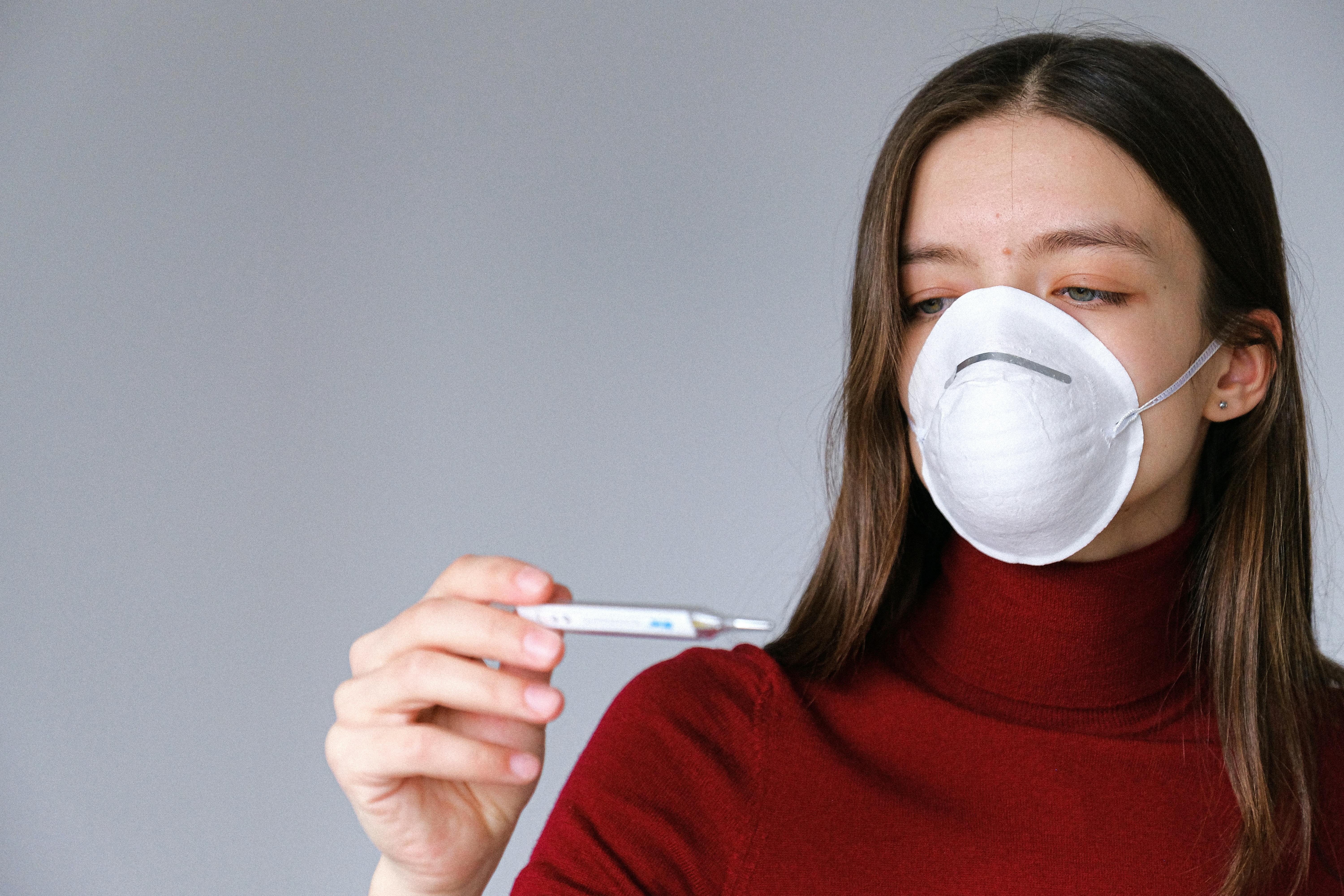
You don’t need to mask 24/7 for it to help. Target the highest‑risk moments: crowded public transport, clinics, pharmacies, or when you’re caring for someone who’s sick.
- Choose a well‑fitting respirator‑style mask (e.g., N95/FFP2 equivalents) when risk is high.
- Make sure it seals around your nose and cheeks; gaps reduce effectiveness.
- Even a good surgical mask is better than nothing if that’s what you have.
4. Practice Smart Hand and Surface Hygiene
While airborne spread is key, hand hygiene still matters—especially before touching your face or eating.
- Wash hands for at least 20 seconds with soap and water.
- Use alcohol‑based hand sanitizer when soap isn’t available.
- Routinely clean high‑touch surfaces like phones, keyboards, doorknobs, and remotes.

Supporting Your Immune System Without the Hype
Many “immune boosting” products overpromise. Your immune system is complex; you can’t flip a switch with a single supplement. But certain daily habits do have solid evidence for helping it function well.
1. Prioritize Sleep
Research consistently shows that people who regularly sleep less than 6–7 hours a night are more likely to catch viral infections after exposure. Sleep is when your immune system does critical “maintenance.”
- Aim for 7–9 hours of sleep for most adults.
- Keep a regular sleep/wake time, even on weekends when possible.
- Wind down with low‑light, low‑screen activities in the last 30–60 minutes.
2. Eat in a Way Your Immune System Likes
There’s no single “flu‑proof” food. But a pattern of eating that includes:
- Plenty of fruits and vegetables (for vitamins A, C, and phytonutrients).
- Lean proteins (for antibodies and repair processes).
- Healthy fats and whole grains to support long‑term health and energy.
can support a balanced immune response. If your diet is limited, talk with a clinician about whether specific supplements (like vitamin D, if you are deficient) make sense for you—avoid megadoses without medical guidance.
3. Manage Stress in Realistic Ways
Chronic stress can make colds and flu hit harder and take longer to recover from. You don’t need a perfect meditation practice to help—small, repeatable habits count:
- 5 minutes of slow breathing a couple of times a day.
- Short walks outside, especially if you spend a lot of time indoors.
- Simple boundaries, like not checking work email right before bed.
Feeling Sick? How to Avoid Spreading It
One of the most powerful things you can do during cold and flu season is to make it harder for viruses to hop from you to someone else—especially in the first few days of symptoms, when you’re often most contagious.
- Stay home when you can.
If you have a fever, new cough, sore throat, or feel acutely unwell, staying home from work, school, and social events makes a real difference. If your job doesn’t support sick days, consider talking with HR or your manager early in the season about policies and remote options. - Wear a mask around others.
If you must go out—for medical care, essential errands, or caregiving—wear a high‑quality mask and keep distance where possible. - Cover coughs and sneezes effectively.
Use the inside of your elbow or a tissue; throw tissues away promptly and clean your hands. - Ventilate shared spaces.
If you live with others, keep air moving: open windows, run purifiers, and spend time in larger or better‑ventilated rooms together when you must be in the same space.

What to Do at the First Sign of Symptoms
Catching a potential infection early doesn’t guarantee a quick recovery, but it does open more options and can reduce the odds of complications.
- Slow down. If possible, ease back on heavy physical or mental loads for the first 24–48 hours.
- Hydrate. Warm fluids (tea, broth) and water can help with throat discomfort and prevent dehydration, especially if you have fever.
- Use over‑the‑counter meds wisely. Pain relievers, decongestants, and throat lozenges can make you more comfortable. Always follow label instructions and check interactions if you’re on other medications.
- Consider testing. For flu and COVID‑19, early diagnosis can matter for antiviral treatments. Contact your clinician or local health services if you’re high‑risk or symptoms worsen.
Common Obstacles—and How to Work Around Them
Most people don’t skip preventive steps because they don’t care; they skip them because life is messy. Here are some frequent barriers and realistic ways to handle them.
“My job doesn’t really let me stay home sick.”
- Use sick days strategically for the most contagious period (early, feverish days).
- Ask about remote work options for mild illness if your role allows.
- When you do have to go in, combine masking, hand hygiene, and ventilation where you can.
“My kids bring everything home from school.”
- Keep their vaccines current and teach “cover and wash” routines early.
- Have them change clothes and wash hands after school during peak season.
- Ventilate and use an air purifier in shared family spaces.
“I’m exhausted already—I can’t add more to my life.”
Choose one or two high‑impact, low‑effort habits:
- Wearing a mask only on public transit or at the pharmacy.
- Cracking a window in your living room when guests are over.
- Keeping hand sanitizer by your front door and in your bag.
You don’t need perfection to see benefits; consistency with a few key actions goes a long way.
Bringing It All Together: A Practical, Sustainable Plan
Cold and flu season can feel inevitable, but you’re not powerless. By layering a few realistic habits—vaccination, smarter indoor air, strategic masking, solid hygiene, and early self‑care—you meaningfully lower your risk of getting seriously sick and reduce the chance of passing illness to others.
To get started, pick three actions you can commit to this week:
- Schedule any recommended vaccines you’re due for.
- Set up one air‑quality improvement (like opening windows at specific times or using a purifier where you spend the most time).
- Assemble a small “cold and flu kit” at home and in your bag so you’re prepared, not scrambling.
You don’t have to do everything to make a difference. Small, steady steps are enough to move you—and the people around you—through cold and flu season with a little more safety and a lot more peace of mind.
If you’re unsure which steps matter most for your situation or health conditions, use this guide as a starting list and then check in with your healthcare provider to personalize it. Your future, sniffle‑free self will thank you.
