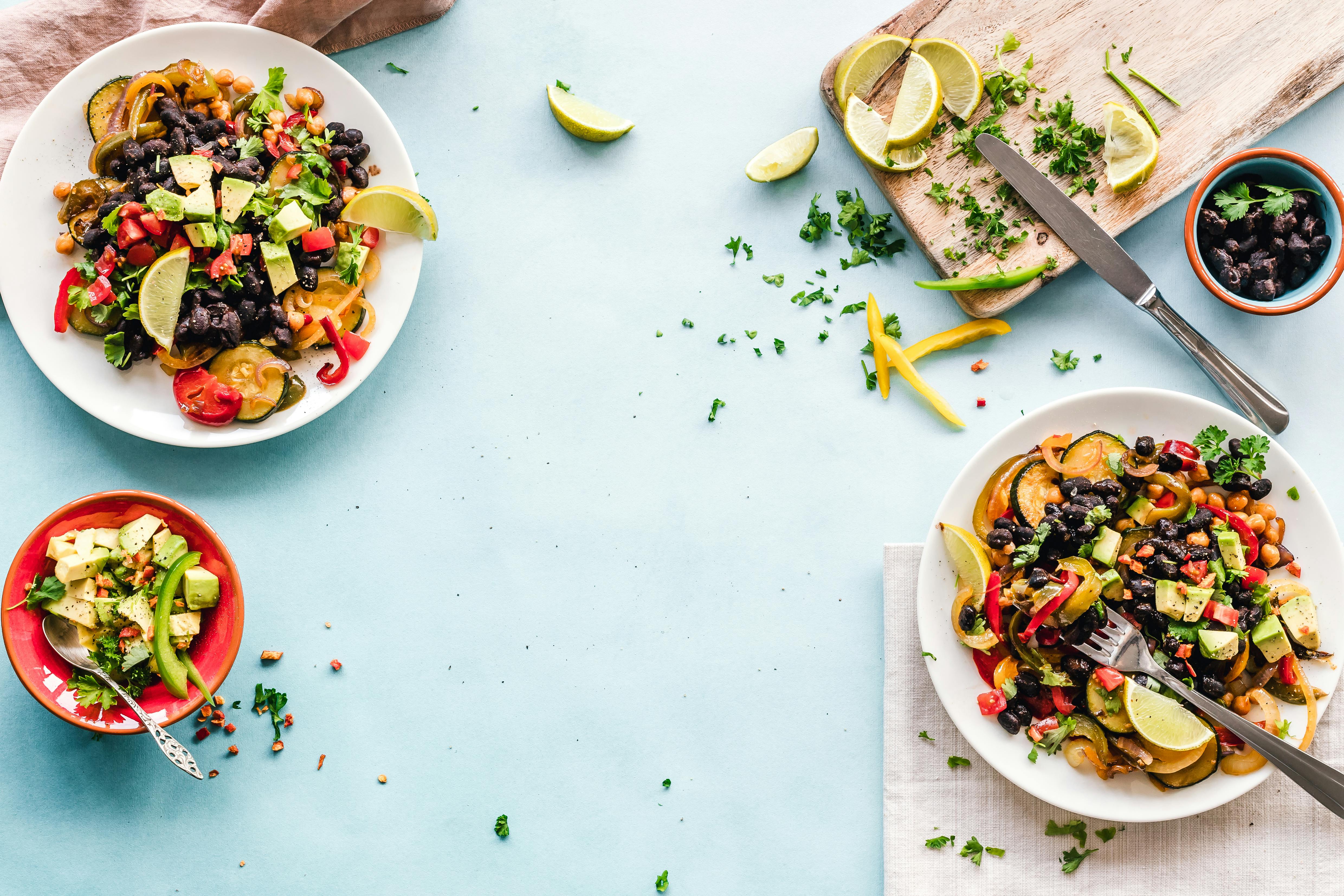
Are You Eating Too Much Protein? What Science Really Says About High-Protein Diets
Many people are increasing their protein intake to support weight loss, muscle gain, and overall health, but research suggests that excessively high-protein diets may carry risks for certain individuals. This article explains how much protein you actually need, what happens if you eat too much, and how to find a safe, balanced intake based on current scientific evidence.
Is There Such a Thing as Too Much Protein?
Protein has gone from a quiet nutrition staple to the star of the grocery aisle. From high-protein yogurts to shakes, bars, and even protein-packed cereals, it’s easy to assume that more is always better.
But as recent reporting from Live Science and other outlets highlights, some experts are asking an important question: Can you actually overdo protein? The short answer is yes — for some people, and at certain levels, very high intakes may do more harm than good.
In this guide, we’ll unpack what current research (up to early 2026) says about:
- How much protein most people really need
- What counts as “high” or “too high” protein intake
- Potential risks of chronic high-protein diets
- Who should be especially cautious
- How to find your own safe, effective protein range
Why Everyone Is Suddenly Eating More Protein
The latest U.S. dietary guidance has emphasized protein a bit more than in the past, in part to help:
- Support healthy aging and maintain muscle
- Preserve lean mass during weight loss
- Improve satiety and help manage blood sugar
At the same time, popular diets and fitness culture often push well beyond official guidelines. It’s not unusual for people to aim for 2–3 times the standard recommendation, sometimes without medical supervision.
“For most healthy adults, higher protein can be helpful, especially for muscle and weight management. But there is a ceiling where the benefits flatten out and potential downsides appear — particularly for people with underlying kidney or metabolic issues.”
— Registered Dietitian & Sports Nutrition Specialist (case example)
The real issue isn’t that protein is “bad” — it’s essential. The concern is that very high intakes, over long periods, may not be safe for everyone, and they can also crowd out other important nutrients if the overall diet becomes unbalanced.
How Much Protein Do You Really Need?
Protein needs vary with age, body size, health status, and activity level. But some broad, evidence-based ranges are widely accepted.
Baseline Recommendation (RDA)
The current Recommended Dietary Allowance (RDA) for adults is:
0.8 grams of protein per kilogram of body weight per day (0.36 g/lb)
- 68 kg (150 lb) adult → about 55 g protein/day
- 82 kg (180 lb) adult → about 65 g protein/day
The RDA is the minimal amount to prevent deficiency for most healthy people — it’s not necessarily the optimal amount for muscle building, aging, or athletic performance.
Optimal Ranges for Most Adults
Based on recent research reviews and sports nutrition guidelines, reasonable target ranges often fall between:
- 1.0–1.2 g/kg for generally healthy adults wanting to maintain muscle and manage appetite
- 1.2–1.6 g/kg for older adults, people in a calorie deficit, or those doing regular resistance training
- Up to ~2.0–2.2 g/kg for well-trained athletes under professional guidance

What Counts as “Too Much” Protein?
There is no single universal cutoff, because individual tolerance and risk depend on health status, kidney function, liver health, and overall diet quality. However, several expert reviews suggest a rough upper boundary for long-term intake in healthy adults:
- Intakes consistently above 2.0–2.2 g/kg/day for months or years may offer little added benefit and could increase risk in susceptible individuals.
- Some sports nutrition research has explored up to ~3.0–3.5 g/kg/day short term in very well-trained athletes, but these are specialized, closely monitored contexts, not everyday targets for the general public.
For an 80 kg (176 lb) person, 2.2 g/kg equals about 176 g of protein per day — far more than many people need, and more than many can comfortably sustain through whole foods alone.
“For healthy kidneys, moderate increases above the RDA aren’t usually a problem. The concern is chronic, very high intake, particularly when combined with other risk factors like diabetes, hypertension, or existing kidney damage.”
— Nephrologist, academic medical center (paraphrased from typical expert commentary)
Potential Risks of Very High Protein Intake
For most healthy people, modestly higher protein within the ranges mentioned earlier appears safe. The concerns arise when intakes are very high and long term, particularly in people with underlying health issues.
1. Kidney Strain in Susceptible Individuals
The kidneys help remove the by-products of protein metabolism. In people with existing kidney disease or decreased kidney function, excess protein can accelerate decline.
- Multiple guidelines recommend limiting protein in chronic kidney disease (CKD) unless a nephrologist advises otherwise.
- High-protein diets can increase glomerular filtration rate (GFR) and kidney workload.
For otherwise healthy individuals, current evidence (up to early 2026) suggests that moderately high protein (up to around 1.6–2.0 g/kg) is not clearly harmful to kidney function, but more data are needed for very long-term, very high intakes.
2. Displacement of Other Nutrients
High-protein diets often mean less room on your plate (and in your calorie budget) for:
- Fiber-rich fruits, vegetables, and whole grains
- Healthy fats (omega-3s, monounsaturated fats)
- Micronutrients like magnesium, potassium, and some vitamins
Long term, this imbalance can affect gut health, cardiovascular risk, and overall nutrient status — even if blood tests look “fine” in the short run.
3. Digestive Issues
People pushing very high protein often report:
- Constipation (especially with low fiber)
- Bloating or discomfort from large shakes and bars
- Changes in stool pattern or odor
Balancing protein with fiber, fluids, and whole foods can ease many of these symptoms.
4. Bone and Heart Health: Mixed Evidence
Older research raised concerns that high protein, particularly from animal sources, might:
- Increase calcium loss from bones
- Raise cardiovascular risk due to saturated fat and certain processing methods
More recent studies suggest that when calcium intake is adequate, protein (including higher intakes) can actually support bone health, especially in older adults. For heart health, the protein source matters more than total protein:
- Plant proteins (beans, lentils, soy, nuts, seeds) and lean animal sources (fish, poultry, low-fat dairy) are associated with better outcomes.
- High intakes of processed red meats and high-sodium cured meats are consistently linked with increased cardiovascular risk.
Who Should Be Especially Careful With High Protein?
Some people need more individualized guidance before significantly increasing protein.
- People with kidney disease or reduced kidney function
If you have chronic kidney disease, diabetic nephropathy, or abnormal kidney labs (e.g., elevated creatinine, reduced eGFR), high-protein diets can be risky. You should only change protein intake with guidance from your nephrologist or renal dietitian.
- People with liver disease
The liver plays a central role in amino acid metabolism. Cirrhosis, fatty liver with impaired function, or other liver disorders may require tailored protein prescriptions.
- People with diabetes or hypertension
Both conditions raise the risk of kidney damage over time. High-protein, especially from processed meats and high-sodium foods, may add extra strain.
- Individuals with a history of kidney stones
Very high intakes of animal protein can increase urinary calcium and uric acid, which may influence stone formation in susceptible individuals.
- Anyone using many supplements
Stacking multiple shakes, bars, and powders can quickly push total intake far above your needs, especially if you’re also eating protein-rich meals.
How to Find Your Personal Protein Sweet Spot
Instead of chasing the highest possible protein intake, a more effective and sustainable strategy is to aim for a personalized “sweet spot” — enough to support your goals without unnecessary risk or discomfort.
Step 1: Clarify Your Goal
- General health & appetite control: 1.0–1.2 g/kg
- Weight loss & muscle preservation: 1.2–1.6 g/kg
- Muscle gain / heavy training: 1.4–2.0 g/kg, with professional guidance at the higher end
Step 2: Check Your Current Intake
- Track everything you eat for 2–3 typical days using a reputable app or written log.
- Calculate your average daily protein in grams.
- Divide grams by your body weight in kilograms to find g/kg.
This quick snapshot often reveals that many people are already getting more protein than they realized — or that intake is very uneven from meal to meal.
Step 3: Adjust Gradually
If you decide to increase or decrease your protein:
- Change by 10–20 g per day at a time, not 60–80 g overnight.
- Spread protein across 2–4 meals (often 20–40 g per meal works well).
- Emphasize whole food sources first (beans, lentils, soy, fish, eggs, yogurt, lean meats).
- Use supplements mainly to fill gaps, not as your primary source.
A Real-World Case: From “More Is Better” to “Enough Is Best”
Consider a common scenario from nutrition coaching (details changed for privacy):
A 35-year-old recreational lifter, about 82 kg (180 lb), was consuming roughly 220–240 g of protein per day — close to 2.7–3.0 g/kg. His day included three large meat-heavy meals plus two protein shakes and a daily protein bar.
He felt constantly full, somewhat bloated, and struggled to eat enough vegetables or whole grains. Lab work was normal, but he worried after reading about kidney risks.
Working with a dietitian, he:
- Gradually reduced intake to about 140–160 g/day (~1.7–2.0 g/kg).
- Swapped one shake for a serving of fruit and nuts.
- Cut meat portions slightly and added beans and vegetables.
Over the next several months:
- His training performance and strength were maintained.
- Digestive comfort improved, and he reported “feeling lighter.”
- He found the diet easier to sustain and more enjoyable.
This doesn’t prove cause-and-effect, but it illustrates a common pattern: once you’re well above your needs, pushing protein even higher rarely brings extra benefits.
Practical Ways to Eat Enough — But Not Excessive — Protein
Here are some simple, realistic strategies you can start this week.
1. Aim for Balanced Plates
- ¼ plate: Protein (fish, chicken, tofu, beans, lentils, eggs, lean beef)
- ½ plate: Vegetables and fruit
- ¼ plate: Whole grains or starchy vegetables
- Include a small portion of healthy fat (olive oil, avocado, nuts, seeds)
2. Favor High-Quality, Less-Processed Sources
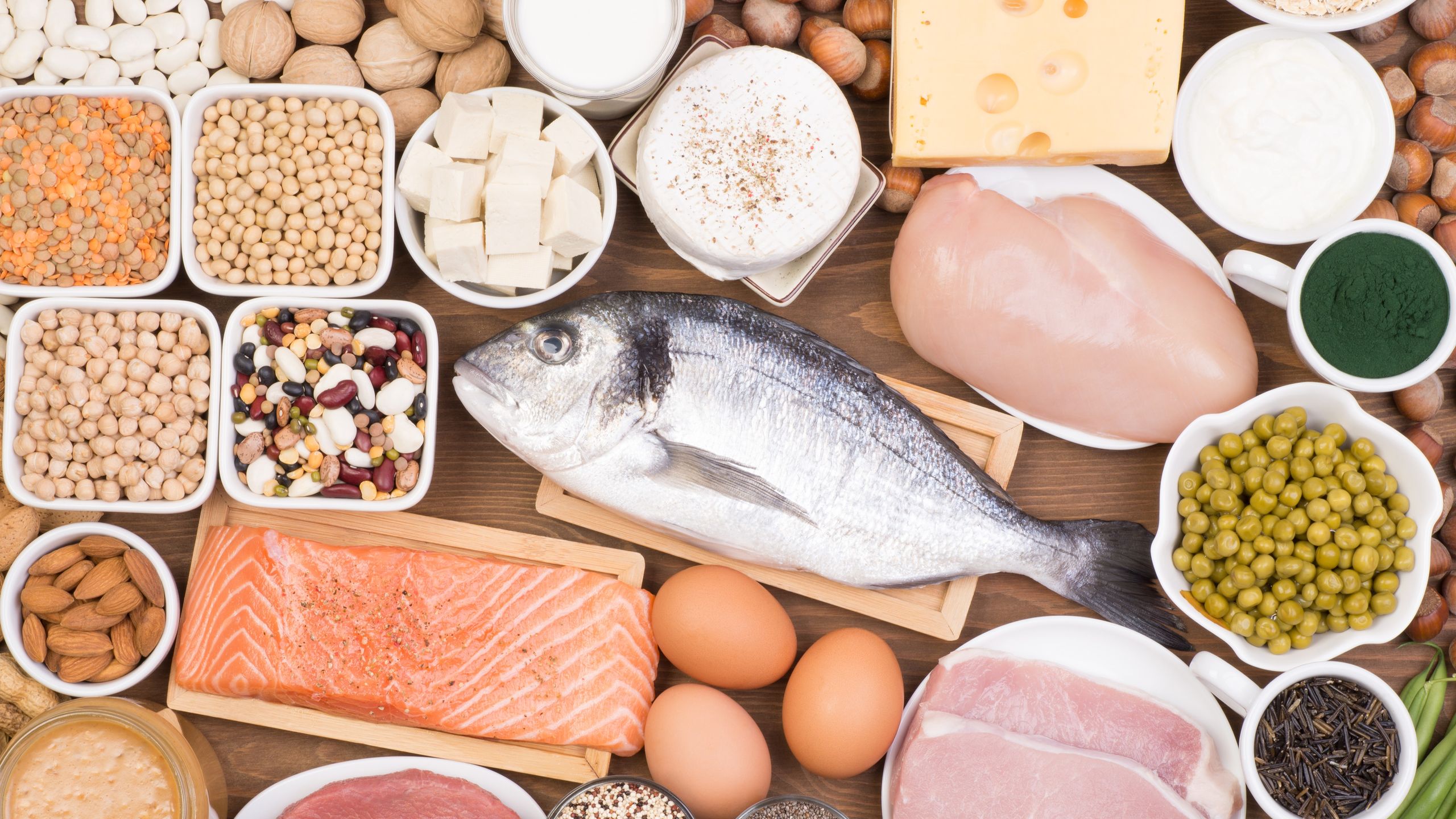
- Better choices: beans, lentils, chickpeas, tofu, tempeh, edamame, fish, eggs, Greek yogurt, cottage cheese, skinless poultry, nuts, and seeds.
- Limit: heavily processed meats (bacon, sausage, deli meats), deep-fried items, and high-sodium cured meats.
3. Treat Supplements as Tools, Not Staples
Protein powder can be helpful when:
- You’re on the go and can’t prepare a meal.
- You have higher needs (e.g., after surgery or intense training) and struggle to meet them with food alone.
But if multiple scoops a day push you far beyond your targets, consider:
- Reducing to 1 scoop/day or less.
- Replacing one shake with whole-food snacks like yogurt with fruit or hummus with whole-grain crackers.
Common Questions About Eating Too Much Protein
Does high protein automatically damage healthy kidneys?
Current evidence suggests that, in healthy people with normal kidney function, moderate increases in protein (e.g., up to around 1.6–2.0 g/kg) do not clearly cause kidney damage. However, high protein can be harmful when kidney disease is already present or evolving.
Can high protein help with weight loss?
Yes, within reason. Higher protein can:
- Improve satiety (help you feel full longer)
- Reduce muscle loss during calorie restriction
- Slightly increase energy expenditure through the thermic effect of food
But after a point, adding more protein doesn’t automatically produce more weight loss — and total calorie balance, food quality, sleep, and activity still matter greatly.
Is plant protein “better” than animal protein?
Both can fit into a healthy diet. In general:
- Plant proteins tend to come packaged with fiber, beneficial phytochemicals, and lower saturated fat.
- Animal proteins are typically more concentrated and contain all essential amino acids in each serving.
Many people benefit from making more of their protein plant-based, while still including lean animal sources if they choose.
Finding Your Balance: Protein as a Powerful, Not Problematic, Ally
Protein is one of the most helpful tools you have for supporting strength, metabolic health, and healthy aging — but it’s still just one piece of a much larger picture.
For most healthy adults:
- Intakes around 1.0–1.6 g/kg/day are a practical, evidence-supported sweet spot.
- Going much higher than this rarely adds extra benefit and may increase risk if you have kidney, liver, or metabolic conditions.
- The quality and overall pattern of your diet matter at least as much as the exact protein number.
If you’re unsure whether your current intake is appropriate, especially if you have any existing health issues, it’s wise to:
- Log your intake for a few days to see where you stand.
- Discuss the numbers with your clinician or a registered dietitian.
- Make small, sustainable adjustments rather than extreme changes.
You don’t need to chase the highest protein number to be healthy. Instead, aim for enough protein, consistently, within a balanced, enjoyable way of eating — and let the rest of your lifestyle (movement, sleep, stress, social connection) support the health you’re working toward.