
Are Celebrity Longevity Diets Worth the Hype? Inside Biohacking Meal Plans and Healthier Alternatives
Celebrity “longevity diets” are having a moment. Tech founders, actors, and wellness influencers are filming their fridges, logging every bite on wearables, and turning how I eat to live longer
into bingeable content. At the center of all this are glossy biohacking meal plans: time‑restricted eating schedules, plant‑forward bowls, and elaborate supplement stacks that promise sharper brains, calmer energy, and a gracefully aging body.
Beneath the hype, though, you’ll find flavors and habits that can absolutely fit into a cozy, home‑cooked kitchen: slow‑simmered beans, olive‑oil glossed vegetables, toasty nuts and seeds, and colorful fruit that perfumes the whole room. Let’s unpack what these celebrity longevity diets actually look like, what the evidence suggests, and how you can cook in a way that feels both nurturing today and supportive of your future self.
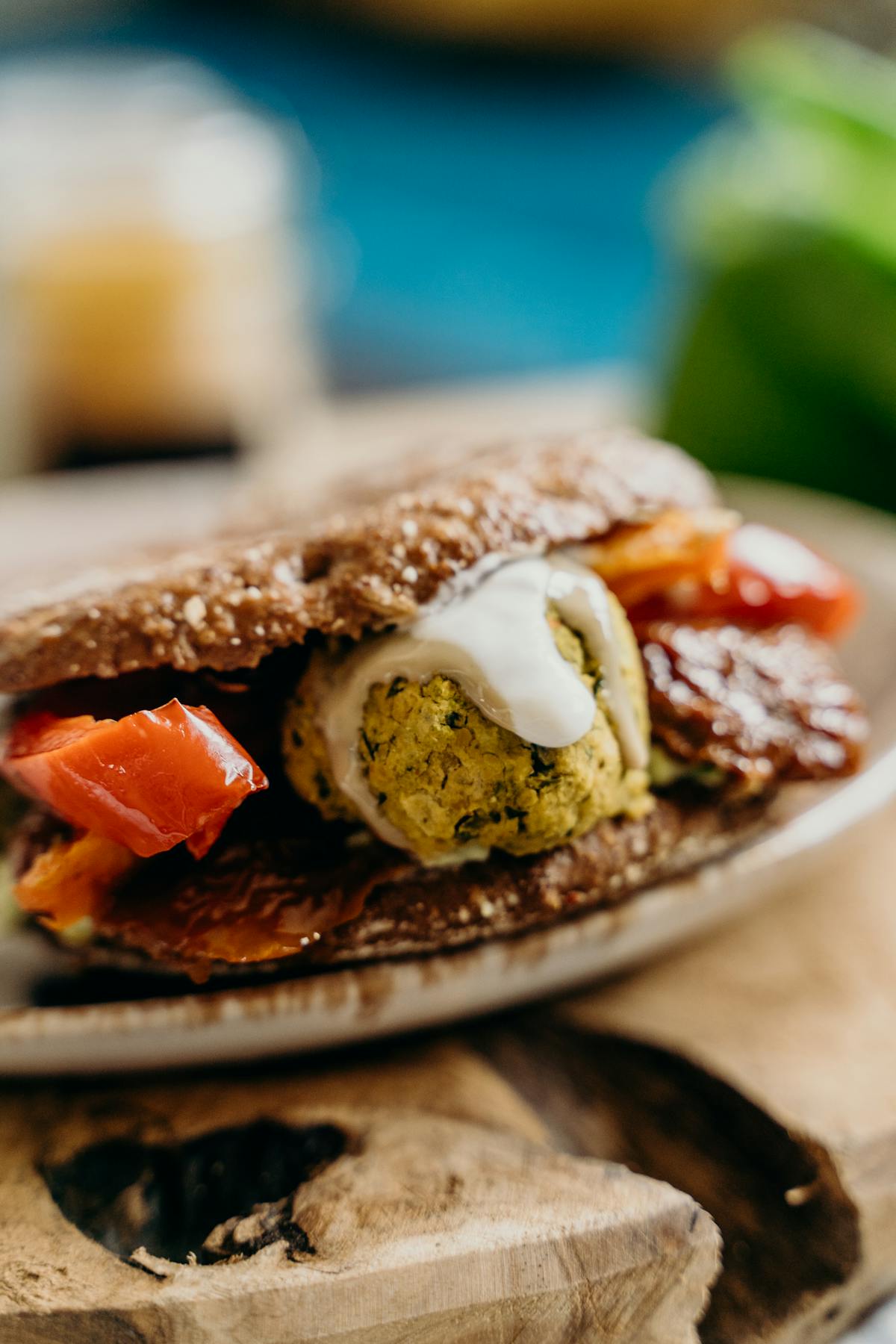
Imagine a big, warm bowl: nutty quinoa, lemony chickpeas, silky avocado, and crunchy radishes, all kissed with extra‑virgin olive oil. That’s the kind of food showing up again and again in longevity‑focused meal plans—and it’s something you can absolutely recreate at home without a lab test or a celebrity chef.
What Are Celebrity “Longevity Diets” and Biohacking Meal Plans?
In the last few years (and continuing into 2026), high‑profile entrepreneurs and celebrities have shifted the conversation from rapid weight loss to “healthspan”—how long we stay mentally sharp, physically capable, and independent. Their social feeds are full of:
- Time‑restricted eating windows like 16:8 or 14:10
- Plant‑heavy, Mediterranean‑inspired meals built around vegetables, legumes, and whole grains
- Minimal ultra‑processed snacks and sugary drinks
- Dialed‑in protein strategies to support muscle and satiety
- “Functional foods” such as berries, leafy greens, turmeric, and green tea, touted for brain and heart health
- Long lists of supplements and nootropics, from vitamin D and omega‑3s to adaptogens like ashwagandha
You’ll often see these routines paired with continuous glucose monitors, sleep‑tracking rings, and regular blood work. The message is that every meal is a data point. That can feel exciting and motivating—or exhausting and performative, depending on your personality and past relationship with food.
Time‑Restricted Eating: The Celebrity Fasting Window
Time‑restricted eating (TRE), sometimes called intermittent fasting, is one of the most visible pieces of celebrity longevity routines. The idea is simple: concentrate your calories into a daily eating window and fast for the remaining hours.

Common patterns include:
- 16:8 — Fast for 16 hours, eat within an 8‑hour window (for example, 11 a.m.–7 p.m.).
- 14:10 — Slightly gentler, with a 10‑hour eating window.
Proponents point to potential benefits like improved insulin sensitivity, better blood sugar control, and cellular “house‑cleaning” processes (autophagy). Human research is promising but still evolving, and results vary between individuals.
Plant‑Forward, Mediterranean‑Inspired Plates
When you look past the gadgets, most celebrity longevity diets lean on a familiar, deeply researched pattern: lots of plants, healthy fats, and modest portions of animal protein. Think of the Mediterranean diet, then tilt it even more toward vegetables and legumes.
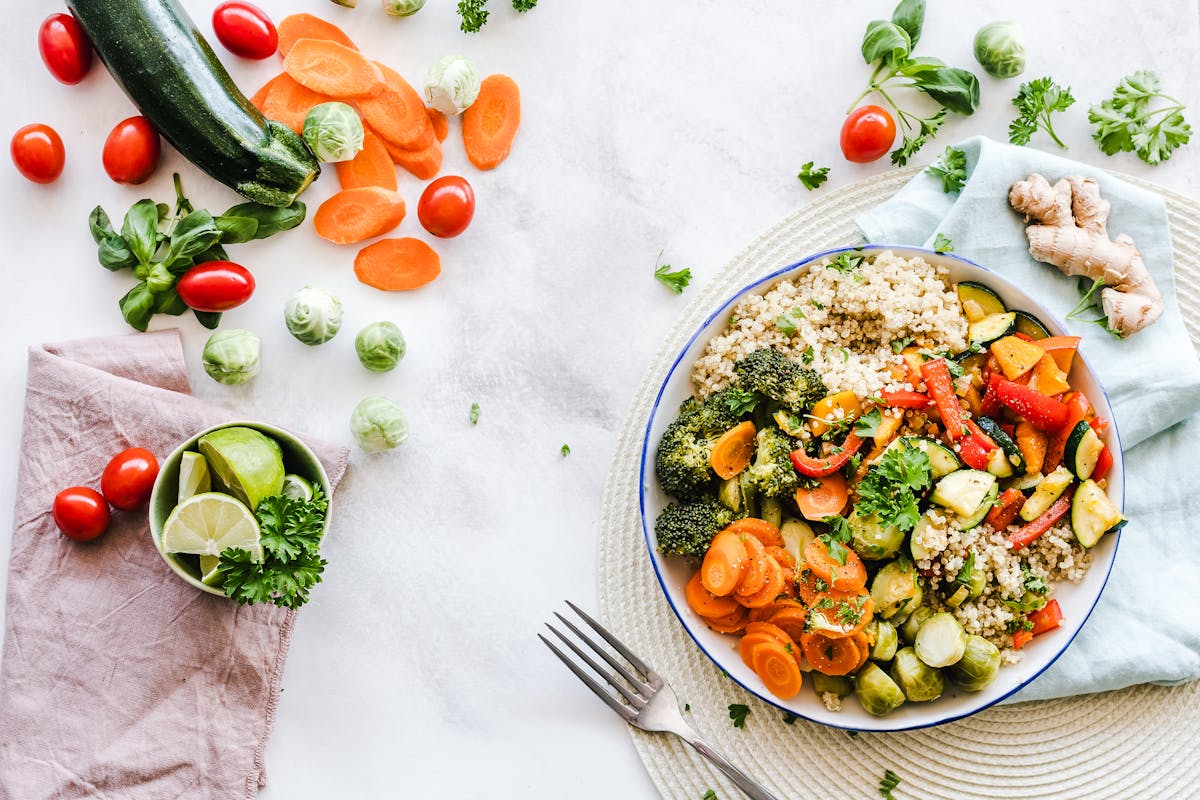
In practical, home‑cook terms, that often means:
- At least half your plate covered in vegetables (raw, roasted, sautéed, or grilled).
- Regular servings of beans, lentils, tofu, or tempeh for hearty, fiber‑rich protein.
- Whole grains like farro, quinoa, brown rice, or barley instead of refined white grains.
- Daily use of extra‑virgin olive oil for cooking and finishing.
- Frequent fish or seafood and only occasional red meat.
Research continues to associate Mediterranean‑style and plant‑forward diets with lower risk of cardiovascular disease and all‑cause mortality. From a sensory perspective, this style of eating is a dream: the peppery perfume of olive oil, the sweetness of roasted carrots, the gentle bitterness of leafy greens, and the satisfying chew of good whole grains.
Low Ultra‑Processed Food: From Snack Aisle to Home Kitchen
Another thread that ties many celebrity biohacking plans together is a deliberate move away from ultra‑processed foods—things like sugary breakfast cereals, packaged pastries, chips, and soda—and toward simple ingredients you could imagine growing, grinding, or cooking yourself.

That doesn’t mean you must cook every single thing from scratch. Instead, it’s about making minimally processed foods the default:
- Plain yogurt topped with fruit and nuts instead of flavored dessert‑style cups.
- Whole‑grain toast with hummus instead of chips and dip.
- Frozen berries, spinach, and oats for smoothies instead of sugary mixes.
For many people, this shift brings steadier energy and fewer blood‑sugar rollercoasters. Flavor‑wise, you start to notice the natural sweetness of a ripe peach or the depth of slowly caramelized onions—sometimes dulled by ultra‑processed foods.
How Much Protein? The Longevity vs. Muscle Debate
Protein is where celebrity longevity diets often diverge. Some camps advocate for moderate protein with a strong emphasis on plant sources, while others—especially those prioritizing athletic performance and muscle maintenance with age—aim for higher intakes, around 1.6–2.0 g/kg of body weight.

Common elements include:
- Beans, lentils, chickpeas, tofu, and tempeh as daily staples.
- Fish, eggs, and fermented dairy (like yogurt or kefir) in moderate amounts.
- Occasional poultry and limited red meat.
From a cooking perspective, this opens the door to deeply satisfying dishes: smoky lentil soups, crisp‑edged tofu in garlicky sauces, slow‑cooked chickpeas that almost melt on your tongue. Protein doesn’t have to be bland or joyless to be “functional.”
Functional Foods and “Superfoods” in Longevity Diets
Many celebrity routines highlight specific “longevity foods” for their antioxidant, anti‑inflammatory, or brain‑supportive properties. You’ve probably seen:
- Blueberries and dark berries
- Dark leafy greens like kale, spinach, and chard
- Cruciferous vegetables such as broccoli, cabbage, and Brussels sprouts
- Green tea and matcha
- Spices like turmeric and ginger
- Omega‑3‑rich fish or algae oil
These foods are genuinely nutrient‑dense, but no single ingredient is magic. What matters most is the pattern: plenty of colorful plants, healthy fats, and variety over weeks and months.
From a sensory standpoint, “functional foods” are far from clinical. Think of the floral aroma of freshly brewed green tea, the sweet‑tart pop of blueberries over creamy yogurt, the earthy warmth of turmeric roasted cauliflower. Longevity eating can—and should—taste wonderful.
Supplement Stacks: Where Caution is Especially Important
Many celebrity biohacking routines feature long supplement lists: vitamin D, omega‑3s, magnesium, creatine, collagen, and an alphabet of nootropics and adaptogens. Some of these are backed by reasonable evidence for specific people; others are more speculative.
Key considerations:
- More is not always better; high doses can interact with medications or cause side effects.
- Quality control varies; third‑party testing can help, but isn’t a guarantee.
- Most people benefit more from adjusting food, sleep, movement, and stress than from adding exotic pills.
When Healthy Eating Turns Into a Performance
One concern experts raise about celebrity longevity diets is psychological. When every bite is tracked, scored, and shared, it’s easy to slip into an all‑or‑nothing mindset—feeling like you’ve “failed” if you eat outside your window, skip a supplement, or crave dessert.
Over time, that can strain your relationship with food, especially if you have a history of restrictive eating. Nourishing yourself for a long, vibrant life should feel sustainable, flexible, and kind, not like a never‑ending test you can fail.
The most longevity‑supportive meal is one you can enjoy, digest comfortably, and repeat in some form again and again—without anxiety.
It’s perfectly compatible to care about aging well and to savor a slice of birthday cake, a cozy bowl of pasta, or your family’s traditional comfort food. In fact, the social and emotional joy of shared meals is part of what supports wellbeing over a lifetime.
A Practical Longevity‑Inspired Recipe: Mediterranean Chickpea & Quinoa Power Bowl
To bring all these ideas into your own kitchen, here’s a flexible, plant‑forward bowl that echoes many longevity‑diet themes: whole grains, legumes, plenty of vegetables, healthy fats, and bright, satisfying flavors. It’s naturally vegetarian, easily made vegan and gluten‑free, and works beautifully for meal prep.
Prep Time: 20 minutes
Cook Time: 20 minutes
Total Time: 40 minutes
Servings: 4 bowls
Difficulty: Easy, beginner‑friendly
Ingredients
For the bowl:
- 1 cup (190 g) dry quinoa, rinsed
- 2 cups (480 ml) low‑sodium vegetable broth or water
- 1 can (15 oz / 400 g) chickpeas, drained and rinsed
- 2 cups (about 300 g) cherry tomatoes, halved
- 1 medium cucumber, diced
- 1 small red onion, finely chopped
- 2 cups (about 60 g) baby spinach or mixed greens
- 1/2 cup (75 g) pitted Kalamata olives, halved
- 1/3 cup (50 g) crumbled feta cheese (omit for vegan)
- 1 large avocado, sliced
- 1/4 cup (30 g) toasted pumpkin seeds or chopped walnuts
For the lemon‑olive oil dressing:
- 1/4 cup (60 ml) extra‑virgin olive oil
- 3 tbsp (45 ml) freshly squeezed lemon juice
- 1 small garlic clove, very finely minced
- 1 tsp dried oregano
- 1/2 tsp ground cumin
- 1/4 tsp ground turmeric (optional, for color and aroma)
- Sea salt and freshly ground black pepper, to taste
- Handful of fresh parsley or mint, chopped (for garnish)
Equipment
- Medium saucepan with lid
- Cutting board and sharp knife
- Colander or fine‑mesh strainer (for rinsing quinoa and chickpeas)
- Mixing bowl and whisk or jar with lid (for dressing)
- Measuring cups and spoons
- 4 serving bowls or meal‑prep containers
Step‑by‑Step Instructions
Cook the quinoa.
Rinse the quinoa under cold running water in a fine‑mesh strainer; this removes any bitterness.In a medium saucepan, combine the quinoa with the vegetable broth or water and a pinch of salt. Bring to a gentle boil over medium‑high heat, then reduce the heat to low, cover, and simmer for about 15 minutes, until the liquid is absorbed and the grains look fluffy and translucent.
Remove from the heat and let sit, covered, for 5 minutes. Then fluff with a fork; you’ll see tiny curls releasing steam and a warm, nutty aroma.
Prepare the vegetables and chickpeas.
While the quinoa cooks, halve the cherry tomatoes, dice the cucumber, finely chop the red onion, and roughly chop the spinach if the leaves are large.Drain and rinse the chickpeas until they no longer foam. Shake off excess water—this helps them soak up the dressing later.
Make the lemon‑olive oil dressing.
In a small bowl or jar, combine the olive oil, lemon juice, minced garlic, oregano, cumin, turmeric (if using), and a pinch of salt and pepper.Whisk or shake until slightly thickened and fragrant. Taste: you should get a bright lemony tang balanced by the richness of the olive oil. Adjust seasoning as needed.
Assemble the base.
Divide the warm quinoa among 4 bowls. Pile the spinach or mixed greens on top; the residual heat will soften the leaves just a little, without wilting them fully.Add the toppings.
Scatter the chickpeas, tomatoes, cucumber, red onion, and olives evenly over each bowl. The colors should be vibrant: deep greens, ruby reds, inky purple olives.Dress and garnish.
Drizzle each bowl generously with the lemon‑olive oil dressing. Top with avocado slices, crumbled feta (if using), pumpkin seeds or walnuts, and chopped parsley or mint.Finish with a final pinch of salt and freshly ground black pepper. Take a moment to inhale: you should catch lemon, herbs, and the gentle savoriness of olive oil and garlic.
Serve or store.
Enjoy right away, while the quinoa is still slightly warm and the vegetables are crisp. For meal prep, let the components cool, then refrigerate in airtight containers for up to 3 days. Add avocado just before serving to keep it fresh and bright.
Variations, Substitutions, and Dietary Adaptations
Storage & Reheating
- Fridge: Store the quinoa, chopped vegetables, and chickpeas together, and keep the dressing and avocado separate. Everything keeps well in the refrigerator for up to 3 days.
- Reheating: This bowl is excellent cold or at room temperature. If you prefer it warmer, briefly warm the grain and chickpeas in a pan or microwave, then add fresh vegetables and dressing.
- Meal prep tip: Portion into individual containers with space for the avocado on top. Add the dressing just before eating to keep textures bright and crisp.
Serving Suggestions & Complementary Dishes
To turn this bowl into a full longevity‑inspired spread, you might serve it with:
- A side of garlicky sautéed greens (like kale or chard) with a squeeze of lemon.
- A simple lentil soup or vegetable‑rich minestrone.
- Fresh fruit for dessert, such as orange slices with a dusting of cinnamon and chopped pistachios.
- A cup of green tea or herbal tea to echo the “functional beverage” theme in many longevity routines.
Together, these pieces create a meal that feels aligned with the spirit of celebrity longevity diets—colorful, plant‑forward, and deeply satisfying—without demanding perfection, expensive gadgets, or extreme restriction.
How to Borrow the Best of Longevity Diets—Without the Hype
You don’t need celebrity resources or a biohacking lab to eat in a way that supports long‑term health. When you strip away the branding, most longevity‑supportive patterns come down to:
- Plenty of plants: vegetables, fruits, whole grains, legumes, nuts, and seeds.
- Healthy fats, especially from extra‑virgin olive oil, nuts, seeds, and fish.
- Limited ultra‑processed snacks and sugary drinks.
- Enough protein to maintain strength and function as you age.
- Eating patterns that feel sustainable, flexible, and kind to your mental health.
The real magic lies in rituals you can repeat for years: a Sunday pot of beans that perfumes the house, a weeknight sheet pan of roasted vegetables in golden olive oil, a simple grain bowl you can build in your sleep. That’s the quiet, delicious work of longevity—and it’s available to you in your own kitchen, one meal at a time.
