
Andrea Bocelli and Mariah Carey Set to Light Up the Milan Cortina 2026 Winter Olympics Opening Ceremony
Milan Cortina 2026: When Opera Royalty Meets Pop Icon at the Opening Ceremony
Andrea Bocelli and Mariah Carey are confirmed as headline performers for the Milan Cortina 2026 Winter Olympics opening ceremony on February 6, a star-powered move that blends Italian grandeur with global pop spectacle and signals how seriously organizers are treating this first split-city Winter Games. It’s not just another Olympics show; it’s a carefully engineered mash-up of stadium spectacle, national branding, and global streaming-era expectations.
Announced in January 2026, the pairing of crossover tenor Bocelli with one of the most commercially successful voices in pop history immediately reframed the Milan Cortina narrative: yes, there will be skiing and skeleton runs, but there will also be power ballads, arena-ready arias, and plenty of social media moments designed to travel far beyond sports pages.
Why This Opening Ceremony Matters for Milan Cortina 2026
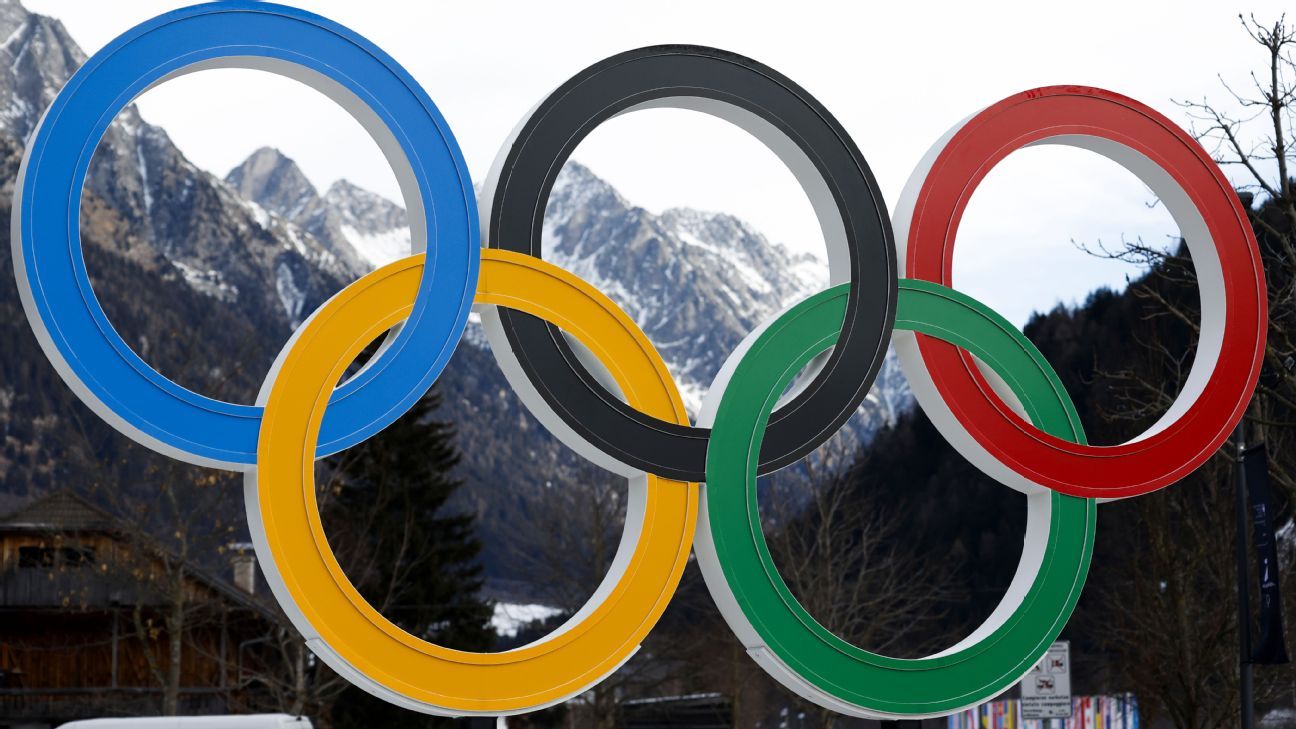
Milan Cortina 2026 is the first Winter Olympics formally split between a major metropolis (Milan) and a storied mountain resort (Cortina d’Ampezzo). From an industry perspective, the opening ceremony becomes the branding engine that has to sell both: Milan’s fashion-capital gloss and Cortina’s old-world Alpine charm.
After the largely spectator-free Tokyo 2020 and the tightly controlled Beijing 2022 Games, Milan Cortina arrives at a moment when the Olympic movement is under pressure to prove it can still stage a truly global, in-person celebration. Securing Bocelli and Carey telegraphs ambition: organizers clearly want something closer to London 2012’s pop-cultural blitz than a purely symbolic pageant.
The choice of performers also feeds into Italy’s broader soft-power strategy—leveraging culture and music as much as sport. Bocelli embodies a kind of exportable Italian prestige, while Carey guarantees mainstream pop appeal and international TV ratings, especially in North America and Asia.
Andrea Bocelli: Italy’s Crossover Ambassador on the World Stage
Andrea Bocelli is almost a default choice when Italy wants to present a carefully curated version of itself to the world: operatic, emotional, and comfortingly familiar. From his Con te partirò era in the 1990s to appearances at global sporting events and state occasions, he’s become shorthand for “serious” music that still plays well in stadiums and on streaming platforms.
For Milan Cortina, Bocelli offers two advantages. First, he brings instant legitimacy to a ceremony that will likely lean heavily into Italian heritage—expect orchestrations, classical motifs, and 4K drone shots of the Dolomites timed to crescendoing high notes. Second, his “crossover” profile bridges an older TV audience and a younger crowd that mostly knows him via playlists and viral clips.
“Music has this incredible power to unite people beyond borders and languages. At the Olympics, that mission feels even more meaningful.”
While details of his exact setlist have not been fully disclosed as of mid-January 2026, industry chatter leans toward a medley approach: a recognisable hit such as “Time to Say Goodbye” woven into newly arranged Olympic-themed material, likely accompanied by a massive choir and full orchestra.
Mariah Carey: Pop Royalty Joins the Winter Games
Mariah Carey’s presence signals something different: this is not just a classical showcase, but a full-blown pop event with global streaming in mind. With five-octave range, a back catalogue of chart-toppers, and a carefully maintained “diva” persona, Carey brings recognisable IP in the form of songs that have lived on radio, TikTok, and holiday playlists for decades.
From a show-design standpoint, Carey is the obvious centerpiece for the more theatrical portions of the night. Expect big costume changes, LED-heavy staging, and arrangements tailored to a worldwide broadcast. There’s also a strategic timing angle: Milan Cortina lands not long after Carey’s usual winter holiday media cycle, so she arrives with fresh visibility.
“The Olympics are about dreams, resilience and those once-in-a-lifetime moments. As a performer, that’s the energy you always chase.” — Mariah Carey, in recent promotional press for her 2025–26 tour
The main creative risk lies in tone. Carey is associated with high-gloss pop and holiday dominance; a Winter Olympics ceremony has to walk the line between sincere and camp. If the production finds a way to stage her in a way that feels epic rather than kitschy—think orchestral re-arrangements and smart visual storytelling—it could become one of the most replayed opening-ceremony moments of the streaming era.
Balancing Tradition and Spectacle: What the Ceremony Might Look Like
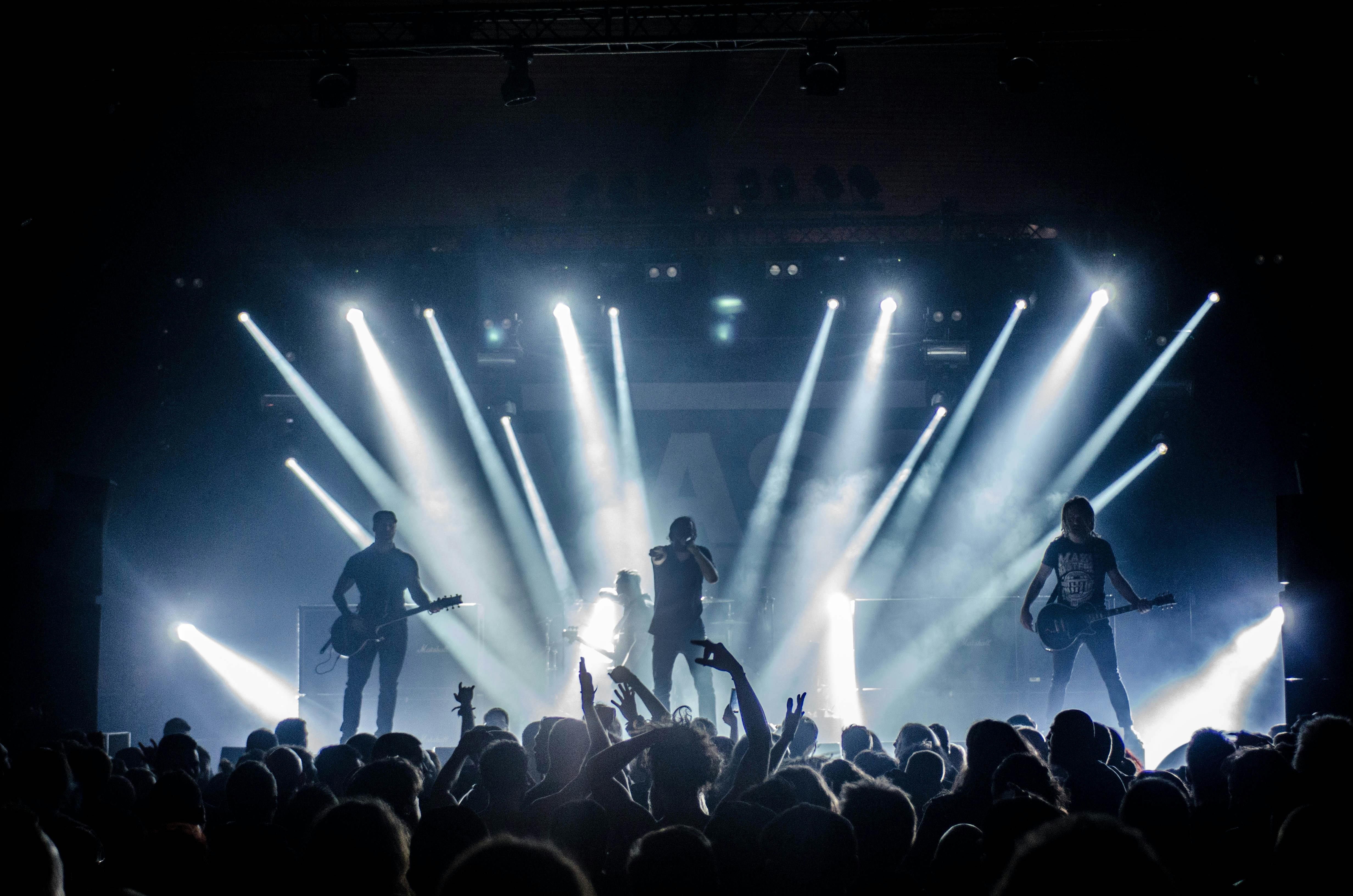
Opening ceremonies are, at heart, three competing shows in one:
- a live experience for the stadium crowd,
- a meticulously directed global broadcast, and
- a chopped-up library of short clips meant for social media.
Milan Cortina has to add a fourth layer: reconciling Milan’s hyper-modern identity with Cortina’s vintage ski-resort aura. In that context, Bocelli and Carey are more than just names—they’re narrative tools. Bocelli can anchor the “heritage” sections: Italy’s musical history, its operatic tradition, its religious and civic rituals. Carey can take over once the show shifts to dance-heavy pop, fashion-forward visuals, and sponsor-friendly segments.
If past ceremonies are any indication, expect:
- Iconic Italian imagery: projections of Renaissance art, fashion references, and Dolomite landscapes.
- Hybrid performances: Bocelli paired with contemporary dancers; Carey with orchestral backing or cross-genre collaborations.
- Technology-led staging: drones, AR graphics for TV viewers, and programmable LED costumes.
Star Power vs. Substance: A Critical Look
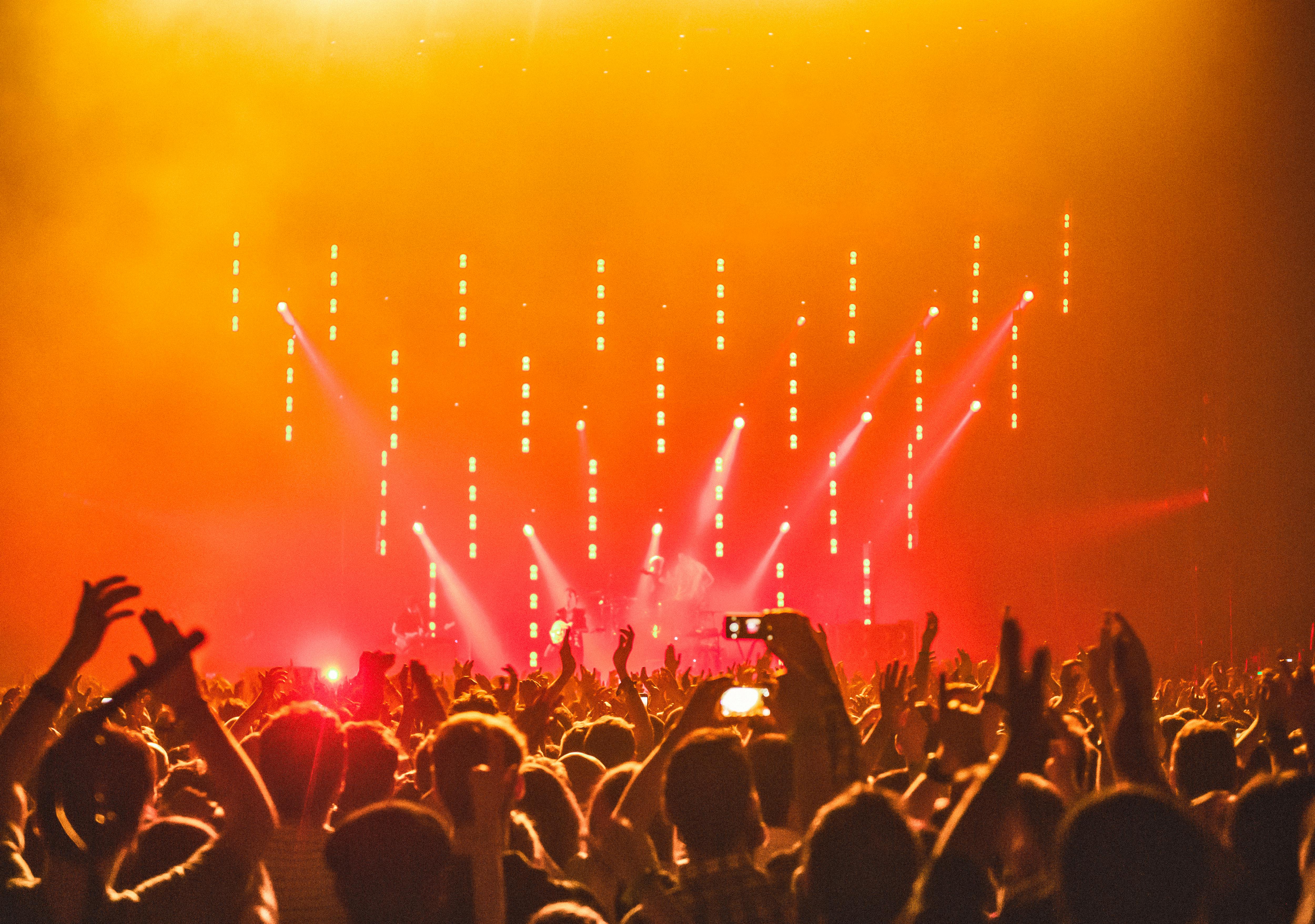
There’s an obvious upside to booking Bocelli and Carey: instant global attention. But there are also questions. Does leaning so heavily on legacy stars risk making the ceremony feel like a greatest-hits gala rather than a forward-looking event? Will there be enough space for emerging Italian and international artists to break through on what is arguably the biggest stage of the decade?
From a cultural-policy angle, Italy walks a tightrope. The Games are a tool for tourism and investment, but also for showcasing contemporary creativity. If the ceremony foregrounds only safe, globally neutral content, it may miss the chance to highlight more daring or politically charged work from its own artistic scenes. Conversely, in an era when every Olympics is scrutinized for cost and relevance, a familiar, emotionally direct show might be exactly what a worldwide audience wants.
Accessibility is another key metric under WCAG-era expectations. With visually intensive staging and complex audio mixes, organizers will be under pressure to ensure descriptive commentary, clear sound design, and camera work that doesn’t leave viewers with sensory overload—areas where recent Olympics have sometimes drawn criticism.
Industry Takeaways: The Business of Olympic Performances
From the entertainment industry’s point of view, Milan Cortina is a case study in event synergy:
- Catalog streaming spikes: Both Bocelli and Carey can expect significant bumps in catalogue streams around the ceremony, especially if bespoke arrangements or new recordings are released.
- Touring leverage: Olympic exposure often feeds directly into world tours, residencies, and brand deals announced in the months after the Games.
- Brand partnerships: Fashion, luxury, and tech sponsors tied to Milan and Cortina will likely integrate ceremony visuals into campaigns.
For the Olympics themselves, the casting reflects a shift toward safer, globally recognisable stars rather than regionally specific acts that might not translate across markets. It’s a conservative but understandable play in a media environment dominated by quick takes and highlight reels.
Looking Ahead: Can Milan Cortina Deliver a Defining Olympic Moment?
With Andrea Bocelli and Mariah Carey now attached, the Milan Cortina 2026 opening ceremony is positioned to be one of the most watched entertainment events of the decade—part concert, part nation-branding exercise, part global group-therapy session after several turbulent Olympic cycles.
The real test will be whether the show can transcend its own star casting: using Bocelli’s gravitas and Carey’s pop fireworks not just as spectacle, but in service of a coherent story about Italy, winter sports, and what the Olympics still mean in an era of fragmented attention. If it succeeds, February 6, 2026, could join the short list of opening nights that people actually remember—not just as a sports ritual, but as a genuine piece of live performance history.
