
AEW New Year’s Smash: Nightingale’s Gold, Omega’s Warning, and a Wild Omaha Finale
AEW Dynamite New Year’s Smash on December 31, 2025, felt less like a throwaway holiday special and more like a mission statement for 2026. From Willow Nightingale finally winning the TBS Championship to Kenny Omega drawing a bullseye on MJF, AEW used its Omaha stop on TBS and HBO Max to reset the board heading into the new year.

Below is a match-by-match breakdown, with analysis of the booking, in-ring work, and what each segment suggests for AEW’s evolving landscape.
AEW New Year’s Smash 2025: Why This Special Mattered
The New Year’s Smash branding has been part of AEW’s calendar since the early TNT era, usually serving as a bridge between winter storylines and whatever big program is circled for Revolution season. In 2025, that role felt amplified: AEW is juggling cable (TBS) and streaming (HBO Max), integrating newer signings, and rehabbing some long-term stars after injury and burnout-heavy 2024 storylines.
Running Omaha might not sound glamorous in a wrestling sense, but it’s representative of AEW’s current touring strategy: strong mid-sized markets that reliably turn out for TV tapings, especially when they get title matches and marquee names like Omega and MJF on the same show.
AEW Dynamite New Year’s Smash 2025 – Full Results Overview
While the show was driven by two headline stories—Willow Nightingale’s coronation and Kenny Omega confronting MJF—the undercard quietly did a lot of heavy lifting. Here’s a structured look at the key outcomes as aired:
- TBS Championship: Willow Nightingale def. [Champion] to win the title.
- World Title Picture: Kenny Omega segment targeting AEW World Champion MJF.
- Tag division bout advancing #1 contender stakes.
- Mid-card singles showcase featuring rising talent.
- A multi-person match designed to keep several feuds simmering.
AEW continues its trademark approach: use a themed Dynamite not just for spectacle, but to move multiple long-term storylines incrementally. New Year’s Smash checked that box, even if not every match felt essential.
Willow Nightingale Wins the TBS Championship: A Feel-Good Payoff with Real Stakes

The emotional centerpiece of the night was Willow Nightingale finally grabbing singles gold by capturing the TBS Championship. In a division that’s occasionally drifted in focus, Willow has consistently been one of the most organically over acts: a mix of 90s babyface energy, modern charisma, and credible ring work.
“I want people to feel good when they see me wrestle, but I also want them to know I earned every second in that ring.”
The match itself leaned into Willow’s resilience: extended control segments by the champion, several near-falls that flirted with heartbreak, and a closing stretch built around Willow’s power offense and crowd connection. Structurally, it was traditional in the best way—no overbooked finish, just an emphatic win that felt deserved.
What This Means for the TBS Division
- Reset Champion: Willow is a crowd-friendly face of the brand, ideal for TV and streaming cross-promotion.
- Built-in Challengers: Past opponents and recent rivals now have a logical path to challenge her through Q1 2026.
- Merch & Marketing: AEW has often struggled to fully capitalize on warm, broadly appealing babyfaces. This is a chance to fix that.
If there’s a critique, it’s that the build could have been even stronger with more promo time and video packages highlighting Willow’s journey. Still, as a moment, the title change landed—this felt like AEW trusting the audience’s long memory and rewarding it.
Kenny Omega Calls His Shot on MJF: Setting Up AEW’s Next Tentpole Feud
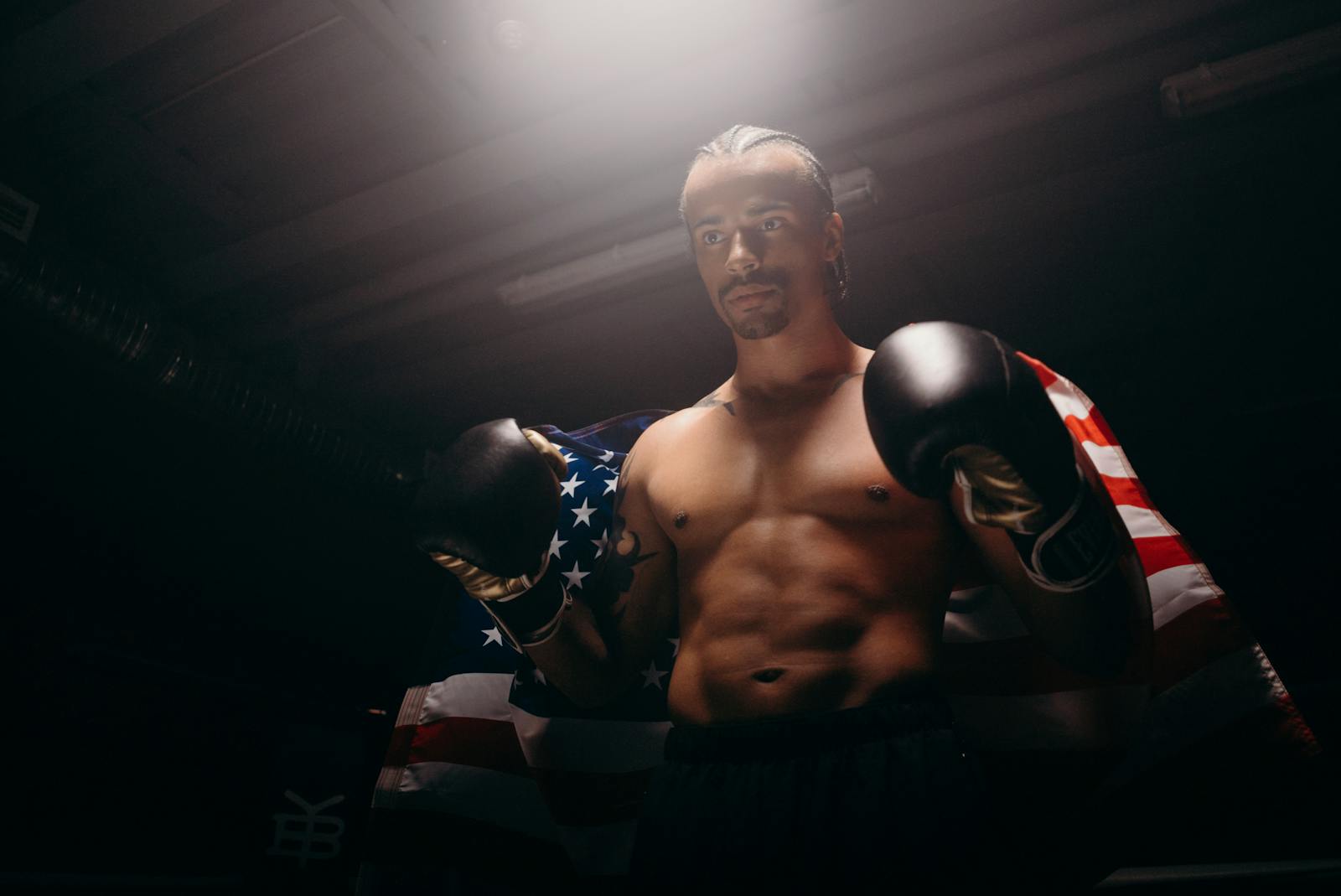
While no world title changed hands in Omaha, the most important verbal moment belonged to Kenny Omega, who made it abundantly clear that MJF is his next big target. This is AEW going back to a well they know is deep: positioning one of their original cornerstone stars opposite the company’s most consistently polarizing world champion.
“Champ, you’ve run your mouth about everybody. It’s time you dealt with someone who doesn’t scare that easily.”
Why Omega vs. MJF Matters Now
- Generational Clash: Omega represents AEW’s elite in-ring standard; MJF embodies the modern sports-entertainment heel with mainstream crossover appeal.
- Stability at the Top: After a few years of injury interruptions and stop-start pushes, Omega’s re-entry into the main event gives AEW a familiar anchor.
- Promo vs. Workrate Narrative: Expect the discourse to lean heavily on MJF’s mic work versus Omega’s ring craft, even though both are capable in both arenas.
The segment wisely avoided rushing into a match announcement. Instead, AEW used New Year’s Smash to put the idea in fans’ heads right before 2026 begins—a classic “hook for the next season” strategy that streaming-era TV has fully normalized and wrestling has arguably perfected.
Tag Teams, Rising Stars, and the Undercard Story Threads

The rest of New Year’s Smash wasn’t just filler; it was AEW doing its usual long game with the tag division and mid-card storylines. While not every match screamed “must-see,” the card functioned like a season finale that still has to service next week’s TV.
Notable Undercard Beats
- Tag Division: A featured bout advanced the pecking order for future challengers, continuing AEW’s tradition of giving tag wrestling serious TV time.
- Rising Singles Talent: A mid-card showcase gave one of AEW’s newer faces a chance to work a longer TV match and connect beyond quick spots.
- Multi-person Match: Classic AEW chaos, but also a neat way to keep multiple feuds warm without burning through pay-per-view-level finishes.
If there’s a criticism, it’s that some of these undercard stories still feel crowded. AEW’s strength—its deep roster—remains its biggest booking challenge, especially on a two-hour Dynamite even with a companion show like Collision in the mix.
Production, Crowd, and Presentation: Year-End TV with a PPV Glow

From a production standpoint, New Year’s Smash embraced the “TV special” feel without overdoing the holiday gimmicks. The Omaha crowd came alive most for Willow’s win and Omega’s segment—with some expected ebbs during mid-card matches—but overall gave the show the sense of occasion AEW needed.
- Commentary: Leaned heavily into year-in-review framing, which helped contextualize the stakes for casual viewers dropping in around the holidays.
- Visuals: New Year’s themed graphics and lighting without drifting into parody; still felt like a serious wrestling broadcast.
- Streaming Integration: The HBO Max push was evident, reflecting AEW’s broader strategy to exist beyond traditional cable.
For anyone catching up via clips or VOD, the show translates well: the big moments are visually clear, and the pacing mostly avoids the whiplash that early Dynamite sometimes flirted with.
Strengths, Weaknesses, and Where AEW Goes Next
What Worked
- Clear Narrative Wins: Willow’s TBS Championship victory and Omega’s challenge to MJF both felt meaningful, not just episodic.
- Crowd Engagement: Omaha reacted like a “smart” crowd without overshadowing the show, especially enhancing the title change.
- Event Identity: New Year’s Smash felt like a genuine year-end special rather than a rebranded regular Dynamite.
What Didn’t Fully Land
- Story Density: The undercard remains crowded, with some feuds and characters still fighting for definition.
- Build vs. Payoff: Willow’s moment was great, but a more sustained build could have elevated it to “all-time Dynamite” status.
Looking ahead, the combination of a newly crowned TBS Champion and a looming Omega vs. MJF collision gives AEW a solid one-two punch to sell both weekly TV and pay-per-view in early 2026. If the company can streamline its mid-card storytelling without sacrificing its depth, New Year’s Smash will be remembered as the night they quietly tightened the screws.
For fans deciding whether to catch up: this isn’t just background noise while you wait for the next PPV. It’s a snapshot of AEW mid-pivot—celebrating what worked in 2025, and sketching out a bolder, more focused 2026.
Critical Snapshot & Rating
Balancing its big emotional beats with ongoing threads, AEW Dynamite: New Year’s Smash 2025 delivered a strong year-end show that was more about direction than instant classics. As a piece of weekly wrestling television with long-term implications, it largely did its job—and in Willow’s case, overachieved.
Overall Rating: 4.0 / 5 – Essential for AEW regulars, very watchable for casual fans, and a promising sign for 2026 storytelling.
