
6 Longevity Rules Experts Swear By for Healthier Aging in 2026
Healthy aging in 2026 is less about perfection and more about following a few science-backed longevity habits consistently. In this guide, we’ll walk through six expert-approved longevity rules—from movement and nutrition to sleep, social ties, purpose, and smart use of new medical tools—so you can add health to your years, not just years to your life.
You’ve probably seen headlines about centenarians, “blue zones,” and new weight-loss and longevity drugs. It can feel inspiring—and overwhelming. Many readers tell me, “I want to age well, but I don’t know where to start, and I’m tired of fads.”
The good news: the core pillars of healthy aging haven’t changed much. What has changed in 2026 is how clearly research supports a handful of simple, daily behaviors. Experts consistently come back to the same six rules you’ll see here.

“Healthy ageing is about creating the environments and opportunities that enable people to be and do what they value throughout their lives.”
1. Move Often, Not Perfectly: Daily Activity as Your Longevity Anchor
When longevity experts are asked for their single best tip, most start with movement. Not extreme workouts—just consistent, moderate activity spread through the day.

Large studies continue to show that people who move more—at any age—have lower risks of heart disease, diabetes, certain cancers, cognitive decline, and early death. In 2023, the European Society of Cardiology reported that even 4,000–6,000 steps per day were associated with lower mortality, and benefits continue to increase up to about 10,000 steps.
Practical ways to implement this rule
- Anchor a 10–20 minute walk after one or two meals daily to help blood sugar and digestion.
- Use “movement snacks”—2–3 minutes of walking, light squats, or stretching every hour.
- Add strength twice weekly: bodyweight exercises, resistance bands, or light weights.
- Train balance: single-leg stands near a counter, heel-to-toe walking, or tai chi.
Common obstacles & how to overcome them
- “I don’t have time.”
Break activity into 5–10 minute chunks. Three short walks a day still matter for longevity. - “My joints hurt.”
Favor low-impact options like water aerobics, cycling, or walking on softer surfaces, and talk with a physical therapist about safe modifications. - “I lose motivation.”
Pair movement with something you enjoy: a favorite podcast, walking with a friend, or a pet who expects their daily stroll.
“The most powerful exercise plan is the one you’ll actually repeat tomorrow. For most of my older patients, that’s walking plus light strength training.”
2. Eat for Metabolic Health, Not Perfection
In 2026, longevity nutrition has shifted away from rigid “miracle” diets toward metabolic health—keeping blood sugar, blood pressure, and cholesterol in healthy ranges while preserving muscle mass.
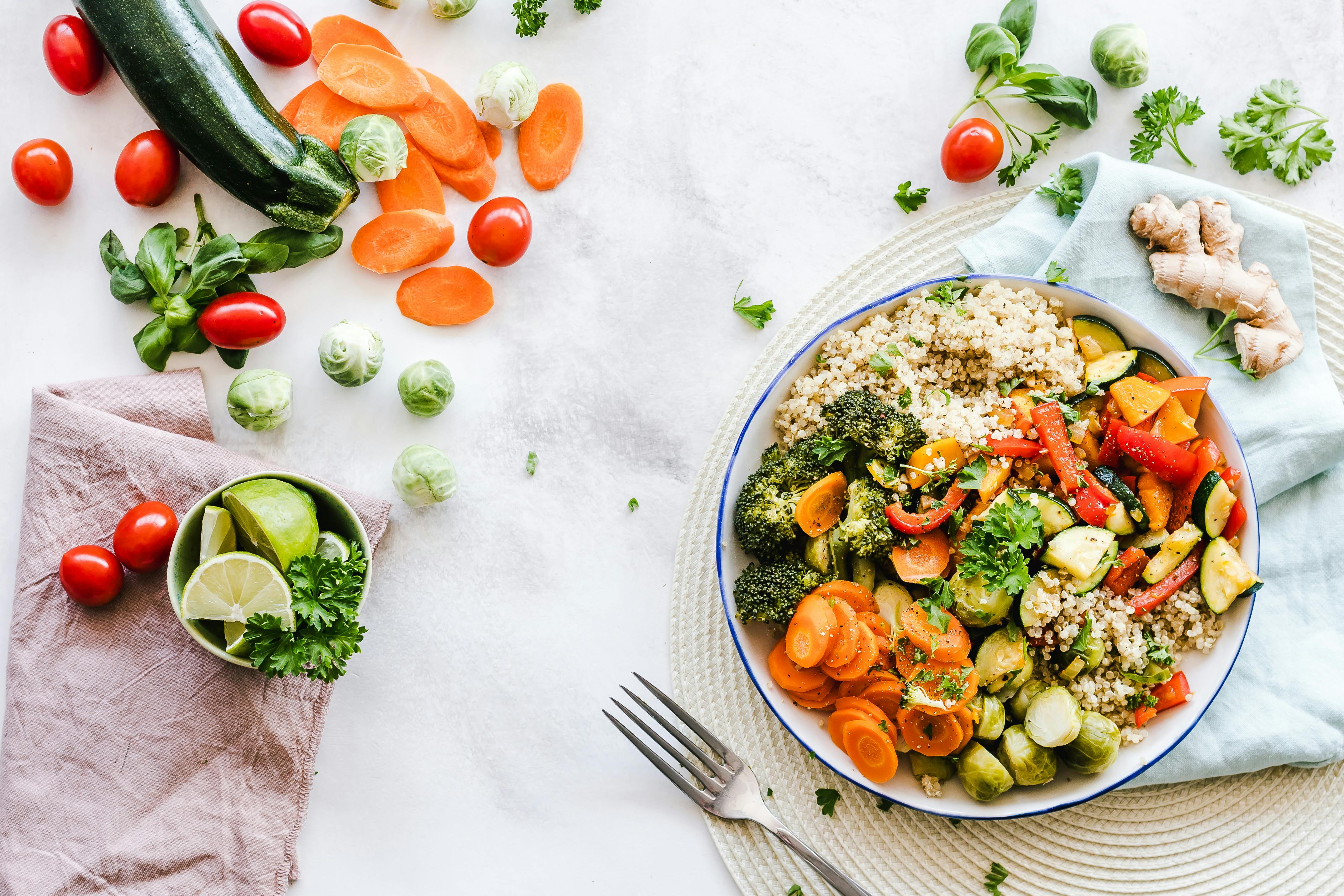
Patterns like the Mediterranean diet and DASH diet consistently show lower rates of cardiovascular disease, dementia, and premature death. These approaches emphasize:
- Plenty of vegetables and fruits
- Whole grains instead of refined grains
- Beans, lentils, and other legumes
- Nuts, seeds, and olive oil for healthy fats
- Fish and modest portions of poultry, eggs, and fermented dairy
- Minimal ultra-processed foods and sugary drinks
Simple longevity-focused food rules
- Build half your plate with plants (vegetables, salad, or legumes) at most meals.
- Prioritize protein—especially as you age—to support muscle and bone.
- Swap refined carbs (white bread, pastries) for whole grains when possible.
- Keep sugary drinks and sweets “sometimes” foods, not daily staples.
- Limit late-night heavy meals to support sleep and blood sugar stability.
Common obstacles & solutions
- “I live alone and hate cooking.”
Try batch cooking one-pot meals on weekends, or rely on rotisserie chicken, bagged salads, pre-cut vegetables, and frozen mixed vegetables to cut prep time. - “Healthy food is expensive.”
Focus on affordable staples: beans, lentils, oats, frozen vegetables, eggs (if tolerated), and in-season produce. These often cost less per serving than processed snacks. - “I crave sweets at night.”
Ensure you’re eating enough protein and fiber earlier in the day and keep healthier “default” options handy, like fruit with a handful of nuts or plain yogurt with berries.
“Diet quality in midlife and beyond is strongly associated with healthy ageing, including survival to older ages without chronic diseases or major limitations.”
3. Protect Sleep and Stress Recovery Like Medication
Sleep and stress are sometimes dismissed as “soft” factors, but research in the last decade links short or poor-quality sleep with higher risks of heart disease, dementia, obesity, depression, and early mortality.

Most adults do best with 7–9 hours of sleep. Equally important is regularity—going to bed and waking up around the same times each day.
Sleep-supporting habits
- Keep a consistent sleep and wake schedule, even on weekends.
- Expose your eyes to natural light in the first 1–2 hours of the day.
- Avoid heavy meals and alcohol for 3 hours before bedtime when possible.
- Limit bright screens in the hour before bed; use night modes if needed.
- Keep your bedroom cool, dark, quiet, and reserved mainly for sleep and intimacy.
Daily stress-recovery micro-habits
Chronic stress activates inflammatory pathways linked with heart disease, depression, and shorter telomeres (a marker of cellular aging). You don’t need an hour of meditation, but you do need regular “off-switch” moments.
- Practice 3–5 slow breaths (4 seconds in, 6 seconds out) before meals or meetings.
- Schedule brief “worry times” and keep evenings as much as possible for unwinding.
- Use gentle yoga, stretching, or a short walk as a transition from work to home.
- Connect with someone you trust when you feel overwhelmed; social support buffers stress.
“One of my 80-plus patients who’s thriving always tells me: ‘My sleep is non‑negotiable. I protect it like my prescriptions.’ That mindset is powerful.”
4. Don’t Age Alone: Invest in Relationships and Community
Social connection may be one of the most underrated longevity tools. A widely cited body of research shows that social isolation and loneliness are associated with higher risks of cardiovascular disease, dementia, depression, and early mortality—sometimes on par with smoking 10–15 cigarettes per day.

Longevity-supporting connection habits
- Schedule standing dates: a weekly walk, coffee, or video call with a friend.
- Join a group: a walking club, faith community, class, or volunteer program.
- Cultivate intergenerational ties through mentoring, tutoring, or family rituals.
- Use technology wisely: video calls to maintain ties, but prioritize in-person when possible.
In interviews with long-lived people from “blue zones” like Okinawa (Japan) and Sardinia (Italy), strong family ties and friendship circles (known as moai in Okinawa) repeatedly emerge as common threads.
5. Keep a Sense of Purpose and Keep Learning
One striking finding from longevity research is that people who report a strong sense of purpose—a reason to get out of bed—tend to live longer and maintain better cognitive and physical function.

Purpose doesn’t have to be grand. It might be:
- Caring for grandchildren or a partner
- Volunteering at a school, library, or animal shelter
- Maintaining a garden or community space
- Creating art, music, or writing
- Mentoring others in your profession or community
Brain health and lifelong learning
Cognitive aging research suggests that mentally stimulating activities, along with social engagement and cardiovascular fitness, may help delay cognitive decline.
- Learn a new language or musical instrument at any age.
- Enroll in community or online courses on topics that genuinely interest you.
- Work on puzzles, strategy games, or activities that require memory and planning.
- Combine learning with socializing—book clubs, discussion groups, or classes.
“One of my 78‑year‑old patients started taking online history courses and volunteering as a tutor. She tells me, ‘I feel younger now than when I retired at 65 because I have somewhere to be and someone counting on me.’”
6. Use Modern Medicine Wisely: Prevention, Not Just Rescue
Longevity experts tend to be neither “all natural” nor “all tech.” They emphasize preventive care and cautious, individualized use of newer tools—from advanced screening tests to emerging medications.

Core preventive steps most experts follow
- Regular blood pressure, cholesterol, and blood sugar checks
- Age-appropriate cancer screenings (colon, breast, cervical, prostate discussion, etc.)
- Up-to-date vaccinations, including influenza and others recommended locally
- Hearing and vision checks—treating impairments can reduce fall and cognitive risks
- Bone density testing when indicated to assess osteoporosis risk
Medication and supplement wisdom
- Review your full medication list annually with your clinician or pharmacist to deprescribe when safe.
- Be cautious with “anti-aging” supplements—many lack strong human data or interact with medications.
- Rely on reputable sources for information, such as government health agencies or major medical centers.
While some drugs—like those that control blood pressure, reduce cholesterol, or improve diabetes management—have strong evidence for improving long-term outcomes, no pill or injection replaces the lifestyle pillars described above.
Turning Longevity Rules into Daily Reality
Knowing what to do and actually doing it—especially when you’re busy, tired, or coping with health challenges—are different things. Many people feel they’ve “failed” because they can’t overhaul their life overnight.
A small-steps framework experts often recommend
- Pick one pillar (movement, food, sleep, connection, purpose, or prevention) to focus on first.
- Choose one action that feels achievable in the next 7 days—for example, a 10‑minute walk after lunch.
- Make it specific: what time, where, and with whom?
- Track it with a simple checkmark on a calendar or in a notes app.
- Adjust, don’t abandon if you miss a day; ask, “How can I make this easier?” not “What’s wrong with me?”
“One of the strongest predictors of long-term success is not discipline, but how quickly you get back on track after a slip.”
Bringing It All Together: Your Personalized Longevity Plan for 2026
Healthy aging is not about chasing every new headline or spending a fortune on tests and treatments. It’s about doing a few simple things, reasonably well, for a very long time:
- Move your body most days in ways you can sustain.
- Eat in a way that stabilizes your energy and supports metabolic health.
- Protect sleep and build in small daily moments of recovery.
- Invest in relationships and community.
- Keep a sense of purpose and stay mentally curious.
- Use modern medicine thoughtfully to prevent disease and maintain function.
You don’t need to do all six rules perfectly to benefit. Choose one or two that feel most doable, start small, and build from there. Your future self—five, ten, or twenty years from now—will be glad you did.
Call to action: Choose a single, specific action from this article and write it down with a time and place. Then, share it with a friend or family member and invite them to join you—longevity is easier, and often more fun, when you don’t walk the path alone.
