
5 Evidence-Backed Habits That Quietly Cut Your Colorectal Cancer Risk
If you’ve seen the headlines about rising colorectal cancer in people in their 20s, 30s and 40s, you’re not alone in feeling uneasy. The good news: while no habit can guarantee you’ll never get cancer, there are several everyday choices that meaningfully shift the odds in your favor.
This article walks you through five surprising, evidence-backed ways to lower colorectal cancer risk, especially for younger adults. We’ll focus on realistic changes, explain what the science actually shows, and help you navigate common obstacles—without guilt, scare tactics or false promises.

Why colorectal cancer is rising in younger adults
Colorectal cancer used to be thought of as a disease of older age. Screening typically started at 50, and most risk discussions focused on smoking and family history. Over the past two decades, however, researchers have documented a steady rise in cases among people in their 20s, 30s and 40s.
We don’t yet have a single clear cause. Instead, studies point to a combination of factors:
- Diet high in ultra-processed foods and red or processed meats
- Sedentary lifestyles and long periods of sitting
- Excess body weight, especially around the abdomen
- Disrupted sleep and circadian rhythms
- Alcohol use and smoking
“Genes load the gun, but environment pulls the trigger. For most colorectal cancers, everyday habits matter more than we once believed.”
— Colorectal oncologist, academic medical center (summary of current consensus)
None of this means you’re to blame if you’ve had these habits. Many of us grew up in environments that made them the default. The goal here is not perfection—it’s to nudge your lifestyle in ways that research suggests can lower risk over time.
1. Feed your gut: more fiber, fewer ultra-processed foods
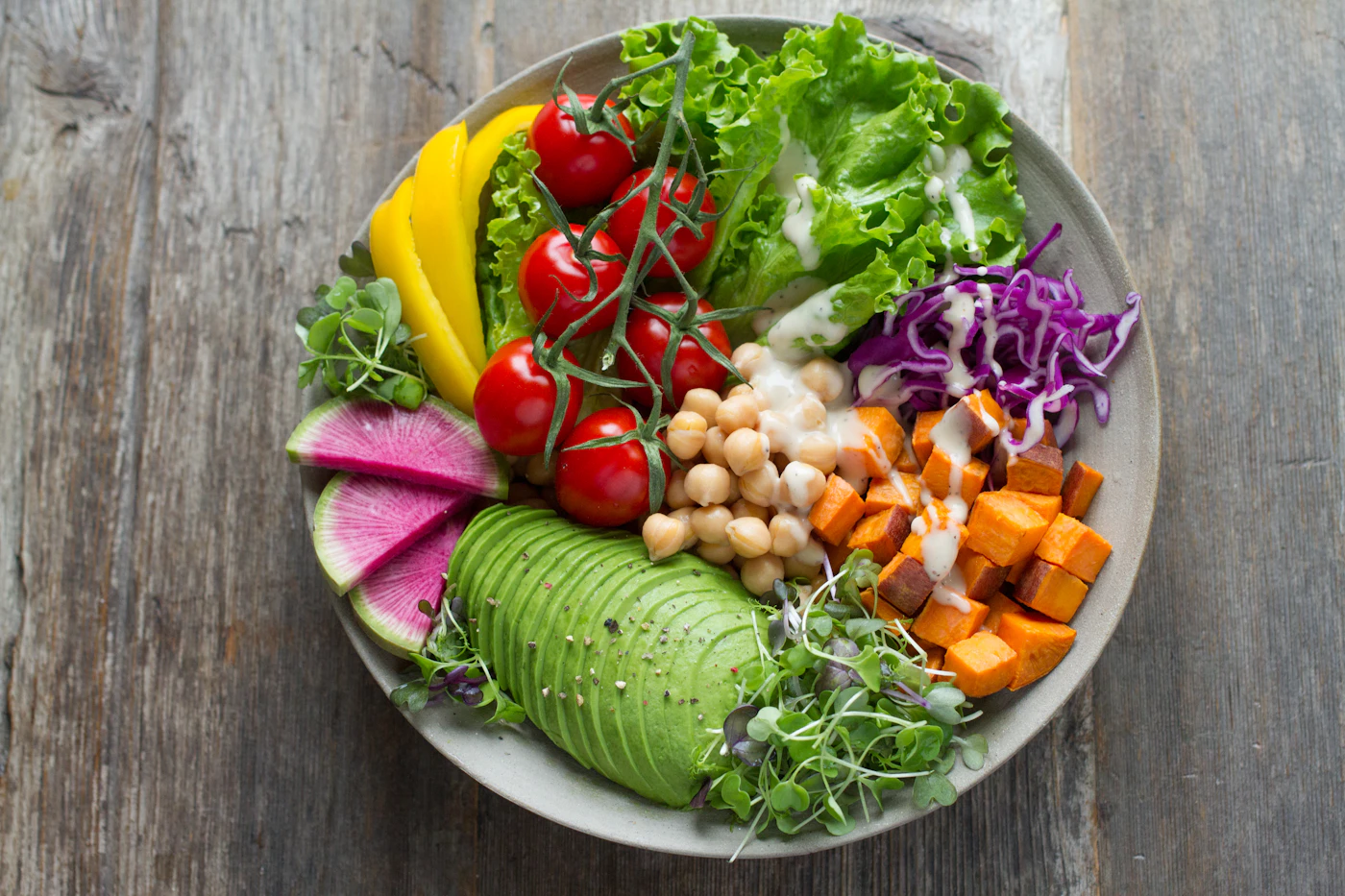
One of the most powerful levers you control is what you feed your gut microbiome—the community of bacteria living in your colon. These microbes help maintain the health of your intestinal lining, regulate inflammation and interact with your immune system.
Large observational studies have linked higher fiber intake and more whole plant foods with lower colorectal cancer risk, while diets heavy in ultra-processed foods and processed meats are associated with higher risk, especially in younger adults.
What the research suggests
- Fiber: Each additional 10 grams of daily fiber (about 1 cup of berries or ½ cup of beans) has been associated in multiple studies with a modest reduction in colorectal cancer risk.
- Whole grains & legumes: People who regularly eat whole grains and beans tend to have lower rates of colorectal cancer compared with those who rarely do.
- Ultra-processed foods: Diets high in packaged snacks, sugary drinks and processed meats correlate with higher colorectal cancer rates in younger adults.
How to put this into practice
- Make one meal a day “fiber-forward”.
For example: oatmeal with berries and nuts for breakfast, or a grain bowl with brown rice, beans and vegetables for lunch. - Swap just one processed item at a time.
Replace:- White bread → whole grain bread
- Chips → nuts, fruit or air-popped popcorn
- Sugary cereal → oats or low-sugar granola
- Aim for at least 20–25 grams of fiber per day to start.
Increase slowly and drink more water to avoid bloating.
Case example: A 34-year-old software engineer didn’t overhaul her diet overnight. She started by adding beans to lunch twice a week and switching from white rice to brown. Over six months, her average daily fiber climbed from about 12 to 24 grams—without feeling like she was “on a diet.”
2. Move your body—and break up long sitting streaks
Physical activity doesn’t just help your heart and weight; it’s consistently associated with a lower risk of colon cancer. Meanwhile, long, uninterrupted sitting may independently raise risk, even if you exercise.
Researchers think movement helps by speeding up digestion (reducing the time potential carcinogens spend in the colon), lowering inflammation and improving insulin sensitivity.

Evidence-based targets
- Aerobic activity: 150–300 minutes per week of moderate activity (like brisk walking) or 75–150 minutes of vigorous activity, as recommended by major health organizations.
- Sitting breaks: Standing or walking for 2–5 minutes every 30–60 minutes of sitting may offset some risks of prolonged sitting.
Small-step implementation
- Start with 10-minute walks.
After meals or between tasks, a 10-minute walk counts. Three of these a day gets you to 30 minutes. - Set a “stand-up” timer.
Use your phone or watch to remind you to stand, stretch or walk for a couple of minutes each hour. - Build movement into what you already do.
Walk during phone calls, take stairs when possible, or get off public transit one stop early.
3. Rethink red and processed meat—and how much you drink
Red and processed meats and regular alcohol intake are two habits that quietly add to colorectal cancer risk over time, even in people without a family history.
The World Health Organization classifies processed meat (like bacon, sausage, hot dogs and deli meats) as a carcinogen for colorectal cancer and red meat (beef, pork, lamb) as a probable carcinogen when eaten in high amounts.

Red and processed meat: practical limits
- Aim to keep processed meats as “occasional” rather than daily foods.
- Many guidelines suggest limiting red meat to about 12–18 ounces (cooked) per week.
- Replace some red meat meals with fish, poultry, beans, lentils, tofu or tempeh.
Alcohol: less is safer
Even moderate drinking has been associated with an increase in colorectal cancer risk, though the size of the effect varies by study. The safest level from a cancer perspective is as little as you realistically can manage.
- If you drink, try to keep it to:
- Up to 1 drink per day for women
- Up to 2 drinks per day for men
- Plan drink-free days during the week.
- Experiment with alcohol-free alternatives like sparkling water with citrus or zero-proof cocktails.
4. Protect your sleep and daily rhythm
Emerging research suggests that chronic sleep disruption and circadian rhythm disturbances—such as frequent night-shift work or constantly changing sleep schedules—may increase colorectal cancer risk.
Poor sleep can alter hormones, immune function and inflammation, and may indirectly affect risk through weight gain and changes in appetite and food choices.
Simple steps for better sleep hygiene
- Keep a regular sleep-wake schedule.
Aim for roughly the same bedtime and wake time most days, even on weekends. - Dim screens before bed.
Reduce bright screen exposure for 30–60 minutes before sleep; use night mode or blue-light filters if needed. - Create a wind-down routine.
Reading, stretching, breathing exercises or a warm shower can cue your body that it’s time to sleep. - Watch late-night eating and heavy drinking.
Large meals and alcohol close to bedtime can fragment sleep.
5. Don’t skip early screening—and know your family history
Lifestyle changes can lower risk, but screening is still the single most powerful tool we have against colorectal cancer. Screening can find precancerous polyps and remove them before they become cancer—or catch cancer when it’s far more treatable.

Updated screening guidance
Many expert groups now recommend:
- Average risk adults: Begin screening at age 45 (some organizations may adapt recommendations as more data on younger adults emerges).
- Higher risk individuals: Start earlier if you have:
- A first-degree relative with colorectal cancer or advanced polyps
- Certain genetic syndromes or inflammatory bowel disease
- History of abdominal or pelvic radiation
Screening options to ask about
- Colonoscopy: Visual exam of the colon; allows removal of polyps during the same procedure.
- Stool-based tests: At-home tests that look for blood or abnormal DNA in stool; need repeating more frequently.
If you’re under 45 but have symptoms—such as rectal bleeding, unexplained iron-deficiency anemia, persistent change in bowel habits, or unexplained weight loss—talk with a healthcare provider promptly. Don’t assume you’re “too young” for something serious.
“Screening turns colorectal cancer from a sudden crisis into a largely preventable disease. Starting on time—and following through—is crucial.”
— Gastroenterologist, university hospital (summary of expert opinion)
Getting real: common obstacles and gentle workarounds
Knowing what to do is one thing; fitting it into a busy, stressful life is another. Here are some frequent barriers readers share, with practical ways to navigate them.
- “I don’t have time to cook.”
Try frozen vegetables, pre-washed greens, canned beans and rotisserie chicken or tofu. A 10-minute stir-fry or grain bowl is still a big upgrade over fast food. - “Healthy food is expensive.”
Focus on budget-friendly staples: oats, brown rice, beans, lentils, carrots, cabbage, frozen mixed vegetables and in-season fruit. - “My job keeps me at a desk all day.”
Micro-breaks help. Even 2–3 minutes of walking or stretching every hour is valuable. If possible, stand or pace during calls. - “I’m anxious about colonoscopy prep.”
Ask your clinician about split-dose prep, taste options and how to plan your day. Hearing what to expect, step by step, can ease a lot of worry.
What the science can—and can’t—promise you
Lifestyle and screening choices can reduce risk; they can’t eliminate it. Even people who do “everything right” can develop colorectal cancer, and many who don’t change their habits never will. Risk reduction is about stacking the odds in your favor, not guaranteeing a particular outcome.
These key themes appear across major studies and reviews:
- Higher fiber and plant-rich diets are linked with lower colorectal cancer rates.
- Regular physical activity and less sedentary time are protective.
- Excess body weight, smoking, heavy alcohol use and high intake of processed meat increase risk.
- Timely screening significantly cuts both incidence and mortality.
For more detailed reading, see resources from:
Turning concern into action: your next small step
Feeling worried when you read about rising colorectal cancer in younger adults is completely understandable. That worry can be paralyzing—or it can be a nudge to make changes that benefit not just your future cancer risk, but your day-to-day energy, digestion and overall health.
You don’t have to adopt all five habits at once. Instead, choose one tiny, specific action you can take this week:
- Add a serving of beans or whole grains to one meal.
- Take a 10-minute walk after lunch or dinner most days.
- Swap one processed meat meal for a plant-based or fish meal.
- Set a consistent bedtime within a 30-minute window.
- Schedule a visit with your clinician to ask when you should start screening.
Your future health is shaped by countless small decisions, repeated over time. You deserve care that’s grounded in evidence and compassion—and that starts with believing that even modest changes are worth making.
If you’re ready, take 60 seconds now: pick one habit from this list, write it down or note it in your phone, and commit to trying it for the next week. That’s how real, sustainable prevention begins.
