
3 Key Supplements You Should Time Right for Better Results
Why the Timing of Your Supplements Really Matters
Some supplements work better when you take them at certain times. By understanding the best time to take iron, vitamin B12, and vitamin D, you can improve absorption, reduce side effects, and make your routine more effective without taking higher doses.
If you’ve ever felt queasy after an iron pill, forgotten your vitamin D for weeks, or wondered whether B12 goes better with breakfast or bedtime, you’re not alone. The good news is that small timing tweaks—aligned with how your body absorbs nutrients—can make a real difference.
In this guide, we’ll walk through three common supplements where timing matters most, what the research suggests, and how real people adjust their routines to feel better and stay consistent.
:max_bytes(150000):strip_icc()/VWH-GettyImages-2226009055-ccef149c7f5a4aee942d8977fb4505e2.jpg)
The Goal: Better Results Without Higher Doses
When it comes to supplements, more isn’t always better—but smarter often is. For iron, vitamin B12, and vitamin D, research and clinical experience show that:
- Iron can absorb poorly and cause stomach upset if taken at the wrong time.
- Vitamin B12 can be poorly absorbed in some people and is easily forgotten without a routine.
- Vitamin D is fat-soluble and works best when taken consistently and with some dietary fat.
By timing these three supplements around food, sleep, and other medications, you may:
- Increase the amount your body actually absorbs.
- Reduce common side effects like nausea or constipation.
- Make your supplement routine easier to stick with long term.
“People often focus on dose and forget that timing and context—what else you eat or take with a supplement—can change absorption dramatically. Small changes can turn a ‘doesn’t work for me’ supplement into one that finally moves the needle.”
— Clinical dietitian, hospital outpatient clinic
1. Iron: Best on an Empty Stomach (But Comfort Comes First)
Iron supplements are commonly prescribed for iron-deficiency anemia, heavy menstrual bleeding, pregnancy, and certain digestive conditions. They’re also one of the supplements where timing and food interactions matter the most.

Best Time of Day to Take Iron
Iron is absorbed more efficiently when your stomach is relatively empty and when it’s not competing with nutrients that block its absorption.
- Common recommendation: Take iron in the morning or mid-morning, at least 1–2 hours after a meal.
- Alternative: If it upsets your stomach, take it with a small snack that’s low in calcium and not high in fiber.
How to Maximize Iron Absorption
- Avoid blockers around your iron dose.
For about 2 hours before and after your iron:- Avoid high-calcium foods or supplements (milk, yogurt, cheese, calcium tablets).
- Limit coffee, black tea, and some herbal teas, which contain tannins that reduce absorption.
- Avoid taking iron with antacids or acid-reducing medications unless your provider advises otherwise.
- Pair with vitamin C.
Vitamin C can help convert iron into a form your body absorbs more easily.- Take iron with a small glass of orange juice or another vitamin-C-rich food (like strawberries or kiwi).
- Some iron pills already contain vitamin C—check your label to avoid doubling up unnecessarily.
- Start low and go slow if you’re sensitive.
Nausea, constipation, and stomach cramps are common. Your clinician may:- Start you on a lower dose and increase gradually.
- Suggest taking iron every other day, which some studies suggest can improve absorption and reduce side effects.
A Real-World Example: Shifting Iron to Mid-Morning
One patient with iron-deficiency anemia tried taking iron at bedtime and woke up nauseated every night. By moving her dose to mid-morning—about 2 hours after breakfast and with a small glass of orange juice—her nausea eased, and her iron levels improved over the next few months, all without increasing the dose.
2. Vitamin B12: Morning for Energy and Routine
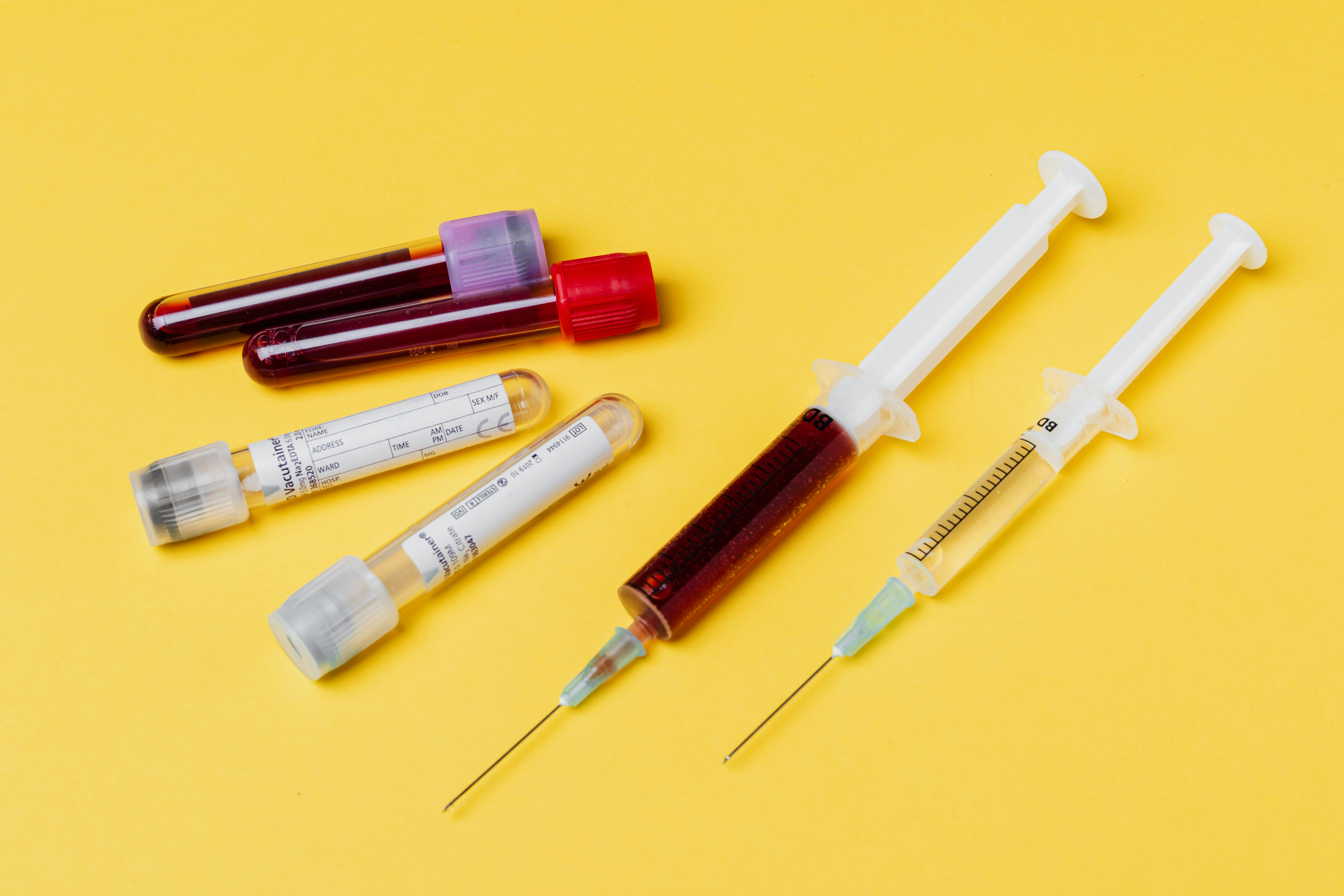
Vitamin B12 supports red blood cell production, nerve health, and energy metabolism. Many people—especially older adults, people with digestive issues, and those following vegetarian or vegan diets—may be at higher risk of deficiency.
Best Time of Day to Take Vitamin B12
B12 doesn’t “give” you energy the way caffeine does, but if you’re deficient, correcting that deficiency can help reduce fatigue over time. Some people find B vitamins mildly stimulating.
- Often recommended: Take B12 in the morning with breakfast.
- Why: Morning dosing fits well with daily routines and may avoid any chance of sleep disruption.
How to Take B12 for Better Absorption
- Match the form to your needs.
- Tablets/capsules: Work well for many people and can be taken with or without food.
- Sublingual (under-the-tongue) forms: Sometimes used if absorption in the gut is a concern, though evidence that they’re markedly superior is mixed.
- Injections or very high-dose oral B12: Often used under medical supervision for significant deficiency or absorption problems.
- Stay consistent with timing.
Taking B12 at the same time daily or weekly (depending on dose) helps maintain stable levels and makes it easier not to forget. - Coordinate with other supplements.
B12 is generally flexible, but many people take it alongside:- A multivitamin in the morning.
- Breakfast, so the pill becomes part of a set routine.
“For my patients on B12, the biggest issue isn’t usually absorption—it’s remembering to take it. Anchoring B12 to a daily habit like breakfast makes a bigger difference than most people expect.”
— Primary care physician, integrative clinic
Case Study: From “I Keep Forgetting” to Steady Levels
A busy professional with low B12 kept missing her weekly dose. Her clinician suggested switching to a lower-dose daily tablet and keeping the bottle beside her coffee maker. Within three months, her levels stabilized and she reported less afternoon fatigue—without changing the total weekly amount, just the timing and routine.
3. Vitamin D: Take with Your Biggest Meal (and Some Fat)
Vitamin D supports bone health, immune function, and muscle performance. Many people have low or borderline levels, especially in areas with limited sun exposure or for those who spend most of their time indoors.

Best Time of Day to Take Vitamin D
Vitamin D is fat-soluble, which means it absorbs better when taken with foods that contain fat.
- Often recommended: Take vitamin D with your largest meal of the day that includes some healthy fat.
- Common choices: Lunch or dinner, especially if those meals include foods like avocado, olive oil, nuts, seeds, or fatty fish.
Some people prefer morning doses, but if your morning meal is light or very low in fat, you may absorb less than you would with a fuller meal later in the day.
How to Improve Vitamin D Absorption and Consistency
- Pair with dietary fat.
Take vitamin D with:- A meal cooked with olive, avocado, or canola oil.
- Foods like eggs, salmon, sardines, nut butters, or full-fat yogurt.
- Pick a realistic schedule.
Depending on your dose and doctor’s advice, vitamin D may be:- Daily (for maintenance or modest deficiency).
- Weekly or monthly (for higher “loading” doses under supervision).
- Monitor, don’t guess.
Blood tests can confirm whether your dose and timing are working. Levels can take weeks to months to change, so your healthcare provider may recheck periodically.

Common Obstacles (and How to Overcome Them)
Even when you know the “best” time to take a supplement, life can get in the way. Here are some of the most common challenges and simple workarounds.
- “Iron makes my stomach hurt.”
Try taking it:- With a small, low-calcium snack.
- At a different time of day (mid-morning instead of bedtime).
- Every other day, if your clinician agrees—this can both reduce side effects and, in some studies, improve absorption.
- “I keep forgetting my B12 or vitamin D.”
Use “habit stacking”:- Put your supplement bottle next to something you use daily (coffee maker, toothbrush, phone charger).
- Set a repeating alarm or calendar reminder linked to breakfast or dinner.
- “I’m taking multiple medications and I’m worried about interactions.”
Ask your pharmacist or clinician to:- Review your full list of medications and supplements.
- Help you build a simple schedule that spaces out iron from antacids, calcium, and thyroid medication.
Quick Reference: Best Timing for Iron, B12, and Vitamin D
Use this as a starting point, then personalize with your healthcare provider:
- Iron supplement timing
- Best: Mid-morning or between meals, with vitamin C.
- Avoid: Taking with calcium, dairy, coffee, tea, or antacids.
- Exception: If your stomach is sensitive, take with a small snack.
- Vitamin B12 timing
- Best: Morning with breakfast for routine and to avoid any mild stimulation at night.
- Flexible: Can generally be taken with or without food unless your clinician says otherwise.
- Vitamin D timing
- Best: With your largest meal containing some healthy fats (often lunch or dinner).
- Focus: Consistency over precise clock time—aim for the same meal each day or week.
What the Science and Experts Say
While individual needs vary, the timing advice in this article reflects common clinical practice and research on absorption:
- Iron absorption improves on an empty stomach and can be enhanced by vitamin C, while calcium and certain beverages can reduce absorption.
- B12 absorption can be compromised in some medical conditions, but timing is usually about routine and comfort more than strict absorption windows.
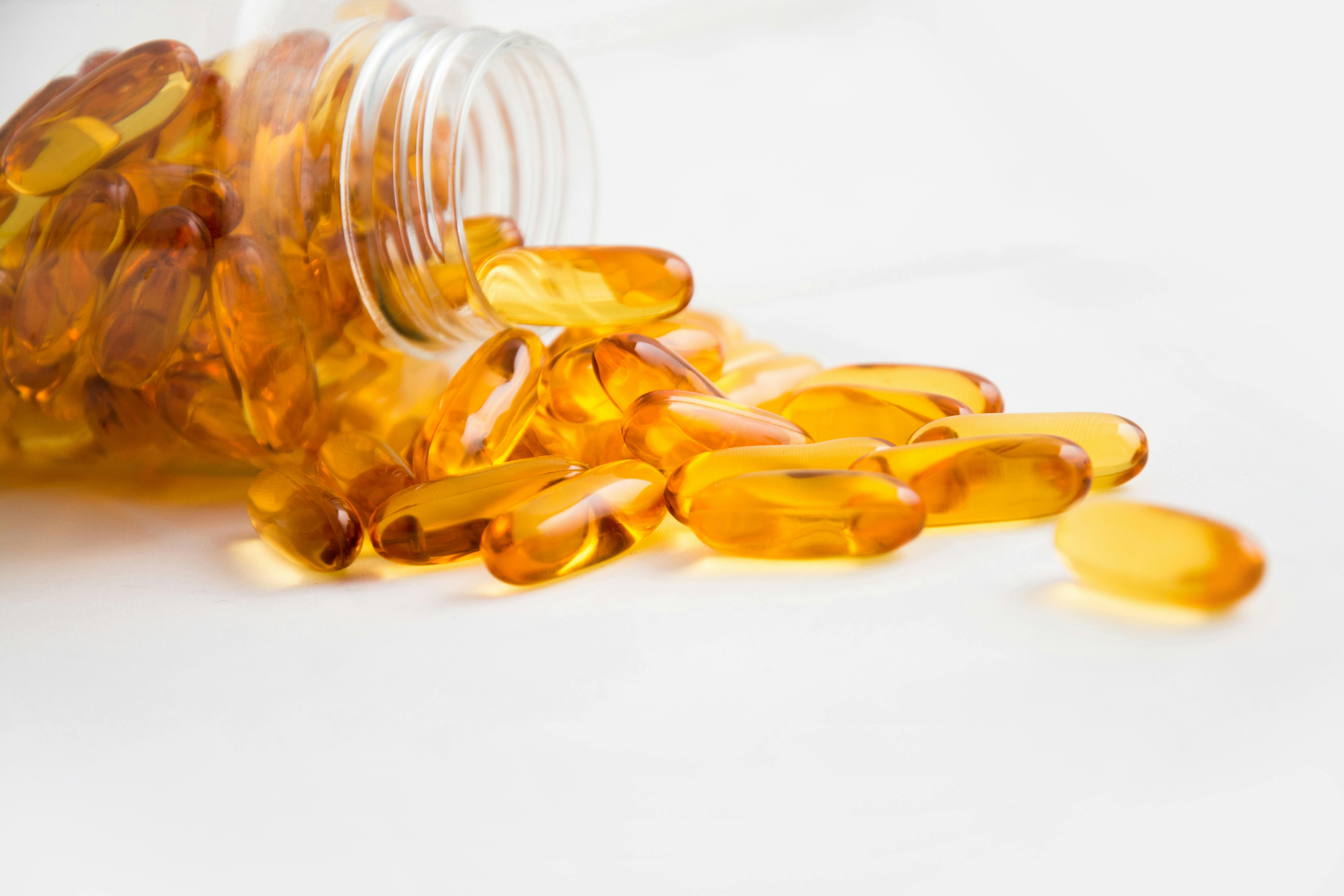
- Vitamin D, being fat-soluble, shows better absorption when taken with meals containing fat compared to taking it on an empty stomach.
For deeper reading on these topics, look for guidance from:
- U.S. National Institutes of Health Office of Dietary Supplements
- Endocrine Society for vitamin D clinical practice guidance
- American Society of Hematology for iron-deficiency resources
Putting It All Together: A Small Change That Can Add Up
You don’t need a perfect schedule to benefit from supplements, but thoughtful timing can help you get more from the same dose—especially for iron, vitamin B12, and vitamin D. The goal isn’t to chase “hacks,” but to work with your body instead of against it.
A practical next step:
- List the supplements you currently take (or plan to start).
- Mark iron, B12, and vitamin D, if present.
- Adjust your routine so that:
- Iron is taken away from calcium, coffee, tea, and antacids, with vitamin C if possible.
- B12 is tied to a morning habit like breakfast.
- Vitamin D is taken with a main meal that includes healthy fats.
- Check in with your healthcare provider about lab testing and to confirm dosing.
Over the next few weeks, notice how you feel, how easy it is to stick to your plan, and what your follow-up labs show. Timing won’t replace medical care, but it can be a simple, powerful way to support the results you and your clinician are working toward—one well-timed dose at a time.
