2016 Called: Why Your Skinny Jeans and Ballet Flats Are Suddenly Cool Again
As 2026 leans hard into nostalgia, a wave of 2016 fashion trends—from skinny jeans and ankle boots to ballet and full-on “Tumblr girl” aesthetics—are suddenly back in rotation. Vogue’s feature “The 2016 Trends Making a 2026 Comeback” taps directly into this collective déjà vu, treating your old camera-roll outfits like a living mood board for right now.
A decade ago, 2016 style was defined by Instagram filters, celebrity street style, and peak fast-fashion energy. Now, in a world of TikTok micro-trends and climate-conscious consumers, the return of those same pieces feels different—more curated, more self-aware, and, at times, a little ironic. Let’s break down why 2016 is trending again, what Vogue thinks about it, and which revivals might actually earn a permanent spot in your 2026 wardrobe.
The 2016 Aesthetic, Rebooted for 2026
.jpg)
Vogue’s piece frames the 2016 revival less as a random trend cycle and more as a cultural reflex. With social feeds flooded by “10-year challenge” posts and old selfies, people are quite literally dressing like their past selves—only with better tailoring and more considered styling.
Why 2016 Fashion Is Back in 2026: Cultural and Industry Context
To understand why 2016 is suddenly aspirational again, you have to look beyond hemlines and hashtags.
- Cycle of nostalgia: Fashion tends to romanticize the styles of roughly 8–12 years ago—far enough away to feel “vintage,” close enough to tap into personal memories.
- Camera roll archaeology: As Vogue notes, people are digging up 2016 photos not just for laughs but for genuine style inspo, reinterpreting their own archives.
- Post-pandemic dressing fatigue: After years of sweats and “quiet luxury,” a lot of consumers are ready for something more visibly styled again, even if it means skinny jeans.
- Platform shifts: TikTok’s nostalgia-driven fashion discourse (“core” aesthetics, 2010s recaps, “get ready with me” throwbacks) has turned 2016 into content gold.
“You’d think there’d be more excitement around the new year… but instead everyone’s occupied with plumbing the depths of their camera rolls for relics of their 2016 selves.”
That line from Vogue captures the mood perfectly: this comeback isn’t just about trends, it’s about time travel—curated in your Photos app.
1. Skinny Jeans: From Cancelled to Carefully Curated
In the early 2020s, TikTok practically declared skinny jeans a war crime. By 2026, Vogue is arguing that the fit never really died; it just needed a rebrand.
The 2016 version was often spray-on, distressed, and paired with oversized flannels and lace-up bodysuits. The 2026 reboot tones things down:
- Clean, dark washes instead of heavy rips.
- Higher rises that read more tailored than teen.
- Styled with crisp shirting or structured blazers rather than logo tees.
In other words, skinny jeans are back, but they’re not trying to be the main character—they’re functioning as a sleek base layer in a more grown-up wardrobe.
2. Ankle Boots: The Workhorse Shoe That Never Really Left
Ankle boots were a defining footwear silhouette in 2016—Chelsea boots, stacked-heel suede pairs, and every variation in between. In 2026, they function as a kind of neutral in the ongoing shoe conversation between chunky sneakers, ballet flats, and loafers.
- Then (2016): Suede, tan or wine tones, often with Western or boho influences.
- Now (2026): Cleaner lines, leather over suede, squarer toes, and more walkable heels.
Vogue treats ankle boots less as a “trend” and more as a reliable anchor that happens to align with the current 2016-throwback mood—especially when paired with skinny jeans or mini-skirts and tights.
3. Ballet Flats and Balletcore: From Quiet Basic to Full Aesthetic
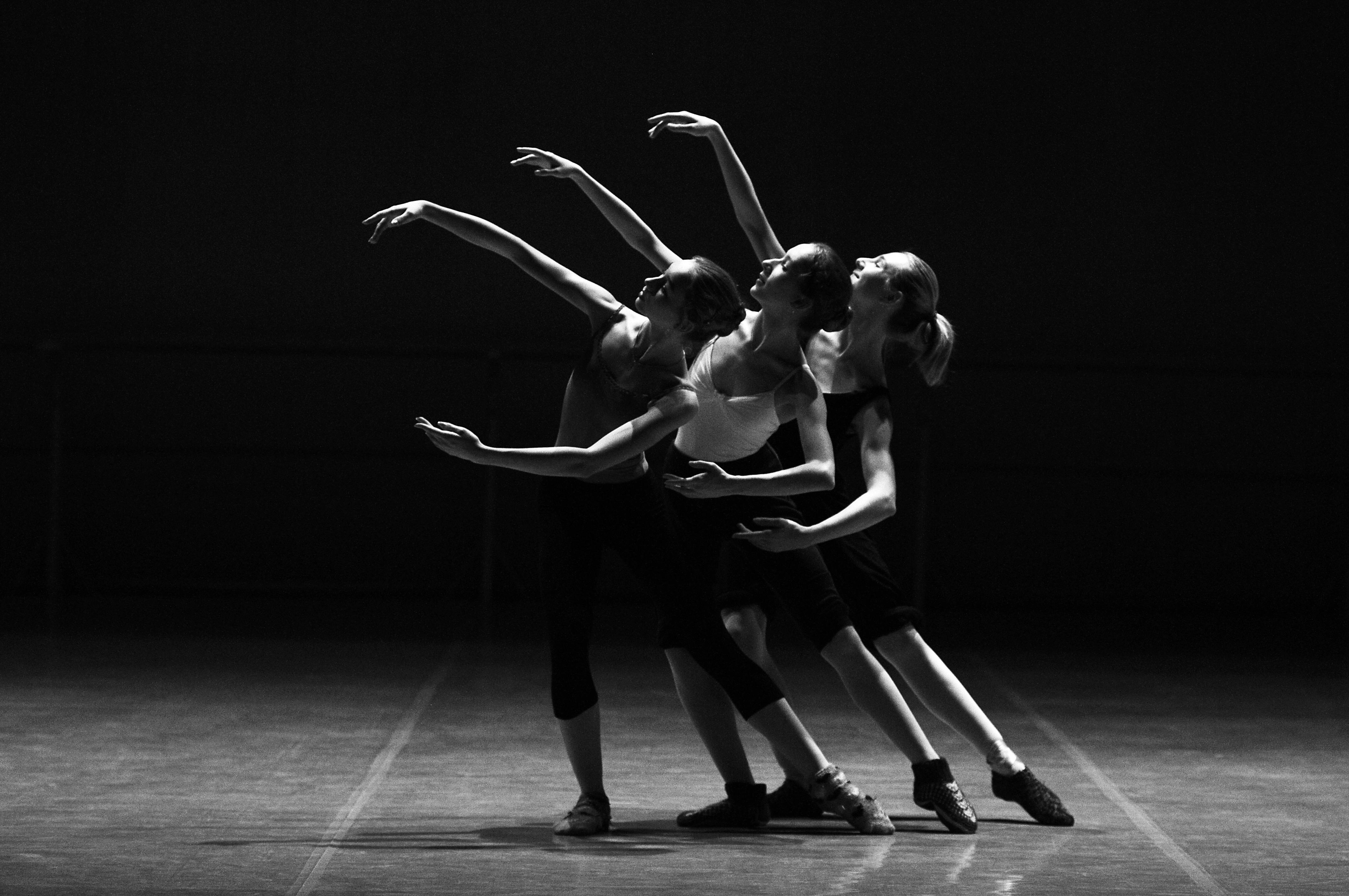
Ballet flats in 2016 were largely practical—office-friendly, city-walking shoes that slid neatly into tote bags. In 2026, they’re part of a much more elaborate visual language: balletcore.
Vogue taps into this shift, tracking the move from plain rounded ballet flats to:
- Mesh and satin styles that mimic actual pointe shoes.
- Ribbon ties, scrunched legwarmers, and wrap cardigans.
- Soft, pastel palettes mixed with athleisure and streetwear.
“Ballet has always been a fashion touchstone, but right now it’s less about being dainty and more about being deliberately, almost theatrically, feminine.”
What was once just a flat has morphed into an entire aesthetic—one that sits comfortably alongside other 2016-adjacent revivals like off-the-shoulder tops and slip dresses.
4. The Social Media Factor: From Instagram Grids to TikTok Revivals

The 2016–2026 loop is, at its core, a social media story. Vogue leans into this by emphasizing how much of the current revival is happening not on runways first, but on people’s own feeds.
- 2016: The era of curated Instagram grids, flat-lays, and influencer OOTDs.
- 2026: The era of TikTok styling videos, “Recreating my 2016 outfits” challenges, and side-by-side glow-up content.
This meta-awareness—people knowingly revisiting old selves—gives the 2016 comeback a slightly ironic, but still affectionate, tone. The Vogue feature captures that ambivalence: you’re laughing at your 2016 look while also quietly bookmarking it.
5. Strengths and Weaknesses of the 2016–2026 Revival
Vogue’s 2016-comeback piece is entertaining because it doesn’t just gush; it quietly acknowledges that some of these trends were divisive the first time around and might be again.
What Works
- Sustainability by nostalgia: Encouraging people to shop their closets and re-style older pieces aligns with greener fashion values.
- Cultural resonance: The article taps into the universal feeling of looking back at old photos and wondering if you secretly peaked style-wise.
- Balanced tone: It mixes gentle self-mockery with real appreciation for well-cut jeans, practical boots, and ballet-inspired elegance.
What’s Questionable
- Body ideals: Some 2016 silhouettes—especially ultra-skinny denim—were attached to narrow body standards that the industry is still working to dismantle.
- Trend fatigue: For readers already burned out by the “every decade is back” content cycle, another revival can feel a bit algorithmic.
- Accessibility: While Vogue nods to re-wearing existing wardrobes, many of the specific products highlighted still skew luxury or aspirational.
6. How to Wear 2016 Trends in 2026 Without Looking Stuck in the Past
The key takeaway from Vogue’s coverage isn’t “dress like it’s 2016 again,” but rather “steal what still works and update the rest.” In practice, that might look like:
- Pair one 2016 piece with 2026 staples. Skinny jeans with a boxy cropped jacket and minimalist earrings, rather than a bodycon top and statement necklace.
- Upgrade textures and fabrics. Swap cheap faux-suede ankle boots for real leather or high-quality vegan alternatives.
- Lean into comfort and fit. Keep the silhouette nod, ditch the too-tight waists and restrictive cuts.
- Use nostalgia intentionally. If a look reminds you of a great time in your life, that emotional connection can matter more than strict trend logic.
7. The Seven 2016 Trends Vogue Flags for 2026
While the exact lineup in the Vogue article touches multiple micro-trends, they can be grouped into seven big buckets of revival energy:
- Skinny jeans and slim denim revisited with better fits and washes.
- Ankle boots in streamlined, city-ready shapes.
- Ballet flats and balletcore expanding into a full aesthetic.
- Off-the-shoulder and cold-shoulder tops getting a more sophisticated cut and fabric upgrade.
- Slip dresses and camisoles layered more thoughtfully for daywear.
- Chokers and minimal jewelry reimagined with finer metals and subtler proportions.
- Monochrome athleisure sets (think 2016 airport style) evolving into sleeker, elevated loungewear.
Conclusion: Dressing for the Future by Looking Back
The 2016 comeback, as framed by Vogue, isn’t really about resurrecting a specific year—it’s about the comfort of familiarity in an unstable decade. When the world feels unpredictable, pulling on a pair of jeans or boots you once loved can be oddly grounding.
If anything, 2026’s fascination with 2016 shows how fashion is learning to treat the past less like a costume trunk and more like a personal archive. You’re not meant to cosplay a decade; you’re meant to edit it. And if that edit includes a great pair of ankle boots and a surprisingly flattering pair of skinnies, well—your 2016 self might actually approve.