
11 Artists Boycotting the Trump-Era Kennedy Center — And What Their Exit Says About American Culture
A growing list of artists and companies are canceling their performances at the Kennedy Center following its Trump-aligned leadership shift, turning one of America’s most symbolic cultural stages into a flashpoint for political and artistic values. This piece breaks down who’s pulled out so far, why it matters, and what the exodus reveals about the future of arts institutions in a polarized era.
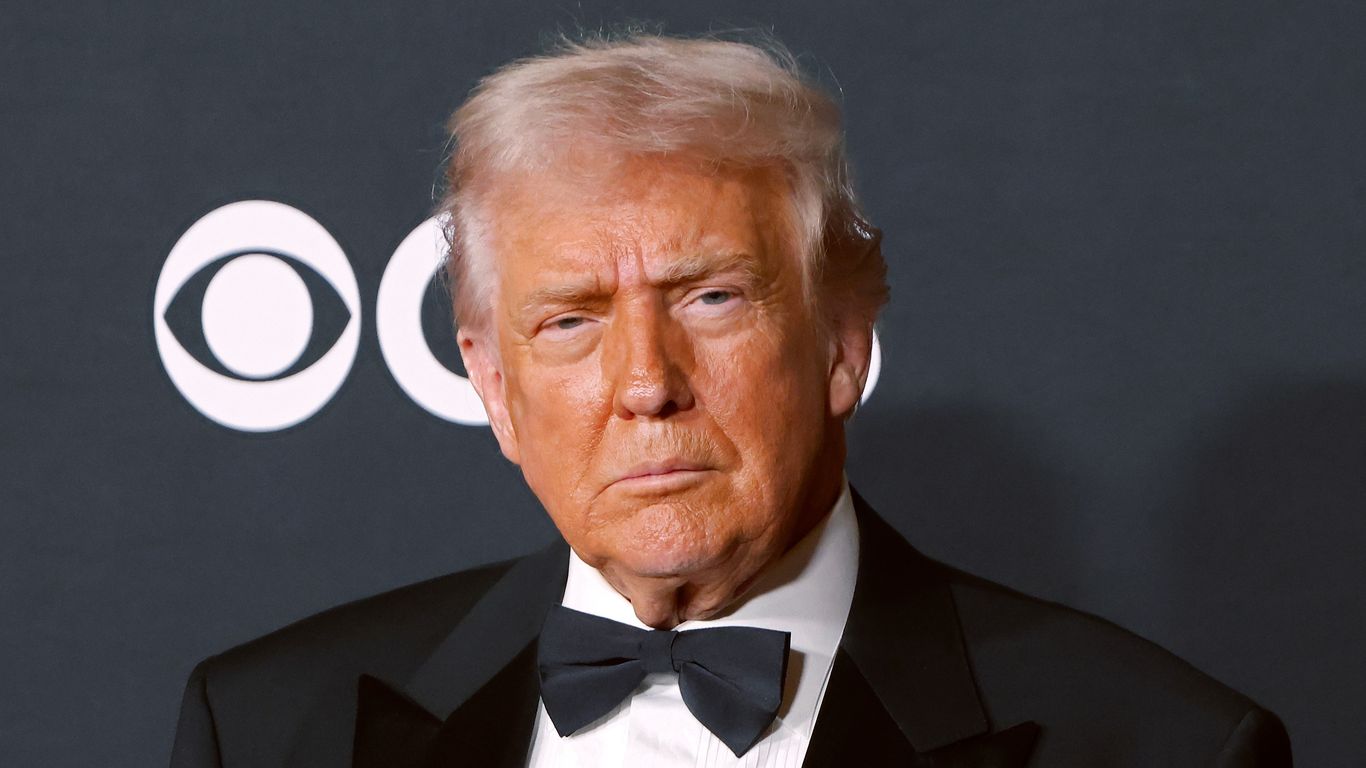
The Kennedy Center Becomes the New Culture-War Stage
The Kennedy Center has always been more than a performance venue; it’s a piece of Washington, D.C. symbolism wrapped in marble and season subscriptions. Since the institution’s controversial leadership shift toward Trump-aligned stewardship, it’s become something else: a litmus test for where artists draw their own ethical lines.
In the weeks following the change, a wave of performers — from jazz veterans to contemporary dance companies — have backed out. The latest: legendary jazz collective The Cookers and New York-based troupe Doug Varone and Dancers, both of whom canceled scheduled appearances, joining a widening list of artists choosing absence over complicity.
How the “Trump Takeover” Turned a Prestige Venue into a Protest Site
The Kennedy Center has long marketed itself as “the nation’s performing arts center,” a phrase that carries an implicit promise of broad cultural stewardship. The so‑called Trump takeover — shorthand for the institution’s new leadership configuration and its perceived political tilt toward the former president and his circle — disrupted that understanding.
In the broader U.S. arts ecosystem, major venues have usually tried to float above explicit partisanship, even when staffed by politically connected boards. What’s different here is the clarity of the association: in an age where Donald Trump is not just a former president but an active political figurehead, a “Trump-branded” Kennedy Center reads to many artists as a declaration, not a coincidence.
“Artists decide which stages they want their work to stand on — and which legacies they’re willing to be associated with.”
— Cultural critic commenting on the Kennedy Center upheaval
That symbolic shift explains why the exodus cuts across genres. It’s less about the hall’s acoustics and more about the brand on the marquee.
The Exodus: 11 Acts Who Walked Away from the Kennedy Center
Axios reporting has tracked at least eleven acts who have backed out of upcoming or proposed Kennedy Center engagements in the wake of the Trump-era leadership change. While the complete list continues to evolve, the pattern is already clear: this is a cross‑disciplinary, values‑driven boycott.
Below is a breakdown of key cancellations and what each represents in the broader cultural landscape. Note that artists’ exact statements vary, but the through‑line is discomfort with the new political associations of the venue, not with the audiences or the city itself.
- The Cookers (Jazz Ensemble)
A supergroup of hard‑bop veterans, The Cookers carry significant weight in the jazz world. Their decision to pull out signals that this isn’t just a youth-driven protest; it resonates with artists whose careers span decades of political cycles.
“Jazz has always been about freedom — musical and otherwise. Playing there now would send the wrong message.”
— Paraphrased sentiment echoed by jazz commentators in reaction to the cancellation - Doug Varone and Dancers (New York Dance Company)
Known for emotionally rich, contemporary choreography, Doug Varone’s company is emblematic of New York’s modern dance scene. Their cancellation underlines how the experimental and nonprofit dance world, already precariously funded, is still willing to forgo a major platform on principle.
- Additional Theater and Music Acts
Alongside these headline departures are theater productions, chamber groups, and singer‑songwriters who have quietly withdrawn or declined offers. Some have released full statements; others simply let their booking calendars speak for them.
Why Artists Are Walking: Values, Optics, and Audience Trust
Publicly, the artists who have spoken out tend to frame their decisions in terms of values, not partisan labels. Privately, of course, everyone knows which president’s name is doing the heavy lifting here. Still, their statements tend to orbit three recurring themes:
- Institutional alignment: Many performers distinguish between playing in Washington and playing at a venue whose leadership appears explicitly aligned with Trump’s politics. It’s not D.C. they’re boycotting — it’s the branding.
- Audience expectations: For artists whose work foregrounds social justice, immigration, or civil rights, appearing under a Trump‑associated banner risks confusing or alienating their core supporters.
- Precedent and legacy: Some simply don’t want to be in the archival photo spread when future documentaries roll the tape on this era’s culture wars.
“Where you play is part of what you say.”
— A maxim passed around artist circles as stages become statements
The calculus is similar to what we’ve seen with festivals and brands: in a hyper‑mediated era, every gig is also a post, a tag, a headline. Refusing a stage becomes its own kind of performance — one measured not in ticket sales, but in symbolic alignment.

Culture, Politics, and the Long History of Artists Saying “No”
This Kennedy Center standoff doesn’t exist in a vacuum. Artists have a long tradition of refusing platforms that clash with their ethics — from musicians boycotting apartheid‑era South Africa to performers withdrawing from festivals with controversial sponsors.
What’s new is the speed and visibility. Social media collapses the distance between a backstage decision and a front‑page narrative; Axios and other outlets now cover booking changes with the same rigor once reserved for album releases or opening nights.
In that light, the 11‑act exodus becomes less a one‑off protest and more a case study in institutional legitimacy in 21st‑century entertainment. Venues can no longer rely on prestige alone; they have to pass an ever‑stricter vibe check from the people who actually fill their stages.

Who Wins, Who Loses? Assessing the Fallout for Artists and the Kennedy Center
From a purely business perspective, walking away from one of the most famous arts venues in the United States is not a trivial decision. For artists, the costs and benefits are finely balanced.
For the Artists
- Strengths: Clear alignment with their stated values; deeper trust with fans who share those values; increased visibility in a crowded cultural field.
- Weaknesses: Lost fees, potential missed connections with new audiences, and the risk of being pigeonholed as “political” even when their art is more expansive than their stance.
For the Kennedy Center
- Strengths: Short term, the institution may deepen its appeal with audiences and donors who welcome the Trump association and see the backlash as proof of “courage under fire.”
- Weaknesses: Long term, the venue risks losing exactly what once made its programming feel essential: the sense that everyone came through those doors eventually, regardless of politics.
This is the subtle but crucial shift: the Kennedy Center used to function as a shared civic living room. A sustained artist boycott could turn it into just another partisan event space — impressive, perhaps, but no longer universally meaningful.
Watch and Listen: Exploring the Work Beyond the Controversy
Regardless of where you land on the politics, the exodus is a reminder to actually engage with the art itself — not just the headlines about where it does or doesn’t get performed.
- The Cookers – Live Sessions: Search for their live recordings on major streaming platforms to hear why jazz fans treat them as a kind of living all‑star team.
- Doug Varone and Dancers – Performance Clips: Official clips and trailers on their website and video platforms showcase why the company is a staple of contemporary dance programming.
- Context & Coverage: The full Axios report on the Kennedy Center pullouts offers granular detail on who canceled when, and how the institution has responded.
For a richer view, pair those performances with criticism from outlets like The New York Times arts section or NPR Music, which often provide the kind of slow, contextual reading that social feeds flatten into a single outrage cycle.
What This Exodus Signals for the Future of U.S. Arts Institutions
The Kennedy Center exodus is unlikely to be the last time we see a major venue become a shorthand for a particular political stance. As boards, donors, and naming rights grow more visible, artists will keep making case‑by‑case decisions about which institutions fit the stories they want their careers to tell.
For audiences, the takeaway is more nuanced than “boycott or bust.” It’s an invitation to ask harder questions about who funds the art we love, how institutions wield their cultural capital, and what it means when a stage that once symbolized national unity becomes another front in an ongoing culture war.
Whether the Kennedy Center recalibrates or doubles down, the artists have already made their point: in 21st‑century entertainment, the politics of the room are now part of the show.
Further Reading and Official Sources
- Axios – Coverage of the Kennedy Center exodus and Trump-era leadership changes
- Official Kennedy Center website
- Related cultural documentaries on arts and politics (IMDb)
Note: Information reflects reporting and public statements available as of January 1, 2026. Subsequent developments may alter the roster of participating or boycotting artists.
