Your Walls Called: They Want a Weekend Makeover (No Landlord Required)
If your walls are currently the visual equivalent of elevator music—inoffensive, beige, and forgettable—this one’s for you. DIY peel-and-stick wall panels are the glow-up filter your home has been quietly begging for, minus the commitment issues that make your landlord nervous.
We’re talking renter-friendly wall decor that peels on, peels off, and doesn’t peel your security deposit away with it. From faux fluted wood to moody murals and shiplap that screams “I own a farmhouse (emotionally),” peel-and-stick wall magic is one of the hottest home decor trends right now across TikTok, YouTube, and pretty much every corner of the internet where people say “weekend project” and then actually finish it.
Let’s walk through how to use these panels and murals to turn your plain walls into personality-packed backdrops—without paint fumes, power tools, or pleading emails to your property manager.
Why Peel‑and‑Stick Wall Panels Are Having Their Main Character Moment
Peel‑and‑stick wall solutions have graduated from cutesy decals and now come in gloriously grown-up forms: 3D wall panels that mimic fluted wood slats, board‑and‑batten, shiplap, even stone and brick. Add in peel‑and‑stick tiles for kitchen backsplashes and fireplaces plus enormous wall murals, and you’ve basically got renovation cosplay without the demolition.
- Zero commitment drama: Most high-quality products are removable and advertised as “landlord‑approved” or “security‑deposit safe.” Translation: you can have a dark, moody bedroom accent wall and still get your deposit back when you move.
- Weekend warrior friendly: The typical toolkit is: tape measure, scissors or utility knife, level, and patience. No nail guns. No wet saws. No existential crises at the hardware store.
- Highly viral, highly doable: Short videos showing “before: sad rental wall / after: faux wood slat TV wall” are blowing up on social media because viewers can actually imagine themselves doing it.
In a world where more people are renting longer and housing costs keep playing financial limbo, renter-friendly wall decor is less a trend and more a survival strategy.
Step One: Pick Your Drama Level (a.k.a. What Wall Are We Transforming?)
Before you impulse-buy 40 square feet of faux plaster wallpaper at 2 a.m., decide what kind of “main character moment” you want your wall to have.
1. The Living Room Feature Wall
Netflix and walls
hits different when your TV isn’t floating on a lonely beige expanse. This is where 3D wall panels that mimic fluted wood slats or vertical battens shine. They frame your TV, console, or sofa and instantly make the room feel designed on purpose, not just “that’s where the cables reached.”
- Try wood-look fluted panels for a Japandi or modern organic vibe.
- Use tone-on-tone panels (think white or greige) if you love minimalism but still want texture.
- Pair with floating shelves, a plant or two, and a small lamp to create a curated vignette.
2. The Bedroom Headboard Wall
You don’t need an actual headboard if your wall is doing the heavy lifting. Peel-and-stick murals and panels are perfect behind the bed:
- Moody faux plaster wallpaper for cozy, cocoon vibes.
- Soft arches or organic shapes that frame the bed and replace the need for big art pieces.
- Wood-look planks or shiplap for modern farmhouse or coastal calm.
Bonus: If you move, the “headboard” comes with you. Try doing that with a king-size bedframe on a third-floor walkup.
3. The Kitchen & Bathroom Cameos
Peel‑and‑stick tiles are booming for backsplashes, mini fireplace surrounds, and bathroom accents. If your current tiles are tragic but permanent, you can still add a second skin:
- In rentals, stick to smooth, non-porous surfaces like existing tile or painted drywall.
- Avoid inside showers or high-splash zones unless the product is rated for water and steam.
- Use lighter, classic patterns (subway, small squares) if you’re worried about clashing with existing finishes.
Choose Your Aesthetic: From Japandi Zen to Boho Maximalist
Peel‑and‑stick wall decor is keeping pace with aesthetic trends faster than you can say “algorithm.” A few styles dominating search results and social feeds right now:
Japandi & Minimalist Calm
Think tone‑on‑tone textured panels, subtle fluted designs, and creamy off‑whites or soft taupes. These are perfect if you:
- Hate clutter but love texture.
- Want your wall to whisper, not scream.
- Are building a neutral base you can dress up with textiles and plants.
Modern Farmhouse & Rustic Cozy
Peel‑and‑stick shiplap and wood‑look panels are the unofficial uniform of farmhouse decor and boho‑adjacent spaces. Pair them with:
- Rustic wood shelves styled with cookbooks, crockery, or framed art.
- Woven baskets for texture and storage.
- Vintage‑style prints or botanicals for a collected look.
Boho, Artsy, and “I Own Many Throw Pillows” Energy
Large‑scale murals, arches, organic shapes, and line art faces are trending big here. Look for:
- Nature scenes (subtle mountains, abstract botanicals) for a calm but playful backdrop.
- Warm earthy palettes (terracotta, olive, sand) to tie in with rattan, jute, and global-inspired textiles.
- Statement corners instead of full walls if you’re decor‑shy or on a budget.
If your throw pillow collection could start a small boutique, this category is your soulmate.
How to Not Fight Your Wall: Install Tips That Actually Work
Peel‑and‑stick is easier than traditional wallpaper, but it’s not “slap it up while holding coffee” easy. A little prep keeps things from going crooked—literally and emotionally.
1. Prep Like a Pro
- Clean the wall: Wipe with a mild cleaner and let it dry. Dust, grease, and mystery renter residue will sabotage adhesion.
- Smooth the surface: Lightly sand big bumps or patch holes. Texture shows through thin products and can cause lifting.
- Check paint type: Super matte or “washable” paints can be tricky—do a small test patch first.
2. Measure Twice, Cut Once, Cry Zero Times
- Measure your wall height and width and compare with the panel or mural dimensions.
- Order at least 10–15% extra to allow for trimming, mistakes, and pattern matching.
- Mark a dead-straight vertical line with a level where your first panel will go. If the first panel is crooked, everything after it will lean like it’s in a windy selfie.
3. Apply Without Air Bubbles (or Swear Words)
Most viral tutorials follow this rhythm:
- Peel back 4–6 inches of the backing at the top.
- Align and stick just that top section, using your level if needed.
- Slowly peel more backing while smoothing downward with a squeegee or clean credit card.
- Work from the middle out to the edges to push out air bubbles.
If you misalign, gently peel back and reposition—don’t yank like it’s a bandage, or you may stretch the material.
4. Trim Like a Wallpaper Surgeon
- Use a sharp utility knife and a metal ruler for edges and around outlets.
- Always cut with light, controlled passes rather than one aggressive slice.
- Turn off power before removing outlet covers and work carefully around them.
Remember: the corners and edges are what make it look professional, not just the pattern.
Renter‑Friendly Reality Check: Will My Landlord Cry?
Short answer: probably not, if you play it smart. Peel‑and‑stick products are marketed as removable, but that doesn’t mean “consequence-free under all conditions.”
- Do a test patch: Apply a small off‑cut in a low‑visibility spot, leave it for a few days, then remove. Check for peeling paint.
- Avoid fragile walls: If your walls already chip when you look at them funny, be extra cautious.
- Remove slowly: When it’s time to move, warm the panels slightly with a hairdryer and peel back at a low angle.
- Keep leftover pieces: In case of small damage, you can patch or at least match paint more easily.
If your lease is strict, you can still enjoy peel‑and‑stick panels by applying them to large boards or MDF panels, then leaning or lightly mounting those instead of covering the wall directly.
Style It Like You Meant It: Decorating Around Your New Wall
The wall is the outfit; the decor is the accessories. To avoid the “new wall, same old chaos” effect, give your space a quick styling refresh.
For a Faux Wood Slat TV Wall
- Choose a simple media console in a color that contrasts slightly with the panels so it doesn’t disappear.
- Add one or two floating shelves nearby—don’t overcrowd the feature.
- Keep cables tidy with cord covers painted to match the wall or tucked behind furniture.
For a Moody Bedroom Mural
- Repeat one or two colors from the mural in your bedding or cushions.
- Use soft lighting (table lamps, wall sconces, or plug‑in pendants) to highlight the texture without glare.
- Keep the side walls simpler so the mural stays the star of the show.
For a Shiplap or Farmhouse Wall
- Mix woven baskets, framed art, and small mirrors to build a wall vignette.
- Layer in warm wood tones with side tables, frames, or a bench.
- Use soft, textured textiles (knit throws, linen pillows) to reinforce the cozy factor.
The key is repetition: echo your wall’s colors or textures at least three times in the room so it feels cohesive, not like a random cool wall you found on sale.
Small Space, Smaller Budget: Big Impact Hacks
You don’t need to cover every inch of every wall. In fact, restraint usually looks more expensive.
- Do a half wall: Apply panels from the floor up to about chest height and finish with a simple trim piece for a faux wainscoting look.
- Frame a zone: Use peel‑and‑stick behind your desk to define a “home office” in a studio or one‑bedroom.
- Think vertical: Tall, narrow panels behind a console or bedside tables draw the eye up and make ceilings look higher.
- Use leftovers intentionally: Line the backs of open shelves or the inside of a bookcase with extra panels or mural scraps.
Your budget will thank you, and your space will look like you had a stylist, not just a sale alert.
Give Your Walls a Weekend They Won’t Forget
Peel‑and‑stick wall panels and renter‑friendly wall decor are popular for good reason: they let you experiment, take design risks, and actually enjoy your space now—not “someday when I own a house.”
Whether you go full faux‑wood TV wall, a dreamy mural behind your bed, or a tiny backsplash upgrade that makes weekday dishes 20% less painful, your home deserves to feel like it belongs to you—even if your name isn’t on the deed.
Grab a tape measure, a level, and your bravest playlist. By Monday, your walls could be starring in their own “before and after” reel—and for once, the “after” gets to stick around as long as you do.
Image Suggestions (Strictly Relevant)
Below are carefully selected, strictly relevant image recommendations that visually explain key concepts from this blog. Each image directly supports a specific sentence or keyword and adds clear informational value.
Image 1: Faux Wood Slat TV Feature Wall
- Placement location: After the paragraph that begins “Netflix and walls hits different when your TV isn’t floating on a lonely beige expanse.” in the section “Step One: Pick Your Drama Level (a.k.a. What Wall Are We Transforming?)”.
- Image description: A realistic photo of a living room wall transformed with peel‑and‑stick faux wood fluted panels behind a wall‑mounted TV. The wall has vertical wood-look slats covering the full width behind the TV. Below is a simple, modern media console in a contrasting light color with minimal decor (a plant pot and a couple of books). Cables are hidden. Adjacent walls remain plain and light-colored to emphasize the feature wall. No people in the image.
- Supports sentence/keyword: “This is where 3D wall panels that mimic fluted wood slats or vertical battens shine. They frame your TV, console, or sofa and instantly make the room feel designed on purpose…”
- SEO-optimized alt text: “Living room with peel-and-stick faux wood fluted wall panels creating a TV feature wall with a modern media console.”
- Suggested image URL: https://images.pexels.com/photos/4790490/pexels-photo-4790490.jpeg
Image 2: Peel-and-Stick Bedroom Headboard Wall
- Placement location: After the list under “2. The Bedroom Headboard Wall” in the “Step One: Pick Your Drama Level” section.
- Image description: A bedroom with a bed placed against a wall covered in a peel‑and‑stick mural or faux plaster wallpaper in a moody, muted tone (e.g., deep green or charcoal). The mural frames the bed like a headboard. Bedding is simple and coordinated with the wall color. There are small bedside tables and lamps, with no other bold wall decor to keep the mural as the focal point. No people are visible.
- Supports sentence/keyword: “You don’t need an actual headboard if your wall is doing the heavy lifting. Peel-and-stick murals and panels are perfect behind the bed…”
- SEO-optimized alt text: “Bedroom with a moody peel-and-stick mural used as a headboard wall behind a neatly styled bed.”
- Suggested image URL: https://images.pexels.com/photos/6585763/pexels-photo-6585763.jpeg
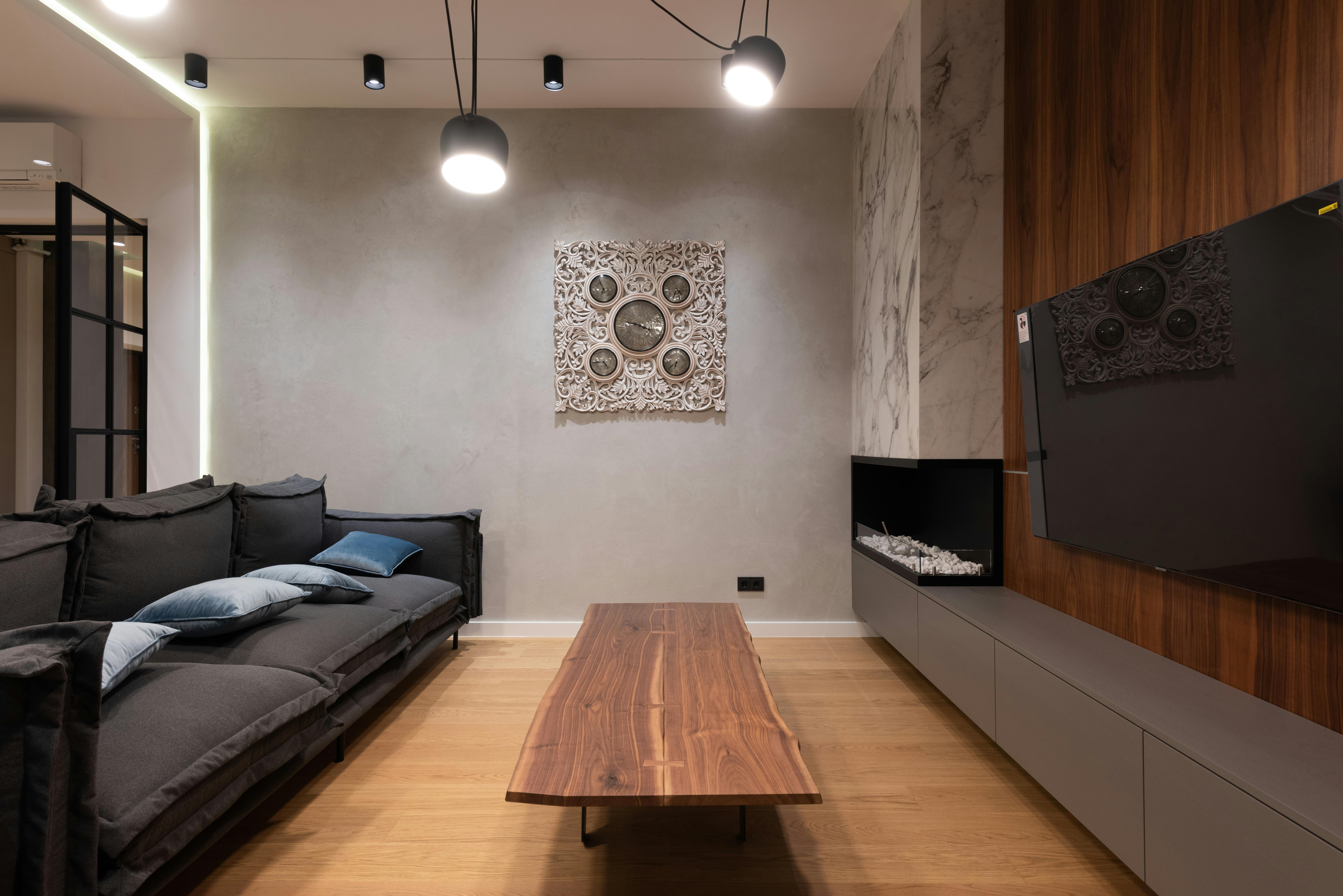
Image 3: Close-Up of Peel-and-Stick Installation
- Placement location: In the “How to Not Fight Your Wall: Install Tips That Actually Work” section, after the ordered list describing the application steps.
- Image description: A close-up, realistic photo of hands applying a peel‑and‑stick wall panel or wallpaper to a smooth interior wall. One hand is holding the material while the other uses a plastic squeegee or card to smooth out bubbles as the backing is peeled away. Only the wall, the peel‑and‑stick material, and the tools are visible; no faces or full bodies.
- Supports sentence/keyword: “Slowly peel more backing while smoothing downward with a squeegee or clean credit card.”
- SEO-optimized alt text: “Hands installing peel-and-stick wall covering with a squeegee to smooth out air bubbles during application.”
- Suggested image URL: https://images.pexels.com/photos/6587848/pexels-photo-6587848.jpeg